


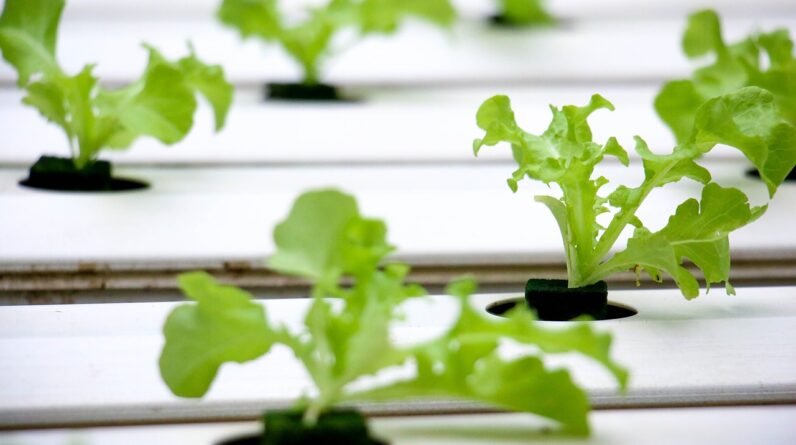
So you’ve decided to join the world of commercial hydroponics, eh? Well, you’ve come to the right place. In this article, we’re going to give you the lowdown on how to maximize your yield in commercial hydroponics, because let’s face it, that’s what it’s all about. We’ll be sharing some tried-and-tested best practices that will help you grow your crops more efficiently, boost productivity, and ultimately increase your profits. So buckle up and get ready to take your hydroponic game to the next level!
Choosing the Right Hydroponic System
When it comes to choosing the right hydroponic system, there are several factors to consider. Understanding the different types of hydroponic systems available can help you make an informed decision. Some popular options include Deep Water Culture (DWC), Nutrient Film Technique (NFT), Drip Irrigation, and Aeroponics. Each system has its own advantages and disadvantages, so it’s important to assess your specific needs and resources before making a choice.
For commercial hydroponics, there are additional considerations to keep in mind. Factors such as scalability, efficiency, and cost-effectiveness become paramount when you’re dealing with larger operations. You want a system that can support the quantity and quality of crops you aim to grow.
Apart from the system itself, you also need to consider the types of crops you want to grow. Certain plants thrive in specific hydroponic systems, so it’s crucial to match your chosen system with the crops you wish to cultivate. Take into account the plant’s root size, water and nutrient requirements, and growth characteristics before making a decision.
Lastly, evaluating your available space and resources is vital. Consider the size of the area you have for your hydroponic setup, as well as the access to water, electricity, and other necessary resources. Some systems require more space and resources than others, so it’s important to choose one that aligns with your available means.
Optimizing Nutrient Solutions
In hydroponic systems, nutrients are delivered directly to the plants through water solutions. Understanding the essential nutrients plants need and how to create a balanced nutrient solution is crucial for maximizing yield and promoting healthy growth.
Plants require a variety of nutrients, including macronutrients (nitrogen, phosphorus, potassium) and micronutrients (iron, manganese, zinc). Knowing the specific nutrient needs of your crops allows you to create a tailored nutrient solution that meets their requirements.
Creating a balanced nutrient solution involves precise measurement and mixing of the necessary nutrients. It’s important to follow guidelines and recommendations provided by experts or nutrient solution manufacturers to ensure accuracy. Regular monitoring and adjustment of the nutrient solution’s pH levels is also necessary to maintain optimal nutrient availability to the plants.
Nutrient imbalances can lead to nutrient deficiencies or toxicities, both of which can hinder plant growth and productivity. Regular monitoring of the nutrient solution and plant health is crucial for avoiding imbalances and making necessary adjustments in a timely manner.
Providing Adequate Lighting
Light is an essential factor in hydroponics, as it serves as the energy source for photosynthesis. Proper lighting is crucial for promoting healthy plant growth and maximizing yield.
Determining the appropriate light intensity and duration for your crops is important. Different plants require different levels of light intensity, and the duration of light exposure can vary depending on the plant’s growth stage. Researching the specific light needs of your crops is key to ensuring they receive the right amount of light.
Choosing the right type of lights is also essential. LED lights, fluorescent lights, or high-intensity discharge (HID) lights can all be suitable options, depending on your requirements and budget. Each type of light has its own pros and cons in terms of energy efficiency, heat production, and light spectrum. Assess your needs and choose a lighting system that provides the most benefits for your crops.
Ensuring even light distribution throughout your hydroponic system is vital. Hanging lights at appropriate heights and using reflectors or light movers can help distribute the light more evenly and reduce shadowing. This ensures that all plants receive adequate light for optimal growth.
Managing lighting for different growth stages is crucial. Some plants require more intense light during their vegetative stage, while others need more light during flowering or fruiting. Understanding the specific light needs of your crops at different stages allows you to provide the appropriate lighting conditions and maximize their potential.
Maintaining Ideal Temperature and Humidity
To promote optimal plant growth in your hydroponic system, maintaining the ideal temperature and humidity levels is crucial. These factors play a significant role in creating an environment that is conducive to plant health.
Understanding the optimal temperature range for your crops is important. Different plants have different temperature preferences, and maintaining the right temperature helps avoid potential stressors. Generally, most crops thrive in temperatures between 65°F and 75°F (18°C to 24°C). Monitoring and maintaining a consistent temperature within this range is important for promoting healthy growth.
Proper air circulation is another vital aspect of maintaining ideal temperature and humidity levels. Good airflow helps prevent the buildup of heat and humidity pockets that can promote the growth of mold or fungi. Fans or ventilation systems can help ensure adequate air circulation within the growing area.
Controlling humidity levels is crucial to prevent issues such as mold and disease. High humidity can create an environment conducive to fungal growth, while low humidity can lead to water loss and dehydration in plants. Using humidifiers or dehumidifiers can help you maintain the appropriate humidity levels for your crops.
Preventing pests and diseases is also a key aspect of maintaining ideal temperature and humidity. Insects and pathogens thrive in certain conditions, so controlling temperature and humidity can help minimize their presence. Regular monitoring of plants and implementing appropriate pest control measures can prevent potential infestations and diseases.
Ensuring Sufficient Oxygen Levels
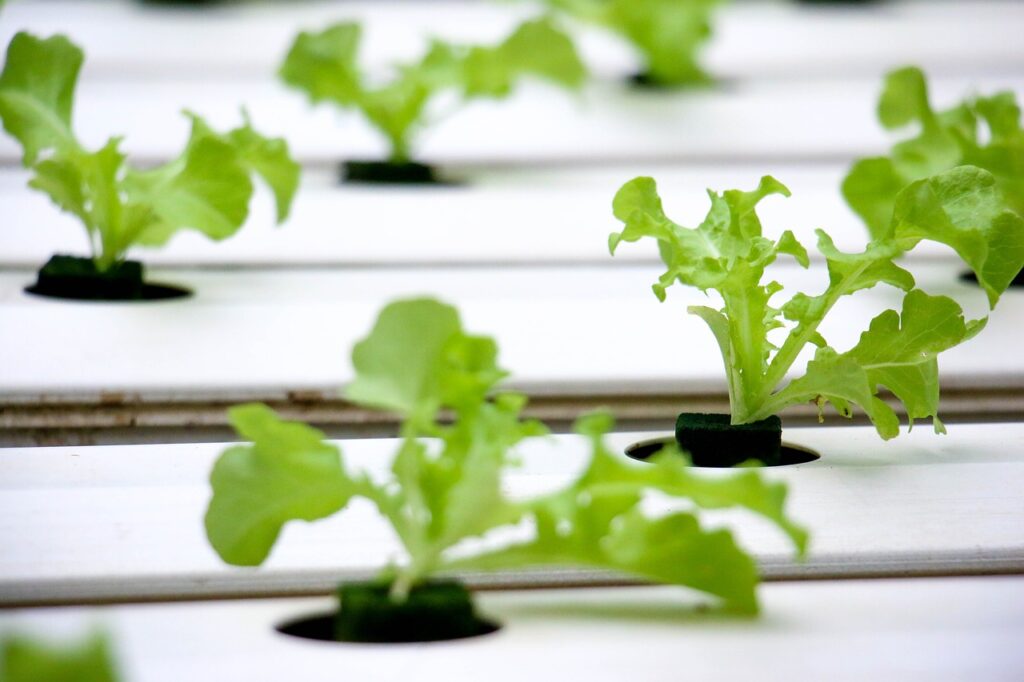
Oxygen is essential for root respiration and nutrient uptake in hydroponic systems. Ensuring sufficient oxygen levels is crucial for promoting healthy roots and overall plant growth.
Understanding the importance of oxygen in hydroponics is key. Oxygen is necessary for proper root growth, nutrient absorption, and metabolism. Without sufficient oxygen, plants can suffer from root rot or suffocation, leading to stunted growth or even plant death.
Choosing the correct aeration system is important for providing oxygen to the root zone. Air stones, diffusers, or aeroponic misters are commonly used to introduce oxygen into the nutrient solution. The size and design of your hydroponic system will determine the type of aeration system that is most appropriate.
Avoiding waterlogging and root rot is crucial for maintaining adequate oxygen levels in the root zone. Overwatering or poorly drained systems can lead to excessive moisture around the roots, which can deplete oxygen levels. Proper system design, such as using well-draining growing mediums and implementing appropriate irrigation practices, can help prevent waterlogging and root rot.
Regularly monitoring oxygen levels in the nutrient solution is important. Dissolved oxygen meters can be used to measure the oxygen concentration in the water. Keeping oxygen levels within the recommended range ensures that your plants have access to the necessary oxygen for optimal growth.
Implementing Effective Crop Rotation
Crop rotation is a valuable practice in hydroponics that offers several benefits. It involves the systematic change of crops in a specific area or system, which helps manage pests and diseases, improve soil health, and enhance overall productivity.
Understanding the benefits of crop rotation is crucial. Rotating crops can help break pest and disease cycles, as different plants have varying susceptibility to specific pests and pathogens. By switching crops, you can disrupt the life cycles of pests and reduce the risk of infestations. Additionally, crop rotation can help manage nutrient imbalances by allowing different crops to extract different nutrients from the system.
Developing a crop rotation schedule is essential for maximizing the benefits of this practice. Consider factors such as plant families, growth characteristics, and nutrient requirements when determining the order and duration of crop rotations. Research specific crop rotation plans for hydroponics or consult with experts to develop an effective schedule for your system.
Managing disease and nutrient imbalances is a vital part of implementing crop rotation. Regularly monitoring plants for signs of disease or nutrient deficiencies allows you to take proactive measures to address these issues. Proper sanitation practices and maintaining balanced nutrient solutions are also important to prevent disease outbreaks or nutrient imbalances.
Enhancing soil health and productivity is another advantage of crop rotation. By rotating crops, you can improve the overall quality and fertility of your growing medium or substrate. Different crops have varying nutrient requirements and can contribute to a more diverse and balanced soil ecosystem.
Implementing Integrated Pest Management
Integrated Pest Management (IPM) is an effective approach to pest control in hydroponics. It focuses on minimizing the use of chemical pesticides and instead emphasizes biological controls, cultural practices, and monitoring techniques.
Understanding the principles of IPM is important for successfully implementing this approach. IPM involves the integration of different pest control strategies to create a balanced and sustainable system. These strategies include cultural controls (such as sanitation and habitat modification), biological controls (such as introducing predatory insects or beneficial microorganisms), and monitoring techniques (such as regular scouting and trapping).
Identifying and monitoring common pests in your hydroponic system is crucial for effective pest management. Regular scouting or inspection of plants can help you spot early signs of pest infestations. Yellow sticky traps or pheromone traps can also be used to monitor pest populations and provide valuable information for decision-making.
Implementing biological controls is a key aspect of IPM. Introducing beneficial insects or microorganisms that feed on pests can help manage infestations naturally. Ladybugs, predatory mites, or nematodes are examples of beneficial organisms that can be used in hydroponics. Research the specific pests in your system and suitable biological controls for effective management.
Minimizing chemical pesticide usage is a primary goal of IPM. While chemical pesticides can be effective in controlling pests, excessive or improper use can lead to environmental contamination and the development of pesticide-resistant pests. Using pesticides as a last resort and adhering to proper application guidelines helps ensure their efficacy and minimizes potential negative impacts.
Ensuring Proper Water Management
Water management is a critical aspect of successful hydroponic gardening. Monitoring and maintaining water quality, managing water pH and electrical conductivity (EC), implementing efficient irrigation systems, and reusing or recycling water are all important considerations.
Monitoring and maintaining water quality is crucial in hydroponics. Water sources can contain impurities or high levels of minerals that may negatively impact plant health. Regularly testing and treating water for pH, EC, and other parameters is necessary to ensure that the nutrient solution meets the plants’ requirements.
Managing water pH and EC is vital for optimal nutrient uptake and plant growth. Different crops have different pH preferences, and maintaining the appropriate pH range ensures nutrient availability to the plants. EC levels indicate the concentration of dissolved salts in the water, and monitoring and adjusting EC levels helps fine-tune the nutrient solution’s strength.
Implementing efficient irrigation systems helps ensure proper water distribution and nutrient uptake. Drip irrigation, ebb and flow systems, or nutrient film technique systems are all options to consider based on your specific needs. The goal is to provide the right amount of water and nutrients to the plants without overwatering or wasting resources.
Reusing and recycling water can contribute to sustainability in hydroponics. By implementing water collection and filtration systems, you can capture and purify runoff or unused nutrient solution. This not only reduces water wastage but also minimizes nutrient losses and the environmental impact of hydroponic operations.
Implementing Optimal Plant Support System
A well-designed plant support system is essential for maximizing yield and preventing damage or breakage. When plants have proper support, they can grow and develop to their full potential.
Choosing the right support structures depends on the specific needs of your crops. Trellises, stakes, or vertical frames can be used to provide support for climbing or vining plants. Mesh netting or cages may be suitable for supporting broader plants. Assess your plant types, growth habits, and structural needs to determine the most appropriate support structures.
Training and pruning techniques play a significant role in optimizing plant support. Properly training plants by gently securing them to support structures helps them grow vertically and maximizes space utilization. Pruning practices, such as removing excessive foliage or side shoots, can improve air circulation and prevent overcrowding, reducing the risk of disease or pest infestation.
Ensuring adequate plant spacing is important to optimize light penetration and airflow. Overcrowding can lead to shading, poor ventilation, and increased risk of disease. Follow recommended plant spacing guidelines to prevent overcrowding and allow the best possible conditions for each plant’s growth.
Preventing damage and breakage is crucial to maintain healthy plant growth. As plants grow taller or heavier, they become more vulnerable to damage from wind, heavy fruits, or improper handling. Providing sturdy support structures and regularly checking for any signs of stress or instability can help prevent damage and ensure the plants’ well-being.
Prioritizing Crop Health and Vigor
To maximize yield in your hydroponic system, prioritizing crop health and vigor should be at the top of your list. Monitoring and diagnosing plant health, addressing nutrient deficiencies, optimizing environmental conditions, and implementing preventive care measures are key steps for achieving this goal.
Regularly monitoring and diagnosing plant health allows you to identify and address any issues promptly. Keep an eye out for signs of nutrient deficiencies, pest infestations, or diseases. Wilting, yellowing leaves, or abnormal growth patterns can indicate underlying problems that need attention. Timely intervention and proper care can prevent further decline and ensure the plants’ well-being.
Addressing nutrient deficiencies is crucial for maintaining healthy plants. Regularly monitor the nutrient solution and perform periodic plant tissue analyses to identify any deficiencies or imbalances. Adjusting the nutrient solution or providing targeted nutrient supplements can help address these issues and promote healthy growth.
Optimizing environmental conditions is essential for crop health and vigor. Factors such as light, temperature, humidity, and airflow all contribute to plant well-being. Regularly monitor and adjust these conditions as needed to provide the most suitable environment for your crops. Proper environmental management reduces stress on the plants and allows them to focus resources on growth and productivity.
Implementing preventive care measures is another important aspect of crop health and vigor. This includes maintaining cleanliness and sanitation in your hydroponic system, practicing good hygiene when handling plants, regularly inspecting for pests or diseases, and implementing appropriate control strategies. By being proactive and attentive to potential issues, you can prevent problems from arising and ensure the long-term health of your crops.
Maximizing yield in commercial hydroponics requires careful consideration of various factors. Choosing the right hydroponic system, optimizing nutrient solutions, providing adequate lighting, maintaining ideal temperature and humidity levels, ensuring sufficient oxygen levels, implementing effective crop rotation, employing integrated pest management, prioritizing water management, implementing an optimal plant support system, and prioritizing crop health and vigor are all crucial components for success.
By understanding the different aspects and implementing best practices, you can create a thriving hydroponic system that maximizes yield, provides high-quality crops, and contributes to the sustainability of your operation. Continuous learning, monitoring, and adjustment are key to achieving optimal results in commercial hydroponics.


