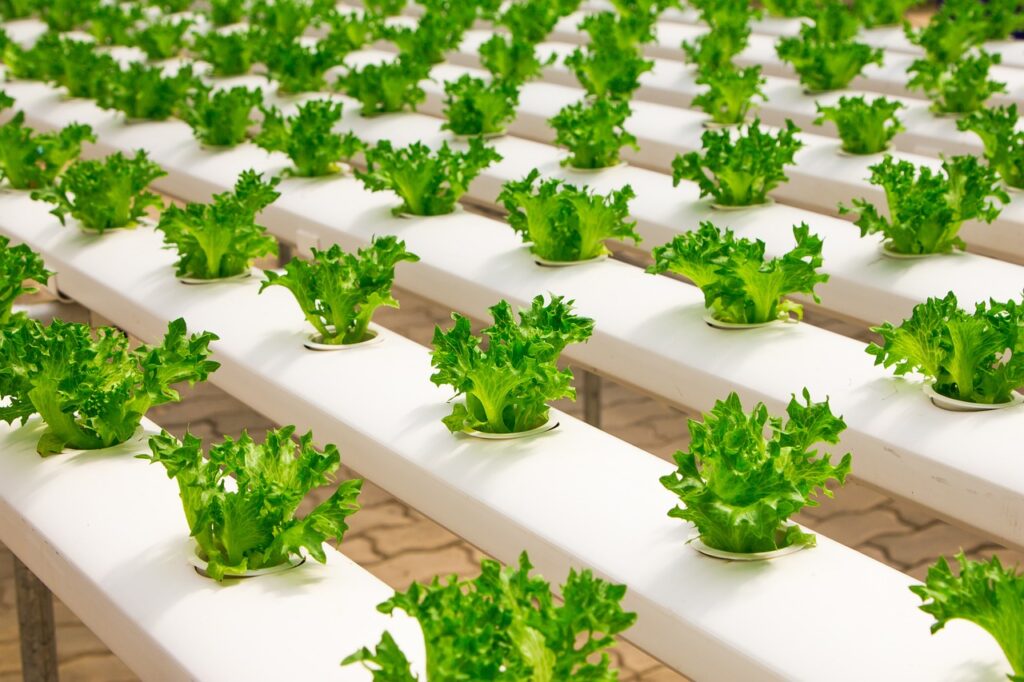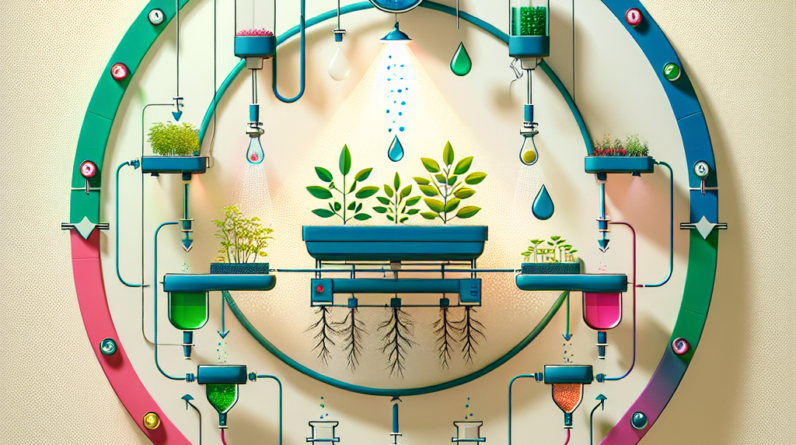
In the world of hydroponics, maximizing nutrient cycling efficiency is paramount for optimal plant growth. With the absence of soil, plants depend solely on nutrient-rich water solutions to thrive. This article sheds light on the importance of optimizing nutrient cycling in hydroponic systems, exploring key strategies and techniques that can help achieve higher yields and healthier plants. From understanding the role of microorganisms to incorporating sustainable practices, discover the secrets to unlocking the full potential of hydroponics and taking your growing game to the next level.
Maximizing Nutrient Cycling Efficiency in Hydroponic Systems
Hydroponic systems offer a sustainable and efficient way to grow plants without soil. One crucial aspect of maintaining healthy plants in a hydroponic setup is maximizing nutrient cycling efficiency. The nutrient cycling process is essential for providing plants with the necessary nutrients they need to thrive. In this article, we will delve into the various factors affecting nutrient cycling efficiency and explore effective strategies to optimize this process in your hydroponic system.
Understanding Nutrient Cycling in Hydroponic Systems
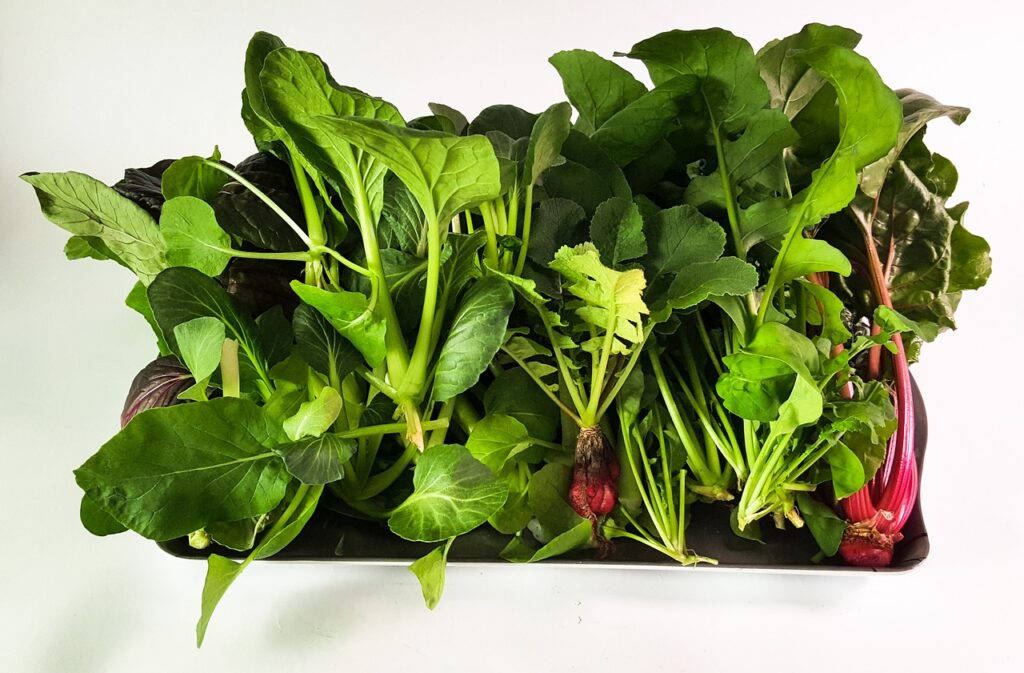
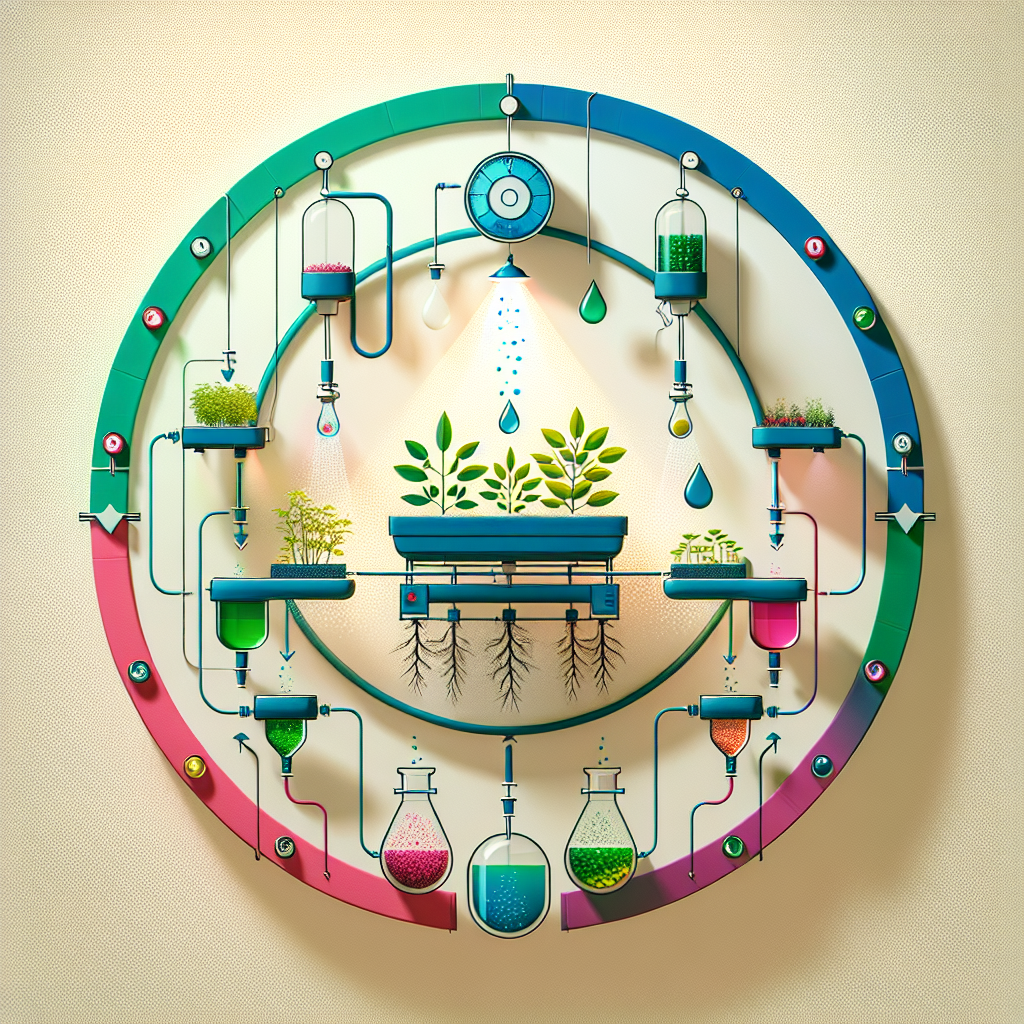
In a hydroponic system, plants are grown in a nutrient-rich water solution instead of soil. The nutrient cycling process involves providing plants with a balanced supply of essential nutrients and efficiently recycling the solution. Nutrient solution is continuously circulated through the system, supplying plants with the necessary elements for growth. Understanding this process is crucial for maintaining plant health and maximizing productivity.
Benefits of Maximizing Nutrient Cycling Efficiency
Maximizing nutrient cycling efficiency in your hydroponic system offers several significant benefits. Firstly, it ensures that plants receive a consistent and balanced supply of nutrients, promoting healthy growth and development. Secondly, efficient nutrient cycling reduces waste and conserves resources, making hydroponic systems more sustainable. Finally, by optimizing this process, you can enhance the overall productivity of your plants, leading to higher yields and better quality crops.
Factors Affecting Nutrient Cycling Efficiency
Several factors can impact the efficiency of nutrient cycling in hydroponic systems. By understanding and addressing these factors, you can optimize the nutrient cycling process.
Choosing the Right Nutrient Solution
Selecting the appropriate nutrient solution is crucial for maximizing nutrient cycling efficiency. The solution should contain a balanced mix of essential macro and micronutrients, tailored to the specific needs of your plants. Different growth stages may require different nutrient concentrations, so it is essential to choose a solution that can be adjusted accordingly.
Balancing Nutrient Concentrations
Maintaining optimum nutrient concentrations is vital for promoting healthy plant growth. Too high or too low nutrient levels can lead to nutrient deficiencies or toxicities, adversely affecting your plants. Regularly monitoring and adjusting nutrient concentrations based on plant requirements is key to maximizing nutrient cycling efficiency.
Monitor pH Levels
Maintaining proper pH levels is critical for nutrient uptake efficiency in hydroponic systems. pH affects the availability of nutrients to plants. The optimal pH range for most plants in hydroponics is between 5.5 and 6.5. Regularly check and adjust the pH of your nutrient solution to ensure optimal nutrient absorption.
Maintaining Proper Temperature
Temperature plays a vital role in nutrient uptake and overall plant health. Most plants thrive within a specific temperature range, usually between 65 and 80 degrees Fahrenheit. Ensure that the temperature of your nutrient solution and growing environment falls within this range to maximize nutrient cycling efficiency and promote vigorous plant growth.
Optimizing Oxygen Levels
Adequate oxygen supply is essential for healthy root development and efficient nutrient uptake. Oxygen levels in the root zone should be maintained at an optimal level to promote root health and prevent root rot. Oxygenation techniques, such as using air stones or incorporating oxygen pumps, can help optimize oxygen levels and enhance nutrient cycling efficiency.
Implementing Biofiltration
Biofiltration involves using beneficial bacteria and organisms to break down organic matter and convert it into forms that plants can readily absorb. This process enhances nutrient cycling efficiency by making nutrients more bioavailable to plants. Implementing biofiltration techniques, such as adding beneficial microorganisms or using biofilters, can significantly improve nutrient cycling in your hydroponic system.
Utilizing Beneficial Microorganisms
Beneficial microorganisms play a crucial role in nutrient cycling and plant health. They help break down organic matter, improve nutrient availability, and protect plants from harmful pathogens. Introducing beneficial microorganisms, such as mycorrhizal fungi or rhizobacteria, into your hydroponic system can boost nutrient cycling efficiency and enhance plant growth.
Recycling Nutrient Solution
One of the most effective ways to optimize nutrient cycling efficiency is through the recycling of the nutrient solution. Instead of constantly replacing the solution, reusing it allows for the conservation of resources and minimizes waste. However, it is vital to monitor and adjust the nutrient concentrations and pH of the recycled solution to ensure it remains suitable for plant uptake.
By considering and implementing these strategies, you can maximize nutrient cycling efficiency in your hydroponic system. This, in turn, will promote healthy plant growth, improve resource utilization, and enhance overall productivity. Enjoy the benefits of a sustainable and highly efficient way of growing plants with optimized nutrient cycling in your hydroponic system.