Picture this: a world where crops are grown in towering skyscrapers instead of vast fields. A world where plants thrive without soil and rely solely on nutrient-rich water. This is the future of farming, and vertical hydroponic farming is leading the way. With groundbreaking innovations in this field, we are witnessing a revolution in agriculture, where space is maximized, resources are conserved, and food security is no longer a concern. In this article, we will explore the fascinating world of vertical hydroponic farming and discover the remarkable advancements that are revolutionizing the way we grow our food. Get ready to be amazed by the incredible possibilities that await us in this game-changing technology.
Introduction
Vertical hydroponic farming is a groundbreaking approach to agriculture that offers numerous benefits and opportunities for sustainable food production. This innovative farming technique involves growing plants in vertically stacked layers, utilizing minimal space and maximizing efficiency. With the rising demand for food in a rapidly growing global population, vertical hydroponic farming has emerged as a game-changing solution to the limitations of traditional farming methods.
Benefits of Vertical Hydroponic Farming
Increased Efficiency
Vertical hydroponic farming allows for significantly higher crop yields compared to traditional farming methods. By utilizing vertical space, farmers can maximize their production capacity and grow more plants in a smaller area. This increased efficiency is achieved through careful optimization of resources such as water, nutrients, and light, resulting in a higher output per square foot of farming space.
Water Conservation
Water scarcity is a pressing issue worldwide, making efficient water usage a critical concern in agriculture. Vertical hydroponic farming addresses this challenge by utilizing recirculating systems that minimize water waste. Unlike conventional farming, which often involves excessive irrigation, vertical hydroponic systems provide plants with precise amounts of water, reducing consumption and preserving this valuable resource.
Year-round Cultivation
One of the most significant advantages of vertical hydroponic farming is that it enables year-round cultivation regardless of seasonal limitations. By controlling the environment, farmers can create conditions optimal for plant growth throughout the year, ensuring a steady supply of fresh produce regardless of external factors such as weather or climate changes. This continuous production capability helps meet the demand for fresh, local, and sustainable food throughout all seasons.
Space-saving
Traditional farming methods require vast expanses of land, making it challenging to establish farms in dense urban areas. Vertical hydroponic farming eliminates this limitation by utilizing vertical space and compact farming systems. With the ability to stack crops on top of one another, farmers can make the most of limited space, enabling urban farming and reducing the need for long-distance food transportation.
Reduced Pesticide Use
Conventional farming often relies on chemical pesticides to protect crops from pests and diseases. Vertical hydroponic farming reduces the need for these harmful chemicals by creating a controlled and clean environment for plants to thrive. In this soil-less farming system, there are fewer opportunities for pests to infest plants, resulting in significantly reduced pesticide use. This not only benefits the environment and human health but also leads to cleaner and safer food production.

Automation and Control Systems
Introduction to Automation
Automation plays a crucial role in vertical hydroponic farming, revolutionizing the way crops are cultivated. By incorporating various control systems, farmers can optimize plant growth conditions and streamline operations. Automation allows for precise control over factors such as temperature, humidity, nutrient delivery, and lighting, ensuring optimal growing conditions for plants.
Climate Control Systems
Maintaining the ideal climate within a vertical hydroponic farm is essential for maximizing crop health and productivity. Climate control systems, including temperature and humidity sensors, ventilation, and air circulation, help create a stable growing environment. These systems allow farmers to regulate temperature and humidity levels, preventing extreme fluctuations that can negatively impact plant growth.
Nutrient Delivery Systems
In hydroponics, plants derive their nutrients from solutions rather than soil. Nutrient delivery systems are responsible for supplying plants with the required elements in the right concentrations. These systems often involve carefully balanced nutrient solutions, pumps, and irrigation systems that efficiently deliver nutrients directly to the roots. Automated nutrient delivery systems ensure plants receive a consistent supply of nutrients, optimizing their growth potential.
Monitoring and Data Analysis
The integration of sensors and data analysis technologies allows farmers to monitor various parameters and gather valuable insights. By collecting data on factors like temperature, humidity, pH levels, nutrient concentrations, and lighting, farmers can fine-tune their growing conditions and make data-driven decisions to optimize crop growth. Monitoring systems enable real-time analysis, detection of anomalies, and proactive intervention, ensuring plants receive the precise conditions they need to thrive.
Lighting Innovations
LED Lighting Technology
Lighting is a critical factor in plant growth, especially in vertical hydroponic farming where natural sunlight may be limited. LED (Light-Emitting Diode) lighting technology has transformed indoor farming by providing efficient and customizable lighting solutions. LED lights consume significantly less energy than traditional lighting methods, making them a sustainable choice for vertical hydroponic farms. Moreover, LED lights can be finely tuned to specific wavelengths and colors, promoting optimal plant growth at different stages.
Adjustable Spectrum Lighting
Plants have different light requirements during different phases of their growth cycle. Adjustable spectrum lighting systems allow farmers to tailor the light spectrum to match the specific needs of their crops. By adjusting the ratios of red, blue, and other wavelengths, farmers can optimize photosynthesis, flowering, and fruiting. This level of control ensures that plants receive the precise light conditions necessary for robust growth and high-quality yields.
Energy-Efficient Lighting Solutions
Energy consumption is a significant concern in any farming operation, and vertical hydroponic farming is no exception. Energy-efficient lighting solutions, such as LED lights, not only reduce electricity costs but also contribute to the overall sustainability of the farm. By utilizing lighting systems that minimize energy wastage and operate at high efficiency, vertical hydroponic farmers can optimize their production while reducing environmental impact.

Nutrient Management
Introduction to Hydroponic Nutrient Solutions
In traditional farming, plants extract nutrients from the soil. However, in vertical hydroponic farming, plants rely on nutrient solutions for their growth and development. These solutions contain all the essential minerals and nutrients needed for plant health. Nutrient management is a critical aspect of vertical hydroponic farming, as it involves providing the right mixture of nutrients and maintaining their balance throughout the growing cycle.
Customized Nutrient Solutions
Every crop has unique nutrient requirements to reach its full growth potential. Vertical hydroponic farming enables farmers to tailor nutrient solutions specifically for each crop, ensuring optimal growth and productivity. By analyzing the nutrient needs of different plants and adjusting nutrient concentrations accordingly, farmers can achieve nutrient balance and prevent deficiencies or toxicities that may hinder plant growth.
Nutrient Delivery Systems
Proper delivery of nutrients to plants is crucial for their overall health and productivity. Nutrient delivery systems in vertical hydroponic farming involve pumps, irrigation systems, and reservoirs that distribute nutrient solutions to the plants’ root systems. These systems often operate on automated schedules, ensuring consistent nutrient availability throughout the day. Efficient nutrient delivery systems promote healthy plant growth and contribute to higher crop yields.
Optimizing Nutrient Uptake
In addition to providing the right nutrients, farmers must also ensure efficient nutrient uptake by the plants. Factors such as pH levels and nutrient solution temperature can significantly influence nutrient absorption. Through careful monitoring and adjustment of these parameters, farmers can optimize nutrient uptake, ensuring that plants receive the maximum benefit from the provided nutrients. Optimizing nutrient uptake leads to healthier plants, better crop quality, and increased overall farm productivity.
Growing Mediums and Techniques
Introduction to Growing Mediums
In traditional farming, soil serves as the medium for plant growth. However, in vertical hydroponic farming, various alternative growing mediums are used. Growing mediums provide structural support for plants and help retain moisture and nutrients. Commonly used growing mediums in vertical hydroponic farming include perlite, coco coir, peat moss, vermiculite, and rockwool. These mediums can be customized based on the specific needs of the crops being cultivated.
Benefits of Using Vertical Growing Mediums
Vertical growing mediums offer several advantages over traditional soil-based farming. Firstly, they are lightweight, which makes them ideal for vertical farming structures where weight plays a crucial factor. Secondly, they promote excellent water retention while providing adequate drainage, preventing waterlogging and root diseases. Lastly, they are reusable and sterile, making them efficient and cost-effective solutions for vertical hydroponic farming.
Different Techniques in Vertical Hydroponic Farming
Vertical hydroponic farming encompasses a range of techniques that cater to different crop types, available space, and resource availability. Some popular techniques include nutrient film technique (NFT), deep water culture (DWC), aeroponics, and tower gardens. Each technique offers unique benefits, such as efficient nutrient delivery, optimal oxygenation, or space-saving features. Farmers can choose the technique that aligns with their specific goals and resources, ensuring maximum productivity and sustainability.

Water Management Systems
Hydroponic Water Circulation Systems
Efficient water circulation is essential in vertical hydroponic farming to ensure proper nutrient delivery and oxygenation. Water circulation systems involve pumps and plumbing that maintain a continuous flow of nutrient-rich water throughout the growing medium. These systems prevent stagnant water, which can lead to root diseases or oxygen deficiencies. Proper water circulation promotes healthy plant growth and helps maintain the overall balance of the hydroponic system.
Water Filtration and Purification
The quality of water used in vertical hydroponic farming directly affects plant health and productivity. Water filtration and purification systems help remove impurities, contaminants, and pathogens from the water source. Reverse osmosis systems and ultraviolet (UV) sterilization are commonly used to purify water, ensuring it meets the necessary quality standards for hydroponic cultivation. By utilizing clean and purified water, farmers can minimize the risk of disease transmission and maximize crop yields.
Closed-Loop Systems
Closed-loop systems are a sustainable water management solution that minimizes water waste in vertical hydroponic farms. These systems collect and recycle excess water, preventing it from being lost through runoff or evaporation. By capturing and reusing water, closed-loop systems help conserve this valuable resource and reduce the overall water consumption of the farm. Additionally, closed-loop systems play a crucial role in maintaining the nutrient balance of the hydroponic system by recycling and reusing nutrient-rich water.
Vertical Farming Structures
Design Considerations
Vertical farming structures are specifically designed to accommodate the unique needs of vertical hydroponic farming. When planning a vertical farm, factors such as available space, access to natural light, structural stability, and ease of plant maintenance must be considered. The design should optimize vertical space utilization, ensure efficient cultivation practices, and facilitate automation and control systems integration.
Vertical Farming Tower Systems
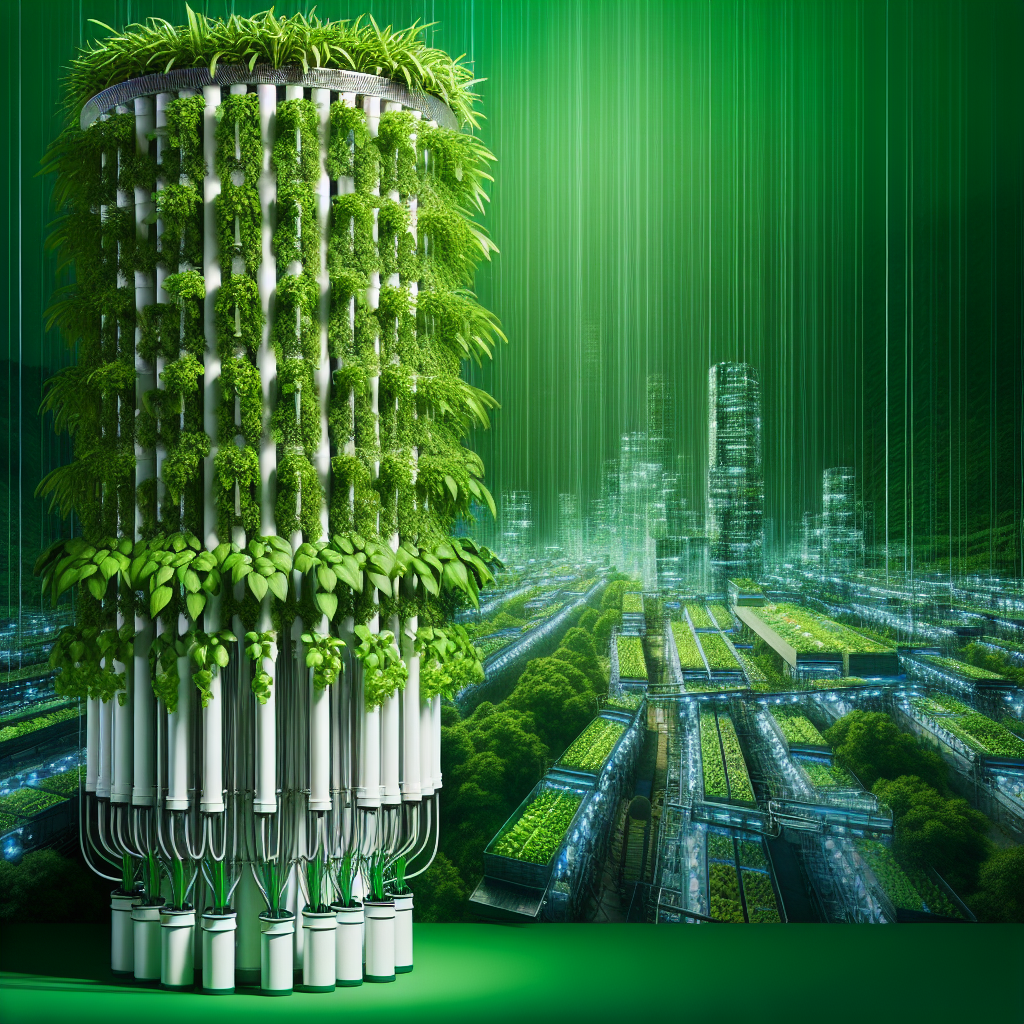
Vertical farming towers are a popular structure in which plants are vertically stacked in tower-like structures. These towers are equipped with growing mediums and irrigation systems that provide plants with the necessary support and nutrients. The vertical arrangement allows for compact and space-efficient farming, making it an ideal choice for urban agriculture. Vertical farming towers often utilize vertical hydroponic techniques such as NFT or DWC to maximize productivity.
Vertical Wall Systems
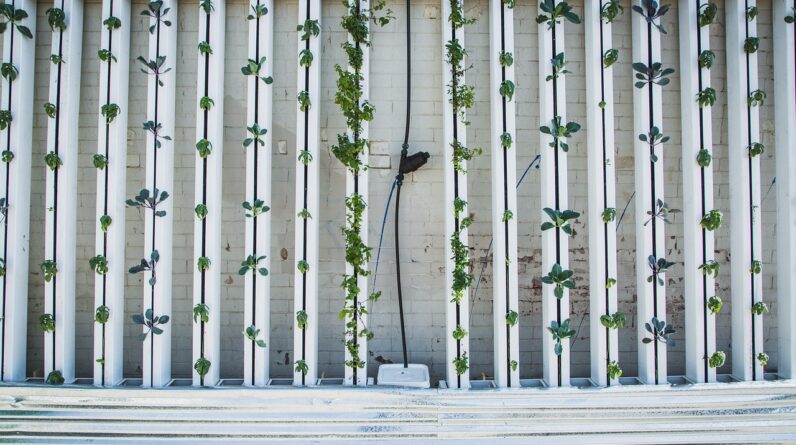
Vertical wall systems are another innovative approach to vertical hydroponic farming. This design involves mounting plants on vertical walls, utilizing vertical space that is typically underutilized. The plants are grown in specialized containers or hanging structures, with nutrient solutions delivered through drip irrigation or other methods. Vertical wall systems are aesthetically pleasing and can transform unused vertical surfaces into productive growing areas, making them popular in urban environments.
Integrated Vertical Farming Structures
Integrated vertical farming structures are comprehensive farming systems that combine multiple components, such as lighting, automation, nutrient delivery, and climate control, into a single integrated unit. These structures often feature modular designs, allowing for scalability and flexibility. Integrated vertical farming structures streamline the entire farming process and offer a holistic solution for vertical hydroponic farming. They provide farmers with full control and optimization of all essential factors, simplifying operations and maximizing productivity.
Crop Selection and Optimization
Selection of Crops for Vertical Farming
Not all crops are suitable for vertical hydroponic farming due to their growth requirements and size. Leafy greens and herbs, such as lettuce, spinach, or basil, are popular choices for vertical farming due to their fast growth and compact sizes. Additionally, certain vine crops like tomatoes, cucumbers, and strawberries can also be successfully grown in vertical systems with proper support structures. Selecting crops suited to vertical farming ensures optimal growth and yield within the limited space available.
Crop Yield Optimization
To maximize crop yield in vertical hydroponic farming, farmers must consider several factors. These include optimizing light exposure and duration, providing adequate nutrients and water, maintaining optimal temperature and humidity levels, and managing crop density. By fine-tuning these factors, farmers can achieve higher crop densities and more efficient space utilization, ultimately leading to increased yields and profitability.
Crop Rotation and Diversification
Crop rotation and diversification are essential practices in vertical hydroponic farming to maintain healthy plants and prevent disease buildup. By rotating crops and varying plant species, farmers can reduce the risk of pest infestation and nutrient imbalances. Additionally, crop rotation helps break disease cycles and promotes soil health. Diversification also allows farmers to cater to diverse market demands and provides more stability to their business. By strategically planning crops, farmers can optimize productivity, reduce risks, and offer a wider range of fresh produce.
Challenges and Future Developments
Market Challenges
Although vertical hydroponic farming offers numerous advantages, it also comes with its share of challenges. One of the major challenges is the initial investment required for setting up the infrastructure and implementing automated systems. Additionally, the lack of standardized regulations and certifications specific to vertical farming can pose hurdles for commercial scalability. However, as the industry continues to evolve and gain traction, these challenges are being addressed, and innovative solutions are being developed.
Research and Development Efforts
The field of vertical hydroponic farming is constantly evolving, with ongoing research and development efforts focused on addressing current limitations and exploring new possibilities. Scientists and agricultural experts are working on developing optimized plant growth recipes, improving lighting technologies, enhancing automation systems, and refining crop selection criteria. This research aims to make vertical hydroponic farming more accessible, efficient, and sustainable, further unlocking its potential as a solution to future global food challenges.
Integration of AI and Machine Learning
The integration of artificial intelligence (AI) and machine learning technologies holds immense potential for the future of vertical hydroponic farming. AI-powered systems can analyze vast amounts of data collected from the farm’s various sensors and components, detecting patterns and making real-time adjustments to optimize plant growth conditions. Machine learning algorithms can learn from past data and continuously improve farming techniques, leading to increased efficiency, better crop health, and higher yields. The integration of AI and machine learning in vertical hydroponic farming represents a significant advancement in precision agriculture and sustainable food production.
In conclusion, vertical hydroponic farming offers a revolutionary approach to agriculture that addresses the limitations of traditional farming methods. With increased efficiency, water conservation, year-round cultivation, and reduced pesticide use, this innovative farming technique has the potential to transform the future of food production. Automation and control systems, lighting innovations, nutrient management, growing mediums and techniques, water management systems, vertical farming structures, and crop selection and optimization are all integral to the success of vertical hydroponic farming. As challenges are met and research and development continue to progress, vertical hydroponic farming is poised to play a vital role in ensuring sustainable and resilient food systems for a growing global population.