


So you’ve decided to give hydroponic gardening a try, but where do you start? Don’t worry, we’ve got you covered. In this article, we will be exploring the top 10 essential hydroponic gardening supplies that are crucial to your success. Whether you’re a seasoned gardener or a beginner, having the right tools and equipment is the key to achieving thriving plants and maximum yields. From grow lights and nutrient solutions to pH testers and air pumps, we’ll walk you through everything you need to get your hydroponic garden off the ground. Get ready to discover the must-have supplies that will take your gardening game to the next level and ensure a flourishing indoor garden like never before. Let’s dive in!
Hydroponic Growing Systems
Hydroponic growing systems are an innovative way of cultivating plants without soil. These systems provide an efficient and controlled environment for optimum plant growth and nutrient absorption. There are several different types of hydroponic growing systems to choose from, each offering unique advantages and techniques. Let’s explore some of the most popular ones below.
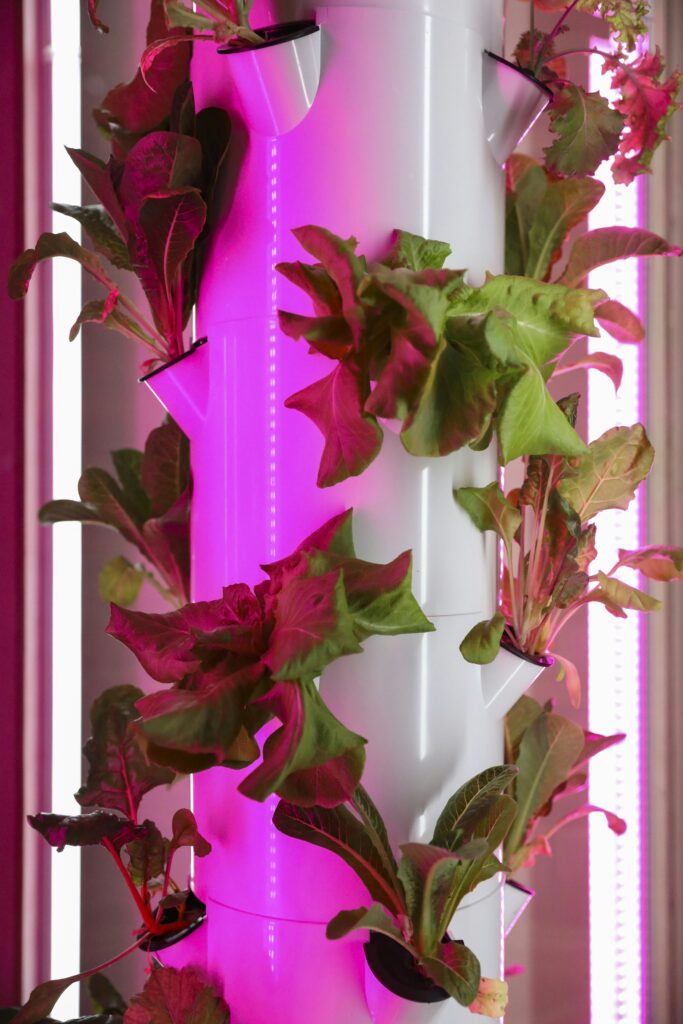
Vertical Hydroponic System
The vertical hydroponic system is perfect for those with limited space. This system maximizes vertical space by growing plants in stacked layers or towers. By utilizing gravity and a nutrient-rich solution, plants are able to thrive in a compact area. Vertical hydroponic systems are great for growing leafy greens, herbs, and smaller vegetables.
Deep Water Culture (DWC) System
The Deep Water Culture system, also known as DWC, is a simple yet effective hydroponic growing system. In this system, plants are suspended in a nutrient-rich water solution with their roots exposed. Oxygenation is achieved through the use of air pumps and air stones. DWC systems are excellent for growing larger plants such as tomatoes and cucumbers.
Drip System
The drip system is one of the most widely used hydroponic growing systems. It involves the use of a pump that delivers a nutrient solution through tubes to individual plants. The solution is dripped directly onto the plant’s roots, providing a constant supply of nutrients. Drip systems are versatile and can be used for a wide range of plant types and sizes.
Nutrient Film Technique (NFT) System
The Nutrient Film Technique system, or NFT, is a continuous flow hydroponic system. It uses a sloping channel or tube to create a thin film of nutrient solution that constantly flows over the plant’s roots. This system provides a consistent supply of nutrients and oxygen to the plants. NFT systems are well-suited for fast-growing plants like lettuce and herbs.
Ebb and Flow System
The Ebb and Flow system, also known as flood and drain, is a popular hydroponic growing system for beginners. This system involves flooding the plant’s growing tray with a nutrient solution and then allowing it to drain back into a reservoir. The periodic flooding and draining provide plants with a balance of nutrients and oxygen. Ebb and Flow systems are versatile and can accommodate a variety of plant sizes and types.
Grow Lights
Grow lights are essential for indoor hydroponic gardening as they mimic natural sunlight and provide the necessary energy for photosynthesis. There are various types of grow lights available, each with its own set of advantages and considerations.
LED Grow Lights
LED grow lights have gained popularity in recent years due to their energy efficiency and versatility. These lights emit specific wavelengths of light that can be tailored to the specific needs of different plant species and growth stages. LED grow lights are long-lasting and produce less heat, making them ideal for small hydroponic setups.
Fluorescent Grow Lights
Fluorescent grow lights have been a staple in the hydroponic community for decades. They are affordable, easy to use, and provide a broad spectrum of light that is suitable for most plant species. Fluorescent lights are efficient and produce less heat compared to traditional incandescent bulbs. They are commonly used for starting seedlings and growing leafy greens.
High-Intensity Discharge (HID) Grow Lights
HID grow lights are known for their high light intensity, making them ideal for plants in the flowering and fruiting stages. There are two main types of HID lights: metal halide (MH) and high-pressure sodium (HPS). MH lights emit a bluish light that promotes vegetative growth, while HPS lights emit a reddish light that stimulates flowering and fruiting. HID lights can generate a significant amount of heat, so proper ventilation is crucial when using them.
Grow Medium
The grow medium is the material that supports the plants’ roots and holds the nutrient solution in hydroponic systems. There are several different options available, each with its own characteristics and suitability for different plant types.
Rockwool Cubes
Rockwool cubes are a popular choice for hydroponic growers, especially for seed germination and propagation. These cubes are made from melted basalt rock and provide excellent water retention while allowing for good airflow to the roots. Rockwool cubes are pH neutral and can be easily inserted into different hydroponic systems.
Coconut Coir
Coconut coir is a natural fiber derived from coconut husks. It is a renewable and sustainable grow medium that provides good water retention and aeration. Coconut coir is pH neutral and can be used as a standalone medium or mixed with other materials like perlite or vermiculite. It is suitable for a wide range of plants and is known for its ability to reduce nutrient deficiencies.
Perlite
Perlite is a lightweight, volcanic rock that is commonly used as a grow medium in hydroponic systems. It has excellent drainage properties, ensuring that the plants’ roots receive sufficient oxygen. Perlite is pH neutral and provides good insulation against temperature fluctuations. It is often used in combination with other grow mediums to improve drainage.
Vermiculite
Vermiculite is a naturally occurring mineral that is often used as a component in hydroponic grow mediums. It has excellent water retention properties and helps maintain a stable moisture level around the roots. Vermiculite is pH neutral and provides good aeration to the roots. It is commonly used in seed starting mixes and as a top layer in hydroponic systems.
Nutrients
Nutrients are essential for the growth and development of plants in hydroponic systems. While water alone can provide some nutrients, a balanced nutrient solution is necessary for optimal plant health. Hydroponic nutrients are typically divided into three categories: macronutrients, secondary nutrients, and micro nutrients.
Macronutrients (NPK)
Macronutrients are the primary nutrients required in larger quantities by plants. They include nitrogen (N), phosphorus (P), and potassium (K), often referred to as NPK. Nitrogen promotes leafy growth, phosphorus aids in root development and flower production, and potassium contributes to overall plant health and disease resistance. Macronutrients are crucial for plant growth and should be provided in the proper ratios according to the specific needs of the plants being grown.
Secondary Nutrients
Secondary nutrients are required in smaller quantities by plants but are still essential for their growth and development. These nutrients include calcium (Ca), magnesium (Mg), and sulfur (S). Calcium is crucial for cell wall structure, magnesium is necessary for chlorophyll production, and sulfur plays a role in enzyme activation. While secondary nutrients are not required in the same quantities as macronutrients, their deficiencies can still have a significant impact on plant health.
Micro Nutrients
Micro nutrients, also known as trace elements, are required in very small amounts by plants. These include iron (Fe), manganese (Mn), zinc (Zn), copper (Cu), molybdenum (Mo), and boron (B). Micro nutrients play essential roles in various plant processes, such as enzyme activation and nutrient uptake. While micro nutrient deficiencies are relatively rare in hydroponic systems, they can still occur and should be addressed to ensure optimal plant growth.
pH Testing Kit
Maintaining the proper pH level in a hydroponic system is crucial for nutrient uptake and plant health. pH stands for “potential of hydrogen” and measures the acidity or alkalinity of the nutrient solution. Most plants prefer a slightly acidic pH range between 5.5 and 6.5. To monitor and adjust the pH level, a pH testing kit is essential.
A pH testing kit typically consists of pH test strips or a liquid pH indicator solution and a color chart. By using the kit, you can regularly test the pH of the nutrient solution and make any necessary adjustments to keep it within the optimal range. Monitoring and adjusting the pH level ensures that plants can effectively absorb nutrients and prevents nutrient deficiencies or toxicities.
pH Adjusters
In hydroponic systems, pH adjusters are used to bring the pH level of the nutrient solution within the desired range. There are two main types of pH adjusters: pH up and pH down.
pH Up
pH up solutions are used to increase the pH of the nutrient solution when it is too acidic. These solutions are typically alkaline substances such as potassium hydroxide or sodium bicarbonate. By adding a small amount of pH up to the nutrient solution, you can gradually raise the pH level and bring it within the optimal range for plant uptake.
pH Down
pH down solutions, on the other hand, are used to decrease the pH of the nutrient solution when it is too alkaline. These solutions are usually acidic substances such as phosphoric acid or citric acid. By adding a small amount of pH down to the nutrient solution, you can gradually lower the pH level and bring it within the optimal range for plant uptake.
It is important to adjust the pH level slowly and cautiously, as drastic changes can shock the plants’ roots and affect their overall health. Regular monitoring and adjustments with pH up or pH down solutions ensure that the nutrient solution remains within the optimal range for optimal plant growth.
Watering System
A reliable watering system is essential for delivering the nutrient solution to the plants in a hydroponic system. It ensures that plants receive a consistent supply of water and nutrients for healthy growth. There are several components that make up a hydroponic watering system.
Water Pump
A water pump is the heart of the watering system, responsible for moving the nutrient solution from the reservoir to the plants. It creates the necessary pressure to deliver the solution through tubing or pipes to the growing trays or containers. Choosing the right water pump depends on the size of your hydroponic setup and the number of plants you plan to grow.
Reservoir
The reservoir is a container that holds the nutrient solution. It should be large enough to provide an ample supply of solution for your plants and allow for easy access when refilling or adjusting the nutrient concentration. The reservoir should be lightproof to prevent algae growth and equipped with a lid or cover to minimize evaporation.
Tubing
Tubing is used to transport the nutrient solution from the reservoir to the plants. It should be made of food-grade materials that are resistant to chemical reactions and have a smooth inner surface to prevent clogging. Tubing sizes may vary depending on the water pump’s output and the distance between the reservoir and the growing trays or containers.
Misters
Misters are small nozzles or sprayers that disperse the nutrient solution in the form of a fine mist. They ensure even distribution of the solution over the plants’ roots and help maintain optimal moisture levels. Misters should be adjustable to control the spray pattern and should be cleaned regularly to prevent clogging.
A well-designed watering system ensures that plants receive the right amount of water and nutrients, preventing under or overwatering and promoting healthy growth.
pH and EC Meters
pH and EC (electrical conductivity) meters are essential tools for monitoring the nutrient solution’s pH level and overall nutrient concentration. These meters provide accurate measurements that help you maintain the optimal conditions for plant growth.
A pH meter measures the acidity or alkalinity of the nutrient solution and displays the pH value on a digital screen. By regularly measuring and adjusting the pH level, you can ensure that plants can effectively absorb the nutrients they need. An EC meter measures the concentration of dissolved salts or nutrients in the solution. This measurement helps you monitor the overall nutrient strength and adjust the nutrient concentration as needed.
Investing in reliable pH and EC meters allows you to make informed decisions and optimize the nutrient solution’s composition. Regular monitoring and adjustments based on the measurements ensure that plants receive the proper balance of nutrients for healthy growth and development.
Temperature and Humidity Monitor
Maintaining the right temperature and humidity levels in a hydroponic system is critical for plant growth and overall health. A temperature and humidity monitor allows you to keep track of these important environmental factors.
Temperature affects plant metabolism and nutrient uptake. Most plants thrive in temperatures between 70-80°F (21-27°C). However, different plant species have specific temperature requirements, so monitoring and adjusting as necessary is crucial for optimal growth.
Humidity levels also play a role in plant transpiration and water uptake. Most plants prefer humidity levels between 40% and 60%. Monitoring the humidity helps prevent issues such as excessive moisture, which can lead to mold or fungal growth, or excessively dry conditions that can stress the plants.
A temperature and humidity monitor provides real-time data that allows you to make adjustments to your hydroponic system’s environment, ensuring that your plants have the best conditions for healthy growth.
Pruning and Training Tools
Pruning and training tools are essential for shaping and maintaining the proper structure of plants in a hydroponic system. These tools allow you to remove unwanted growth, promote air circulation, and help maximize fruit production.
Pruning Shears
Pruning shears, also known as scissors or clippers, are used to trim and shape plants. They allow for precise cuts and make it easy to remove dead or damaged foliage. Pruning shears are especially useful for maintaining the optimal spacing between plants and removing any overcrowded or diseased growth.
Training Wire
Training wire is used to gently bend or secure plant branches to create the desired shape or structure. It allows you to train plants to grow horizontally or vertically, maximizing space and light exposure. Training wire should be flexible and strong enough to support the weight of the plants without damaging them.
Plant Clips
Plant clips, also known as plant ties or plant holders, are used to support plants and prevent them from falling over or bending under the weight of their fruits. These clips are adjustable and can be easily attached to plant stems or trellises. They provide stability and allow for proper airflow around the plants.
Using pruning and training tools helps maintain the overall health and productivity of your hydroponic plants. Proper pruning and training techniques ensure optimal light exposure, air circulation, and nutrient distribution, resulting in healthier and more robust plants.
In conclusion, hydroponic gardening offers a range of benefits and allows you to grow plants efficiently and effectively without the need for soil. By understanding the different hydroponic growing systems, choosing the right grow lights, selecting suitable grow mediums, providing proper nutrients, and maintaining the necessary environmental conditions, you can create an ideal environment for your plants to thrive. With the right supplies and a little bit of knowledge, you can enjoy the rewards of successful hydroponic gardening and enjoy homegrown produce year-round.


