


So you’re interested in trying out hydroponics and wondering if using tap water is a viable option? Well, you’ve come to the right place. In this article, we’ll weigh the pros and cons of utilizing tap water for your hydroponic system. Whether you’re a seasoned hydroponics enthusiast or just starting out, understanding the effects of tap water on your plants’ growth is essential. Exciting possibilities await as we explore the benefits and limitations of using tap water in your hydroponic setup.
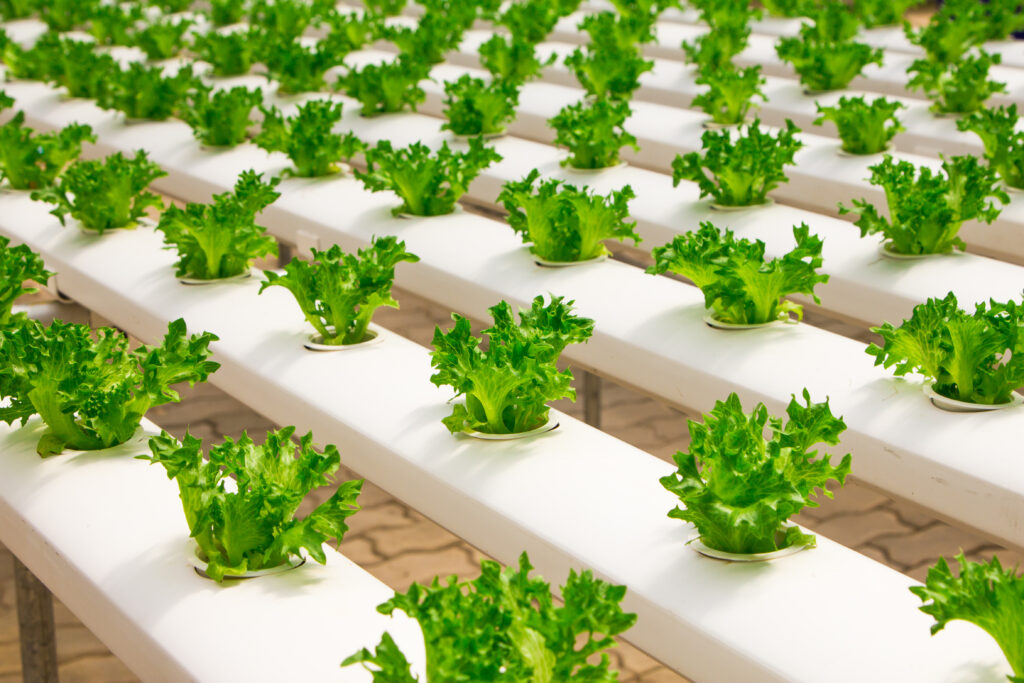
Using Tap Water for Hydroponics: Pros and Cons
Introduction
When it comes to hydroponics, the choice of water is an important consideration. Tap water, readily available in most households, is a popular option for many hydroponic growers. In this article, we will explore the pros and cons of using tap water for hydroponics and its impact on plant growth. By understanding the various factors involved, you can make an informed decision on whether tap water is suitable for your hydroponic system.

Quality of Tap Water
Varies by Location
One key aspect to consider when using tap water for hydroponics is that its quality can vary greatly depending on your location. Different municipalities might have varying sources of water, treatment processes, and levels of contamination. Therefore, it is essential to know the specifics of your local tap water quality before incorporating it into your hydroponic system.
Water Source
Tap water is typically sourced from surface water, such as lakes or rivers, or from groundwater wells. The quality of the water source can impact its mineral content and the presence of contaminants, which can influence plant growth in hydroponics.
Water Treatment Processes
Before reaching your tap, water undergoes treatment processes to remove impurities and ensure its safety for drinking. These processes may include filtration, disinfection with chlorine or chloramines, and pH adjustment. Understanding the treatment processes employed can help you assess the suitability of tap water for hydroponics.
Advantages of Using Tap Water
Convenience and Accessibility
One of the significant advantages of using tap water for hydroponics is its convenience and accessibility. Tap water is available directly from your faucet, eliminating the need to invest in additional water sources or filtration systems. It allows for easier maintenance of your hydroponic system and simplifies the overall process.
Cost-Effectiveness
Tap water is a cost-effective option for hydroponics. Unlike filtered or purified water, which often incurs additional expenses, tap water is a readily available resource that can be used without incurring extra costs. This makes it suitable for growers on a budget or those starting out in hydroponics.
Contains Essential Minerals
Many tap water sources contain essential minerals that can benefit plant growth. Calcium, magnesium, and other trace minerals are naturally present in tap water and can contribute to the overall nutrient profile provided to your plants. This aspect can ease nutrient management in hydroponics, reducing the need for additional mineral supplementation.
Promotes Healthy Microbial Activity
Tap water often contains beneficial microorganisms that can contribute to a healthy hydroponic system. These microorganisms support the development of a robust root microbiome, promoting nutrient uptake and protecting plants from harmful pathogens. By using tap water, you can harness the natural microbial potential of water to enhance the overall health of your hydroponic garden.

Disadvantages of Using Tap Water
Inconsistent Water Quality
One of the primary drawbacks of tap water for hydroponics is the potential for inconsistent water quality. As previously mentioned, tap water quality varies by location, and this inconsistency can affect plant growth. Fluctuations in mineral content, chemical composition, and contamination levels can pose challenges in maintaining optimal conditions for plant growth.
Presence of Chemicals and Contaminants
Tap water can contain chemicals and contaminants, such as pesticides, heavy metals, or pharmaceutical residues. While water treatment processes aim to remove or reduce these substances, traces may still remain. These contaminants can be detrimental to plant health and may accumulate in the hydroponic system over time.
Altered pH Levels
Tap water’s pH levels can vary depending on its source and treatment processes. Fluctuations in pH levels can affect nutrient availability, as certain nutrients are more readily absorbed at specific pH ranges. Altered pH levels in tap water can lead to imbalances in the hydroponic system, affecting nutrient uptake and overall plant growth.
Potential Toxicity
Tap water can sometimes contain high levels of certain minerals, such as sodium or chlorine, which can be toxic to plants in excessive amounts. Without proper monitoring and management, these elevated mineral levels in tap water can negatively impact plant growth and lead to nutrient imbalances.
Build-up of Salts and Minerals
Over time, the continuous use of tap water in hydroponics can lead to the build-up of salts and minerals in the system. This accumulation can cause problems such as clogged irrigation lines, reduced water uptake by plants, and increased salt toxicity. Regular monitoring and proper maintenance are crucial to prevent issues related to mineral build-up.
Impact on Nutrient Solutions
Interactions with Nutrients
Tap water interacts with the nutrient solutions used in hydroponics, affecting their composition and availability to plants. Understanding these interactions can help prevent nutrient imbalances and optimize nutrient uptake by plants.
Effects on Nutrient Availability
The mineral content of tap water can influence the availability of nutrients to plants. Some minerals in tap water can bind with nutrients in the nutrient solution, forming complexes that are less accessible to plant roots. This can lead to nutrient deficiencies or imbalances in the hydroponic system.
Precipitation and Scaling
Tap water with high mineral content, particularly in the form of calcium and magnesium, can precipitate and form scale deposits in the hydroponic system. These deposits can clog irrigation lines, hinder nutrient delivery, and reduce water flow, negatively impacting plant growth.
Algae and Slime Formation
The presence of organic matter and nutrients in tap water can promote the growth of algae and the formation of slime in the hydroponic system. Algae growth can compete with plants for nutrients and light, potentially weakening plant growth. Slime formation can clog the system, affecting root health and nutrient uptake.

pH Considerations
Tap Water’s Natural pH
Tap water naturally possesses a certain pH level, which can vary depending on location and treatment processes. Understanding the natural pH of tap water is essential as it affects the adjustment and maintenance of pH levels in the hydroponic system.
Effects on pH Adjustment
Altered pH levels in tap water can influence the pH adjustment process in hydroponics. Depending on the starting pH of tap water, more or less pH adjustment may be required to maintain the desired pH range for optimal nutrient uptake by plants. Monitoring and regular adjustment are necessary to prevent pH imbalances that can hinder plant growth.
Buffering Capacity
Tap water’s buffering capacity refers to its ability to resist changes in pH. Higher buffering capacity in tap water can make it more resistant to pH adjustments, requiring additional pH buffers or acidifying agents during hydroponic cultivation. The buffering capacity should be considered when managing pH levels in a hydroponic system using tap water.
Mineral Content
Determining Mineral Composition
Understanding the mineral composition of tap water is crucial for maintaining nutrient balance in hydroponics. Conducting water analysis or referring to water quality reports from your local municipality can provide valuable insights into the specific minerals present in your tap water.
Mineral Imbalances
Tap water mineral imbalances can occur, potentially leading to nutrient deficiencies or toxicities in plants. By identifying any imbalances in mineral composition, adjustments can be made to the nutrient solution to provide a balanced and optimal growing environment for plants.
Correcting Mineral Deficiencies or Excess
If tap water lacks certain essential minerals or contains excessive amounts of detrimental minerals, adjustments can be made to the nutrient solution. Supplementing with specific mineral compounds can correct deficiencies or mitigate the adverse effects of excessive minerals, helping to ensure healthy plant growth in hydroponics.
Chlorine and Chloramines
Presence in Tap Water
Chlorine and chloramines are commonly used disinfectants in water treatment processes. Their presence in tap water can have implications for hydroponic systems, as they can affect plant health and the efficacy of beneficial microorganisms.
Detoxification Methods
Before incorporating tap water into a hydroponic system, it is essential to remove or neutralize chlorine and chloramines. Various methods, such as using activated carbon filters or allowing water to sit exposed to air, can help detoxify tap water and make it suitable for hydroponics.
Effects on Plants
Chlorine and chloramines can have adverse effects on plants, potentially harming root health and reducing nutrient uptake efficiency. By effectively removing or neutralizing chlorine and chloramines, the negative impacts on plant growth can be minimized, ensuring healthier and more productive plants.
Effects on Plant Growth
Overall Plant Health
The quality of water used in hydroponics, including tap water, plays a significant role in overall plant health. Consistently providing clean, balanced water can contribute to vigorous growth, strong root development, and improved disease resistance.
Yield and Productivity
Using tap water in hydroponics can have an impact on crop yield and productivity. Consistency in water quality and nutrient uptake by plants can lead to optimal growth conditions, resulting in higher yields and improved crop quality.
Nutrient Uptake Efficiency
Tap water composition and pH levels can influence nutrient uptake efficiency in hydroponics. The presence of essential minerals and proper adjustment of pH levels can enhance nutrient availability and uptake, maximizing the efficiency of nutrient delivery to plants.
Resistance to Diseases and Pests
Maintaining a healthy hydroponic system, supported by clean tap water, can promote plant vigor and resistance to diseases and pests. By providing favorable growing conditions, plants are better equipped to defend against pathogens, leading to reduced disease incidence and improved overall plant resilience.
In conclusion, tap water can be usefully employed in hydroponic systems, offering convenience, accessibility, and cost-effectiveness. However, it is crucial to understand and address the potential disadvantages, including inconsistent water quality, the presence of chemicals and contaminants, altered pH levels, potential toxicity, and the build-up of salts and minerals. Proper monitoring, adjustments, and maintenance can ensure successful hydroponic cultivation with tap water, facilitating healthy plant growth and optimal yields.


