


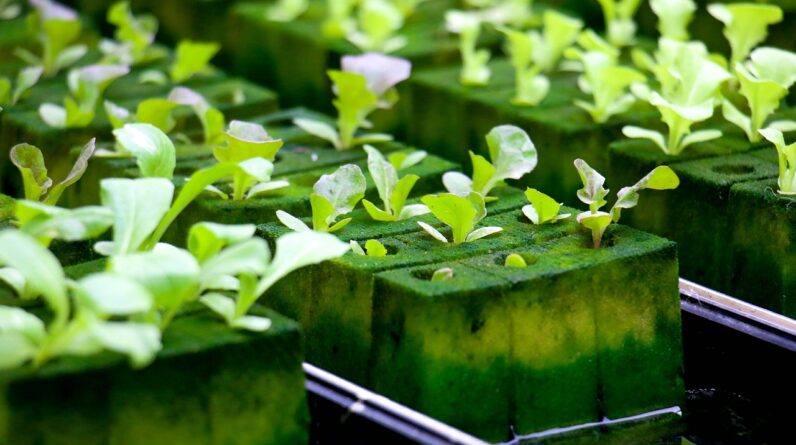
Imagine a world where fresh produce is available year-round, even in the coldest of climates. Picture lush green gardens with nutrient-rich plants thriving without the need for soil. This is the world of hydroponic gardening, a method that involves growing plants in a water-based, nutrient-rich solution. But can this innovative technique be scaled up to meet the demands of commercial farming? In this article, we will explore the viability of hydroponic gardening on a commercial scale and discover how this sustainable and efficient method may revolutionize the way we grow and consume food.
Overview of hydroponic gardening
Definition of hydroponic gardening
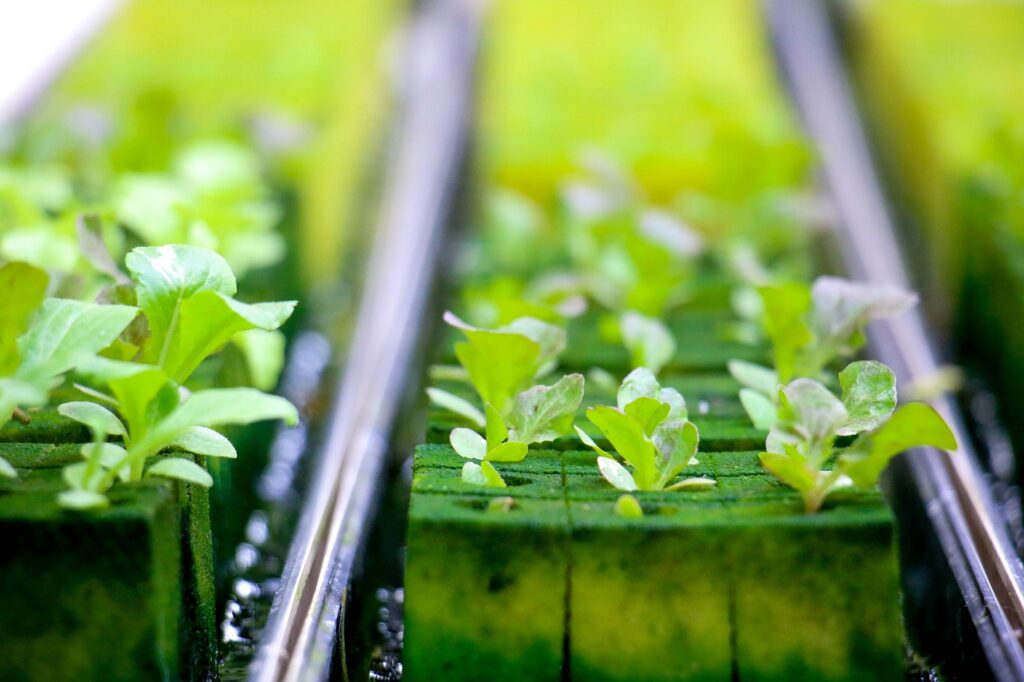
Hydroponic gardening is a method of growing plants without soil, using a nutrient-rich water solution as the growing medium. This innovative agriculture technique allows plants to receive all the necessary nutrients directly in their root systems, leading to faster growth and higher crop yields compared to traditional soil-based gardening methods.
Benefits of hydroponic gardening
Hydroponic gardening offers numerous benefits that make it a viable option for commercial-scale production. Firstly, it allows for year-round cultivation, regardless of weather or seasonal limitations. This gives farmers the ability to have a consistent supply of fresh produce, which is crucial in meeting the demand for food. Additionally, hydroponic gardening requires significantly less water compared to traditional gardening methods, making it a more sustainable choice. The controlled environment of hydroponics also reduces the need for pesticides and herbicides, resulting in healthier and safer crops. Finally, hydroponic gardens can be established in urban areas, utilizing vertical farming techniques to maximize limited space and bring fresh produce closer to consumers.
Importance of commercial-scale gardening
Meeting increasing demand for food
As the global population continues to grow, the demand for food is increasing at an unprecedented rate. Commercial-scale hydroponic gardening provides a solution to meet this rising demand by allowing for higher crop yields and more efficient use of resources. With hydroponics, food production can be optimized and localized, reducing the reliance on long-distance transportation and minimizing food waste.
Reducing land and water usage
Traditional agricultural practices require vast amounts of land and water resources. However, hydroponic gardening eliminates the need for a large land area as it can be implemented vertically or in controlled environments. Furthermore, hydroponics uses up to 90% less water compared to traditional soil-based cultivation, making it a sustainable and environmentally friendly alternative.
Minimizing transportation costs
One challenge of traditional farming is the transportation of produce from rural areas to urban centers. This not only incurs transportation costs but also contributes to greenhouse gas emissions. By implementing commercial-scale hydroponic gardens in urban areas, the distance between production and consumption is minimized, reducing transportation costs and environmental impact.

Considerations for commercial hydroponic gardening
Initial setup costs
While hydroponic gardens offer long-term benefits, the initial setup costs can be substantial. It requires investment in infrastructure such as greenhouses, grow lights, irrigation systems, and nutrient delivery systems. However, the return on investment can be significant in terms of increased crop yields and reduced resource usage.
Infrastructure requirements
Commercial-scale hydroponic gardening requires proper infrastructure to create a controlled environment and provide plants with optimal growing conditions. This includes climate control systems, proper lighting, adequate ventilation, and irrigation systems. It is crucial to ensure that the infrastructure is well-maintained to prevent potential issues and ensure optimal plant growth.
Availability of resources
For successful commercial hydroponic gardening, a reliable source of quality water and nutrients is essential. Access to clean water sources and a sufficient supply of nutrients is crucial to support the growth and development of plants. Additionally, the availability of suitable land or space for constructing hydroponic gardens should be considered.
Expertise and labor requirements
Managing a commercial-scale hydroponic garden requires a certain level of expertise and specialized knowledge. Proper understanding of plant physiology, nutrient management, pest and disease control, and system maintenance is necessary. Additionally, sufficient labor resources are essential for day-to-day operations, maintenance, and harvest.
Factors affecting the viability of hydroponic gardening
Market demand for hydroponic produce
To ensure the viability of commercial hydroponic gardening, it is important to consider the market demand for hydroponically grown produce. Conducting market research and identifying potential customer segments that value fresh, locally grown, and pesticide-free produce can help determine the profitability of hydroponic farming.
Economic feasibility
Commercial-scale hydroponic gardening requires careful financial evaluation to assess its economic feasibility. Factors such as crop selection, yield projections, operational costs, and potential revenue must be analyzed to determine if the investment will yield profitable returns. Collaboration with agricultural economists and financial advisors can help assess the economic viability of a commercial hydroponic venture.
Legal and regulatory considerations
Before implementing a commercial hydroponic garden, it is essential to understand and comply with relevant legal and regulatory requirements. These may include obtaining permits, adhering to food safety regulations, and complying with zoning and building codes. In some regions, hydroponic gardening may also be subject to specific agricultural regulations.
Environmental sustainability
One of the key factors in the viability of hydroponic gardening is its environmental sustainability. While hydroponic gardens consume less water and have the potential to reduce the use of pesticides, it is important to consider the environmental impact of the entire production cycle. Assessments should be made regarding energy consumption, waste management, and the carbon footprint associated with the production and distribution of hydroponically grown produce.
Challenges and solutions in implementing commercial hydroponic gardening
Pest and disease management
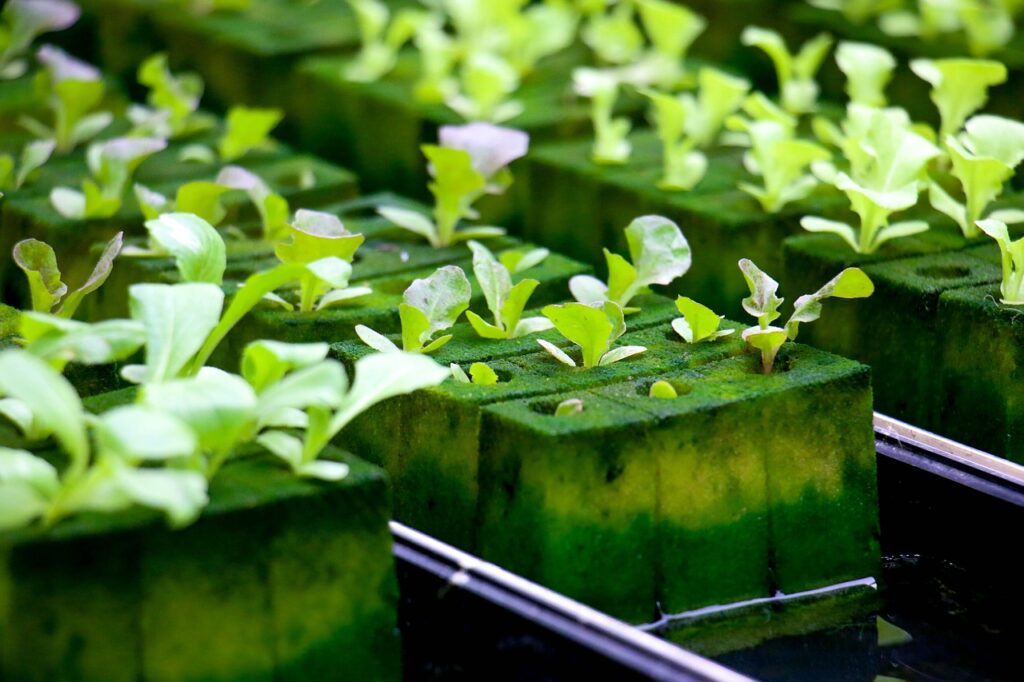
One challenge in commercial hydroponic gardening is effectively managing pests and diseases. Without the natural protection provided by soil, plants grown hydroponically can be more susceptible to certain pests and diseases. Integrated pest management (IPM) techniques, including the use of biological controls and proper sanitation practices, can help prevent and manage pest and disease issues in hydroponic gardens.
Nutrient management
Maintaining optimal nutrient levels in hydroponic systems is critical for healthy plant growth. Frequent monitoring of nutrient levels and pH is necessary to prevent deficiencies or toxicities. Implementing a well-designed nutrient management plan, including the use of balanced nutrient solutions and nutrient testing, can help ensure that plants receive the required nutrients for optimal growth.
Automation and technology
To maximize efficiency and productivity in commercial hydroponic gardens, automation and technology play a crucial role. Automated systems can manage environmental conditions, nutrient delivery, and irrigation schedules, reducing the labor requirements and minimizing the risk of human error. Additionally, advanced technologies such as sensors, artificial intelligence, and data analytics can optimize crop management and enable data-driven decision-making.
Marketing and distribution
Successfully marketing and distributing hydroponically grown produce is essential for commercial viability. Educating consumers about the benefits of hydroponic gardening, such as superior quality, year-round availability, and sustainable production practices, can help create a demand for hydroponic produce. Building relationships with local retailers, restaurants, and farmers’ markets is crucial for effective distribution and expanding market reach.
Successful examples of commercial hydroponic gardening
Vertical farms in urban areas
Vertical farms, utilizing hydroponic systems, have gained popularity in urban areas. These innovative farms grow crops vertically, utilizing available vertical space to maximize production. By integrating hydroponic gardening with vertical farming techniques, it becomes possible to grow large quantities of produce in urban areas, bringing local and fresh food to urban dwellers.
Large-scale hydroponic systems in arid regions
In arid regions where water is scarce, large-scale hydroponic systems have proven to be successful. By efficiently utilizing water through recirculating systems and reducing evaporation losses, hydroponic gardens offer a sustainable solution for growing crops in regions faced with water scarcity. This allows farmers to take advantage of otherwise non-fertile land and mitigate the impact of water scarcity on crop production.
Case studies: Viability of hydroponic gardening on a commercial scale
Study 1: Cost-effectiveness analysis
A comprehensive cost-effectiveness analysis was conducted to evaluate the viability of commercial hydroponic gardening in an urban setting. The study analyzed initial setup costs, operational expenses, crop yields, and potential revenue streams. The results showed that despite the higher initial investment, the increased crop yields and reduced resource usage resulted in a favorable return on investment and long-term profitability.
Study 2: Environmental impact assessment
An environmental impact assessment was conducted to evaluate the sustainability of commercial hydroponic gardening compared to traditional farming practices. The study assessed energy consumption, water usage, pesticide usage, and carbon footprint. The results indicated that hydroponic gardens had a significantly lower environmental impact, with reduced water usage, minimal pesticide requirements, and lower carbon emissions.
Future prospects of commercial hydroponic gardening
Advancements in technology and research
Continued advancements in technology and research hold great potential for the future of commercial hydroponic gardening. Innovations in automation, artificial intelligence, and data analytics can further optimize resource usage, improve crop yields, and enhance overall efficiency. Ongoing research in plant nutrition and genetics can also lead to the development of specialized cultivars that are better suited for hydroponic systems.
Integration with sustainable energy sources
As the world moves towards sustainable energy sources, integrating commercial hydroponic gardening with renewable energy can further enhance its viability. Utilizing solar or wind power for lighting, heating, and irrigation can reduce operating costs and environmental impact. The synergy between hydroponic gardening and sustainable energy sources can contribute to a more environmentally friendly and economically viable future.
Expansion into new markets
Commercial hydroponic gardening has the potential to expand into new markets, both domestically and internationally. As consumers become more conscious of the importance of fresh and healthy produce, the demand for hydroponically grown crops is likely to increase. Exploring new markets and building partnerships with retail chains, restaurants, and food service providers can drive the growth of the hydroponic industry and increase its commercial viability.
Conclusion
Commercial-scale hydroponic gardening offers a promising solution to meet the increasing demand for food, reduce land and water usage, and minimize transportation costs. While there are initial setup costs and considerations, the benefits of hydroponics, such as year-round cultivation, resource efficiency, and improved crop quality, make it a viable option for sustainable and profitable commercial farming. By addressing challenges, leveraging technology, and continuously advancing research, the future prospects of commercial hydroponic gardening are bright. Through the integration of sustainable practices, technological advancements, and market expansion, hydroponic gardens can play a significant role in shaping the future of agriculture.
References
-
Gull, A., Razzaq, A., Khan, M. A., Khan, S., & Ali, H. (2020). Hydroponic Sustainable Agriculture: An Eco-Friendly Approach. In 2020 International Conference on Computer and Information Sciences (ICCIS) (pp. 636-641). IEEE.
-
Kumar, V., & Tripathi, D. (2019). A Review on Prospects of Hydroponic Farming System. International Journal of Chemical Studies, 7(6), 2400-2402.
-
Pantanella, E., Cardarelli, M., & Colla, G. (2020). Hydroponic systems and water management in aquaponic and hydroponic cultivation. In Hydroponics-Modern Technology for Industry and Education (pp. 33-50). IntechOpen.


