



Imagine having your own garden, lush and vibrant, right in the comfort of your own home. No need to worry about pests, unpredictable weather, or limited space. With indoor hydroponic gardening systems, you can cultivate your favorite plants and vegetables all year round, regardless of the season or climate. These innovative systems use nutrient-rich water instead of soil, providing a controlled environment where plants can thrive. Not only do they produce healthier and more abundant crops, but they also promote sustainability by conserving water and reducing the need for harmful pesticides. Discover the endless benefits of indoor hydroponic gardening systems and embark on a journey of gardening like never before.

Improved Plant Growth
Year-round cultivation
With indoor hydroponic gardening systems, you have the ability to cultivate plants all year round, regardless of the external climate. Traditional gardening methods are limited by seasonal changes, which can hinder plant growth and crop yield. By bringing your garden indoors, you can create a controlled environment that mimics optimal growing conditions, providing your plants with a constant climate that promotes healthy growth throughout the entire year.
Faster growth rates
One of the key advantages of indoor hydroponic gardening systems is the ability to achieve faster growth rates compared to traditional gardening methods. By providing plants with a nutrient-rich solution directly to their roots, without the need for soil, you can ensure that they receive all the important nutrients they need to thrive. This allows plants to allocate more energy towards growth rather than searching for nutrients in the soil, resulting in accelerated growth rates and earlier harvests.
Higher crop yield
Indoor hydroponic gardening systems have been proven to produce higher crop yields compared to traditional gardening methods. With precise control over nutrient levels, humidity, lighting, and other environmental factors, you can optimize the growing conditions for your plants, ensuring they have everything they need for optimal growth and productivity. This increased efficiency and yield make indoor hydroponic gardening an attractive option for those looking to maximize their harvests and make the most of their growing space.
Water Conservation
Reduced water usage
Traditional gardening methods often require large amounts of water, with a significant portion being lost due to evaporation or runoff. Indoor hydroponic gardening systems, on the other hand, are designed to be highly water-efficient. By circulating a nutrient-rich solution directly to the plant roots, you can minimize water waste and ensure that every drop is utilized by the plants. This reduction in water usage not only helps to conserve this precious resource but also leads to significant cost savings in the long run.
Less water wastage
Indoor hydroponic gardening systems also minimize water wastage compared to traditional gardening methods. With the absence of soil, there is no risk of water draining away or being absorbed by the ground, which means that every drop of water provided to the plants can be fully utilized. Furthermore, the closed-loop system of hydroponics allows for easy collection and recirculation of excess water, minimizing waste and ensuring that it can be reused for future irrigation. This efficient water management system is not only beneficial for the environment but also helps to create a sustainable gardening practice.

Nutrient Management
Precise nutrient control
Indoor hydroponic gardening systems provide precise control over nutrient levels, allowing you to tailor the nutrient solution to the specific needs of your plants. With traditional gardening methods, it can be challenging to accurately determine the nutrient requirements of different plants and ensure that they receive the appropriate balance of essential elements. However, with hydroponics, you can easily adjust the nutrient solution composition, monitoring and optimizing the nutrient levels to match the specific growth stage or requirements of each plant. This precise nutrient control enhances plant health, growth, and overall productivity.
Optimal nutrient absorption
In traditional gardening, plants obtain nutrients from the soil, which can lead to uneven nutrient distribution. However, indoor hydroponic gardening systems provide an optimized growing medium that delivers nutrients directly to the plant roots. This eliminates the need for the plants to search for nutrients, ensuring optimal absorption and utilization. By providing a nutrient-rich solution directly to the roots, you can guarantee that your plants are receiving the necessary elements for healthy growth, promoting robust root development, and maximizing nutrient uptake efficiency.
Pest and Disease Control
Limited exposure to pests
Indoor hydroponic gardening systems offer enhanced pest control compared to traditional gardening methods. By keeping your plants indoors, you significantly reduce the risk of pest infestations. Pests such as insects, mites, and rodents can be kept at bay, as they are less likely to be attracted to your indoor garden. This means that you can enjoy healthy, pest-free plants without the need for harmful pesticides or insecticides, creating a safer and more environmentally-friendly gardening experience.
Reduced risk of soil-borne diseases
Soil-borne diseases can pose a significant threat to plant health and productivity. However, indoor hydroponic gardening systems eliminate this risk altogether. Without the use of soil, there is no contact between the plants and potential disease-causing organisms present in the ground. This greatly reduces the likelihood of soil-borne diseases affecting your crops, allowing you to grow healthier plants and avoid the devastating impact of diseases such as root rot, damping-off, or fungal infections. By maintaining a clean and sterile environment, you can ensure the long-term health and vitality of your plants.

Space Efficiency
Vertical gardening
Indoor hydroponic gardening systems excel in utilizing space efficiently, especially when it comes to vertical gardening. With traditional gardening methods, space can be a limiting factor, particularly in urban areas or small living spaces. However, with hydroponics, you can grow plants vertically, effectively stacking them on top of each other. This vertical gardening technique maximizes the use of available space, allowing you to cultivate a larger quantity of plants in a compact area. Whether you have a balcony, a small backyard, or even just a wall, vertical gardening with hydroponics offers limitless possibilities for growing your favorite plants.
Utilization of small spaces
In addition to vertical gardening, indoor hydroponic gardening systems allow for efficient utilization of small spaces in various ways. For example, hydroponic systems can be designed to fit perfectly on countertops, windowsills, or even in small dedicated gardening areas within your home. These compact setups can accommodate a wide range of plants, from herbs and vegetables to decorative flowers, making it easy to enjoy the benefits of gardening even in limited spaces. With careful planning and design, you can transform any corner of your home into a thriving indoor garden, creating a green oasis regardless of the available space.
No Soil Dependence
Elimination of soil-related issues
Traditional gardening methods heavily rely on soil, which can present numerous challenges. Issues such as poor soil quality, nutrient imbalances, soil erosion, or contaminated soil can hinder plant growth and limit productivity. However, indoor hydroponic gardening systems eliminate these soil-related issues entirely. By growing plants without soil, you remove the need for these concerns, as the plants receive all their essential nutrients directly from the nutrient solution. This allows you to customize the growing medium, ensuring optimal conditions for your plants and freeing them from the limitations and risks associated with soil-based cultivation.
Growing in unconventional environments
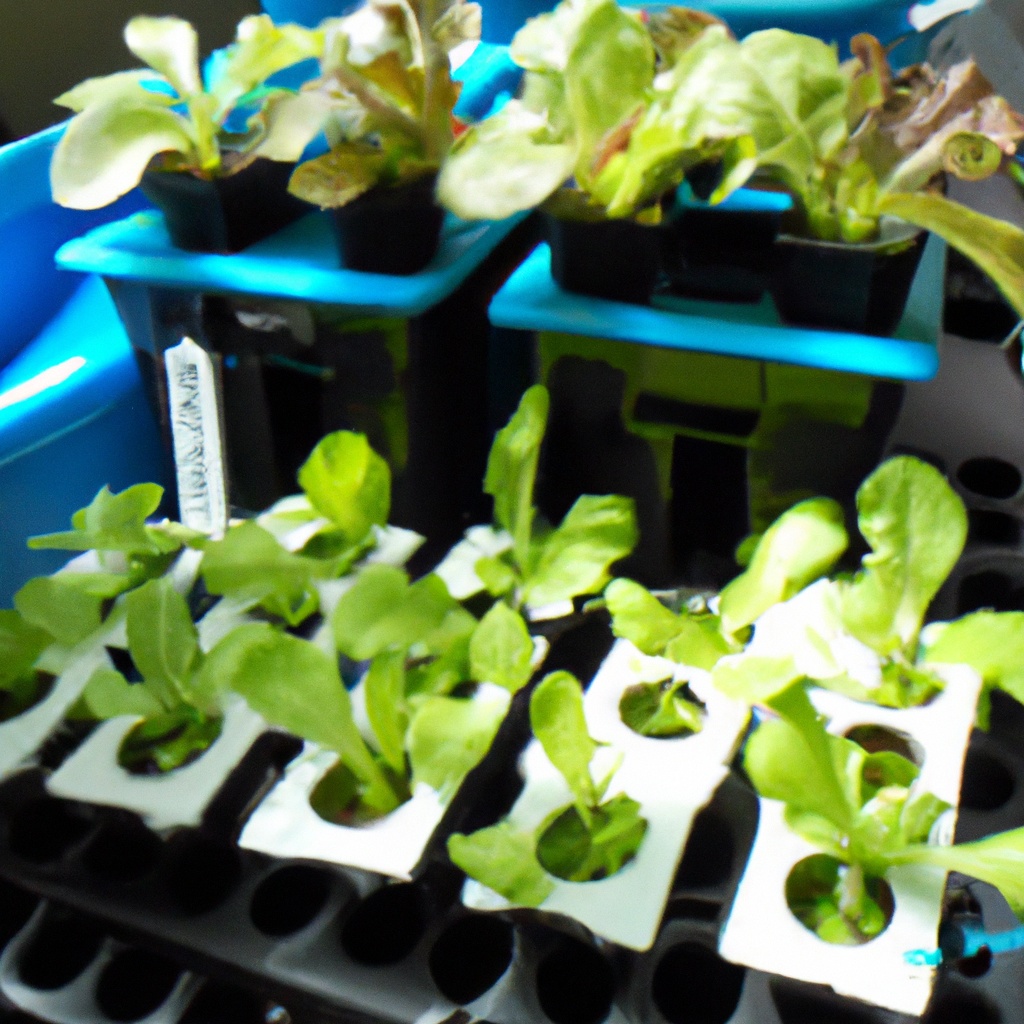
Another remarkable advantage of indoor hydroponic gardening systems is the ability to grow plants in unconventional environments. Whether you live in a region with extreme climates, such as deserts or arctic areas, or lack access to arable land, hydroponics offers a solution. By bringing your garden indoors, you can establish a suitable growing environment regardless of the external conditions. This opens up exciting possibilities for cultivating plants that would otherwise struggle to survive in your particular region or in challenging natural environments. From tropical fruits in a cold climate to delicate orchids in a dry desert, hydroponics empowers you to conquer the limits of traditional gardening and explore new frontiers of plant cultivation.
Reduced Environmental Impact
Lower carbon footprint
Indoor hydroponic gardening systems contribute to reducing the carbon footprint associated with traditional agriculture. By eliminating the need for large-scale land clearing, soil preparation, and transportation of goods, hydroponics offers a more sustainable alternative. Additionally, by growing plants indoors, you have the opportunity to implement energy-efficient lighting systems, such as LED lights, which consume less electricity compared to traditional lighting methods. This reduction in energy consumption helps to minimize greenhouse gas emissions, making hydroponics a greener choice for environmentally-conscious gardeners.
Minimized chemical usage
Traditional gardening often requires the use of chemical fertilizers, pesticides, and herbicides to maintain plant health and combat pests. Unfortunately, these chemicals can have detrimental effects on the environment, contaminating soil, water sources, and surrounding ecosystems. Indoor hydroponic gardening systems significantly reduce the need for chemical usage. By providing plants with a nutrient-rich solution tailored to their specific needs, you eliminate the reliance on synthetic fertilizers. Additionally, the controlled indoor environment minimizes the risk of pests and diseases, reducing the need for harmful pesticides or herbicides. This eco-friendly approach to gardening ensures that you can enjoy the benefits of a bountiful harvest while minimizing your impact on the environment.
Easy Maintenance
Less weeding and tilling
One of the most appealing aspects of indoor hydroponic gardening systems is the reduced maintenance required compared to traditional gardening methods. With hydroponics, there is no need to weed or till the soil, as the plants grow in a soil-less medium. This alleviates the tedious and time-consuming task of removing weeds that compete with your plants for water and nutrients. Without the presence of soil, there are no opportunities for weeds to take root and wreak havoc on your garden. This means less time spent on maintenance and more time to enjoy the abundance of your indoor garden.
Ease of monitoring and adjustments
Indoor hydroponic gardening systems provide the advantage of easy monitoring and adjustments to optimize plant growth. The controlled indoor environment allows you to closely observe the plants, ensuring their well-being and timely intervention if any issues arise. The absence of soil also makes it easier to monitor nutrient levels and pH, as you can directly test the nutrient solution. Should any imbalances occur, adjustments can be made swiftly to provide the plants with optimal conditions. This proactive approach to gardening enables you to address potential problems before they escalate, resulting in healthier and more productive plants.
Enhanced Control over the Growing Environment
Temperature and humidity control
Maintaining consistent temperature and humidity levels is crucial for plant growth and development. Indoor hydroponic gardening systems offer precise control over these environmental factors, allowing you to create an ideal growing climate for your plants. By adjusting temperature and humidity settings, you can provide your plants with optimal conditions, ensuring they thrive and flourish. Whether you are cultivating tropical plants or temperate crops, you have the ability to recreate the perfect environment year-round, regardless of the external weather conditions.
Controlled lighting for photosynthesis
Light is essential for photosynthesis, the process by which plants convert light energy into chemical energy, fueling their growth. Indoor hydroponic gardening systems enable you to have complete control over the lighting conditions for your plants. By utilizing artificial lighting systems, such as specialized grow lights, you can tailor the light intensity, duration, and spectrum to meet the specific needs of your plants. This control over lighting ensures that your plants receive sufficient light for photosynthesis, regardless of seasonal changes or limited natural light availability. By providing the ideal light conditions, you can promote healthy growth, high yields, and vibrant colors in your indoor garden.
Aesthetic Appeal
Indoor garden decor
Indoor hydroponic gardening systems not only provide a sustainable way to grow plants but also offer the opportunity to enhance your indoor space with stunning garden decor. Your indoor garden can become a statement piece, adding a touch of nature and beauty to your home. With a wide variety of plants to choose from, you can create unique arrangements, combining different colors, textures, and shapes to complement your interior design. From graceful cascading vines to vibrant flowers and exotic foliage, your indoor garden can be a visual centerpiece, enhancing the overall aesthetic appeal of your living space.
Opportunity for unique plant displays
Indoor hydroponic gardening systems offer endless possibilities for creative plant displays. With the flexibility of hydroponics, you can experiment with different setups and arrangements, showcasing your plants in innovative and eye-catching ways. From suspended gardens to living walls, you have the freedom to let your imagination run wild and transform your indoor space into a green oasis that truly reflects your personal style and taste. The unique plant displays created through hydroponics become a conversation starter, allowing you to share your passion for gardening with others and inspire them to embark on their own green journey.


