


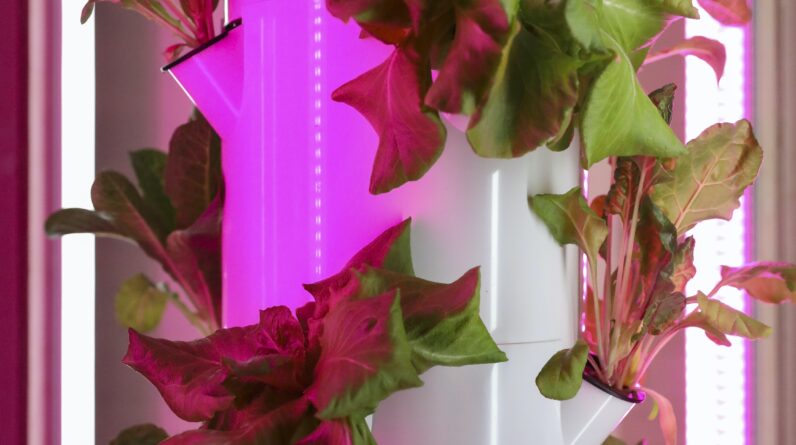
Are you intrigued by the idea of growing your own plants without soil? Look no further than the “Beginner’s Guide to Hydroponic Gardening.” This informative article is designed to help beginners navigate the world of hydroponic gardening systems, providing all the essential information you need to get started. Whether you’re curious about how hydroponics work or seeking guidance on setting up your own hydroponic garden, this guide has got you covered. Get ready to embark on a fascinating journey into the world of soilless cultivation.
What is Hydroponic Gardening?
Definition of Hydroponic Gardening
Hydroponic gardening is a method of growing plants without the use of soil. Instead, plants are grown in a nutrient-rich water solution, allowing them to receive all the necessary nutrients they need to thrive. This innovative gardening technique offers several benefits and is especially popular among beginners due to its simplicity and space-saving nature.
Benefits of Hydroponic Gardening
Hydroponic gardening offers numerous benefits that make it an attractive option for enthusiastic gardeners. Firstly, it requires significantly less space compared to traditional soil-based gardening. This makes hydroponics suitable for those with limited space, such as apartment dwellers or urban gardeners. Additionally, by omitting soil, hydroponic gardening eliminates common issues such as weeds, pests, and diseases, resulting in healthier plants. This method also allows for precise control over nutrient levels, pH, and other environmental factors, maximizing plant growth and yield. Furthermore, hydroponics uses less water compared to soil-based gardening, making it a more environmentally friendly option.
Different Types of Hydroponic Gardening Systems
There are several types of hydroponic gardening systems, each offering unique advantages and suitable for different environments or plant types. Some of the most popular systems for beginners include the nutrient film technique (NFT), deep water culture (DWC), and drip irrigation system.
The nutrient film technique (NFT) involves a shallow stream of nutrient-rich water continuously flowing over the plant roots. This system is simple and requires less water and equipment compared to other methods.
Deep water culture (DWC) is another beginner-friendly system where plants are suspended in a nutrient solution with their roots submerged. Oxygen is provided through air pumps, ensuring a constant supply of oxygen to the roots.
Drip irrigation, as the name suggests, involves dripping nutrient solution onto the plants’ roots using a network of tubes. This system is versatile and suitable for a wide range of plant types.
Choosing a Hydroponic System
Factors to Consider
When choosing a hydroponic system, several factors need to be considered to ensure successful plant growth. These factors include space availability, budget, plant type, and personal preferences. Consider the available space in your home or garden and choose a system that fits within those constraints. Evaluate your budget and select a system that offers a balance between affordability and functionality. Additionally, each plant type has different requirements for nutrient solution, lighting, and spacing, so it’s important to research and select a system that meets those needs. Finally, consider personal preferences such as the level of involvement required, maintenance demands, and complexity of the system.
Popular Hydroponic Systems for Beginners
For those new to hydroponic gardening, it is recommended to start with straightforward and beginner-friendly systems. Some popular options include the Kratky method, the water culture system, and the aeroponic system.
The Kratky method is a passive system that involves growing plants in containers with a static nutrient solution. This method requires minimal maintenance and is well-suited for beginners.
The water culture system suspends the plant’s roots in a nutrient solution, with an air pump providing oxygen through air stones. This system is easy to set up and maintain, making it ideal for newcomers to hydroponics.
The aeroponic system is a more advanced option but still accessible for beginners. It involves misting the plant roots with a nutrient solution, providing both water and oxygen to the plants. While this system requires more attention to detail, it offers excellent growth rates.
Comparing Different Hydroponic Systems
When comparing different hydroponic systems, consider factors such as ease of setup, maintenance requirements, cost, and overall efficiency. Some systems may be simpler to set up but require more frequent monitoring and adjustment, while others may have higher initial costs but offer better yields. Additionally, evaluate the space requirements and the level of control over environmental factors each system provides. By carefully considering these factors, you can choose the hydroponic system that best suits your gardening goals and resources.
Setting Up a Hydroponic Garden
Selecting a Growing Location
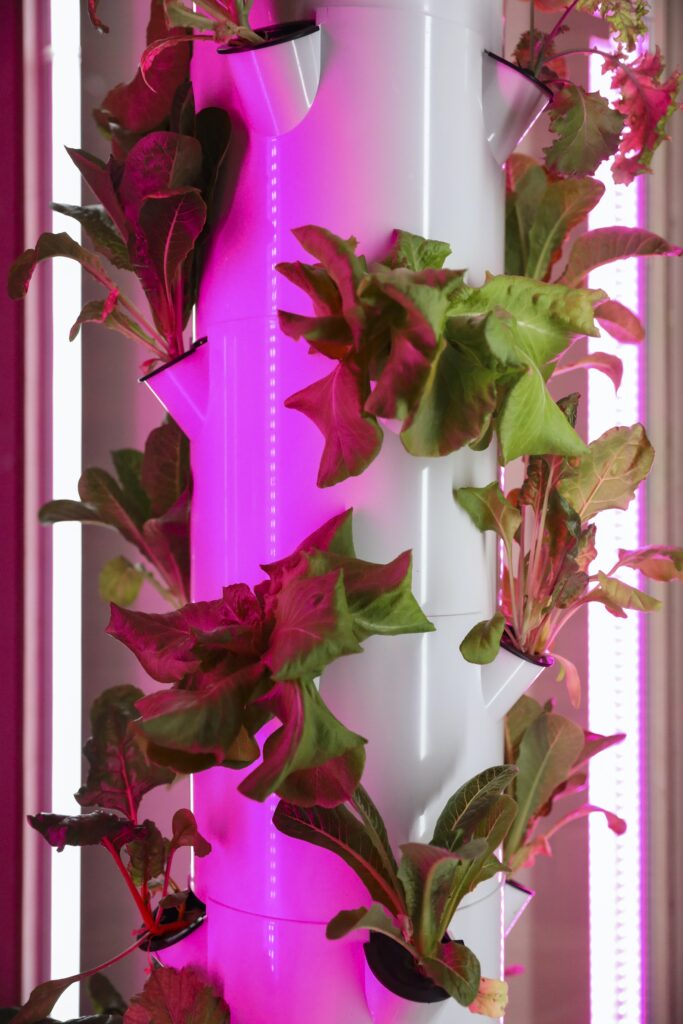
Choosing the right location for your hydroponic garden is crucial for the success of your plants. Look for a location that receives sufficient natural light or plan to supplement with appropriate grow lights. Consider factors such as temperature, humidity, and access to power outlets for the hydroponic system components. If placed indoors, ensure the area has good ventilation to maintain proper air circulation and prevent the build-up of heat or humidity.
Preparing the Growing Area
Once you have selected a suitable location, prepare the growing area for your hydroponic garden. Clean the space thoroughly and ensure it is free from dust, debris, and potential contaminants. Set up a clean work area to assemble and install the hydroponic system efficiently. Additionally, consider using a protective covering on the floor or surrounding surfaces to prevent water damage.
Installing the Hydroponic System
Follow the manufacturer’s instructions to install the chosen hydroponic system properly. This may involve setting up containers, trays, or modules, connecting tubing and pumps, and securely attaching any necessary hardware. Pay attention to the spacing requirements of your chosen plants, ensuring they have enough room to grow and access to the nutrient solution.
Managing the Nutrient Solution
Once the hydroponic system is installed, you must understand and manage the nutrient solution effectively. Monitor and maintain nutrient levels according to the specific requirements of your chosen plant species. Ensure the solution has the correct balance of macronutrients and micronutrients to support plant growth. Regularly test the pH level of the solution and make adjustments as necessary. Finally, monitor and maintain proper oxygen levels in the nutrient solution, ensuring plants receive the necessary oxygen for healthy root development.
Selecting Plants for Hydroponic Gardening
Best Plants for Hydroponic Gardening
A wide range of plants can thrive in hydroponic systems, but some are particularly well-suited for this gardening method. Leafy greens and herbs, such as lettuce, spinach, basil, and parsley, are excellent choices for beginners. These plants have relatively low nutrient requirements and grow quickly, making them ideal for hydroponics. Other popular options include tomatoes, cucumbers, peppers, and strawberries, which require slightly more complex systems but offer high yields and excellent flavor.
Factors to Consider when Choosing Plants
When selecting plants for hydroponic gardening, consider factors such as nutrient requirements, space requirements, growth rate, and overall suitability for the chosen hydroponic system. Different plants have varying needs for nutrients, so ensure you can provide the necessary balance for optimal growth. Additionally, evaluate the space restrictions of your system and choose plants that can fit comfortably. Consider the rate of growth and harvest times, as some plants may take longer to mature than others. Finally, ensure the selected plants are well-suited for the specific hydroponic system you are using.
Starting with Seedlings or Clones
In hydroponic gardening, you have the option to start with either seedlings or clones. Seedlings are young plants that have germinated from seeds, while clones are genetically identical copies of mature plants. Starting with seedlings allows you to select specific plant varieties and have more control over the growth process. It also requires a longer growing time before maturity. Clones, on the other hand, provide identical plants with faster growth and maturation but limit the selection to the available clones. Consider your goals, available resources, and personal preference when deciding whether to start with seedlings or clones.
Managing Nutrients
Understanding Plant Nutrient Requirements
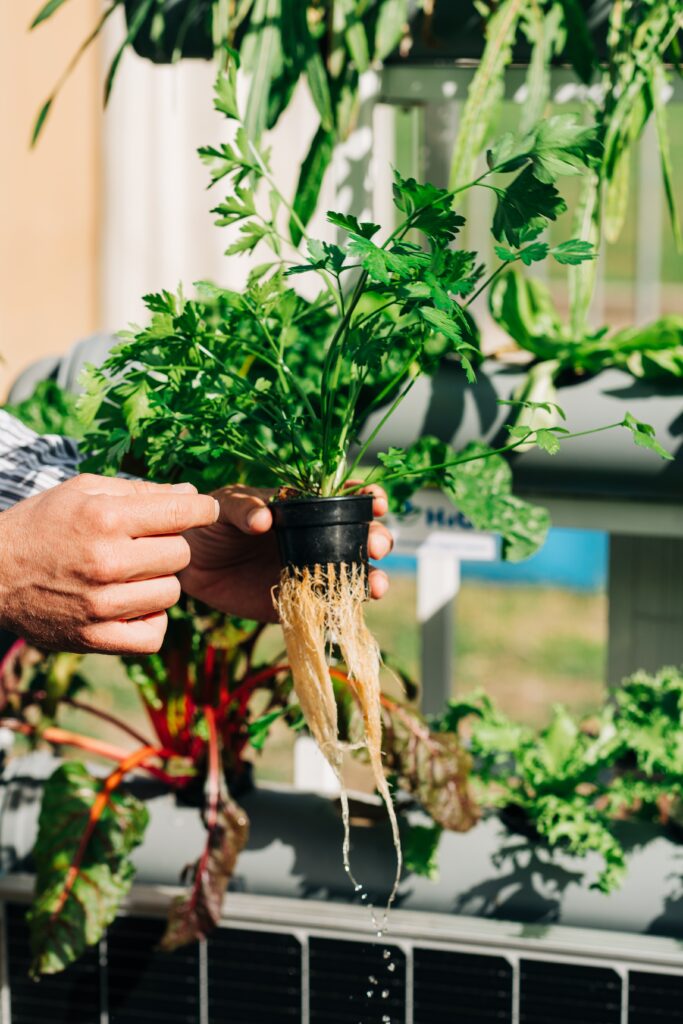
To ensure successful hydroponic gardening, it is essential to understand the nutrient requirements of plants. Macronutrients, such as nitrogen, phosphorus, and potassium, are needed in larger quantities, while micronutrients, like iron, manganese, and zinc, are essential in smaller quantities. Different plant species have varying nutrient needs, so research and tailor the nutrient solution accordingly. Regularly monitor the plant’s health and appearance to identify any deficiencies or imbalances in nutrient uptake.
Choosing the Right Nutrient Solution
Selecting the right nutrient solution for your hydroponic garden is crucial for healthy plant growth. Pre-formulated nutrient solutions are available on the market and can simplify the process for beginners. Be sure to choose a solution that matches the specific requirements of your chosen plants. Alternatively, you can formulate your own nutrient solution by combining individual salts or using hydroponic nutrient mixes. When formulating your own solution, closely follow recommended nutrient ratios and guidelines to ensure optimal plant growth.
Maintaining Proper Nutrient Levels
Maintaining proper nutrient levels in the hydroponic system is key to successful plant growth. Regularly monitor nutrient levels using a pH and EC meter to ensure they fall within the optimal range for your plants. Adjust the nutrient solution as necessary, adding more nutrients or diluting the solution to maintain the correct balance. Additionally, be mindful of water top-ups and nutrient solution changes, ensuring proper mixing and homogeneity. Regularly check and clean any filters or components that could affect nutrient delivery. Consistent monitoring and maintenance of nutrient levels will help avoid deficiencies and promote vigorous plant growth.
Lighting for Hydroponic Systems
Importance of Lighting in Hydroponics
Lighting plays a crucial role in hydroponic systems as it serves as an artificial substitute for sunlight. Plants require light for photosynthesis, the process by which they convert light energy into chemical energy, fueling their growth. Proper lighting ensures plants receive the necessary energy for healthy development. In indoor hydroponic gardens, where natural light may be limited, using appropriate grow lights is essential to provide the optimal light spectrum and intensity.
Types of Grow Lights
Various types of grow lights are available for hydroponic systems, each with its own advantages and considerations. LED (Light Emitting Diode) grow lights are energy-efficient and highly customizable, allowing you to adjust the light spectrum for different growth stages. They emit little heat and have a long lifespan. High-Intensity Discharge (HID) lights, such as Metal Halide (MH) and High-Pressure Sodium (HPS), are known for their intense brightness and high output. They are suitable for larger hydroponic setups but produce more heat and require ventilation. Fluorescent lights, including T5 and T8 tubes, are economical options for smaller spaces and seedlings. They are energy-efficient, produce less heat, and provide a balanced light spectrum.
Determining Light Requirements
To determine the light requirements for your plants, consider their specific light intensity and duration needs. Different growth stages, such as seed germination, vegetative growth, and flower or fruit development, have different light requirements. Consult plant-specific resources or guides to determine the optimal light intensity (measured in foot-candles or lux) and the recommended photoperiod (hours of light exposure) for each stage. Adjust the placement, height, or intensity of your grow lights accordingly to meet these requirements. Regularly monitor plant growth and appearance to ensure they are receiving adequate light for healthy development.
Water and Oxygen in Hydroponics
Importance of Water and Oxygen
Water and oxygen are critical elements in hydroponic systems for plant growth and root health. The nutrient solution contains water that provides plants with hydration and delivers essential nutrients. Additionally, plants need oxygen for root respiration. Oxygen promotes healthy root development, preventing issues such as root rot and suffocation.
Watering Techniques for Hydroponics
Hydroponic systems require precise watering techniques to avoid overwatering or underwatering. Different systems have varying approaches to water delivery, such as constant circulation, static nutrient solution, or intermittent irrigation. Regardless of the system, it is crucial to maintain consistent hydration for plants without creating waterlogged conditions. Monitor the moisture levels in the growing medium or the presence of standing water, adjusting watering frequency or duration as needed.
Managing Oxygen Levels
Maintaining proper oxygen levels in the nutrient solution is vital for healthy root development. In systems that submerge the roots, such as deep water culture or nutrient film technique, oxygen is provided through air pumps or air stones. These devices continuously aerate the solution, ensuring a constant supply of oxygen to the roots. Properly functioning air pumps or airstones should be checked regularly for blockages or malfunctions. Oxygen levels can also be improved by ensuring proper water circulation and avoiding stagnant conditions in the hydroponic system.
pH and EC in Hydroponics
Understanding pH and EC
pH and EC (Electrical Conductivity) are two important parameters to monitor in hydroponics. pH measures the acidity or alkalinity of the nutrient solution, while EC determines the concentration of total dissolved nutrients. The pH scale ranges from 0 to 14, with 7 being neutral. Values below 7 indicate acidity, while values above 7 indicate alkalinity. EC is typically measured in microsiemens per centimeter (µS/cm) or parts per million (ppm) and indicates the strength or concentration of the nutrient solution.
Importance of pH and EC for Plant Health
Maintaining the correct pH and EC levels is crucial for optimal nutrient uptake and plant health. Deviations from the ideal range can lead to nutrient deficiencies or toxicities, inhibiting growth and causing various issues. Most plants prefer a slightly acidic pH range of 5.5 to 6.5, as this enables proper nutrient availability. EC levels should be adjusted based on the specific requirements of the chosen plants. Monitoring and adjusting pH and EC levels regularly will ensure that plants have access to the proper nutrients in the correct concentration.
Monitoring and Adjusting pH and EC Levels
Regular monitoring and adjustment of pH and EC levels are necessary for successful hydroponic gardening. pH can be measured using a digital pH meter or pH test kit, while EC can be measured using an EC meter or conductivity meter. Follow the manufacturer’s instructions for accurate readings and calibrate the meters as needed. Adjustments can be made using pH-up or pH-down solutions to raise or lower pH, and by diluting or adding nutrient solutions to modify EC levels. Take care to make gradual adjustments and retest until the desired range is achieved. Regularly monitor and maintain pH and EC to avoid any imbalances that could negatively impact plant growth.
Pests and Diseases in Hydroponics
Common Pests in Hydroponic Gardens
Although hydroponic gardening minimizes the risk of pests compared to soil-based gardening, some pests can still find their way into your indoor garden. Common pests that may affect hydroponic plants include aphids, whiteflies, spider mites, and fungus gnats. These pests can damage plants by feeding on their leaves or transmitting diseases. Regular monitoring and preventative measures can help minimize infestations and keep your plants healthy.
Prevention and Organic Pest Control
Prevention is key when it comes to pest control in hydroponics. Implementing strategies such as using clean growing media, practicing good hygiene, and regularly inspecting plants can help prevent pests from entering your garden. Additionally, introducing beneficial insects or using organic pest control methods can be effective in managing infestations. Ladybugs, lacewings, and predatory mites are examples of beneficial insects that can feed on common pests. Organic pest control methods, such as neem oil, soap sprays, or horticultural oils, can also be used to target specific pests safely.
Identifying and Treating Common Diseases
While hydroponic systems generally have lower disease risks compared to soil-based gardening, it is still important to be vigilant and address any signs of diseases promptly. Common diseases that may affect hydroponic plants include fungal infections, root rot, bacterial infections, and viral diseases. Proper sanitation practices, such as using clean equipment and disinfecting between uses, can help prevent disease transmission. In case of disease development, remove and dispose of affected plants to prevent the spread of pathogens. Apply appropriate treatments, such as fungicides or bacterial control agents, as recommended to combat specific diseases.
Troubleshooting Common Issues
Identifying Nutrient Deficiencies
Nutrient deficiencies can occur in hydroponics if the nutrient solution lacks specific elements necessary for plant growth. Symptoms of nutrient deficiencies can vary depending on the nutrient lacking, but common signs include yellowing or browning of leaves, stunted growth, or wilting. Regularly monitor plant appearance and health, and familiarize yourself with nutrient deficiency symptoms for different elements. Conducting regular water and soil tests can also help identify any nutrient imbalances or deficiencies. Once identified, address deficiencies by adjusting the nutrient solution or supplementing with the necessary elements.
Managing Temperature and Humidity
Maintaining suitable temperature and humidity levels is crucial for healthy plant growth and overall system performance. Different plants have varying temperature and humidity preferences, so it is important to research the ideal conditions for your specific plant species. In general, temperatures between 70 to 80°F (21 to 27°C) and humidity levels between 50 to 70% are considered optimal for most hydroponic systems. Use thermometers and hygrometers to monitor temperature and humidity levels regularly. Adjust environmental conditions using fans, heaters, humidifiers, or dehumidifiers to maintain the desired range.
Dealing with Algae or Mold
Algae and mold growth can be common challenges in hydroponic systems due to the presence of water and nutrients. Algae can appear as green or brown slimy growth on the surfaces of containers, tubes, or the nutrient solution. Mold, on the other hand, often presents as fuzzy or powdery growth on plant surfaces or growing media. To prevent algae and mold growth, ensure proper sterilization of equipment before use and maintain proper hygiene throughout the system. Regularly clean containers, tubes, and components, and avoid excessive exposure to light and moisture. In case of persistent algae or mold issues, consider using hydrogen peroxide or other fungal or algal control products specifically designed for hydroponic systems.
In conclusion, hydroponic gardening offers a space-saving, efficient, and customizable way to grow various plants without soil. By considering factors such as the type of system, nutrient management, lighting, and environmental control, you can successfully set up and maintain a thriving hydroponic garden. Whether you are a beginner or experienced gardener, hydroponics provides a rewarding and innovative approach to growing plants that can be enjoyed year-round.


