



Imagine a world where you can grow your own fresh, vibrant produce right in the comfort of your own home, all while cultivating a thriving ecosystem for your aquatic companions. Intriguing, right? Welcome to the realm of hydroponic gardening, where the harmony between plants and fish creates a sustainable and efficient method of cultivation. Through the use of specialized hydroponic gardening systems, you can harness the power of nature to cultivate lush greenery and enjoy the satisfaction of knowing you are making a positive impact on the environment. Dive into this innovative approach to gardening and unlock a whole new world of possibilities for your home and community.

Overview of Hydroponic Gardening
What is hydroponic gardening?
Hydroponic gardening is a soil-less method of growing plants that relies on nutrient-rich water instead. In this system, plants are suspended in a water-based solution that contains all the necessary nutrients for their growth. This method allows for precise control over various environmental factors such as pH levels, nutrient concentrations, and water availability, ultimately resulting in faster and more efficient plant growth.
Advantages of hydroponic gardening
Hydroponic gardening offers several advantages over traditional soil-based gardening. Firstly, it allows for year-round gardening, as the plants are not dependent on the seasons or soil conditions. Additionally, hydroponic systems require significantly less water compared to traditional gardening methods since the water is recirculated within the system. Moreover, hydroponic gardening helps to eliminate the problems associated with soil-borne pests and diseases, resulting in healthier plants with larger yields.
Disadvantages of hydroponic gardening
While hydroponic gardening has numerous benefits, it also has some drawbacks. One major challenge is the initial cost of setting up a hydroponic system, as it requires specialized equipment and materials. Additionally, managing nutrient levels and pH balance in the water can be more complex compared to soil-based gardening. Moreover, power outages can pose a risk to the plants, especially if they are without water circulation for an extended period.
Different types of hydroponic systems
There are various types of hydroponic systems to choose from, each with its own unique set of characteristics and advantages. Some popular types include deep water culture (DWC), nutrient film technique (NFT), ebb and flow, and aeroponics. Deep water culture involves suspending the plants in nutrient-rich water, while nutrient film technique allows a thin film of nutrient solution to flow over the plants’ roots. Ebb and flow systems flood and drain the plants’ root zone periodically, and aeroponics involve suspending the plants in air and misting the roots with a nutrient solution.
Introduction to Aquaponics
What is aquaponics?
Aquaponics is a combination of aquaculture (fish farming) and hydroponics. It is a sustainable and symbiotic system that involves cultivating plants and raising fish together in a closed-loop ecosystem. The fish waste provides nutrients for the plants, while the plants filter and purify the water for the fish, creating a mutually beneficial relationship.
How aquaponics works
Aquaponics works by integrating fish tanks and hydroponic grow beds into a single system. The fish produce waste in the form of ammonia, which is converted into nitrite and then nitrate by beneficial bacteria. The plants take up the nitrate as their nutrient source, effectively removing these waste products from the water. The purified water is then circulated back to the fish tanks, completing the cycle.
Benefits of aquaponics
Aquaponics offers several advantages over traditional hydroponics. Firstly, it eliminates the need for synthetic fertilizers since the fish waste provides all the necessary nutrients for plant growth. Secondly, it reduces water consumption by reusing the same water throughout the system. Aquaponics also eliminates the need for chemical filtration systems, as the plants naturally filter the water. Additionally, aquaponic systems can be highly productive, producing both fish and a wide range of vegetables or herbs.
Components of an aquaponic system
An aquaponic system consists of several key components. The fish tank is where the fish are housed and is equipped with filtration systems to maintain water quality. The hydroponic grow beds provide a substrate for the plants’ roots and are filled with a grow medium such as expanded clay pellets. A pump and plumbing system circulate the water between the fish tank and grow beds, ensuring nutrient-rich water reaches the plants and purified water returns to the fish tank. Additionally, a timer and sensors may be used to automate key system functions and monitor variables such as water temperature and pH levels.

Hydroponic Gardening with Fish
What is hydroponic gardening with fish?
Hydroponic gardening with fish, also known as aquaponic gardening, is a method that combines the benefits of hydroponics with the addition of fish to the system. In this approach, the fish provide essential nutrients to the plants through their waste, while the plants help to filter and maintain water quality for the fish.
How fish contribute to the system
Fish are a vital component of hydroponic systems with fish as they provide the primary source of nutrients for the plants. As the fish metabolize food, they excrete waste in the form of ammonia into the water. This waste is then broken down by beneficial bacteria, converting it into nitrogen compounds that serve as essential nutrients for the plants. The fish also release carbon dioxide, which is necessary for photosynthesis, thereby promoting plant growth.
Types of fish suitable for hydroponic gardening
Several types of fish are suitable for hydroponic gardening systems. Tilapia, trout, catfish, and koi are popular choices due to their hardiness and tolerance to a range of water conditions. Goldfish can also be used in smaller-scale systems. When selecting fish, it is important to consider factors such as water temperature, compatibility with other fish species, growth rates, and the availability of fish fry or fingerlings.
Fish feeding and waste management in the system
To maintain a healthy hydroponic system with fish, it is crucial to provide the fish with a balanced diet. Commercial fish food pellets are often used, as they provide the necessary nutrients for fish growth. It is essential to avoid overfeeding, as excess uneaten food can lead to water quality issues. Monitoring ammonia and nitrate levels in the water can help to ensure proper waste management, as high levels of these compounds can be harmful to both fish and plants.
Setting Up a Hydroponic System with Fish
Selecting the right fish tank
Finding the right fish tank is an important step in setting up a hydroponic system with fish. The size of the tank will depend on the number and size of fish you plan to raise. It is crucial to provide adequate water volume to maintain stable water conditions. The tank should be made of a non-toxic material, such as food-grade plastic or fiberglass, and have a secure lid to prevent fish from jumping out.
Choosing the appropriate hydroponic grow beds
The choice of hydroponic grow beds will depend on the available space and the types of plants you wish to grow. Grow beds can be made of various materials such as plastic, wood, or aluminum. It is important to ensure that the grow beds are adequately sized to accommodate the root systems of your plants and provide sufficient space for water flow.
Deciding on the type of hydroponic system
There are different types of hydroponic systems that can be used in conjunction with fish tanks. Common options include media-based systems, nutrient film technique (NFT), and deep water culture (DWC) systems. Media-based systems use a grow medium, such as expanded clay pellets or coconut coir, to support the plants’ roots. NFT systems involve a shallow stream of nutrient-rich water flowing over the roots, and DWC systems suspend the plants’ roots directly in the nutrient-rich water.
Integrating the fish tank and grow beds
To create a cohesive hydroponic system with fish, it is important to integrate the fish tank and grow beds effectively. The grow beds should be positioned above the fish tank, allowing gravity to facilitate the flow of water from the fish tank to the grow beds. This arrangement ensures that the plants receive the necessary nutrients while the water is effectively filtered and purified by the plants before returning to the fish tank.
Adding the necessary plumbing and filtration
Plumbing and filtration systems are essential components of a hydroponic system with fish. A pump is used to circulate the water from the fish tank to the grow beds and back. A timer or float valve can be utilized to control the water flow and prevent overflooding. Additionally, appropriate filtration mechanisms, such as mechanical and biological filters, can be incorporated to remove solids and maintain optimal water quality for both the fish and plants.

Plant Nutrients and Water Management
Understanding nutrient requirements
Understanding the nutrient requirements of plants is crucial for successful hydroponic gardening with fish. Plants require macronutrients – nitrogen (N), phosphorus (P), and potassium (K) – in larger quantities, as well as secondary macronutrients and micronutrients in smaller amounts. Monitoring the nutrient levels in the water and adjusting accordingly is essential to ensure that plants receive the necessary nutrients for healthy growth.
Balancing nutrient levels in the water
Maintaining proper nutrient levels in the water is crucial for plant health. Testing the water regularly using a water testing kit can help determine nutrient concentrations. Adjustments can be made by adding nutrient solutions to increase or decrease specific elements as needed. Achieving a balanced nutrient solution is key to ensuring optimal plant growth and avoiding nutrient deficiencies or toxicities.
Monitoring pH levels
pH levels play a vital role in nutrient availability to plants. Most plants prefer a slightly acidic to neutral pH range, typically between 5.5 and 6.5. Regularly monitoring the pH of your hydroponic system’s water and adjusting it as needed using pH-up or pH-down solutions is important for preventing nutrient lockout and ensuring maximum nutrient absorption by the plants.
Water quality management
Maintaining water quality is essential for the health of both fish and plants. Adequate water movement and aeration are crucial to prevent stagnation and ensure sufficient oxygenation. Regularly checking and adjusting water temperature, dissolved oxygen levels, and conductivity can help maintain an optimal growing environment for both the fish and plants.
Supplementing nutrient deficiencies
In some cases, plants may exhibit signs of nutrient deficiencies even in a well-managed hydroponic system. This may be due to imbalances in nutrient concentrations, poor water quality, or other factors. Identifying specific deficiencies through visual symptoms and using appropriate nutrient supplements can help address the issue and promote healthy plant growth.
Choosing Plants for Hydroponic Gardening with Fish
Selection criteria for plants
When selecting plants for hydroponic gardening with fish, there are several factors to consider. Firstly, choose plants that are well-suited to hydroponic growing conditions, such as those with shallow root systems. Additionally, consider factors such as temperature, lighting requirements, growth rate, and desired harvest time. It is also important to select plants that are compatible with the specific fish species in your system, as some plants may be more prone to nibbling by fish.
Popular plants suitable for hydroponic systems with fish
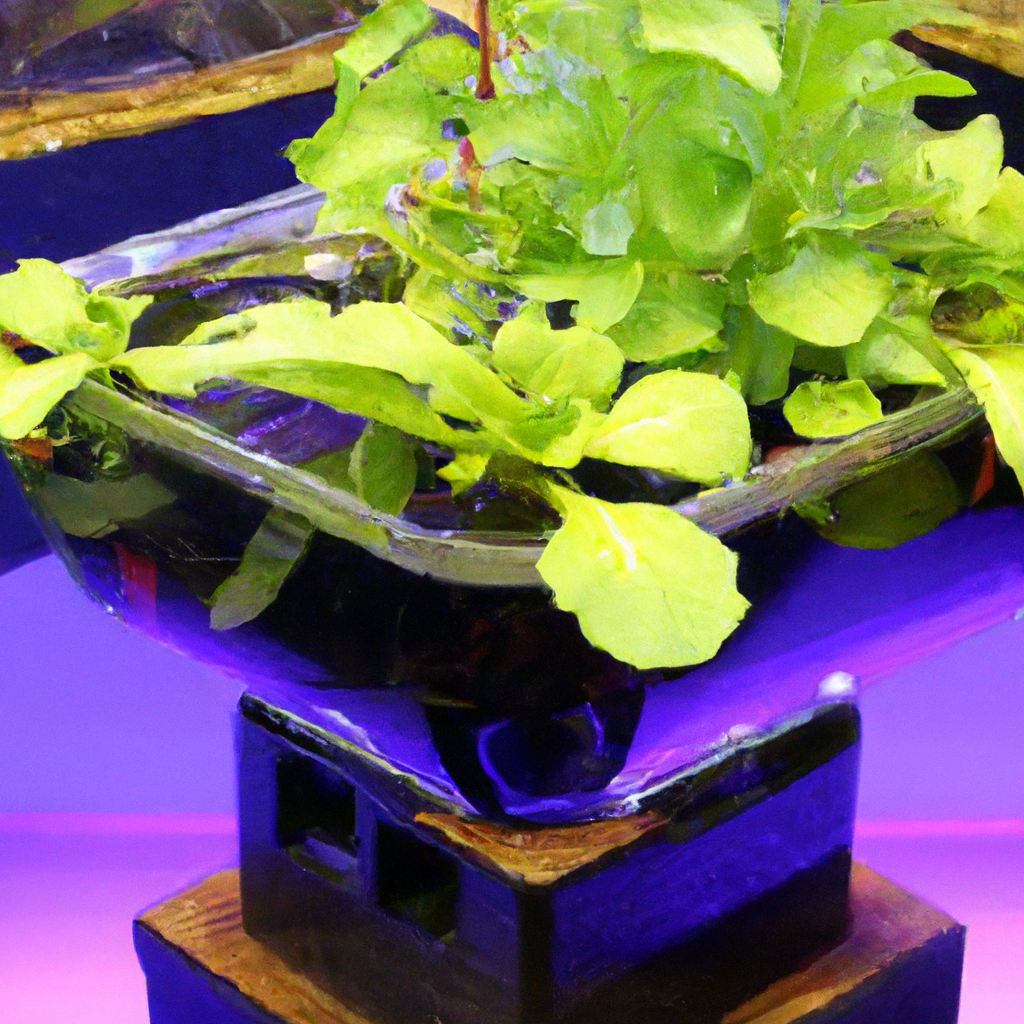
Several plants thrive in hydroponic systems with fish. Leafy greens such as lettuce, spinach, and kale are popular choices due to their rapid growth and high nutrient content. Herbs like basil, cilantro, and mint also do well in aquaponic systems. Fruit-bearing plants like tomatoes, peppers, and strawberries can be grown successfully with proper support structures and appropriate nutrient management.
Considerations for leafy greens, herbs, and fruiting plants
Different plant types have specific requirements to maximize growth and yield. Leafy greens and herbs benefit from cool or moderate temperatures and higher light intensity. Fruit-bearing plants, on the other hand, require more warmth and longer daylight hours to promote fruit development. Providing the appropriate support structures and pruning techniques for fruiting plants can help manage their growth and ensure optimal yields.
Managing plant growth and yields
To optimize plant growth and yields, regular crop maintenance is important. This includes pruning and removing any damaged or diseased plant parts, as well as training the plants to grow in a desired direction. Adjusting nutrient levels and maintaining proper lighting conditions based on the growth stage of the plants can also help maximize growth and overall productivity.
Maintaining the Hydroponic System
Fish care and management
Proper care and management of the fish in your hydroponic system are crucial for their health and well-being. This includes regularly monitoring water quality parameters such as temperature, ammonia, nitrite, and nitrate levels. Feeding the fish a balanced diet in appropriate quantities and monitoring their behavior and growth can also help ensure their overall health and minimize the risk of disease or stress.
Pest and disease control
Hydroponic systems with fish are generally less prone to pests and diseases compared to traditional soil-based gardening. However, it is still important to remain vigilant and take preventive measures. Regularly inspecting plants for signs of pests or diseases, such as aphids or fungal infections, allows for early intervention. Options for controlling pest populations in hydroponic systems include introducing beneficial insects, employing organic pest control methods, and using biological or botanical pest control agents as needed.
Maintaining water temperature
Maintaining an optimal water temperature is crucial for both the fish and plants in a hydroponic system. Most fish species thrive within a specific temperature range, so selecting appropriate fish for your system’s ambient temperature is important. Maintaining water temperature can be achieved through the use of heaters or chillers, as well as shading or insulation techniques, depending on the desired temperature range and the local climate conditions.
Regular system maintenance tasks
Regular maintenance tasks are essential for the efficient operation of a hydroponic system with fish. These tasks include cleaning and inspecting the grow beds and fish tanks, removing any debris or excessive root growth, and keeping the plumbing system free of clogs or blockages. It is also important to monitor and adjust nutrient levels, pH levels, and water levels as needed to maintain optimal growing conditions.
Troubleshooting common issues
Even with proper care, hydroponic systems with fish can occasionally encounter issues. Common problems include nutrient imbalances, pH fluctuations, algae growth, or stress-related fish issues. Promptly identifying and addressing these issues through appropriate corrective measures and adjustments to the system can help restore optimal conditions and ensure the health and vitality of both fish and plants.
Harvesting and Enjoying Your Produce
Determining the right time to harvest
Knowing when to harvest your hydroponically grown produce is essential for achieving optimal flavor, texture, and nutritional value. Different plants have varied signs of maturity, such as color changes, firmness, or size. It is often best to consult specific plant guides or use reference resources to determine the appropriate harvest time for each crop.
Harvesting techniques for different plants
Each plant variety may require unique harvesting techniques to avoid damage and maximize yield. Some plants, like lettuce or herbs, can be harvested by gently removing the outer leaves or pruning the plant to encourage further growth. Other crops, such as tomatoes or peppers, may require cutting or twisting the fruit from the plant. Proper handling and harvesting techniques not only protect the plants but also ensure the produce’s quality and longevity.
Storing and preserving harvested produce
After harvesting, proper storage and preservation techniques are essential for maintaining the quality and freshness of your hydroponic produce. Leafy greens can be stored in sealed bags or containers in the refrigerator to retain their crispness. Herbs can be dried or frozen for later use. Fruit-bearing plants’ produce should be stored in a cool, dry place or utilized immediately to prevent spoilage.
Methods of utilizing fresh hydroponic produce
The beauty of growing your own hydroponic produce is the opportunity to enjoy fresh, flavorful, and nutritious food. There are countless ways to utilize your harvest in cooking. Leafy greens and herbs can be used in salads, smoothies, or as garnishes in various recipes. Fruit-bearing plants’ produce can be enjoyed raw, in salsas, sauces, or preserves, or incorporated into a variety of cooked dishes. The possibilities are endless, allowing you to savor the rewards of your hydroponic gardening efforts.
Future Development and Innovation in Hydroponic Gardening with Fish
Ongoing research in aquaponics
Aquaponics continues to be an area of active research and innovation. Ongoing studies focus on improving fish and plant production, optimizing nutrient cycling, and further understanding the symbiotic relationships between fish and plants. Researchers are exploring methods to enhance system efficiency, minimize input requirements, and improve overall sustainability.
Advancements in fish-friendly hydroponic systems
Advancements in fish-friendly hydroponic systems are driving the development of innovative approaches. This includes the use of natural filtration methods, such as biofilters and plant root zones, to maintain water quality and minimize the dependence on external filtration systems. The integration of innovative aquaculture techniques with hydroponics is also being explored to promote fish welfare and maximize the benefits of the symbiotic relationship between fish and plants.
Exploration of different fish-plant relationships
Researchers continue to explore various combinations of fish and plants to further optimize growth and productivity. Different fish species have varying nutrient requirements and waste production rates, which can impact plant growth. By studying and fine-tuning these relationships, researchers aim to identify the most effective combinations for sustainable and productive hydroponic systems with fish.
Integration of automation and technology
Automation and technology are increasingly being integrated into hydroponic systems with fish. This includes the use of sensors and monitoring systems to precisely control various environmental variables such as water temperature, pH levels, and nutrient concentrations. Automated feeding systems and water quality monitoring devices help streamline day-to-day management tasks, enabling more efficient and sustainable hydroponic gardening with fish.
Conclusion
Summary of hydroponic gardening with fish
Hydroponic gardening with fish, also known as aquaponics, is an innovative and eco-friendly approach to growing plants. By combining fish farming with hydroponic plant cultivation, aquaponics creates a mutually beneficial relationship that promotes efficient nutrient cycling and sustainable food production.
Potential for sustainable food production
Hydroponic gardening with fish offers the potential for sustainable food production in various contexts. This method allows for year-round gardening, reduces water consumption, and eliminates the need for synthetic fertilizers. Aquaponic systems are highly productive, producing both fish and a wide range of vegetables or herbs. By maximizing space and resources, hydroponic gardening with fish has the potential to play a significant role in addressing global food security challenges.
Applying aquaponics principles on a larger scale
Aquaponics principles can be applied on a larger scale to meet the growing demand for fresh produce and sustainable fish production worldwide. By scaling up aquaponic systems, it is possible to create commercial operations that provide locally grown, nutritious food in urban areas and regions with limited access to arable land. As technology and knowledge continue to advance in this field, aquaponics holds promise for a more sustainable and resilient food system.


