


Whether you’re an avid gardener or just starting out, hydroponics provides a fascinating and innovative way to grow plants without soil. If you’ve ever wondered what types of plants can thrive in a hydroponic system, this beginner’s guide will have you covered. From luscious leafy greens to vibrant flowers, discover the diverse range of plant species that can be grown hydroponically and unlock a whole new world of gardening possibilities. Get ready to embark on an exciting journey, as we explore the wonders of hydroponic plant species!
What types of plants can be grown hydroponically?
Introduction to hydroponic plant species
Hydroponics is a method of growing plants without the use of soil. Instead, plants are grown in a nutrient-rich water solution, allowing them to receive all the necessary nutrients for healthy growth. One of the great advantages of this technique is the wide variety of plants that can be successfully grown hydroponically. From leafy greens to fruit-bearing plants, flowering plants to root vegetables, hydroponics offers endless possibilities for a thriving garden. Let’s explore some of the most popular hydroponic plant species in more detail.
Leafy greens
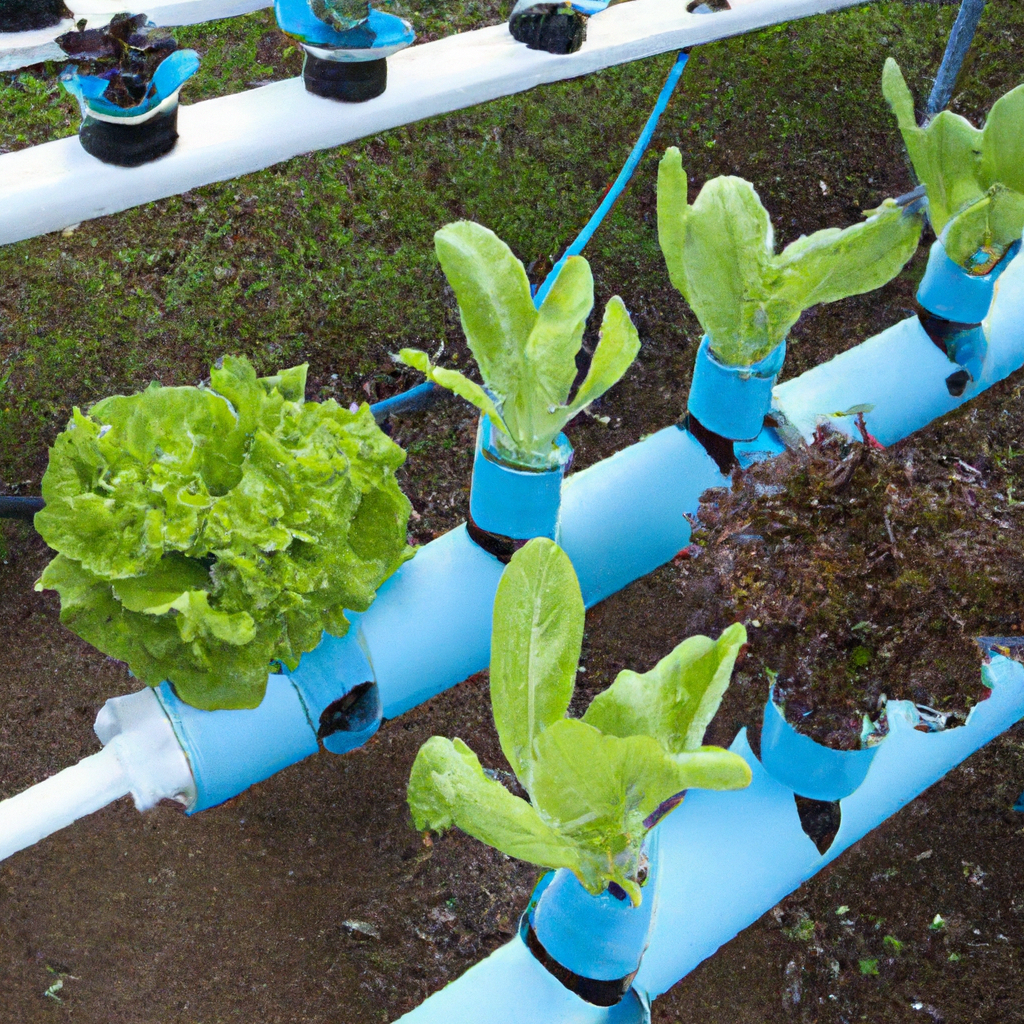
Leafy greens, such as lettuce, spinach, and kale, are some of the easiest and most common plants to grow hydroponically. They have shallow root systems, making them adaptable to hydroponic growing conditions. With the right nutrient solution and proper lighting, you can enjoy a bountiful harvest of fresh, nutritious greens, free from soil-borne pests and diseases. Lettuce varieties like romaine, butterhead, and bibb are particularly well-suited for hydroponics due to their fast growth and high yield potential.
Herbs
Growing herbs hydroponically is another great option for both beginners and seasoned hydroponic gardeners. Herbs like basil, mint, cilantro, and parsley thrive in a hydroponic setup and offer a host of culinary and medicinal benefits. Hydroponically grown herbs tend to have more intense flavors and aromas compared to field-grown ones, making them a favorite among chefs and home cooks alike. Whether you’re adding fresh basil to your Caprese salad or garnishing your dishes with aromatic cilantro leaves, hydroponic herbs are a must-have in any kitchen garden.
Fruit-bearing plants
While many fruits, such as trees and large shrubs, are difficult to grow hydroponically due to their size and extensive root systems, there are several compact fruit-bearing plants that can thrive in a hydroponic setup. Strawberries, cherry tomatoes, peppers, and even dwarf fruit trees like citrus and figs can be successfully grown hydroponically. These plants offer the joy of homegrown fruits even if you have limited outdoor space, and their vibrant colors and flavors will bring a delightful touch to your hydroponic garden.
Flowering plants
If you’re looking to add a splash of color to your hydroponic garden, flowering plants are the way to go. Plants like marigolds, petunias, and geraniums can be grown hydroponically, providing beautiful blooms that can brighten up any space. Not only do they add aesthetic appeal, but these flowering plants also attract pollinators such as bees and butterflies, which can be beneficial for your other hydroponic plants. Just ensure you provide the right lighting and nutrient solution to support their blooming needs.
Root vegetables
While some root vegetables might seem challenging to grow hydroponically due to their below-ground growth, there are certain varieties that adapt well to this soilless cultivation method. Carrots, radishes, and beets have shorter growth cycles and can be successfully grown hydroponically. By providing a growing medium that allows the roots to develop freely, such as perlite or coconut coir, you’ll be amazed at the healthy and flavorful harvest of root vegetables you can achieve through hydroponics.
Medicinal plants
Hydroponics also offers a convenient and controlled environment for growing medicinal plants. Whether you’re interested in cultivating aloe vera for its soothing properties or lavender for its calming scent, hydroponics can provide the ideal growing conditions. Medicinal plants like peppermint, chamomile, and Echinacea can thrive in a hydroponic system, offering a ready supply of herbs for teas, remedies, and natural skincare products.
Aquatic plants
Aquatic plants add a unique and serene touch to any hydroponic garden setup. These plants, such as watercress, water spinach, and water lettuce, are specifically adapted to grow in or near water. With a suitable hydroponic system that incorporates water circulation and nutrient supplementation, you can cultivate a lush underwater garden. In addition to their aesthetic appeal, some aquatic plants can also serve as a natural filtration system, helping to maintain water clarity and purity.
Ornamental plants
If you have a green thumb and a passion for ornamental plants, hydroponics opens up a world of possibilities. From colorful roses to delicate orchids, many ornamental plant species can thrive in a hydroponic environment. Not only does hydroponics provide precise control over the plants’ nutrient intake, ensuring optimal growth, but it also eliminates the risk of soil-related diseases and pests that are common in traditional gardening. Grow and showcase your favorite ornamental plants with pride, knowing that they are receiving the best care possible.
Climbers and vines
Climbing plants and vines are a great way to add vertical interest to your hydroponic garden. Plants like cucumbers, beans, and grapes can be trained to grow upwards, utilizing trellises or other support structures. The advantage of growing these plants hydroponically is that they can be more space-efficient, as their upward growth takes advantage of vertical real estate. The thrill of watching your climbers reach new heights and produce an abundant harvest is truly rewarding.
In conclusion, the types of plants that can be grown hydroponically are vast and diverse. From leafy greens and herbs to fruit-bearing plants and flowering species, there is an abundance of choices to suit every gardener’s preference. Whether you’re a beginner or an experienced hydroponic enthusiast, exploring these plant species can lead to a flourishing and fruitful garden. So grab your nutrient solution, set up your hydroponic system, and embark on a thrilling journey of hydroponic gardening. The possibilities are endless, and the rewards are truly satisfying. Happy growing!


