


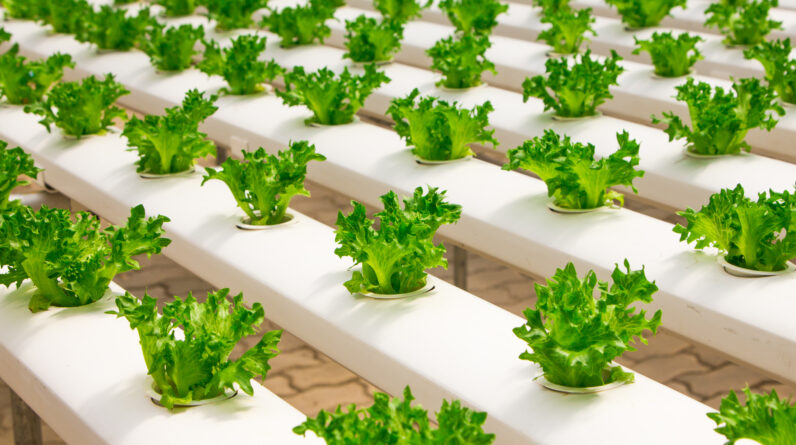
Are you interested in starting your own hydroponic garden but don’t know where to begin? Look no further! In this comprehensive guide, we will take you through everything you need to know about hydroponic gardening plans. From understanding the basics of hydroponics to designing and setting up your own system, we’ve got you covered. Discover the benefits of growing plants without soil, explore different types of hydroponic systems, and learn how to maintain a thriving garden all year round. Get ready to embark on an exciting journey into the world of hydroponic gardening!
Benefits of Hydroponic Gardening
Increased crop yield
Hydroponic gardening has the advantage of significantly increasing crop yield compared to traditional soil-based gardening methods. By providing plants with a controlled environment and direct access to essential nutrients, hydroponic systems optimize the growth and development of plants, resulting in larger and healthier yields. With the ability to closely monitor and adjust the growing conditions, hydroponic gardeners can maximize the productivity of their crops, ensuring a bountiful harvest.
Faster growth rate
Another benefit of hydroponic gardening is the faster growth rate of plants. In a hydroponic system, plants receive all the necessary nutrients directly, without the need to search for them in soil. This allows plants to allocate more energy towards growth and development, resulting in accelerated growth rates. With quicker growth, hydroponic gardeners can enjoy faster harvests and continuous production throughout the year.
Year-round gardening
One of the most compelling advantages of hydroponic gardening is the ability to grow plants year-round, regardless of seasonal limitations. By creating an indoor or controlled environment, hydroponic gardeners can provide ideal conditions for plant growth at any time. This means that you can enjoy fresh produce throughout the year, even during the winter months when traditional gardening may be impossible. Hydroponic systems offer the flexibility to grow your favorite fruits, vegetables, and herbs whenever you please.
Water conservation
Hydroponic gardening is an excellent choice for those concerned about water conservation. Traditional soil-based gardening methods often require significant amounts of water, much of which gets lost through evaporation and inefficient absorption by the plants. In contrast, hydroponic systems are designed to be water-efficient. The nutrient solutions in hydroponics are continuously recirculated, minimizing water waste. Additionally, the controlled nature of hydroponic systems allows for precise water delivery, ensuring that plants receive just the right amount of hydration without any excess.
Reduced pest and disease issues
One of the biggest challenges in traditional gardening is the presence of pests and diseases that can damage or destroy crops. However, hydroponic gardening greatly decreases the risk of pest infestations and diseases. Without soil, hydroponic systems provide a less favorable environment for pests to thrive. Additionally, with better control over the growing conditions, hydroponic gardeners can create an inhospitable environment for pests and implement preventive measures more effectively. This reduces the reliance on chemical pesticides, making hydroponic gardening a more eco-friendly and sustainable option.
Choosing a Hydroponic System
Wick system
The wick system is one of the simplest hydroponic systems and is ideal for beginners. It consists of a container with a growth medium, such as perlite or coconut coir, and a wick that transfers the nutrient solution to the roots of the plants. This system is passive and requires no electricity or pumps, making it easy to set up and maintain.
Water culture system
In a water culture system, plants are placed directly in a shallow tray or container filled with nutrient-rich water. An air pump provides oxygen to the roots, promoting healthy growth. This system is commonly used for growing leafy greens and herbs.
Ebb and flow system
The ebb and flow system, also known as flood and drain, involves periodically flooding the plant roots with the nutrient solution and then allowing it to drain away. This cycle is controlled by a pump and timer, ensuring an optimal balance of water and oxygen. The ebb and flow system offers versatility and is suitable for a wide range of plants.
Drip system
In a drip system, nutrient solutions are dripped onto the base of each plant through small tubes or emitters. This allows for precise delivery of water and nutrients to individual plants. The runoff is collected and recirculated back into the system, minimizing water waste. The drip system is popular for larger plants and can be easily automated.
Nutrient film technique (NFT) system
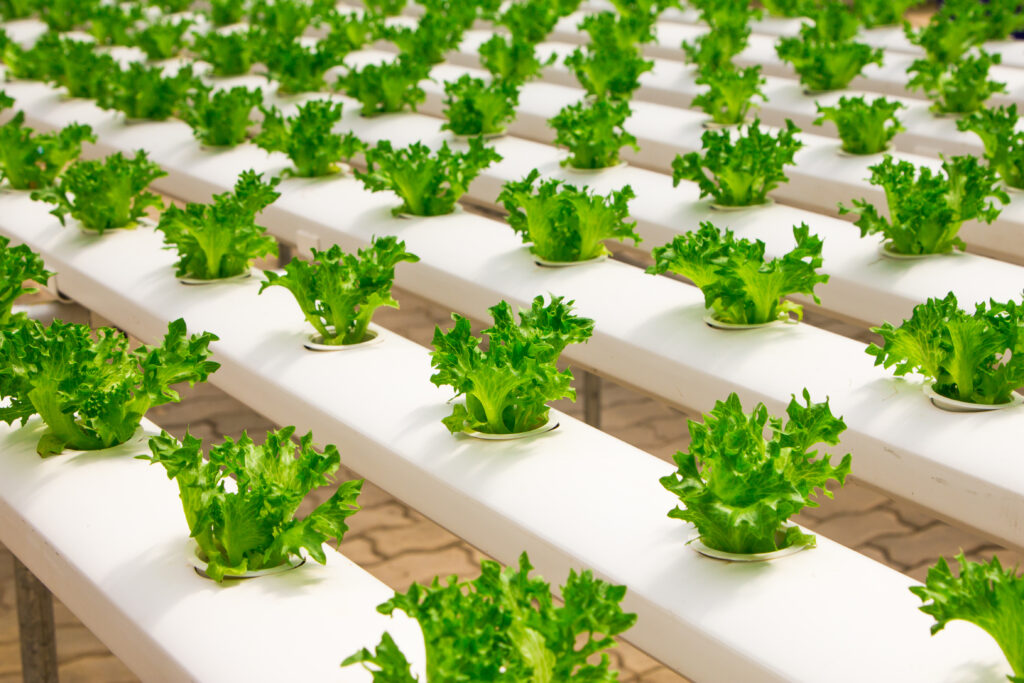
The nutrient film technique (NFT) system involves a shallow sloping trough or channels where a thin film of nutrient solution flows over the plant roots. The excess solution is collected and recirculated. The NFT system provides continuous oxygenation to the roots and is commonly used for growing leafy greens.
Aeroponic system
In an aeroponic system, plants are grown in a mist or fog environment with their roots suspended in the air. The nutrient solution is atomized into a fine mist and sprayed directly onto the roots, providing optimal oxygenation. This system allows for rapid growth and is particularly suitable for delicate plants and herb propagation.
Vertical gardening system
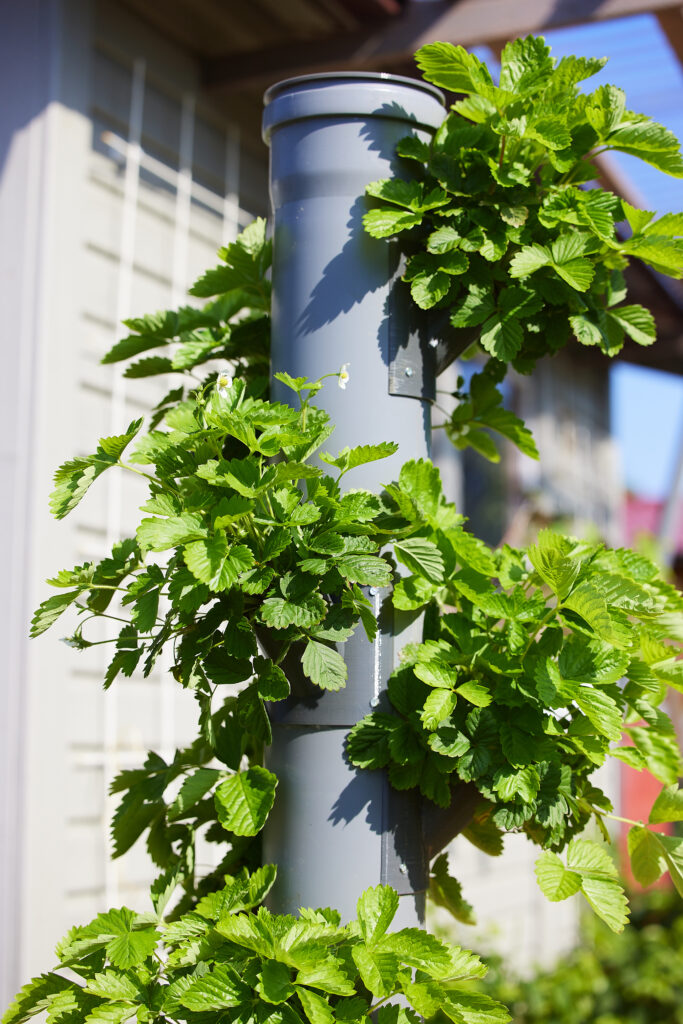
Vertical gardening systems utilize vertical space and are excellent for those with limited floor area. These systems can be constructed using various hydroponic methods, such as vertical towers or stacked containers. The vertical gardening system maximizes space utilization and allows for an impressive display of plants.
Setting Up Your Hydroponic Garden
Determining location
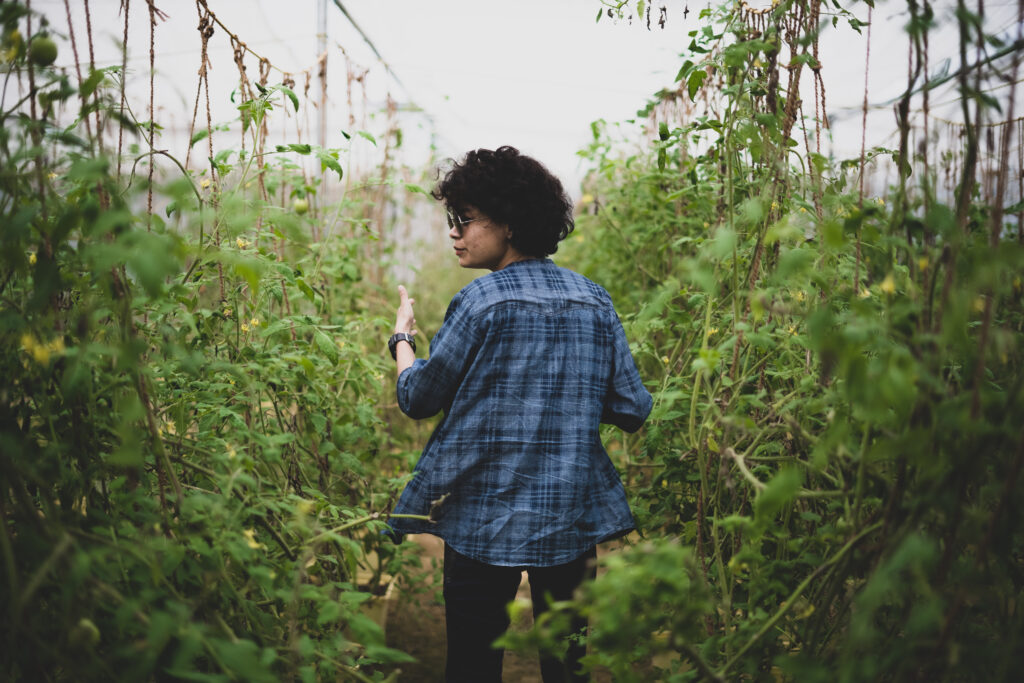
When setting up your hydroponic garden, consider the location carefully. Choose a space that receives adequate light and is easily accessible for maintenance. Indoors, a spare room, basement, or even a dedicated greenhouse can be suitable options. Outdoors, a sheltered area with access to water and electricity is preferred.
Creating the growing area
The next step is to prepare the growing area. Set up the necessary infrastructure, such as tables, shelves, or racks, to hold the hydroponic systems. Ensure that the structure is sturdy and capable of supporting the weight of the plants, equipment, and nutrient solutions. Arrange the systems in a way that allows easy access for monitoring and maintenance.
Installing lighting
In indoor hydroponic gardens, artificial lighting is crucial to supplement natural sunlight. Choose the right type and intensity of grow lights according to the plants’ needs. LED grow lights are commonly used due to their energy efficiency and adjustable spectrum. Position the lights at an appropriate distance above the plants to ensure optimal growth.
Choosing the right growing medium
Hydroponic systems rely on different growing mediums to support and anchor the plants’ roots. Common growing mediums include perlite, vermiculite, coconut coir, rockwool, and clay pellets. Evaluate the system requirements and the specific needs of your plants to select the most suitable growing medium.
Selecting appropriate plants
The choice of plants for your hydroponic garden depends on various factors, such as available space, lighting conditions, and personal preferences. Leafy greens, herbs, strawberries, tomatoes, peppers, and cucumbers are popular choices for hydroponic cultivation due to their adaptability to controlled environments. Research each plant’s requirements to ensure successful growth.
Setting up the hydroponic system
Follow the manufacturer’s instructions or consult a hydroponic gardening guide to set up your chosen hydroponic system correctly. Pay attention to assembling the components, connecting the necessary tubing and pumps, and ensuring proper water flow and drainage. It is essential to double-check the system’s functionality and make any necessary adjustments before introducing the plants.
Hydroponic Nutrient Solutions
Understanding essential nutrients
To thrive in a hydroponic system, plants require a precise balance of essential nutrients. The main nutrients needed by plants are macronutrients, such as nitrogen, phosphorus, and potassium, and micronutrients, including iron, calcium, and magnesium. Understanding the role and importance of each nutrient is crucial to effectively provide for the plants’ needs.
Preparing homemade nutrient solutions
Many hydroponic gardeners prefer to prepare their own nutrient solutions using commercial-grade fertilizers. This allows for more control over the nutrient composition and customization based on the specific requirements of the plants. Recipes and guidelines for preparing homemade nutrient solutions can be found in hydroponic gardening resources.
Commercial nutrient solutions
For beginners or those seeking convenience, commercial nutrient solutions are readily available in the market. These solutions are formulated to provide a balanced mix of essential nutrients and are often tailored for specific plant types or growth stages. Choose a reputable brand and follow the manufacturer’s instructions for optimal results.
Maintaining nutrient solution pH levels
The pH level of the nutrient solution plays a vital role in nutrient availability and plant uptake. Most plants thrive in slightly acidic to neutral pH ranges, typically between 5.5 and 6.5. Regularly monitor and adjust the pH level using pH test kits or automatic pH controllers. This ensures that plants can absorb nutrients efficiently and minimizes potential nutrient deficiencies or toxicities.
Adjusting nutrient solution strength
As plants grow and mature, their nutrient requirements may change. It is essential to periodically adjust the nutrient solution’s strength to meet these changing needs. A simple method to estimate the strength is by measuring the electrical conductivity (EC) of the solution using an EC meter. Follow recommended guidelines or consult hydroponic experts for proper adjustments.
Managing Water and Oxygen Levels
Importance of water quality
Maintaining water quality is crucial for the success of your hydroponic garden. The water used should be free from contaminants, such as bacteria, algae, and excess mineral content. It is recommended to use filtered or purified water to prevent potential issues that can affect plant health.
Monitoring water temperature
Water temperature significantly impacts plant growth and nutrient uptake. Keep the water at an optimal temperature range for your plants, typically between 65°F (18°C) and 75°F (24°C). Use a thermometer to monitor the water temperature regularly and make adjustments as necessary. Consider using a water heater or chiller to maintain a stable temperature, especially in fluctuating climates.
Maintaining proper oxygen levels
Oxygen is vital for healthy root development and prevents root suffocation. In hydroponic systems, oxygen is delivered through air stones or air pumps. Ensure that the oxygenation system is functioning correctly and provides sufficient oxygen levels to the plant roots. Proper oxygenation also helps prevent the growth of harmful bacteria and fungi.
Preventing algae growth
Algae growth can be problematic in hydroponic systems, leading to nutrient depletion and clogged irrigation lines. To prevent algae growth, keep the growing area clean and sanitize the system regularly. Light-proof materials or light-blocking covers can be used to prevent excessive light penetration, as algae thrive in the presence of light. Filtering or regularly replacing the nutrient solution can also help minimize algae issues.
Dealing with root rot
Root rot is a common issue in hydroponic gardening caused by excessive moisture and lack of oxygen around the roots. To prevent root rot, ensure proper drainage in the hydroponic system, allowing excess water to flow away effectively. Monitor the moisture levels in the growing medium and adjust watering schedules accordingly. Implementing beneficial bacteria and fungi through the use of microbial inoculants can also help prevent and treat root rot.
Controlling Light and Temperature
Choosing the right grow lights
Selecting the appropriate grow lights is essential for successful hydroponic gardening. LED grow lights are highly recommended due to their energy efficiency, long lifespan, and adjustable spectrum. They provide the necessary light wavelengths for photosynthesis and can be customized to suit specific plant requirements. Consider the light output, wattage, and coverage area when choosing grow lights.
Understanding light intensity
Light intensity plays a significant role in plant growth and development. Different plants have varying light intensity requirements, usually measured in foot-candles or lux. Determine the light intensity needs of your plants and position the grow lights accordingly. Too little light can lead to leggy and weak plants, while excessive light can cause heat stress and damage.
Controlling photoperiods
The photoperiod, or the duration of light exposure, affects various physiological processes in plants, such as flowering and fruiting. Some plants require specific day length conditions to trigger certain growth stages. Use timers or programmable light controllers to regulate the photoperiods of your hydroponic garden. This allows precise control over the light cycles and ensures optimal plant growth.
Managing temperature and humidity levels
Maintaining appropriate temperature and humidity levels is crucial to creating an optimal growing environment. Most plants thrive in temperatures between 70°F (21°C) and 80°F (27°C) during the day and slightly cooler temperatures at night. Proper ventilation, fans, or air conditioning can help regulate the temperature. The ideal humidity level varies depending on the plant type, with most plants preferring humidity levels between 50% and 70%.
Maintaining Hydroponic Systems
Regular system cleaning
Cleanliness is vital in hydroponic gardening to prevent the buildup of algae, bacteria, and other contaminants. Regularly clean and disinfect the hydroponic system components, such as reservoirs, trays, and tubing, using a mild detergent or hydrogen peroxide solution. Remove any debris or dead plant matter to maintain an optimal growing environment.
Managing nutrient solution levels
Monitor and manage the nutrient solution levels in your hydroponic system regularly. Ensure that the reservoir has an adequate supply of nutrient solution to provide for the plants’ needs. Regularly replenish or replace the solution to maintain optimal nutrient levels. Keep track of the plants’ water uptake and adjust the nutrient solution accordingly.
Inspecting and maintaining pumps and timers
The pumps and timers in your hydroponic system are essential for the proper functioning of the system. Regularly inspect and clean the pumps to remove any debris or blockages that may affect water flow. Check the timers for accuracy and adjust as necessary. Maintaining and replacing faulty components promptly ensures the continuous operation of the hydroponic system.
Preventing and treating system leaks
System leaks can cause water and nutrient solution wastage, leading to inefficient plant growth and potential damage to the surrounding area. Regularly inspect the system for leaks and address them promptly. Check all connections, tubes, and seals for any signs of leakage. Repair or replace any faulty components to prevent further damage.
Troubleshooting common system issues
It is common to encounter occasional issues or challenges in hydroponic gardening. Some common problems include pH imbalances, nutrient deficiencies or excesses, and plant diseases. Familiarize yourself with troubleshooting techniques and consult hydroponic resources or experts for guidance. Identifying and addressing issues promptly ensures the health and productivity of your hydroponic garden.
Pest and Disease Control
Identifying common pests
Despite the reduced risk of pests in hydroponic systems, there may still be occasional pest infestations. Common pests in hydroponic gardens include aphids, thrips, spider mites, and whiteflies. Regularly inspect your plants for any signs of pests, such as distorted leaves, yellowing, or sticky residue. Identifying pests early allows for effective control measures.
Implementing preventive measures
Prevention is key in managing pests in hydroponic gardens. Practice good hygiene and sanitation by regularly cleaning the growing area and removing any dead plant matter or debris. Use physical barriers, such as insect nets or screens, to prevent pests from entering the garden. Introduce beneficial insects, such as ladybugs or predatory mites, to naturally control pest populations.
Organic pest control methods
Many organic pest control methods can be used in hydroponic gardening to minimize the use of chemical pesticides. Neem oil, insecticidal soaps, and botanical insecticides derived from plants can be effective against pests. Additionally, companion planting, crop rotation, and implementing cultural practices, such as pruning and proper spacing, can help deter pests and promote a healthier garden.
Common hydroponic diseases
Plant diseases can still occur in hydroponic systems, albeit less frequently than in soil-based gardens. Common diseases in hydroponic gardens include root rot, powdery mildew, and fungal infections. Maintain proper hygiene, monitor humidity levels, and ensure proper ventilation to minimize disease risks. Isolate and treat infected plants promptly to prevent the spread of diseases.
Treating and preventing diseases
If you encounter plant diseases in your hydroponic garden, swift action is crucial. Implement appropriate treatment measures, such as applying targeted fungicides or bactericides, adjusting environmental conditions, or using biological controls. Preventive methods, such as maintaining proper nutrient balance, ensuring good airflow, and avoiding overcrowding, help reduce the likelihood of disease outbreaks.
… (continued in next message)


