Imagine having a beautiful garden filled with lush, vibrant plants all year round, regardless of the weather outside. With hydroponic gardening, this dream can become a reality. In this ultimate guide to hydroponic gardening, you’ll learn all the essential techniques and tools needed to grow plants without soil, as well as the benefits and challenges of this innovative method. Whether you’re a seasoned gardener looking to try something new or a beginner with a green thumb, this comprehensive guide will provide you with the knowledge and confidence to embark on your hydroponic garden journey. Get ready to discover a whole new world of gardening possibilities!

What is Hydroponic Gardening
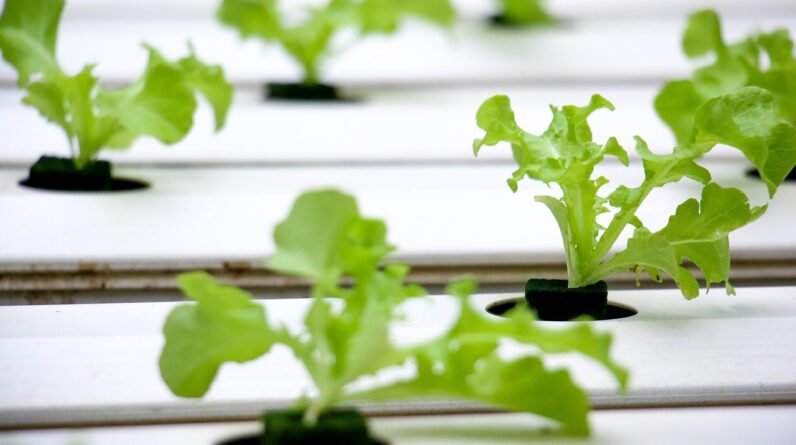
Hydroponic gardening is a method of growing plants without the use of soil. Instead, plants are grown in a nutrient-rich water solution, allowing them to receive all the essential nutrients they need directly from the water. This innovative gardening technique has gained popularity in recent years due to its numerous benefits and the ability to grow plants in limited spaces.
Definition of Hydroponic Gardening
Hydroponic gardening is a soilless cultivation method that involves growing plants in water, using a variety of systems and techniques. This method allows for precise control over the growing environment, including nutrient levels, temperature, and light exposure. By eliminating the use of soil, hydroponic gardening maximizes plant growth and minimizes the risk of pests and diseases.
History of Hydroponic Gardening
Hydroponic gardening has a rich history dating back to ancient civilizations. The Hanging Gardens of Babylon, one of the Seven Wonders of the Ancient World, is believed to have utilized a form of hydroponics. The Aztecs and ancient Egyptians also practiced hydroponic gardening to grow crops in areas with limited access to fertile soil.
In modern times, hydroponic gardening gained significant attention during the 20th century when scientists and researchers began studying the cultivation of plants without soil. The technique became especially popular in NASA’s space programs where hydroponic systems were used to grow fresh food in space. Since then, hydroponic gardening has evolved and become increasingly accessible to gardeners and farmers worldwide.
Benefits of Hydroponic Gardening
Hydroponic gardening offers various advantages over traditional soil-based gardening. One of the key benefits is the ability to grow plants in limited spaces, making it ideal for urban environments or areas with poor soil quality. With hydroponics, you have complete control over the growing environment, allowing you to optimize the conditions for plant growth and maximize yields.
Another benefit of hydroponic gardening is water efficiency. Compared to traditional farming methods, hydroponics uses significantly less water, making it a more sustainable option in regions facing water scarcity. Additionally, hydroponic systems reduce the risk of soil-borne diseases and pests, leading to healthier and higher quality plants.
Moreover, hydroponic gardening allows for year-round cultivation, enabling you to grow fresh produce regardless of the season. This method also promotes faster growth rates and higher plant density, resulting in increased productivity. Whether you’re a hobbyist or a commercial grower, hydroponic gardening offers an efficient and innovative way to cultivate plants.
Types of Hydroponic Systems
There are several different types of hydroponic systems, each with its unique characteristics and advantages. Depending on your space, budget, and the types of plants you wish to grow, you can choose the system that best suits your needs. Let’s explore some of the most popular hydroponic systems:
Static Solution Culture
The static solution culture is the simplest and most basic form of hydroponic system. In this system, plants are grown in containers filled with a nutrient-rich water solution. The plants’ roots are submerged in the nutrient solution, providing them with the necessary nutrients. This system is low-cost and easy to set up, making it suitable for beginners.
Continuous Flow Solution Culture
The continuous flow solution culture, also known as the flood and drain system, involves periodically flooding the growing containers with nutrient solution. The excess solution then drains back into a reservoir, keeping the roots oxygenated. This system allows for more control over the nutrient delivery and oxygenation of the roots, resulting in healthier plants.
Aeroponic System
The aeroponic system is a high-tech and efficient hydroponic system. It uses misters or foggers to deliver a nutrient solution as a fine mist to the plant roots. The roots are suspended in the air, allowing for maximum oxygen exposure. This system promotes rapid growth and can produce higher yields, but it requires precise control and maintenance.
Drip System
The drip system is one of the most commonly used hydroponic systems. In this system, a pump is used to deliver a nutrient solution through small tubes to individual plants. The solution drips onto the growing medium or directly onto the plant roots, providing them with a steady supply of nutrients. It is a versatile system that can be used for various plant sizes and types.
Nutrient Film Technique (NFT)
The Nutrient Film Technique (NFT) is a system where a thin film of nutrient solution continuously flows over the roots of the plants. The plants are typically placed in troughs or channels, and the solution is pumped through the channels, coating the roots with a thin film of nutrients. This system is efficient and requires minimal water and nutrient usage.
Wick System
The wick system is a passive hydroponic system that relies on capillary action to deliver the nutrient solution to the roots. The plants are grown in a growing medium, and a wick, such as a rope or fabric, is used to draw the solution from a reservoir to the roots. This system is low-maintenance and suitable for small-scale hydroponic setups.
Ebb and Flow System
The ebb and flow system, also known as the flood and drain system, involves periodically flooding the growing area with nutrient solution. After a certain period, the solution is drained back into the reservoir. This controlled flooding and draining cycle helps provide oxygen to the roots while delivering nutrients to the plants. It is a versatile system that can accommodate various plant sizes.
Deep Water Culture (DWC)
The Deep Water Culture (DWC) system is a popular hydroponic system for growing leafy greens. In this system, the plants’ roots are suspended in a nutrient-rich water solution. Oxygen is continuously supplied to the roots through the use of an air pump and air stones. DWC promotes rapid growth and is relatively easy to set up, making it suitable for beginners.
Vertical Hydroponic System
Vertical hydroponic systems are designed to maximize space utilization by growing plants vertically. These systems typically use a vertical structure with stacked growing trays or towers. This setup allows for more plants to be grown in a smaller footprint. Vertical hydroponic systems are particularly useful for small gardens or urban environments with limited space.
Aquaponics
Aquaponics is a combination of hydroponics and aquaculture. In this system, plants are grown hydroponically, while fish or other aquatic animals are raised in a separate tank. The nutrient-rich water from the fish tank is then circulated through the hydroponic system, providing the plants with essential nutrients. The plants, in turn, filter and purify the water, creating a symbiotic relationship.

Setting Up a Hydroponic Garden
Setting up a hydroponic garden requires careful planning and attention to detail. Here are the essential steps to follow when establishing your own hydroponic garden:
Choosing the Right Location
The first step in setting up a hydroponic garden is selecting the right location. Look for an area with sufficient space, access to electricity, and suitable environmental conditions. Ideally, the location should have good ventilation and be near a water source for convenience.
Obtaining the Necessary Equipment
Once you have determined the location, gather all the necessary equipment for your hydroponic system. This includes grow trays or containers, a water reservoir, a pump, a timer, grow lights, growing medium, pH and EC meters, and nutrient solutions. Research and select high-quality equipment that suits your specific hydroponic system.
Preparing the Growing Area
Prepare the growing area by setting up the grow trays or containers and arranging them in a layout that maximizes space utilization. Ensure the area is clean and free from any debris or contaminants that may affect plant growth. Install the appropriate support structures or racks to accommodate the growing trays or plants.
Creating a Nutrient Solution
A crucial aspect of hydroponic gardening is creating a nutrient solution that provides the essential elements for plant growth. Follow the instructions provided by the nutrient manufacturer to mix the appropriate ratio of nutrients with water. Use a pH meter to adjust the solution’s pH level to the optimal range for the plants you are growing.
Selecting the Right Plants
Choose plants that are suitable for hydroponic cultivation and align with your gardening goals. Leafy greens, herbs, and strawberries are popular choices for hydroponic gardens due to their relatively short growth cycles and compact sizes. However, numerous other fruits, vegetables, and flowers can thrive in hydroponic systems.
Starting Seeds or Transplanting Seedlings
Decide whether you want to start seeds or use seedlings in your hydroponic system. If starting from seeds, germinate them in a suitable medium until they develop into seedlings. Alternatively, purchase healthy seedlings from reputable nurseries. Ensure the roots of the seedlings are clean and free from soil before transplanting them into the hydroponic system.
Maintaining Temperature and Humidity
Maintain a stable temperature and humidity level in your hydroponic garden. Most plants thrive in temperatures between 65°F and 75°F (18°C to 24°C) and relative humidity levels between 50% and 70%. Use fans or ventilation systems to regulate the temperature and humidity, as excessive heat or humidity can adversely affect plant growth.
Monitoring Light Exposure
Plants in hydroponic systems require sufficient light exposure to thrive. Ensure your plants receive the optimal amount of light by placing them in a location with access to natural sunlight or by installing appropriate grow lights. Monitor the light exposure using a light meter or by following the recommended light intensity and duration guidelines for the specific plants you are growing.
Managing pH Levels
Maintaining the pH level of the nutrient solution is essential for healthy plant growth. Different plants have different pH requirements, so monitor the pH level regularly using a pH meter and adjust it accordingly. Most hydroponic plants thrive in a slightly acidic to neutral pH range of 5.5 to 6.5. Follow the instructions provided by the nutrient manufacturer to achieve the optimal pH level.
Ensuring Proper Air Circulation
Proper air circulation is crucial in hydroponic systems to prevent stagnant air and ensure adequate oxygenation of the root zone. Use fans or ventilation systems to promote air movement around the plants. This helps prevent the buildup of excess heat, humidity, and carbon dioxide, which can hamper plant growth and increase the risk of pests and diseases.
Nutrients for Hydroponic Gardening
Providing the right nutrients to your plants is essential for their overall health and productivity. Hydroponic nutrient solutions typically consist of essential macronutrients, secondary nutrients, and micronutrients. Understanding the different nutrient requirements and how to supplement them effectively will help you achieve optimal plant growth and yields.
Essential Macronutrients
Macronutrients are vital elements that plants need in large quantities for their growth and development. The essential macronutrients required by plants are nitrogen (N), phosphorus (P), potassium (K), calcium (Ca), magnesium (Mg), and sulfur (S). These macronutrients play key roles in plant metabolism, photosynthesis, and overall plant structure.
Secondary Nutrients
Secondary nutrients are required in smaller quantities but are still essential for plant growth. The secondary nutrients in hydroponic systems include calcium (Ca), magnesium (Mg), and sulfur (S). These nutrients are involved in various physiological processes and help maintain healthy plants and optimal nutrient uptake.
Micronutrients
Micronutrients are trace elements that plants need in very small quantities for specific metabolic functions. These nutrients include iron (Fe), manganese (Mn), zinc (Zn), copper (Cu), molybdenum (Mo), boron (B), and chlorine (Cl). While they are required in smaller amounts, their deficiency can significantly impact plant growth and development.
Supplementing Nutrients
To ensure plants receive all the necessary nutrients, hydroponic gardeners often supplement the nutrient solution with fertilizers or nutrient additives. These supplements can help correct any deficiencies and optimize nutrient levels. It is crucial to follow the instructions provided by the nutrient manufacturer and regularly monitor the nutrient solution to maintain balanced nutrient levels.
Organic vs. Synthetic Nutrients
Hydroponic gardeners have the option to choose between organic or synthetic nutrient solutions. Organic nutrients are derived from natural sources and can provide a more environmentally friendly approach to hydroponic gardening. Synthetic nutrients, on the other hand, are produced through chemical processes and often offer a more precise and controlled nutrient profile. Consider your gardening preferences and goals when selecting nutrient options.
Common Nutrient Deficiencies
Nutrient deficiencies can occur in hydroponic systems due to inadequate nutrient supply or imbalances. Some common nutrient deficiencies include nitrogen deficiency (yellowing leaves), phosphorus deficiency (stunted growth), potassium deficiency (leaf discoloration), and iron deficiency (yellowing leaves with green veins). Regularly monitor your plants for any signs of nutrient deficiencies and adjust the nutrient solution accordingly.
Adjusting Nutrient Levels
Achieving the optimal nutrient balance is crucial for healthy and productive plants. Regularly monitor the pH and electrical conductivity (EC) levels of the nutrient solution using appropriate meters. The pH level affects nutrient availability, while the EC level indicates the overall nutrient concentration. Adjust the nutrient levels as needed to maintain the desired pH and EC levels for optimal plant growth.

Hydroponic Growing Mediums
Hydroponic growing mediums provide physical support for the plants’ roots and help retain moisture and nutrients. There are numerous types of growing mediums that can be used in hydroponic systems. The choice of growing medium depends on the specific hydroponic system, plant type, and personal preferences. Let’s explore some popular hydroponic growing mediums:
Rockwool
Rockwool, also known as mineral wool, is a widely used growing medium in hydroponic gardening. It is made by melting and spinning volcanic rock or mineral fibers. Rockwool provides excellent moisture retention and air circulation around the roots. It is available in various sizes and densities, making it suitable for different plant types.
Coconut Coir
Coconut coir, derived from coconut husks, is a sustainable and environmentally friendly growing medium. It is lightweight and has excellent water retention properties. Coconut coir provides a well-aerated root zone and can be used as an alternative to peat moss. It is commonly used for growing tomatoes, cucumbers, and other plants that require good moisture retention.
Perlite
Perlite is a lightweight volcanic mineral that is heated and expanded to create a porous and sterile growing medium. It has excellent water drainage properties, preventing waterlogged roots and promoting oxygenation. Perlite is often mixed with other growing mediums to improve drainage and aeration.
Vermiculite
Vermiculite is a natural mineral that is heated and expanded to form a lightweight and moisture-retentive growing medium. It has excellent water-holding capacity and promotes healthy root growth. Vermiculite is commonly used in seed starting and propagation due to its ability to retain moisture.
Expanded Clay Pellets
Expanded clay pellets, also known as hydroton or LECA (lightweight expanded clay aggregate), are popular hydroponic growing mediums. They are small, porous clay balls that provide excellent drainage and aeration. Expanded clay pellets are chemically inert and reusable, making them a sustainable choice for hydroponic gardening.
Growstones
Growstones are an eco-friendly alternative to traditional growing mediums. They are made from recycled glass and provide a high amount of pore space for air and water movement. Growstones are lightweight, pH-neutral, and resistant to mold and pathogens. They are suitable for a wide range of hydroponic systems and plants.
Peat Moss
Peat moss is derived from decomposed plant material and is commonly used in soil-based gardening. However, it can also be used as a hydroponic growing medium. Peat moss has good moisture retention properties and promotes root development. It is often mixed with other growing mediums to improve water retention.
Water Absorbent Polymer Crystals
Water absorbent polymer crystals, also known as hydrogel crystals, are used to improve water retention in hydroponic systems. These small crystals absorb and hold water, slowly releasing it to the plants’ roots as needed. Water absorbent polymer crystals are particularly useful in regions with water scarcity or for plants that require consistent moisture levels.
Rice Hulls
Rice hulls are a byproduct of rice production and can be used as a growing medium in hydroponic systems. They are lightweight, retain moisture, and provide good drainage. Rice hulls are often combined with other growing mediums to enhance their properties and promote healthy root growth.
Sand
Sand can be used as a growing medium in certain hydroponic systems. It provides stability and support for the plants’ roots. However, sand does not retain moisture well and may require additional irrigation or watering methods to ensure adequate hydration for the plants.
Managing Water in Hydroponics
Water management is a critical aspect of hydroponic gardening. Proper water quality, pH, and nutrient levels are essential for healthy plants and optimal yields. Additionally, maintaining the right watering frequency and duration, preventing algae growth, and replenishing water and nutrients are crucial to successful hydroponic cultivation.
Water Quality
Start with high-quality water for your hydroponic system. Avoid using tap water that is high in mineral content or chlorine, as these can negatively affect plant growth. Distilled or filtered water is often recommended for hydroponics. If tap water is your only option, let it sit in an open container for at least 24 hours to allow chlorine to dissipate before using it.
Monitoring pH and EC Levels
Regularly monitor the pH and electrical conductivity (EC) levels of the nutrient solution and the water in your hydroponic system. The pH level affects the availability of nutrients to the plants, while the EC level indicates the overall nutrient concentration. Aim for optimal pH levels specific to the plants you are growing, and adjust the nutrient solution accordingly to maintain the desired pH and EC levels.
Watering Frequency and Duration
The watering frequency and duration depend on various factors, including plant type, growing medium, environmental conditions, and hydroponic system. Avoid overwatering or underwatering your plants, as both can lead to root problems and reduced growth. Monitor the moisture levels in your growing medium and ensure the roots have access to the right amount of water.
Hydroponic Watering Systems
Various watering systems can be used in hydroponic gardening, including drip irrigation, ebb and flow, and aeroponic systems. Each system has its own watering mechanisms and frequency. Choose a system that suits your specific needs and ensures that water reaches the roots evenly and consistently.
Preventing Algae Growth
Algae growth can be a common issue in hydroponic systems exposed to excessive light or poor water management. Algae can compete with plants for nutrients and oxygen, stunting their growth. To prevent algae growth, minimize light exposure to the nutrient solution, regularly clean the system, and maintain appropriate nutrient levels and water quality.
Water and Nutrient Replenishment
As plants utilize water and nutrients, it is crucial to replenish them regularly to ensure the well-being of your hydroponic garden. Monitor the water levels in the reservoir and top up as needed. Similarly, check the nutrient levels in the solution and adjust them accordingly to maintain the optimal nutrient balance needed for healthy plant growth.
Troubleshooting Water-related Issues
Water-related issues can occur in hydroponic systems, such as root rot, clogging, or waterborne diseases. Regularly inspect the system for any signs of problems, such as discolored roots, foul odors, or reduced plant growth. Address any issues promptly by adjusting the water quality, cleaning the system, or taking appropriate measures to prevent or treat diseases.
Hydroponic Lighting
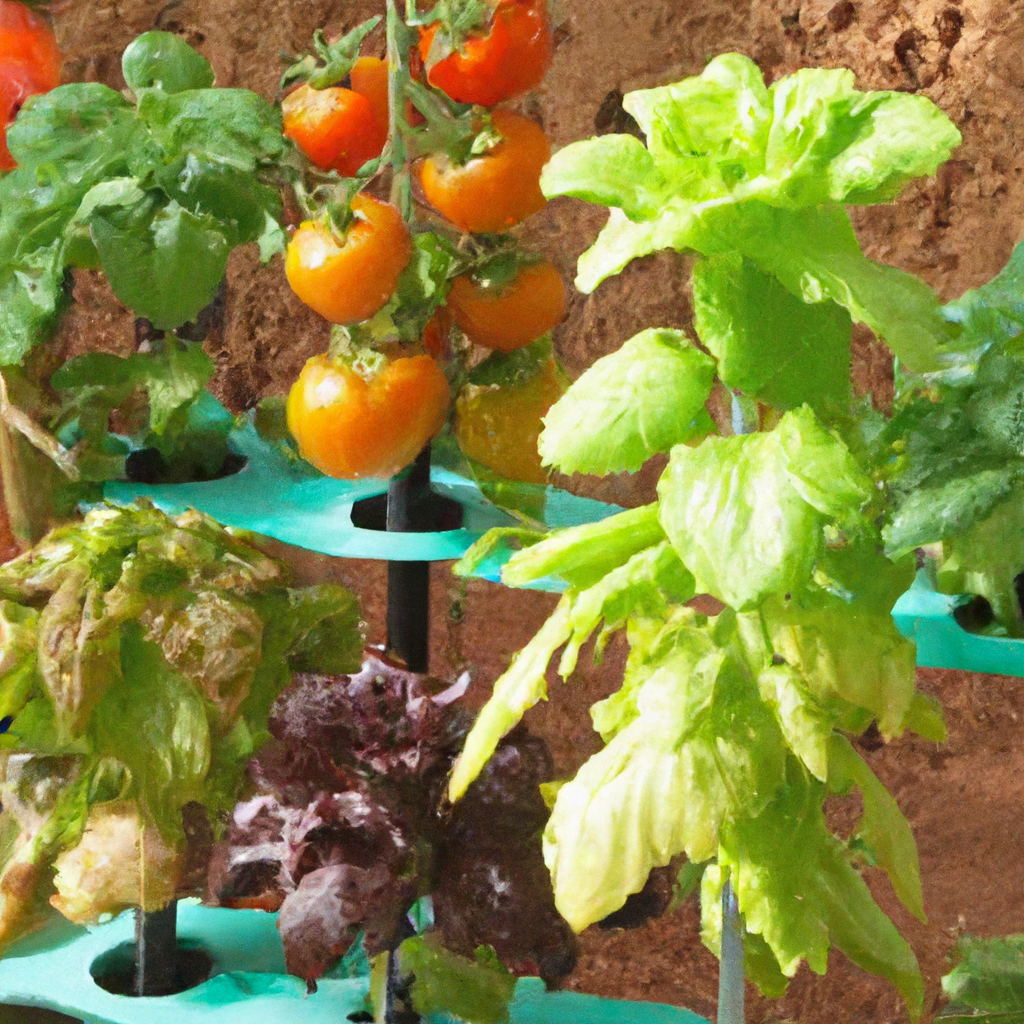
Proper lighting is crucial for photosynthesis and overall plant growth in hydroponic systems. Choosing the right type of grow lights, ensuring the right light spectrum, intensity, and duration, and positioning the lights properly are essential for maximizing plant productivity.
Types of Grow Lights
There are several types of grow lights commonly used in hydroponic gardening, including fluorescent lights, high-intensity discharge (HID) lights, LED lights, and induction lights. Each type has its own advantages and disadvantages, such as light output, energy efficiency, and initial investment cost. Choose a grow light type that suits your budget and specific plant requirements.
Choosing the Right Spectrum
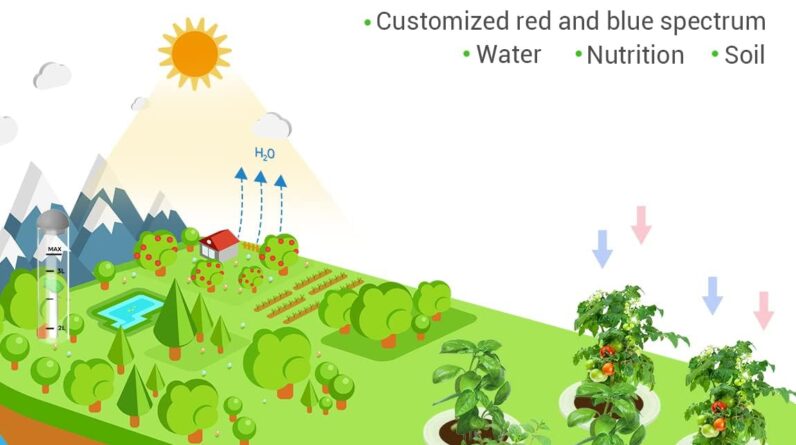
Plants require different light spectrums at various stages of growth. Blue light promotes vegetative growth, while red light is essential for flowering and fruiting. Full-spectrum lights that mimic natural sunlight provide a balanced spectrum for overall plant development. Consider the specific light requirements for the plants you are growing and select a grow light with the appropriate spectrum.
Light Intensity and Duration
The intensity and duration of light exposure greatly influence plant growth and development. Different plants have different light intensity needs, so it is vital to understand their specific requirements. Measure the light intensity using a light meter and adjust the distance between the plants and the grow lights accordingly. Also, establish a consistent light schedule to ensure plants receive the appropriate duration of light exposure.
Positioning Grow Lights
Proper positioning of grow lights is crucial to ensure uniform light distribution and optimal light penetration to the plants’ canopy. Hang the grow lights at an appropriate distance from the plants, considering the light intensity requirements. As the plants grow, adjust the height of the lights to maintain the optimal light coverage and prevent light burn or shading.
Supplemental Lighting
Supplemental lighting may be required in certain situations to provide additional light to plants, especially in low-light conditions or during specific growth stages. Supplemental lighting can help supplement natural sunlight and increase overall light levels. Use supplemental lights strategically to target specific areas or plants requiring extra light.
Preventing Light Burn
Light burn occurs when plants receive excessive light intensity, causing damage to the leaves or buds. To prevent light burn, monitor the light intensity regularly using a light meter and adjust the height, position, or intensity of the grow lights as needed. Additionally, ensure proper air circulation and ventilation to dissipate excess heat generated by the lights.
Evaluating Light Output
Regularly evaluate the light output of your grow lights to ensure they are functioning optimally. Over time, grow lights may lose intensity or become less efficient. Follow the manufacturer’s instructions for maintenance and replacement of the grow lights to ensure consistent light output and maximum plant growth.
Lighting Maintenance
Proper maintenance of grow lights is essential to prolong their lifespan and optimize their performance. Regularly clean the lights to remove dust, which can reduce light output. Replace any faulty or damaged bulbs or components promptly. Follow the manufacturer’s recommendations for light maintenance and ensure the lights are turned off when not in use to conserve energy.
Hydroponic System Maintenance
Regular maintenance of your hydroponic system is crucial to ensure its longevity and optimal performance. Proper cleaning and sanitization, replacing the nutrient solution, monitoring and adjusting pH levels, inspecting and trimming roots, preventing pests and diseases, and maintaining equipment are essential for successful hydroponic gardening.
Cleaning and Sanitizing
Maintaining cleanliness in your hydroponic system is vital to prevent the buildup of algae, bacteria, or other contaminants. Regularly clean the grow trays, containers, pumps, and any other components of your system. Use a mild detergent or a hydrogen peroxide solution to sanitize the system and remove any potential pathogens.
Replacing Nutrient Solution
Regularly monitor the nutrient levels in your hydroponic system and replace the nutrient solution as needed. Over time, the nutrient solution can become depleted or imbalanced, affecting plant growth. Follow the instructions provided by the nutrient manufacturer for proper nutrient solution replacement and adjustment.
Monitoring and Adjusting pH
Regularly monitor the pH level of the nutrient solution and adjust it as needed to maintain the optimal pH range for your plants. Use a pH meter to accurately measure the pH level and add the necessary pH adjusters to bring it within the desired range. Continuous monitoring and adjustment of pH levels are crucial for nutrient availability and healthy plant growth.
Inspecting and Trimming Roots
Periodically inspect the roots of your hydroponic plants for any signs of root rot, discoloration, or blockage. Trim any damaged or excessively long roots to promote healthy root growth and nutrient uptake. Maintaining healthy root systems is essential for overall plant health and productivity.
Preventing Pests and Diseases
Hydroponic systems are not immune to pests and diseases. Regularly inspect your plants for any signs of pests, such as aphids or spider mites, and take appropriate measures to prevent or treat infestations. Implement proper hygiene practices, such as removing dead plant material and maintaining proper air circulation, to minimize the risk of diseases.
Maintaining Equipment
Regularly check and maintain all the equipment in your hydroponic system to ensure optimal performance. Inspect pumps, timers, lights, and other components for any signs of wear or malfunction. Replace or repair any faulty equipment promptly to prevent disruptions in your hydroponic garden.
Troubleshooting Common Issues
Hydroponic systems may encounter various issues, such as nutrient deficiencies, pH imbalances, clogging, or equipment malfunctions. Troubleshoot and address these issues promptly to prevent further damage to your plants. Regular monitoring, maintaining appropriate environmental conditions, and having a comprehensive understanding of your hydroponic system will help you identify and resolve common issues effectively.
Modifying and Expanding the System
As your hydroponic gardening experience grows, you may want to modify or expand your system. Whether you need to accommodate more plants, experiment with different hydroponic techniques, or optimize your setup, be open to adapting and improving your system. Research and seek advice from experienced hydroponic gardeners to successfully modify or expand your hydroponic garden.
Harvesting and Replanting
The final stage of hydroponic gardening is harvesting your plants and replanting new crops. Harvest your plants at their peak maturity and follow proper harvesting techniques for each plant type. Take note of the yield and quality of your harvest to evaluate the success of your hydroponic garden. Once harvested, clean and sanitize the system before replanting new crops for continuous cultivation.
Maximizing Plant Growth in Hydroponics
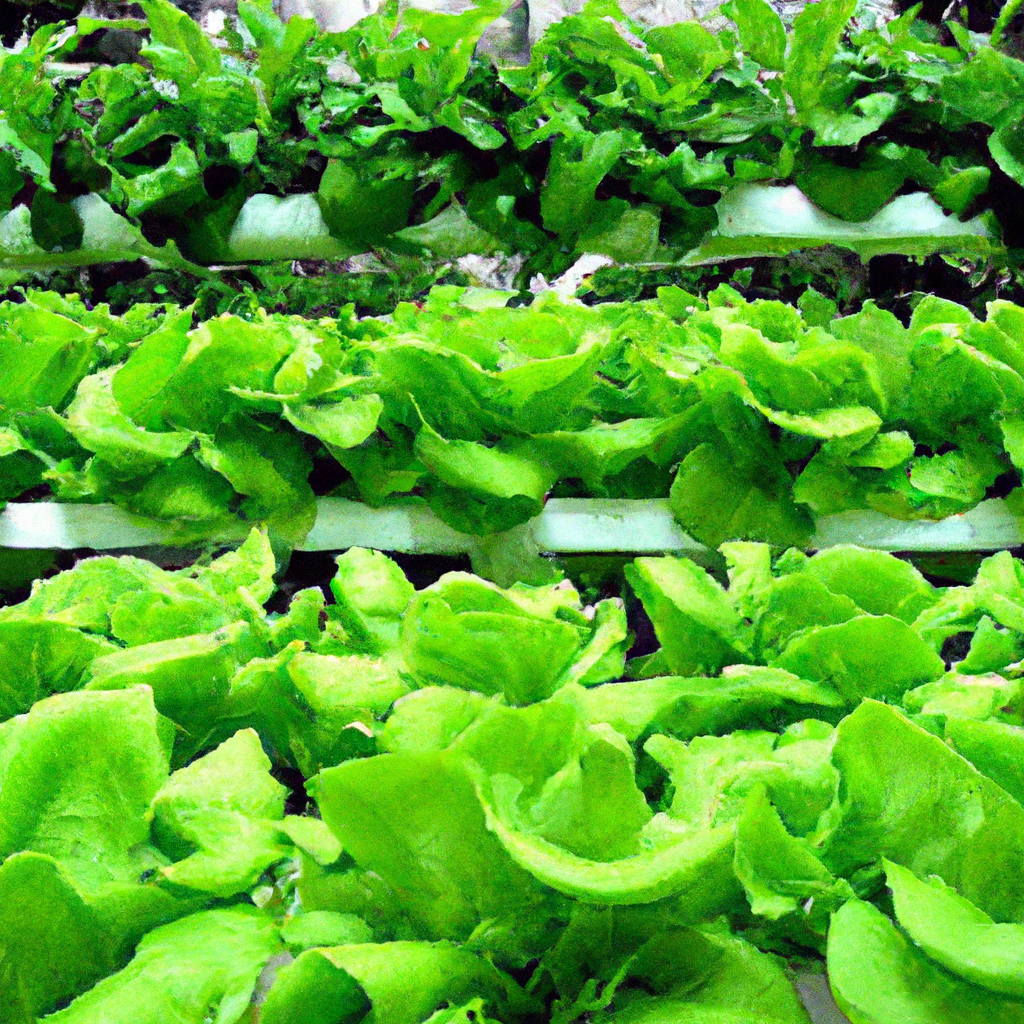
To maximize plant growth and productivity in hydroponic systems, several techniques and practices can be implemented. From pruning and training to optimizing the root zone and enhancing nutrient uptake, these strategies will help you achieve healthy and abundant harvests.
Pruning and Training Techniques
Pruning and training techniques can help shape and control the growth of your plants, increasing their productivity. Remove excessive foliage and unwanted side shoots to redirect energy towards fruiting or desired growth. Consider plant-specific pruning techniques, such as topping, pinching, or trellising, to optimize your plants’ canopy and overall growth.
Root Zone Optimization
The root zone is critical for nutrient absorption and overall plant health. Regularly monitor and maintain the root zone environment to promote optimal root development. Ensure proper oxygenation by maintaining adequate air circulation and preventing the accumulation of stagnant water. Avoid root zone compaction or overcrowding, as this can impede nutrient uptake and growth.
Enhancing Nutrient Uptake
Maximize nutrient uptake by providing an optimal growing environment for your plants’ root systems. Ensure a balanced nutrient solution with appropriate nutrient levels and pH. Implement proper irrigation methods, such as drip irrigation or flood and drain systems, to ensure the consistent delivery of nutrients to the roots. Also, consider using root additives or beneficial microorganisms to enhance nutrient availability and uptake.
Stress Management
Plants in hydroponic systems may encounter various stresses, including temperature fluctuations, nutrient imbalances, or water-related issues. Implement stress management techniques, such as optimizing environmental conditions, maintaining appropriate nutrient levels, and preventing waterlogged or dry conditions. Minimizing stress factors will help plants thrive and produce high-quality yields.
Supplementing CO2
Supplementing carbon dioxide (CO2) in your hydroponic system can enhance plant growth and yield. CO2 supplementation helps plants increase their photosynthetic capacity, resulting in faster growth and higher productivity. Follow guidelines for CO2 supplementation and monitor CO2 levels to ensure they remain within the optimal range.
Plant Support Systems
Some plants require additional support to maintain an upright position or support heavy fruiting. Implement plant support systems, such as trellises, cages, or stakes, to provide stability for your plants. Proper support prevents damage to the plants and allows for better air circulation, which reduces the risk of diseases.
Plant Propagation Methods
Plant propagation is necessary to replenish your hydroponic garden with new plants. Explore different propagation methods, such as seed starting, cuttings, or tissue culture, to produce healthy and robust plants for continuous cultivation. Research the specific propagation techniques for the plants you are growing and experiment to find the most successful methods.
Foliar Feeding
Foliar feeding is the practice of applying nutrients directly to the leaves of plants. This technique allows for efficient absorption of nutrients through the leaves, bypassing any root-related issues. Foliar feeding can help address nutrient deficiencies quickly and provide additional nutrition to plants during critical growth stages.
Crop Rotation and Succession Planting
To optimize the productivity and overall health of your hydroponic garden, implement crop rotation and succession planting techniques. Rotate the plant varieties grown in each grow cycle to prevent the buildup of pests and diseases and promote nutrient balance in the growing medium. Succession planting involves staggering the planting and harvesting of crops to ensure a continuous supply of fresh produce.
Plant-Related Tips and Tricks
Experiment with various plant-related tips and tricks to enhance plant growth and productivity. Some strategies include using reflective surfaces, using companion planting techniques, implementing plant-specific support structures, or adjusting lighting spectrums and intensities as the plants mature. Be open to trying new techniques and adapt them to suit your specific gardening environment and goals.
Common Hydroponic Gardening Mistakes
As with any gardening method, hydroponic gardening can come with certain challenges and potential pitfalls. Avoiding these common mistakes will help you achieve better results and a more successful hydroponic garden.
Poor Nutrient Management
One of the most common mistakes in hydroponic gardening is poor nutrient management. Failing to provide the right nutrient balance, monitoring nutrient levels, or adjusting pH can lead to nutrient deficiencies, imbalances, or toxicities. Regularly monitor and adjust nutrient levels based on your plants’ needs to ensure healthy growth.
Inadequate Lighting
Insufficient or improper lighting can hinder photosynthesis and overall plant growth. Providing the right type of grow lights, optimal light spectrum, intensity, and duration is crucial. Understand the light requirements specific to your plants and ensure they are met consistently throughout their growth cycle.
Over or Underwatering
Watering is a balancing act in hydroponic gardening. Overwatering can lead to root rot, oxygen deprivation, or nutrient imbalances, while underwatering can result in stunted growth or nutrient deficiencies. Develop a watering schedule and monitor moisture levels in your growing medium to ensure plants receive the right amount of water.
Improper pH Levels
Maintaining proper pH levels is essential for nutrient availability and healthy plant growth. Ignoring pH levels or failing to adjust them can lead to nutrient lockout or deficiencies. Regularly monitor the pH of your nutrient solution and adjust it to the optimal range for your plants.
Failure to Maintain Equipment
Proper maintenance of your hydroponic system and equipment is necessary for optimal performance. Neglecting regular cleaning, inspection, and repairs can lead to system failures or poor plant health. Regularly clean, sanitize, and inspect all components of your system, and promptly address any maintenance or repair needs.
Ignoring Pest and Disease Prevention
Pests and diseases can quickly spread in hydroponic systems if not properly managed. Ignoring preventive measures or failing to regularly inspect plants can lead to infestations, diseases, or poor plant health. Implement a proactive approach to pest and disease prevention, including regular monitoring, maintaining proper sanitation, and using safe and effective pest control methods.
Choosing the Wrong Plants
Not all plants are suitable for hydroponic gardening. Choosing plants that have specific soil requirements, extensive root systems, or long growth cycles can lead to challenges or limited success in hydroponics. Research and select plants that are well-suited for hydroponic cultivation and align with your gardening goals.
Overcrowding Plants
Overcrowding plants in your hydroponic system can lead to competition for light, nutrients, and space. This can result in reduced growth, increased risk of pests and diseases, and poor overall plant health. It is important to space out plants appropriately to provide proper air circulation, light exposure, and room for root expansion.
Neglecting Temperature and Humidity
Failure to regulate temperature and humidity levels can negatively impact plant growth and productivity. Extreme temperatures or humidity levels can stress plants or create favorable conditions for pests and diseases. Monitor and regulate temperature and humidity using appropriate ventilation, cooling, or heating methods to ensure optimal growing conditions.
Lack of Monitoring and Adjusting
Regular monitoring and adjusting are fundamental to successful hydroponic gardening. Neglecting to monitor pH and nutrient levels, water quality, or environmental conditions can result in nutrient deficiencies, imbalances, or poor plant health. Establish a monitoring routine and make necessary adjustments to maintain optimal conditions for plant growth.
By following best practices, avoiding common mistakes, and continuously learning and experimenting, you’ll be on your way to establishing and maintaining a thriving hydroponic garden. Enjoy the exciting journey of hydroponic gardening and reap the rewards of fresh, healthy produce year-round.