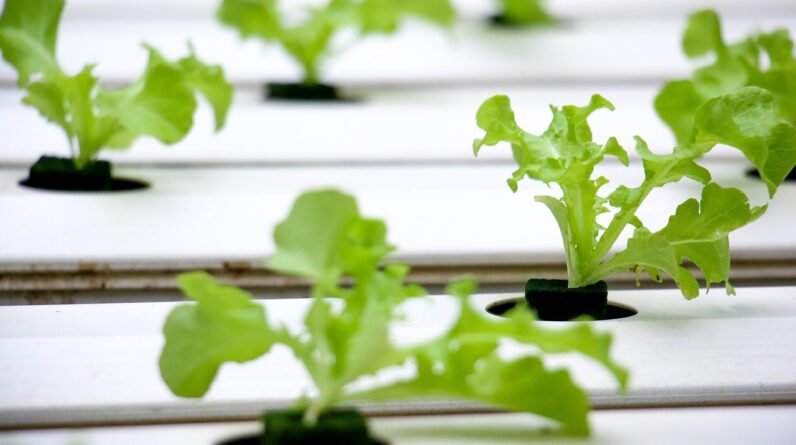
Hey there! Looking to try your hand at gardening but don’t have a backyard? Well, fear not! Introducing “Hydroponic Gardening: A Beginner’s Guide.” This article is here to equip you with all the knowledge you need to start your own indoor garden using hydroponics. No soil, no problem! Say goodbye to traditional pots and get ready to embark on a journey of growing plants in water. It’s time to embrace a sustainable and efficient way of nurturing your green thumb. Let’s get started!
What is Hydroponic Gardening?
Definition
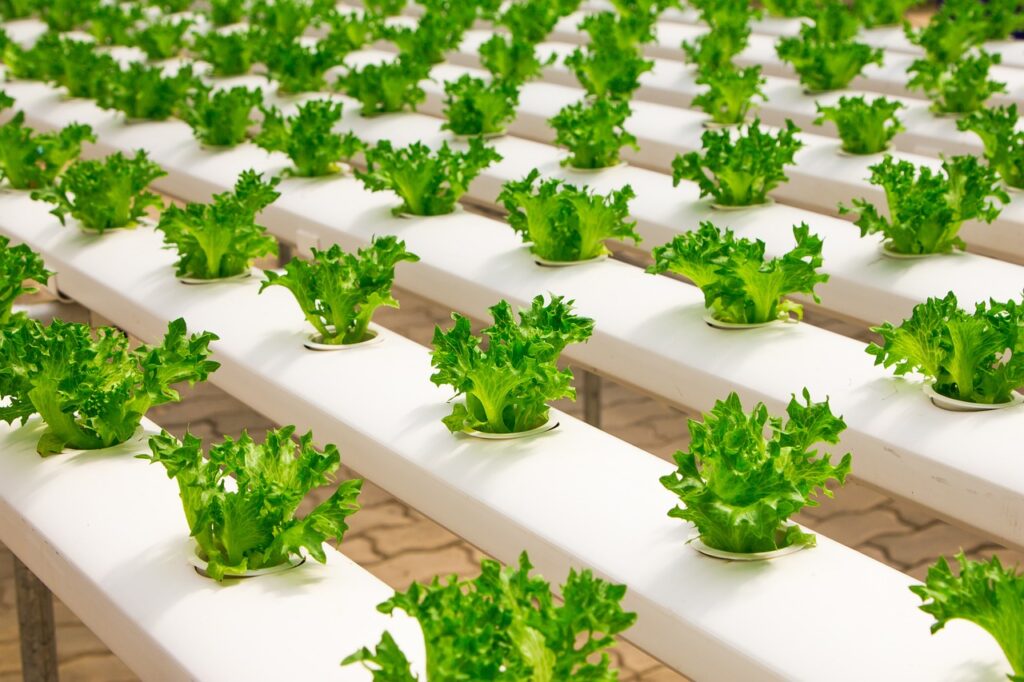
Hydroponic gardening is a method of growing plants without soil. Instead, plants are grown in nutrient-rich water, providing them with all the essential elements needed for optimal growth. This innovative gardening technique utilizes various systems and components to create a controlled environment for plants to thrive.
History
Hydroponic gardening may seem like a modern concept, but its roots can be traced back to ancient civilizations. The Hanging Gardens of Babylon, one of the Seven Wonders of the Ancient World, are believed to have employed hydroponic principles to sustain their lush greenery. In the 17th century, the English philosopher Francis Bacon experimented with growing plants using water and nutrients. However, it wasn’t until the 20th century that hydroponics gained widespread recognition and became a popular method of cultivation.
Advantages of Hydroponic Gardening
Controlled Environment
One of the primary advantages of hydroponic gardening is the ability to create a controlled environment for plants. By controlling factors such as temperature, humidity, and light, you can optimize plant growth and maximize yields. This level of control is especially beneficial in regions with unfavorable climates or limited arable land.
Water Conservation
Hydroponic gardening is incredibly water-efficient compared to traditional soil-based gardening. The closed-loop systems used in hydroponics allow for the recycling and reuse of water, minimizing waste. This is particularly advantageous in areas facing water scarcity or where water resources need to be conserved.
Faster Growth and Higher Yields
Plants grown hydroponically enjoy faster growth rates compared to their soil-grown counterparts. With all the necessary nutrients readily available, plants can focus their energy on growth and development. This leads to higher yields and shorter growing cycles, allowing for multiple harvests throughout the year.
No Soil Required
The absence of soil in hydroponic systems eliminates the need for tilling and soil preparation. This translates to significant time and labor savings. Additionally, soil-borne pests and diseases are virtually eliminated, reducing the need for chemical pesticides and fungicides.
Fewer Pests and Diseases
Hydroponic gardening provides a controlled environment that minimizes the risk of pests and diseases. Without soil as a breeding ground for harmful organisms, plants are less susceptible to infestations. This eliminates the need for harmful chemical pesticides, creating a healthier and more sustainable gardening approach.
Year-Round Growing
Hydroponic gardening enables year-round cultivation, regardless of the season or climate. By replicating ideal growing conditions in an indoor or greenhouse setting, you can extend the growing season and enjoy fresh produce throughout the year. This is particularly advantageous in areas with long winters or limited access to fresh, locally grown produce.
Basic Components of Hydroponic Systems
Growing Containers
Growing containers in hydroponic systems serve as the support structure for plants and hold the growing medium. They come in various shapes and sizes, ranging from simple buckets or trays to more specialized containers designed for specific hydroponic techniques.
Growing Medium
Unlike soil-based gardening, where soil provides physical support and nutrients, hydroponic systems use different growing mediums. These mediums, such as perlite, coconut coir, or rockwool, provide support to the plants’ roots and help distribute the nutrient solution evenly.
Nutrient Solution
The nutrient solution is a vital component in hydroponic gardening. It contains all the essential elements and minerals necessary for plant growth. Typically, the solution consists of water mixed with commercially available hydroponic nutrients specifically formulated to provide the ideal balance of nutrients for plants.
Water Reservoir
The water reservoir is where the nutrient solution is stored in a hydroponic system. It acts as a central hub, supplying water and nutrients to the plants. Depending on the system size, the reservoir can range from a small container to a larger tank.
Pump and Irrigation System
An essential component of hydroponic systems, pumps and irrigation systems ensure the continuous flow and distribution of the nutrient solution to the plants. The pump moves the solution from the reservoir to the growing containers, delivering nutrients to the roots.
pH and EC Monitoring
Monitoring the pH and electrical conductivity (EC) levels of the nutrient solution is crucial to maintain optimal growing conditions for plants. pH levels affect nutrient absorption, while EC levels indicate the concentration of nutrients in the solution. Regular monitoring and adjustment ensure plants receive the proper balance of nutrients.
Types of Hydroponic Systems
Drip System
Drip systems are one of the most common hydroponic systems. Nutrient solution is dripped onto the roots of plants through small tubes or emitters, providing a constant supply of water and nutrients. This system is versatile and can be used for various plant types and sizes.
Ebb and Flow System
Also known as flood and drain systems, ebb and flow systems periodically flood the growing containers with the nutrient solution and then drain it away. This cyclic flooding and draining provide plants with water and nutrients, simulating natural watering conditions.
NFT (Nutrient Film Technique) System
NFT systems rely on a thin film of nutrient solution flowing over the roots, providing a continuous supply of water and nutrients. This system uses sloped channels to ensure a continuous flow of the solution, allowing plants to take what they need while avoiding waterlogging.
Water Culture System
Water culture systems, also known as deep water culture, suspend plants’ roots directly in the nutrient solution. Oxygen is continuously supplied through air pumps or diffusers to prevent root suffocation. This system is especially suitable for growing leafy greens and herbs.
Aeroponic System
Aeroponic systems suspend plant roots in the air and mist them with a fine nutrient solution, providing both water and nutrients. This method allows for faster growth as the roots have increased access to oxygen. Aeroponic systems are ideal for growing plants that require a high level of oxygenation, such as strawberries and tomatoes.
Wick System
Wick systems are one of the simplest and most low-maintenance hydroponic systems. A wick, typically made of cotton or other absorbent material, transports the nutrient solution from the reservoir to the growing medium. This passive system is suitable for smaller-scale gardening and low-maintenance plants.
Choosing the Right Plants for Hydroponic Gardening
Leafy Greens
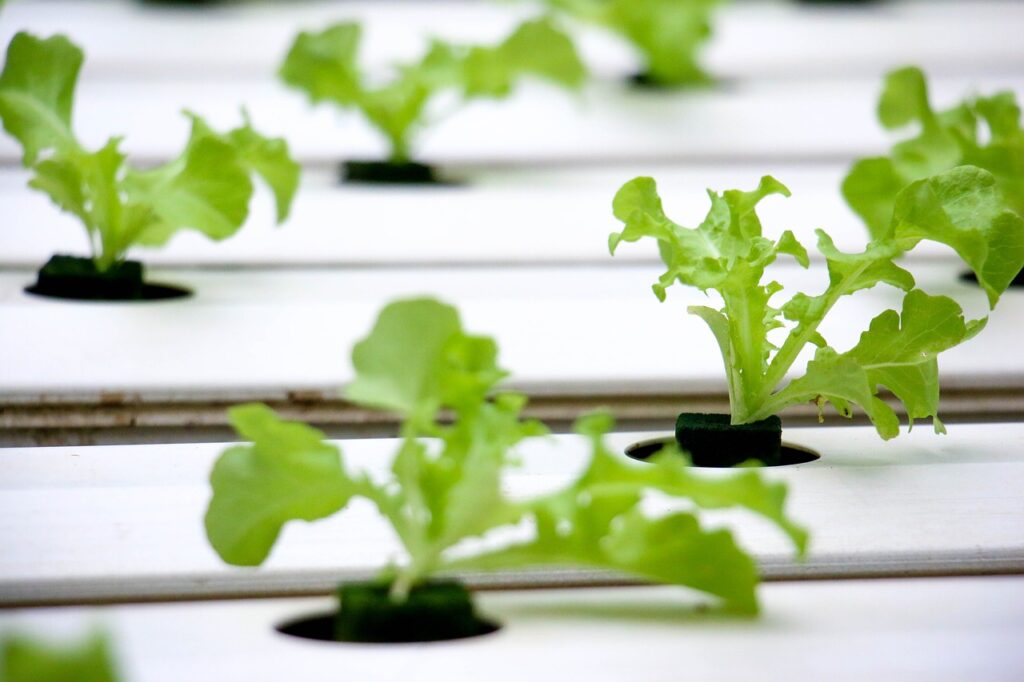
Leafy greens, such as lettuce, spinach, and kale, are well-suited for hydroponic gardening. They have shallow root systems and enjoy the nutrient-rich environment hydroponic systems provide. These fast-growing vegetables can be harvested in a matter of weeks, ensuring a steady supply of fresh, crispy greens.
Herbs
Herbs, such as basil, cilantro, and parsley, thrive in hydroponic systems. They require minimal space and have compact root systems, making them perfect for vertical gardening. Hydroponic-grown herbs often have stronger flavors and longer shelf lives compared to their soil-grown counterparts.
Strawberries
Strawberries are highly adaptable to hydroponic gardening and are known for their sweet taste. Vertical hydroponic systems are particularly suitable for growing strawberries, as they require less space and allow the fruits to hang freely, reducing the risk of rot.
Tomatoes
Tomatoes are well-suited for hydroponic gardening, producing high yields and delicious fruits. Compact and determinate varieties are usually preferred, as they require less vertical space. Hydroponic-grown tomatoes often have better flavor and are less prone to diseases than soil-grown ones.
Cucumbers
Cucumbers also thrive in hydroponic systems. Compact varieties that produce smaller fruits are recommended for more efficient space utilization. The controlled environment of hydroponics eliminates the risk of soil diseases, promoting healthier cucumber plants and tastier harvests.
setting Up a Hydroponic System
Determining Space and Lighting
Before setting up a hydroponic system, it’s essential to determine the available space and lighting conditions. Hydroponic systems can be set up indoors or outdoors, depending on the type of plants and the desired growing environment. Adequate lighting, whether natural sunlight or grow lights, is crucial for photosynthesis and plant growth.
Choosing the Right System
Choosing the right hydroponic system depends on various factors such as space availability, budget, and types of plants to be grown. Consider the pros and cons of each system and select one that aligns with your gardening goals and resources.
Assembling the Components
Once you have chosen a hydroponic system, it’s time to assemble the components. Follow the manufacturer’s instructions and ensure all the necessary parts are properly connected. Take care to position the system in a convenient location with easy access to water and electricity.
Preparing the Nutrient Solution
Mixing the nutrient solution accurately is crucial for the success of your hydroponic system. Follow the instructions provided by the nutrient manufacturer and measure the nutrients precisely. Maintain the recommended ratio to ensure proper plant nutrition.
Testing Water pH and EC
Before introducing plants to your hydroponic system, test the water pH and electrical conductivity (EC). The ideal pH range for most plants is between 5.5 and 6.5. EC levels should be within the range recommended for the specific plants being grown. Adjust accordingly to provide optimal growing conditions.
Starting Seeds or Transplants
Once your system is set up and the nutrient solution is prepared, you can start germinating seeds or transplanting seedlings. Follow the recommended planting techniques for the specific plants you have chosen. Ensure the growing medium is moist and that plants have access to sufficient light and warmth for healthy growth.
Maintaining a Hydroponic System
Monitoring pH and EC Levels
Regular monitoring of pH and EC levels is essential for maintaining the health of your hydroponic plants. Use a pH meter and an EC meter to measure the levels, and adjust them accordingly. Fluctuations in pH can affect nutrient uptake, while imbalanced EC levels can lead to nutrient deficiencies or toxicity.
Managing Nutrient Solution
The nutrient solution in your hydroponic system needs to be managed carefully. Monitor its level in the reservoir and top it up as needed. Ensure you replace the entire solution every few weeks to prevent nutrient buildup and imbalances. Regularly inspect the solution for any signs of contamination or discoloration.
Providing Adequate Water and Oxygen
Water is a vital component in hydroponic systems, and plants require an adequate supply of both water and oxygen. Ensure the water level in the reservoir remains sufficient for the plants’ needs, and use air pumps or diffusers to introduce oxygen to the roots. Adequate water and oxygen levels are essential for healthy root development and overall plant growth.
Preventing and Controlling Pests and Diseases
Though hydroponic gardening minimizes the risk of pests and diseases, it’s still essential to remain vigilant. Regularly inspect plants for any signs of infestation or disease. Implement preventive measures such as proper sanitation, regular cleaning, and maintaining a pest-free environment. In case of an outbreak, use organic or biological pest management methods to control the issue.
Regular System Cleaning and Maintenance
Maintaining a clean and well-maintained hydroponic system is crucial for sustained plant growth. Regularly clean the components, such as the growing containers, pumps, and irrigation systems, to prevent clogs and contamination. Remove any dead plant matter promptly and keep the system free from debris.
Pruning and Training Plants
Proper plant maintenance includes pruning and training the plants. Remove any dead or yellowing leaves to prevent the spread of diseases. Train vining plants, such as tomatoes or cucumbers, by gently tying them to trellises or supports to promote upright growth and maximize space utilization.
Hydroponic Gardening Tips for Beginners
Start Small
If you are new to hydroponic gardening, it’s best to start small. Begin with a simple system and a few plants to familiarize yourself with the basics. As you gain experience and confidence, you can expand your setup and experiment with more advanced techniques.
Research and Learn
Hydroponic gardening involves a learning curve, so take the time to research and learn about the different systems, plants, and techniques. Familiarize yourself with the specific requirements of the plants you intend to grow and seek advice from experienced hydroponic gardeners or online resources.
Choose the Right Nutrients
Choosing the right nutrients for your hydroponic system is crucial for plant health and growth. Different plants have varying nutrient requirements, so select a nutrient solution specifically formulated for hydroponics and the plants you are growing. Follow the manufacturer’s recommendations for optimal results.
Monitor and Adjust
Regular monitoring of your hydroponic system is key to its success. Keep an eye on nutrient levels, pH, and EC levels, and make necessary adjustments. Take note of any changes in plant growth or health and adjust the system accordingly to ensure optimal growing conditions.
Be Diligent in System Maintenance
Maintaining a hydroponic system requires diligence and attention to detail. Regularly clean and inspect the components, monitor nutrient solution levels, and perform necessary maintenance tasks. By staying proactive in system upkeep, you can prevent potential issues and ensure healthy plant growth.
Experiment and Adapt
Hydroponic gardening allows for experimentation and adaptation. Don’t be afraid to try new techniques or adjust your system to suit your plants’ needs. Learn from any challenges you encounter along the way, and be open to adapting your approach based on your plants’ responses.
Common Challenges and Solutions
Nutrient Imbalance
A common challenge in hydroponic gardening is nutrient imbalance. Regularly monitor pH and EC levels, and adjust the nutrient solution accordingly. Follow recommended nutrient schedules and consult with experts or experienced hydroponic gardeners if imbalances persist.
Root Rot
Root rot can occur if the roots are continuously soaked in water, leading to oxygen deprivation. Ensure proper drainage in your hydroponic system and provide adequate oxygenation to prevent root rot. Use air pumps or diffusers to introduce oxygen to the roots.
Algae Growth
Algae growth can occur in hydroponic systems exposed to sunlight. Shield your system from direct sunlight or cover it with opaque materials to prevent algae growth. Regular system cleaning and maintenance, including removing any debris or dead plant matter, can also help prevent algae growth.
Temperature Fluctuations
Temperature fluctuations can adversely affect plant growth in hydroponic systems. Maintain a consistent temperature range appropriate for the plants being grown. Use fans, ventilation, or climate control devices as needed to regulate temperature and ensure optimal growing conditions.
Poor Air Circulation
Insufficient air circulation can hinder plant growth by limiting the availability of oxygen to the roots and promoting the growth of pathogens. Provide adequate airflow in your hydroponic system through the use of fans or ventilation systems. Position fans to enhance air circulation around the plants, preventing stagnation and maintaining healthy plant growth.
Conclusion
Summary of Benefits
Hydroponic gardening offers numerous advantages over traditional soil-based gardening methods. This innovative technique provides a controlled environment, conserves water, promotes faster growth and higher yields, eliminates the need for soil, minimizes pests and diseases, and enables year-round growing. These benefits make hydroponic gardening an attractive option for both hobbyists and commercial growers.
Encouragement for Beginners
For those new to hydroponic gardening, the learning curve may seem daunting, but with proper research, patience, and a willingness to learn, success is within reach. Start small, choose the right plants and nutrients, and be diligent in system maintenance. You’ll soon enjoy the rewards of fresh, homegrown produce and the satisfaction of mastering this innovative gardening technique.
Benefits for the Future
Hydroponic gardening holds immense potential for the future of agriculture. With the global population increasing and arable land becoming scarce, hydroponics offers a sustainable solution for food production. By maximizing resources, minimizing waste, and providing optimal growing conditions, hydroponic gardening can contribute to a more food-secure and environmentally friendly future.