


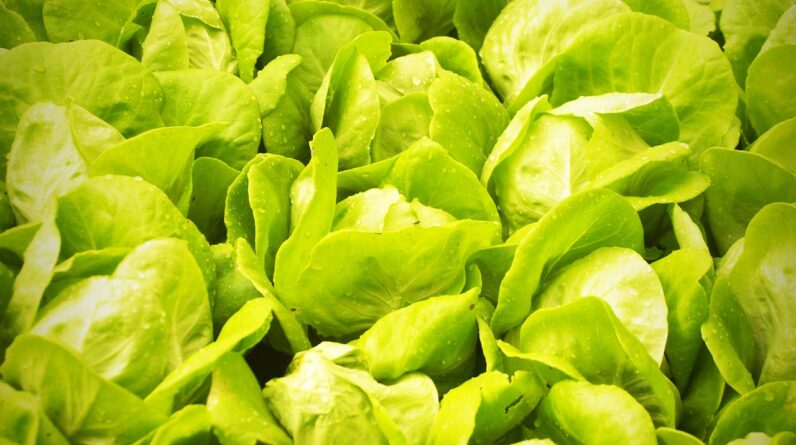
So you’re curious about the benefits of growing hydroponically? Well, let me tell you, it’s definitely something worth exploring. Imagine a world where you can grow your own fresh and nutritious vegetables all year round, regardless of the weather or limited outdoor space. With hydroponics, you have the power to do just that. Not only does it offer a more efficient and sustainable way of farming, but it also provides a range of surprising benefits that go beyond just food production. From water conservation to faster growth rates, let me give you a glimpse into the fascinating world of hydroponic gardening and the amazing advantages it brings.
Increased Crop Yield
Elimination of soil-based diseases and pests
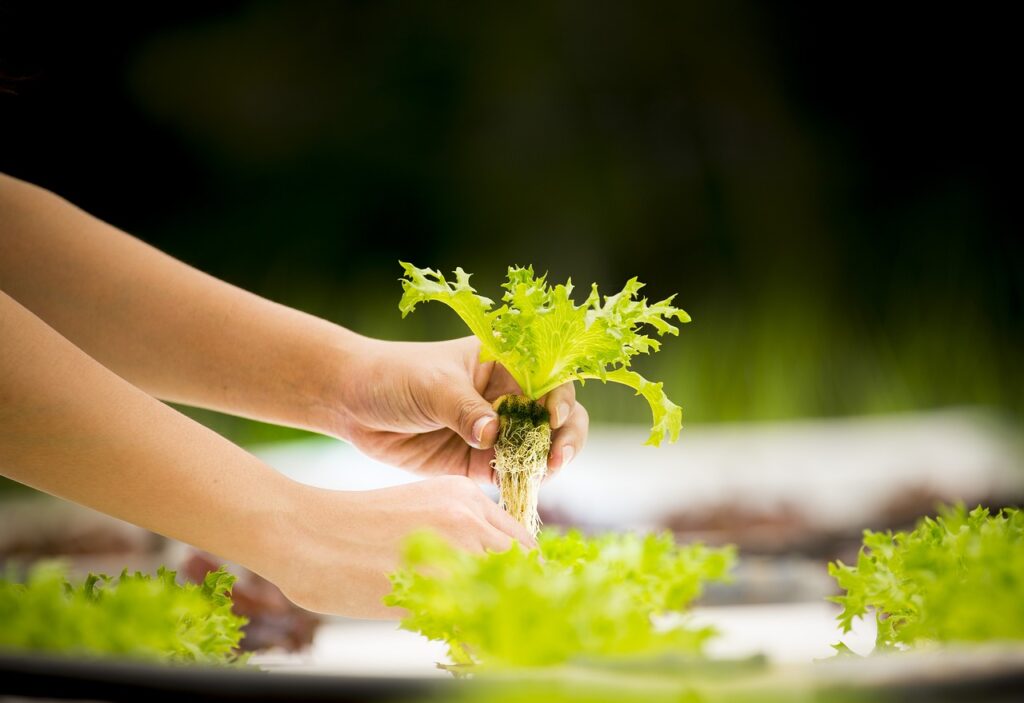
One of the significant benefits of growing hydroponically is the elimination of soil-based diseases and pests that can hinder crop growth. In traditional soil farming, plants are susceptible to various diseases and pests that reside in the soil. However, in a hydroponic system, plants are grown in a soilless medium, such as water or a nutrient-rich solution, which reduces the risk of soil-borne diseases and pests. This allows for healthier plant growth and higher crop yields.
Optimal use of nutrients
Hydroponic systems provide plants with an optimal balance of nutrients, ensuring they receive all the necessary elements for growth. In traditional farming, plants rely on the nutrients present in the soil, which can vary in composition and availability. Hydroponics allows for precise control over nutrient levels, ensuring plants receive the perfect amount of each essential element. This optimal nutrient balance promotes robust and vigorous growth, leading to increased crop yields.
Controlled environment for plant growth
In hydroponics, the environment in which plants grow can be closely monitored and controlled. Factors such as temperature, humidity, light intensity, and pH levels can be adjusted to create an ideal growing environment for plants. This level of control ensures that plants thrive and can reach their full growth potential. By providing plants with an optimized environment, hydroponics enables them to grow faster and produce higher yields compared to traditional farming methods.
Water Conservation
Reduced water usage compared to traditional farming
Hydroponic systems are known for their water efficiency, allowing for reduced water usage compared to traditional farming methods. In traditional agriculture, a substantial amount of water is lost through evaporation and runoff. However, in hydroponics, water usage is significantly minimized as it is recirculated and reused within the system. This reduced water consumption not only conserves this precious resource but also makes hydroponics a more sustainable and environmentally friendly approach to farming.
Recirculation of nutrient-rich water
In a hydroponic system, water that is not absorbed by the plants is recirculated and reused. Furthermore, this water is enriched with essential nutrients through a carefully balanced hydroponic nutrient solution. By recirculating nutrient-rich water, hydroponics ensures that plants receive a continuous supply of the necessary elements for growth. This promotes healthy root development and maximizes nutrient uptake, ultimately leading to increased crop yields.
Minimized water runoff and evaporation
Traditional farming methods often result in significant water runoff and evaporation, leading to the wastage of valuable resources. Hydroponics minimizes water runoff as the system is enclosed and water is reused, preventing any excess water from escaping. Additionally, evaporation is reduced as water is typically supplied directly to the roots of the plants, minimizing water loss through evaporation from the soil’s surface. With these water-saving measures in place, hydroponics proves to be an efficient and sustainable method of agriculture.
Year-Round Harvesting
Elimination of seasonal limitations
In traditional farming, seasonal limitations can restrict the availability of certain crops. However, with hydroponics, these limitations can be overcome. By creating an artificial growing environment, hydroponics eliminates the reliance on specific seasons for optimal growth. This means that farmers can produce crops throughout the year, ensuring a consistent and continuous supply of fresh produce regardless of the traditional growing seasons.
Continuous production cycle
Hydroponics allows for a continuous production cycle, enabling farmers to harvest crops consistently throughout the year. Unlike traditional farming, where time is spent on preparing the soil, waiting for seeds to germinate, and facing growth delays due to weather conditions, hydroponics offers a faster turnaround time. The controlled environment, optimized nutrient delivery, and efficient water usage in hydroponic systems promote accelerated growth, resulting in a continuous and reliable production cycle.
Increased availability of fresh produce
The year-round harvesting made possible by hydroponics means that fresh produce is available regardless of the time of year. Consumers no longer have to rely on imported or stored produce, which often loses nutritional value and flavor over time. With hydroponics, farmers can supply local markets and communities with fresh and nutritious produce consistently. The increased availability of fresh produce benefits not only consumers but also supports local economies and reduces the carbon footprint associated with long-distance transportation of fruits and vegetables.
Space Efficiency
Vertical farming maximizes land usage
One of the key advantages of hydroponics is its ability to maximize land usage through vertical farming. Instead of relying on large plots of land, hydroponic systems can be set up vertically, allowing for a higher volume of crops to be grown in a smaller footprint. Plants are stacked vertically, taking advantage of available space and effectively utilizing the vertical dimension. This efficient space utilization makes hydroponics an excellent option for areas with limited farmland or urban environments, where land is at a premium.
Reduction in land required for cultivation
Hydroponics reduces the land required for cultivation compared to traditional farming. As plants are grown in a controlled environment without the need for soil, the size of the growing area can be significantly smaller. The elimination of soil not only saves land but also eliminates the need for extensive land preparation and maintenance. This reduction in land required for cultivation is particularly valuable in regions where arable land is scarce, allowing for more efficient use of available land resources.
Suitable for urban environments
Hydroponics is particularly well-suited for urban environments where farmland is limited or non-existent. The space-saving nature of hydroponic systems makes it possible to establish farms in urban areas, utilizing unused buildings, rooftops, or even vertical garden structures. By bringing agriculture closer to urban centers, hydroponics reduces the need for long-distance transportation of food, promoting local food production and enhancing food security for urban populations. Additionally, the aesthetic appeal of hydroponic farms in urban environments can contribute to the greening of cities and improve the overall quality of life.
Weed Control
Elimination of weeds and weed competition
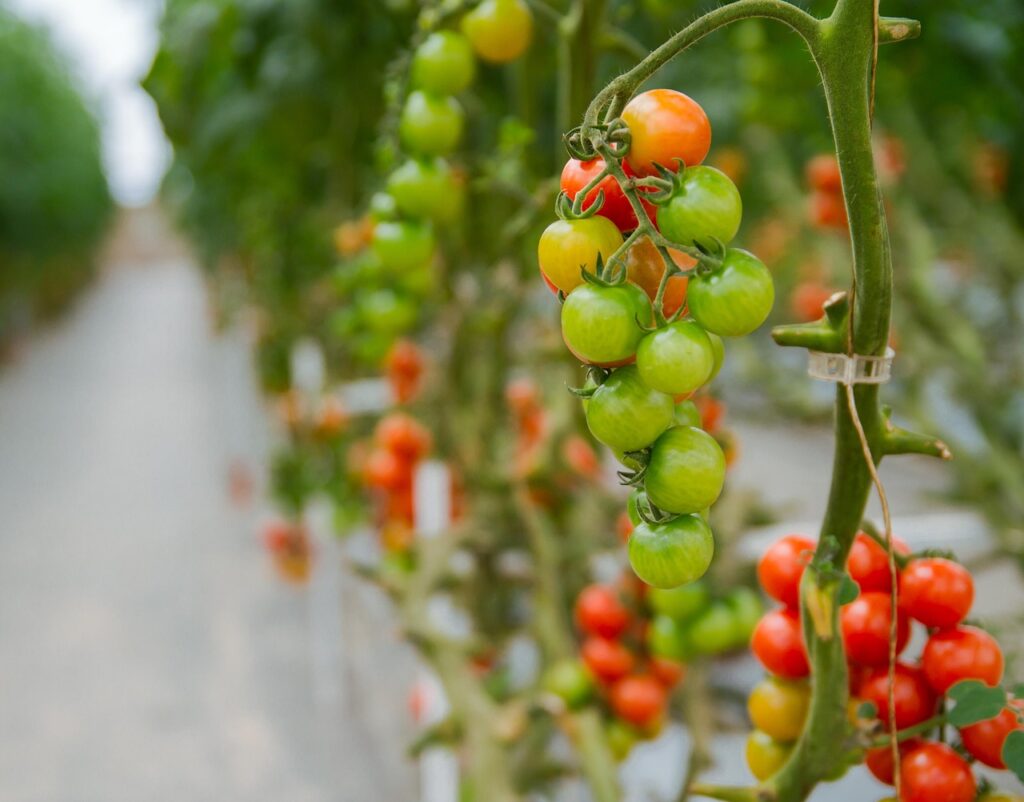
Weeds pose a significant challenge for traditional farmers as they compete with crops for nutrients, water, and sunlight. In hydroponics, the absence of soil eliminates the growth medium that weeds depend on, effectively eliminating the presence of weeds. With no weeds to compete with, crops in hydroponic systems can receive maximum nutrition and resources, leading to healthier plant growth and increased crop yields. This makes hydroponics an attractive option for farmers looking for a weed-free farming method.
Reduced need for herbicides
The elimination of weeds through hydroponics significantly reduces the need for herbicides. Unlike traditional farming, where herbicides are often used to control weed growth, hydroponic systems are inherently weed-free. The absence of herbicides can have various benefits, including environmental conservation and reduced chemical use. Hydroponics offers a more sustainable approach to weed control, ensuring that crops are cultivated without the introduction of harmful chemicals into the ecosystem.
Pest Control
Prevention of pest infestations
Traditional farming methods are often susceptible to pest infestations, which can devastate crops and lead to significant yield losses. In hydroponics, the controlled and enclosed environment minimizes the risk of pest infestations. Without soil, pests that rely on the soil for survival and reproduction find it difficult to establish themselves in hydroponic systems. This prevention of pest infestations not only protects crops but also reduces the need for pesticides, promoting a more natural and ecologically friendly approach to pest control.
Reduced need for pesticides
Hydroponic systems require fewer pesticides compared to traditional farming methods. The controlled environment of hydroponics, combined with the absence of soil, naturally results in fewer pest-related issues. With the reduced presence of pests, the need for pesticide application is significantly minimized. This reduction in pesticide use benefits both the environment and consumer health, as it reduces the exposure to harmful chemicals associated with pesticide application.
Controlled environment minimizes pest impact
The controlled environment of hydroponic systems provides an additional advantage in minimizing the impact of pests. By closely monitoring and regulating environmental factors such as temperature, humidity, and light intensity, the conditions for pest survival and reproduction can be effectively controlled. This prevents pests from multiplying and causing damage to crops. The controlled environment of hydroponics enables farmers to mitigate the risks associated with pest infestations and ensure consistent and healthy crop growth.
Resource Efficiency
Reduction in energy consumption
Hydroponic systems are known for their resource efficiency, including energy consumption. Compared to traditional farming methods, hydroponics requires less energy due to its ability to control and optimize environmental factors. By using energy-efficient lighting systems, such as LED grow lights, and implementing intelligent climate control systems, the energy required for maintaining the ideal growing conditions can be minimized. This reduction in energy consumption contributes to the sustainability of hydroponics and reduces the reliance on fossil fuels.
Less reliance on fossil fuels
Traditional farming methods often rely on the use of fossil fuels for various agricultural activities, such as tilling, irrigation, and transportation. In contrast, hydroponics offers a more sustainable alternative by reducing the reliance on fossil fuels. As hydroponic systems utilize recirculated water, minimize the need for soil preparation, and eliminate the need for long-distance transportation, the energy consumption associated with these activities is significantly reduced. This reduced reliance on fossil fuels makes hydroponics a more environmentally friendly choice for agriculture.
Reduction in chemical usage
The controlled environment and precise nutrient delivery in hydroponic systems minimize the need for chemical inputs, such as fertilizers and pesticides. Unlike traditional farming, where a broad range of chemicals is often used to enhance crop growth and combat pests and diseases, hydroponics relies on a carefully balanced nutrient solution and preventive measures to ensure plant health. This reduction in chemical usage benefits both the environment and consumer health, providing a safer and more sustainable farming method.
Nutritional Value
Control over nutrient composition
Hydroponic systems provide farmers with precise control over the nutrient composition of the growing solution. This level of control allows farmers to tailor the nutrient solution to the specific needs of each plant species or variety. By optimizing the nutrient composition, plants can receive the ideal balance of essential elements, promoting healthier growth and enhancing the nutritional value of the crops. The ability to customize the nutrient solution in hydroponics ensures that plants receive the necessary vitamins, minerals, and other nutritional elements required for optimal growth.
Enhanced nutrient absorption
In hydroponics, plants have direct access to nutrients as they are dissolved in water and delivered directly to the roots. This direct access to nutrients promotes enhanced nutrient absorption compared to traditional farming, where nutrient availability can be limited by soil conditions. The increased efficiency of nutrient absorption in hydroponics enables plants to take up a higher quantity of essential nutrients, leading to faster growth and improved nutritional value.
Increased vitamin and mineral content
Studies have shown that hydroponically grown crops can exhibit higher levels of vitamins and minerals compared to their soil-grown counterparts. The optimal nutrient delivery and controlled growing conditions in hydroponics contribute to these increased nutrient levels. By providing plants with precisely balanced nutrient solutions, hydroponics ensures that plants have access to an abundance of essential vitamins and minerals throughout their growth cycle. The increased vitamin and mineral content in hydroponically grown produce can provide consumers with a more nutritious and healthier food option.
Labor Efficiency
Automation of various processes
Hydroponic systems can be designed to automate various processes involved in plant cultivation. Automated systems can take care of tasks such as nutrient dosing, pH adjustment, and climate control, reducing the need for manual intervention. This automation not only minimizes labor requirements but also ensures precise and consistent execution of these essential tasks. By automating processes in hydroponics, labor efficiency can be significantly increased, allowing farmers to focus on other aspects of crop management and productivity.
Less physical labor required
Compared to traditional farming, hydroponics requires less physical labor. Without the need for extensive soil preparation, weeding, or crop rotation, the physical demands on farmers are reduced. Additionally, the controlled environment of hydroponic systems minimizes the need for activities such as pest control and irrigation, which often require manual labor in conventional agriculture. With the reduction in physical labor required, hydroponics offers a more efficient and less physically demanding farming method.
Higher productivity per worker
The reduced labor requirements in hydroponics, combined with the automation of various processes, lead to higher productivity per worker. With fewer tasks to perform and more efficient use of time, farmers can focus on managing multiple hydroponic systems simultaneously. This higher productivity per worker translates to increased crop yields and economic viability. Hydroponics not only offers labor efficiency but also improves the overall profitability of farming operations.
Consistent Quality
Controlled environmental conditions
One of the key advantages of hydroponics is the ability to create and maintain controlled environmental conditions for plant growth. Factors such as temperature, humidity, and light intensity can be precisely regulated, ensuring optimal conditions for crops throughout their growth cycle. This level of control eliminates the variability often associated with outdoor farming, resulting in consistent growth patterns and predictable crop quality. The controlled environmental conditions in hydroponics contribute to the consistent quality of produce and ensure that consumers receive products that meet their expectations.
Standardized growth parameters
In hydroponics, farmers can establish standardized growth parameters for different plant species or varieties. These parameters include factors such as nutrient levels, pH range, light duration, and temperature range, among others. By setting standardized growth parameters, farmers can ensure that plants receive the most appropriate conditions for their growth and development. The establishment of consistent and optimized growth parameters in hydroponics leads to more predictable and uniform crop growth, ultimately resulting in consistent quality across batches of produce.
Uniform produce quality
Hydroponics promotes uniform produce quality through its controlled and optimized growing conditions. The absence of environmental factors that can cause variations in crop growth, such as differing soil compositions or weather fluctuations, results in consistent plant development. In hydroponic systems, crops are typically closely spaced and receive equal access to light, water, and nutrients, ensuring that each plant receives the same level of care and resources. This uniformity in hydroponic systems translates into consistent and uniform produce quality, offering consumers reliable and predictable products.
In conclusion, growing hydroponically offers numerous benefits across different aspects of farming and plant cultivation. From increased crop yields and water conservation to year-round harvesting and improved resource efficiency, hydroponics provides a sustainable and efficient approach to agriculture. The controlled environment of hydroponics ensures consistent quality, nutrient-rich produce with enhanced flavor and nutritional content. With the potential for labor savings and the ability to maximize land usage, hydroponics presents a promising solution for addressing the challenges of modern agriculture and meeting the growing demand for fresh, high-quality food.


