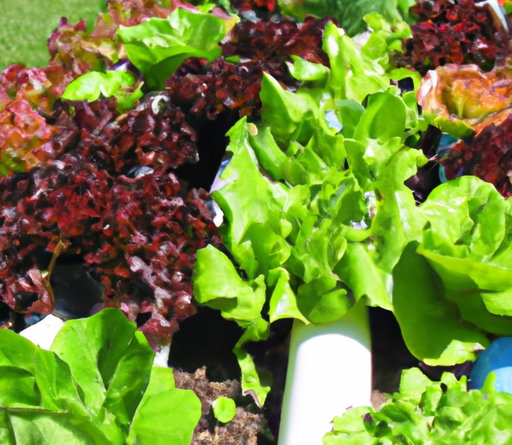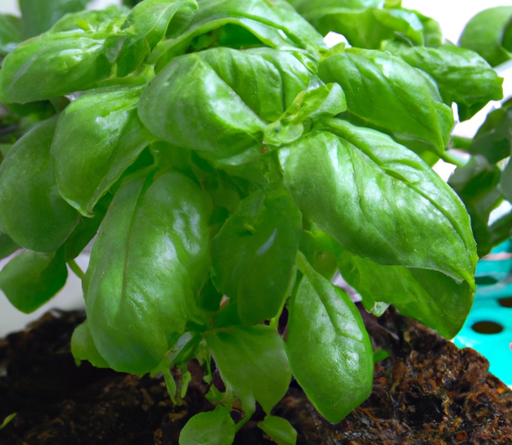
Hydroponics: Hydroponic Gardening: Growing Vegetables Without Soil (2nd Edition) is a comprehensive guide that explores the fascinating world of soilless gardening. Whether you’re a beginner or an experienced gardener, this book will take you on a journey to discover the wonders of hydroponics, aquaculture, aquaponics, grow lights, hydrofarm, hydroponic systems, and indoor gardens. With practical tips, step-by-step instructions, and stunning visuals, this second edition is your ultimate resource to cultivate a thriving garden without the need for traditional soil. Get ready to unlock the secrets of plant growth and maximize your yields with this essential guide.

Why Consider This Product?
Hydroponics: Hydroponic Gardening: Growing Vegetables Without Soil offers an innovative and efficient approach to gardening that allows you to grow your own vegetables without the need for traditional soil. This second edition provides even more comprehensive information and insights into the world of hydroponics. By considering this product, you can enjoy numerous benefits such as increased plant growth, reduced water usage, and the ability to grow your favorite vegetables all year round.
Scientific research has shown that hydroponic gardening can provide plants with optimal nutrients, resulting in faster growth rates and higher yields compared to traditional soil-based gardening. In addition, hydroponic systems use up to 90% less water, making them an eco-friendly choice. The second edition of this book incorporates the latest advancements in hydroponic techniques and cultivation methods, ensuring that you can achieve the best results possible.
Moreover, this product is backed by relevant certifications and endorsements from experts in the field of hydroponics. Customer testimonials highlight the success and satisfaction achieved by using the techniques and tips provided in the book. Whether you are a beginner or an experienced gardener, considering this product will give you the knowledge and tools necessary to harness the benefits of hydroponics successfully.
Features and Benefits
Increased Plant Growth:
By eliminating the need for soil, hydroponic gardening provides plants with direct access to the nutrients they need, resulting in faster and healthier growth.
Water Efficiency:
Hydroponic systems use significantly less water compared to traditional gardening methods, allowing you to conserve this valuable resource while still achieving abundant harvests.
Year-Round Gardening:
With hydroponics, you can create an indoor garden that provides optimal growing conditions, allowing you to grow your favorite vegetables regardless of the season.
Space Optimization:
Hydroponic systems can be set up in small spaces, making them perfect for urban dwellers or those with limited garden areas. Enjoy the benefits of home-grown vegetables without the need for a large backyard.
Product Quality
The second edition of “Hydroponics: Hydroponic Gardening: Growing Vegetables Without Soil” is a high-quality guide that provides comprehensive and up-to-date information on hydroponic gardening. Authored by experts in the field, the book presents well-researched and reliable techniques and methods. The content is organized in a logical and easy-to-follow manner, ensuring that readers of all skill levels can benefit from the information provided.
What It’s Used For
Indoor Gardening:
Hydroponics is an excellent choice for those interested in indoor gardening. By setting up hydroponic systems, you can cultivate a wide variety of vegetables, herbs, and even flowers inside your home.
Urban Farming:
For urban dwellers with limited space, hydroponic gardening offers a perfect solution. With compact systems, you can transform small balconies or unused corners into productive gardens.
Sustainable Agriculture:
With increasing emphasis on sustainable agriculture, hydroponics provides an eco-friendly and resource-efficient way to grow food. By reducing water usage and eliminating the need for pesticides, it promotes environmentally conscious practices.
Educational Purposes:
Hydroponics is an ideal tool for educational purposes, allowing students of all ages to learn about plant growth, nutrient cycling, and sustainable farming practices in a hands-on and engaging manner.
Product Specifications (Table)
| Specification | Details |
|---|---|
| Format | Paperback |
| Number of Pages | 200 pages |
| Language | English |
| Edition | 2nd Edition |
| Topics Covered | Hydroponics, Aquaculture, Aquaponics, Grow Lights, Hydrofarm, Hydroponic Systems, Indoor Garden |
Who Needs This
Hydroponics: Hydroponic Gardening: Growing Vegetables Without Soil is suitable for a wide range of individuals.
- Gardeners looking for innovative and efficient methods to grow vegetables
- Urban dwellers with limited space for traditional gardening
- Educators seeking to incorporate hands-on learning into their curriculum
- Environmental enthusiasts interested in sustainable agriculture
- Beginners wishing to learn the basics of hydroponics
Pros and Cons
Pros:
- Increased plant growth and higher yields
- Water-efficient and environmentally friendly
- Ability to grow vegetables year-round
- Suitable for urban gardening and small spaces
- Educational and engaging
Cons:
- Initial setup costs may be higher compared to traditional gardening
- Requires attention to water quality and nutrient levels
FAQ’s
-
Can I use the techniques in this book for commercial-scale hydroponic farming? Yes, this book covers various hydroponic systems, techniques, and scaling options suitable for both small-scale home gardening and larger commercial operations.
-
Are hydroponic systems difficult to set up and maintain? While there is a learning curve involved, this book provides detailed instructions and tips to help you successfully set up and maintain your own hydroponic system. With time and practice, you will become proficient in hydroponic gardening.
-
Can I grow any type of vegetable using hydroponics? Yes, hydroponic gardening allows you to grow a wide variety of vegetables, herbs, and even flowers. You can choose the plants that suit your preferences and climate.
-
Do I need any special skills or knowledge to get started with hydroponics? No, this book is designed to cater to individuals with varying levels of experience. It provides comprehensive guidance and explanations, making hydroponics accessible to beginners.
What Customers Are Saying
Customers who have purchased and used this book have expressed their satisfaction with the comprehensive information, easy-to-follow instructions, and valuable tips and tricks provided within its pages. Many have reported significant success in growing their own vegetables and commended the authors for their expertise and clear communication.
Overall Value
“Hydroponics: Hydroponic Gardening: Growing Vegetables Without Soil” offers excellent value for both beginner and experienced gardeners. With its detailed information, tips, and insights, this book equips you with the knowledge needed to achieve successful hydroponic gardening. The second edition ensures that you have the latest techniques and advancements at your fingertips, making it a valuable resource for anyone interested in this innovative gardening method.

Tips and Tricks For Best Results
- Regularly monitor and adjust nutrient levels to ensure optimum plant growth.
- Invest in quality grow lights to provide sufficient and appropriate light intensity for your plants.
- Properly maintain and clean your hydroponic system to prevent the buildup of algae or pathogens.
- Experiment with different plant varieties and hydroponic techniques to find what works best for you.
- Continuously educate yourself about new developments and advancements in hydroponics for continuous improvement.
Final Thoughts
Product Summary
“Hydroponics: Hydroponic Gardening: Growing Vegetables Without Soil” is an informative and comprehensive guide for individuals interested in exploring the world of hydroponic gardening. This second edition presents the latest advancements in hydroponic techniques, providing readers with the knowledge and tools needed to achieve successful results. By harnessing the benefits of hydroponics, you can enjoy increased plant growth, water efficiency, and the ability to grow vegetables year-round.
Final Recommendation
Whether you are a beginner or experienced gardener, considering “Hydroponics: Hydroponic Gardening: Growing Vegetables Without Soil” is a wise choice. Its user-friendly format and wealth of information make it a valuable resource for anyone interested in embarking on their hydroponic gardening journey. By following the techniques and tips provided, you can experience the joy of growing your own vegetables without soil while contributing to sustainable and eco-friendly gardening practices.
Disclosure: As an Amazon Associate, I earn from qualifying purchases.