


Imagine a world where lush green vegetables, vibrant fruits, and aromatic herbs can be grown with precision and abundance, regardless of the season or geographical limitations. This vision becomes a reality through the innovative method of hydroponic farming. By providing plants with the ideal nutrient-rich water solution in a controlled environment, hydroponics allows for year-round cultivation, increased crop yields, and reduced water usage. In this article, we will explore the vast possibilities and advantages offered by hydroponic farming, which opens up a cornucopia of fresh produce and endless potential for sustainable agriculture.
Benefits of Hydroponics
Hydroponics, a method of growing plants without soil, offers a range of benefits that can revolutionize the way we cultivate crops. By eliminating the limitations imposed by traditional soil-based agriculture, hydroponics opens up a world of possibilities for farmers and gardeners alike. Let’s explore some of the key advantages of this innovative growing technique.
Elimination of Soil-Based Limitations
One of the major advantages of hydroponics is the freedom it provides from the constraints of soil. In traditional farming methods, the quality of soil can greatly influence the growth and health of plants. However, hydroponics bypasses this issue entirely, as plants are cultivated in a nutrient-rich water solution.
Without the need for soil, hydroponic systems can be set up virtually anywhere, whether it’s a small apartment balcony or a large-scale commercial greenhouse. This flexibility allows for more efficient land use and eliminates the dependence on fertile soil, making hydroponics a viable option for areas with poor soil quality or limited space.
Year-Round Cultivation
Another significant advantage of hydroponics is the ability to grow crops year-round, regardless of the season or environmental conditions. By creating the optimal growing environment indoors, hydroponic systems can provide a consistent and abundant harvest regardless of external factors such as temperature or weather.
With the ability to control temperature, humidity, and lighting, hydroponic farmers can extend the growing season indefinitely. This means you can enjoy fresh, homegrown produce all year, whether it’s a juicy tomato in the dead of winter or a crisp lettuce in the scorching heat of summer.
Improved Water Efficiency
Water scarcity is a pressing global issue, and agricultural practices have a significant impact on water usage. Hydroponic systems can contribute to water conservation by utilizing water in a highly efficient manner. Traditional soil-based farming often leads to significant water loss through evaporation or runoff. In contrast, hydroponics recirculates water, ensuring that every drop is utilized to its fullest extent.
The closed-loop water system of hydroponics minimizes wastage and allows for precise control of water delivery to the plants. By delivering water directly to the roots, hydroponics reduces the need for excessive irrigation, saving both water and money in the process.
Optimal Nutrient Control
Hydroponics offers unparalleled control over the nutrient composition that plants receive. By directly administering nutrients through the water solution, hydroponic farmers can finely tune the nutrient levels to meet the specific needs of each crop. This targeted approach ensures that plants receive the perfect balance of macronutrients and micronutrients, promoting vigorous growth and maximizing yields.
Traditional farming methods rely on the soil to provide nutrients, which can be unpredictable and inconsistent. In hydroponics, the nutrient solution is precisely formulated, allowing for consistent and reliable nutrition for the plants. This results in healthier crops with improved flavor, texture, and nutrient content.
Hydroponic Systems for Varied Harvests
Hydroponic systems come in various designs, each tailored to suit different crops and growing conditions. Whether you’re a beginner or an experienced farmer, there is a hydroponic system that can meet your needs. Let’s take a closer look at some commonly used hydroponic systems for cultivating a wide range of crops.
Nutrient Film Technique (NFT)
The Nutrient Film Technique (NFT) is a popular hydroponic system that involves a shallow nutrient film flowing continuously over the roots of the plants. This system uses a sloping channel or trough to allow the nutrient solution to circulate, with the excess solution collected at one end for recirculation.
NFT systems are ideal for growing crops such as lettuce, herbs, and other leafy greens. The constant flow of nutrient-rich water ensures that the roots receive an adequate supply of oxygen while maintaining a consistent nutrient balance.
Drip System
Drip systems are widely used in hydroponics and are suitable for a variety of crops, including tomatoes, peppers, and cucumbers. This system works by delivering nutrient-rich water directly to the roots through small emitters or drip lines. The excess solution drips down into a collection tray for recirculation.
Drip systems offer excellent control over water and nutrient delivery, allowing farmers to fine-tune the irrigation to meet the specific needs of each crop. This flexibility makes drip systems a versatile choice for growers looking to cultivate a wide range of plants.
Wick System
The wick system is one of the simplest hydroponic systems, making it an excellent option for beginners. This passive system uses a wick or capillary action to draw the nutrient solution from a reservoir into the growing medium, where the roots absorb the water and nutrients.
While the wick system may not be suitable for large or demanding crops, it works well for growing smaller plants like herbs or lettuce. Its simplicity and low cost make it an attractive choice for those who are just starting in hydroponic gardening.
Deep Water Culture (DWC)
The Deep Water Culture (DWC) system is a popular choice for cultivating large, fast-growing plants like tomatoes or cucumbers. In this system, plants are suspended in a nutrient-rich water solution, with the roots directly submerged in the water.
An air pump and airstone provide oxygen to the roots, preventing them from suffocating. The constant circulation of oxygenated water allows for rapid growth and supports the development of healthy, robust plants.
Choosing the Right Hydroponic Medium
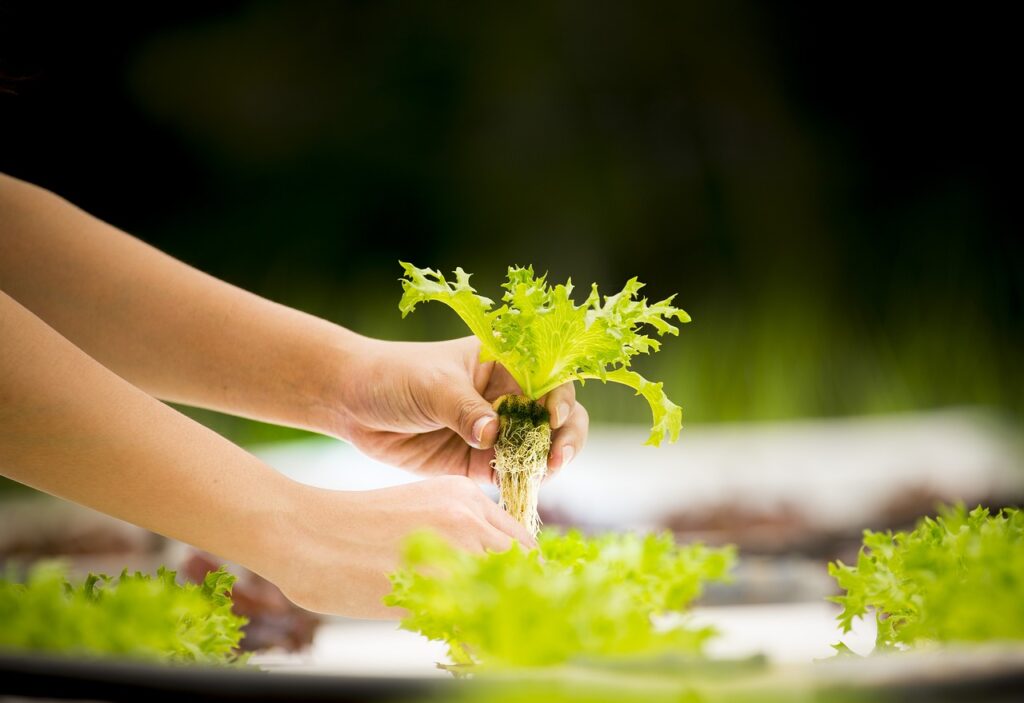
In hydroponics, the growing medium serves as a support structure for the plants, facilitating root growth and anchoring. While hydroponic systems eliminate the need for soil, choosing the right growing medium is still crucial for the overall success of your hydroponic garden. Let’s explore some common hydroponic mediums and their properties.
Rockwool
Rockwool, made from melted and spun rock, is a widely used hydroponic medium due to its excellent water retention and air porosity. It provides a stable foundation for plant roots and ensures adequate oxygen supply. Rockwool cubes or slabs are commonly used to germinate seeds or propagate cuttings before transferring them to larger hydroponic systems.
Perlite
Perlite, a lightweight volcanic glass, is frequently used in hydroponics for its excellent drainage properties. It allows for ample air circulation around the roots, preventing waterlogging and promoting healthy root development. Perlite is commonly mixed with other mediums to improve drainage and prevent compaction.
Vermiculite
Vermiculite, another mineral-based medium, offers improved water retention compared to perlite. It holds onto moisture, providing a consistent water supply to the roots, which is particularly beneficial in hotter climates. Vermiculite is often used in conjunction with perlite or other mediums to create a well-balanced growing environment.
Coconut Coir
Coconut coir, derived from coconut husks, is an environmentally friendly and sustainable hydroponic medium. It is highly absorbent, retaining moisture while allowing for good aeration. Coconut coir provides a suitable substrate for a wide range of plants and is easy to work with. It can be used in loose form or pressed into bricks or blocks.
Expanded Clay Pellets
Expanded clay pellets, also known as hydroton or LECA (lightweight expanded clay aggregate), are lightweight and provide excellent drainage. They are often used in deep water culture (DWC) systems, where the roots are fully immersed in the nutrient solution. Expanded clay pellets offer stability, allowing the roots to anchor while maintaining a well-aerated environment.
When choosing a hydroponic medium, consider the specific requirements of your plants and the characteristics of each medium. Factors such as water retention, drainage, and root support should all be taken into account to ensure the optimal growing conditions for your crops.


