



So you’ve always had a green thumb and love spending time nurturing your plants, but have you heard about the latest innovation that is revolutionizing gardening? It’s called hydroponic greenhouse gardening, and it’s set to change the way we grow our plants. By removing the need for soil and utilizing a nutrient-rich water solution, hydroponic greenhouses allow plants to thrive in a controlled environment all year round. Say goodbye to seasonal limitations and hello to year-round fresh produce! This article will explore the exciting world of hydroponic gardening and delve into how it is shaping the future of gardening as we know it. Hydroponic greenhouse gardening is a revolutionary method of growing plants that offers numerous benefits over traditional soil-based gardening. By utilizing water-based nutrient solutions instead of soil, hydroponic greenhouse gardening allows for increased control over growing conditions, reduced water usage, and the ability to garden year-round. In this article, we will explore the various components and systems involved in hydroponic greenhouse gardening, discuss the best crops to grow in this environment, and delve into the management of nutrient levels, pest and disease control, energy efficiency, and the advancements and challenges in this field.
No soil required
One of the primary benefits of hydroponic greenhouse gardening is that it eliminates the need for soil. Instead, plants are grown in nutrient-rich water solutions, which are constantly recirculated to provide the necessary nutrients and minerals for plant growth. This eliminates the dependence on soil quality and allows for more control over the growing medium. Without soil, the risk of soilborne diseases and pests is significantly reduced, resulting in healthier plants.
Reduced water usage
Water scarcity is a growing concern in many parts of the world, making water conservation a crucial aspect of sustainable gardening practices. Hydroponic greenhouse gardening is particularly efficient in this regard, as it uses up to 90% less water than traditional soil-based gardening methods. The water in the system is continuously recirculated, minimizing waste and ensuring that plants receive the necessary hydration without excess runoff.
Year-round gardening
One of the greatest advantages of hydroponic greenhouse gardening is the ability to grow crops year-round, regardless of the outside climate. By providing a controlled environment within the greenhouse, temperature, humidity, and light can be optimized to mimic the ideal growing conditions for various crops. This means that you can enjoy fresh produce during winter months when traditional gardening is not possible.
Increased crop yield
Hydroponic greenhouse gardening allows for the cultivation of crops in denser populations, maximizing the use of available space. The controlled environment ensures that plants receive optimal amounts of light, water, and nutrients throughout their growth cycle, leading to faster growth and higher yields. Additionally, the absence of soil-borne pests and diseases further contributes to increased crop yields.
Control over growing conditions
One of the key advantages of hydroponic greenhouse gardening is the ability to have precise control over growing conditions. By monitoring and adjusting factors such as light intensity, temperature, humidity, and nutrient levels, growers can create an ideal environment for each crop. This level of control allows for consistent plant growth and the ability to tailor growing conditions to the specific needs of different crops.
Now that we understand the benefits of hydroponic greenhouse gardening, let’s take a closer look at the various components and systems involved in this innovative gardening method.
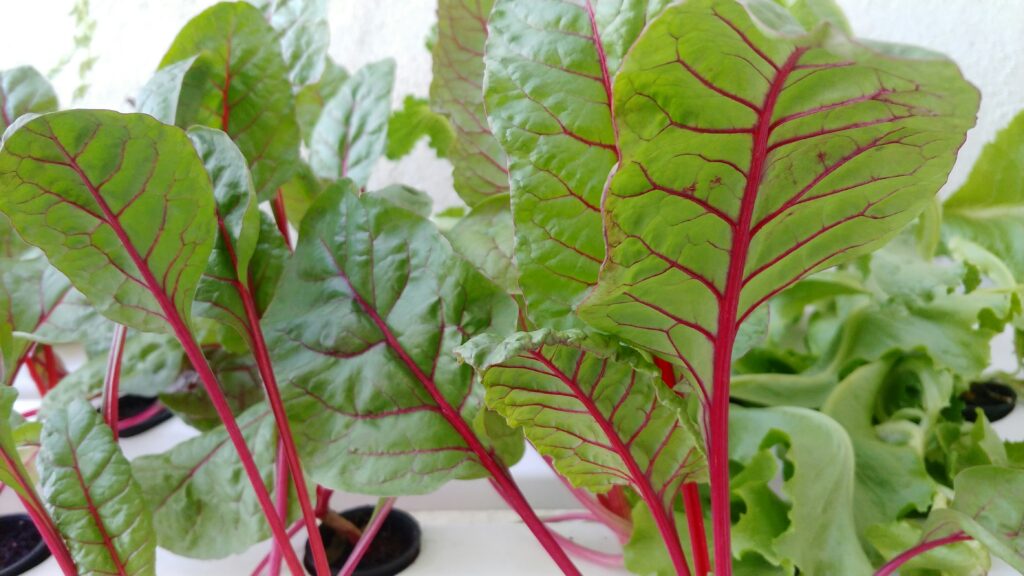
Components of a Hydroponic Greenhouse
Grow beds
The grow beds in a hydroponic greenhouse serve as the containers for the plants and the medium through which the nutrient solution flows. These beds can be made from various materials such as plastic, metal, or even wooden frames filled with an inert growing medium like perlite, coconut coir, or rockwool. The choice of grow bed material and growing medium will depend on the specific requirements of the crops being grown and the desired level of automation.
Nutrient solution
The nutrient solution is a key component of hydroponic greenhouse gardening. It consists of water enriched with essential nutrients and minerals that plants require for growth. This solution is carefully balanced to provide all the necessary elements in the right proportions. The nutrient solution is typically stored in large tanks or reservoirs and then distributed to the grow beds through a network of pipes and irrigation systems.
Water source
A reliable and clean water source is essential for hydroponic greenhouse gardening. The water used for the nutrient solution should be free from contaminants and harmful substances that could affect plant health. Depending on the location and availability of water, growers may rely on municipal water supplies, well water, or even rainwater harvesting systems.
Pumps and irrigation system
In a hydroponic greenhouse, pumps and irrigation systems play a crucial role in delivering the nutrient solution to the plants. Pumps are used to circulate the nutrient solution from the reservoir to the grow beds, ensuring that all plants receive adequate nutrition. The irrigation system, which includes tubing, fittings, and emitters, distributes the nutrient solution evenly throughout the grow beds. Different types of irrigation systems, such as drip irrigation or NFT systems, can be used depending on the specific needs of the crops and the size of the greenhouse.
Lighting system
Light is a vital component of plant growth, and in a hydroponic greenhouse, artificial lighting is often used to supplement natural sunlight. High-intensity LED grow lights are commonly employed due to their energy efficiency and ability to provide the ideal light spectrum for each stage of plant growth. The lighting system needs to be properly designed and positioned to ensure that all plants receive adequate light for photosynthesis and healthy growth.
Climate control system
Maintaining the ideal temperature and humidity levels inside the hydroponic greenhouse is critical for the success of the crops. A climate control system, consisting of heating, cooling, ventilation, and dehumidification equipment, helps regulate these environmental factors. Automated systems that monitor and adjust climate conditions based on predefined parameters can be used to ensure optimal growing conditions at all times.
With the understanding of the components required for a hydroponic greenhouse, let’s explore the different types of hydroponic systems that are suitable for greenhouse gardening.
Types of Hydroponic Systems Suitable for Greenhouses
Nutrient film technique (NFT)
The nutrient film technique (NFT) is a popular hydroponic system used in greenhouse settings. In this system, a shallow channel or trough is used to allow a thin film of nutrient solution to flow over the roots of the plants. The plants are held in place by a specialized support structure, with their roots exposed to the nutrient-rich film. This allows for efficient nutrient absorption while also providing oxygen to the roots.
Drip irrigation system
The drip irrigation system is widely used in hydroponic greenhouse gardening as it provides a highly controlled and precise method of delivering the nutrient solution to the plants. This system uses drip emitters or micro-sprinklers to deliver small quantities of the nutrient solution directly to the base of each plant. The excess solution is collected and recirculated, minimizing water wastage. Drip irrigation systems are suitable for a wide range of crops and are relatively easy to install and maintain.
Deep water culture (DWC)
Deep water culture (DWC) is a simple yet effective hydroponic system that involves suspending the plant roots in a nutrient solution. The roots are left to float in the solution, which is continuously oxygenated using air pumps or diffusers. This system provides excellent nutrient uptake and allows for rapid growth and high yields. DWC systems are commonly used for lettuce, herbs, and other leafy greens.
Aeroponics
Aeroponics is a high-tech hydroponic system that involves suspending the plant roots in a nutrient-rich mist or aerosol. The roots are exposed to the mist, which is delivered using high-pressure sprayers or nebulizers. Aeroponics allows for maximum oxygenation of the roots and efficient nutrient absorption. This system is particularly suitable for growing delicate and high-value crops such as herbs, salad greens, and strawberries.
Ebb and flow system
The ebb and flow system, also known as flood and drain, is a hydroponic system where the nutrient solution periodically floods the grow beds and then drains back into a reservoir. This cyclic process ensures that the plants receive sufficient nutrients and oxygen, while also preventing waterlogging. Ebb and flow systems are versatile and can be used for a wide range of crops, making them popular in hydroponic greenhouse gardening.
Now that we have explored the different types of hydroponic systems suitable for greenhouses, let’s move on to selecting the right crops for hydroponic greenhouse gardening.
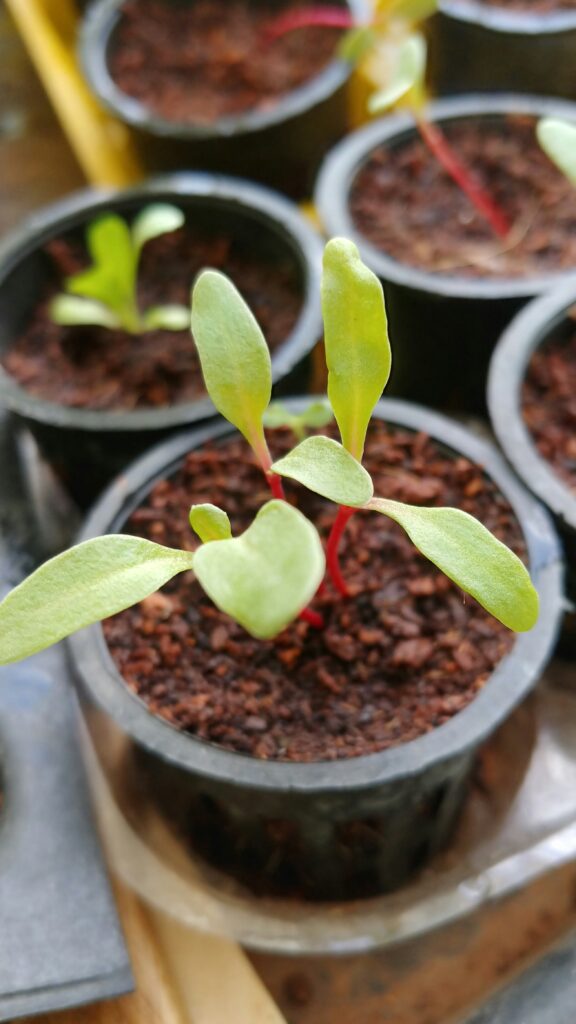
Selecting the Right Crops for Hydroponic Greenhouses
Leafy greens
Leafy greens such as lettuce, spinach, kale, and Swiss chard are excellent choices for hydroponic greenhouse gardening. These crops have shallow root systems and relatively short growth cycles, making them well-suited for hydroponic systems. Leafy greens thrive in the highly controlled environment of a greenhouse and can be harvested continuously, providing a consistent supply of fresh, nutrient-rich greens.
Herbs and spices
Herbs and spices like basil, mint, cilantro, and thyme are highly valued for their culinary and medicinal properties. They are also well-suited for hydroponic greenhouse gardening due to their compact size and rapid growth. Herbs have a high demand in the market, making them a profitable choice for greenhouse growers.
Tomatoes
Tomatoes are a staple crop in many gardens, and their flavorful fruits are highly sought after. Growing tomatoes hydroponically in a greenhouse allows for precise control over the growing conditions, resulting in bigger, tastier, and disease-free fruits. With the right variety selection and proper training and pruning techniques, greenhouse-grown tomatoes can yield impressive results.
Cucumbers
Cucumbers are another popular crop for hydroponic greenhouse gardening. With their vining growth habit, cucumbers can be trained to grow vertically, maximizing space utilization. Greenhouse-grown cucumbers are often sweeter and more flavorful than field-grown ones, and they are less susceptible to pests and diseases.
Strawberries
Strawberries are a delicious and highly profitable crop for hydroponic greenhouse gardening. By growing strawberries in vertical towers or hanging baskets, growers can maximize space efficiency and yield. Hydroponically grown strawberries are known for their sweetness and superior flavor, making them a favorite among consumers.
Now that we have identified suitable crops for hydroponic greenhouse gardening, let’s delve into the management of nutrient levels to ensure healthy plant growth.
Managing Nutrient Levels in Hydroponic Greenhouses
Understanding the macronutrients
Macronutrients, including nitrogen (N), phosphorus (P), and potassium (K), are essential for plant growth. Nitrogen promotes leafy growth, phosphorus aids in root development and flowering, and potassium supports overall plant health. It is important to provide these macronutrients in balanced ratios to ensure that plants have all the necessary elements for optimal growth and production.
Monitoring and adjusting pH levels
pH is a measurement of the acidity or alkalinity of the nutrient solution. Different plants have specific pH requirements for optimal nutrient uptake. Regular monitoring of the pH levels and adjustment using pH up or pH down solutions is crucial to maintain the pH within the desired range. pH testing kits or meters can be used to monitor the pH levels accurately.
Balancing nutrient ratios
In addition to macronutrients, plants also require various micronutrients, including iron, manganese, zinc, and copper, albeit in smaller quantities. These micronutrients are essential for various physiological processes within the plant. Balancing the nutrient ratios and ensuring that all essential micronutrients are provided in adequate amounts is crucial for preventing nutrient deficiencies and promoting healthy plant growth.
Preventing nutrient deficiencies
Nutrient deficiencies can manifest as different symptoms, including stunted growth, yellowing leaves, or abnormal leaf coloration. Regular plant monitoring and visual inspections are key to identifying early signs of nutrient deficiencies. Adjustments can then be made to the nutrient solution to address the deficiencies and restore plant health.
Avoiding nutrient excesses
While providing adequate nutrients is crucial for plant growth, it is equally important to avoid nutrient excesses. Excess nutrients can lead to nutrient imbalances and toxicity, which can harm plants and reduce yields. Proper nutrient management, including regular monitoring and adjustment of nutrient levels, is essential to prevent excess nutrients in the system.
Now that we have covered the management of nutrient levels, let’s explore pest and disease management in hydroponic greenhouse gardening.

Pest and Disease Management in Hydroponic Greenhouses
Sanitation practices
Maintaining a clean and hygienic growing environment is the first line of defense against pests and diseases. Regularly cleaning and disinfecting the greenhouse, grow beds, and equipment helps prevent the introduction and spread of pathogens. Good hygiene practices also involve proper disposal of plant debris and the removal of weeds, which can serve as hosts for pests.
Biological controls
Biological controls involve the use of beneficial organisms to control pests and diseases. Predatory insects, such as ladybugs, lacewings, and predatory mites, can be introduced into the greenhouse to feed on common pests like aphids, thrips, and spider mites. This natural approach minimizes the use of pesticides and helps maintain a healthy ecological balance within the greenhouse.
Integrated Pest Management (IPM)
Integrated Pest Management (IPM) is a holistic approach to pest control that combines various methods to prevent and manage pests effectively. This approach involves monitoring and identifying pests, implementing cultural practices to deter pests, using biological and mechanical controls, and only resorting to chemical controls as a last resort. IPM aims to minimize the use of pesticides and promote long-term pest management solutions.
Quarantine and isolation measures
To prevent the introduction and spread of pests and diseases, it is important to implement quarantine and isolation measures. New plants or materials should be thoroughly inspected and quarantined before being introduced into the greenhouse. Isolation areas can be created to separate potentially infected plants or crops from healthy ones, preventing the spread of diseases.
Proper plant monitoring
Regular plant monitoring is essential for early detection and management of pests and diseases. Visual inspection of plants for signs of damage, discoloration, or pest presence should be conducted on a regular basis. Any suspicious findings should be addressed promptly to prevent further damage or spread. Growers should also be familiar with common pests and diseases that affect their specific crops and implement appropriate management strategies.
Next, let’s explore the importance of energy efficiency in hydroponic greenhouse gardening.
Energy Efficiency in Hydroponic Greenhouses
Using energy-efficient lighting
Artificial lighting is a key component of hydroponic greenhouse gardening, but it can also be a significant source of energy consumption. Using energy-efficient LED grow lights can help reduce energy consumption while providing the necessary light spectrum for plant growth. LED lights have a longer lifespan and higher efficiency compared to traditional lighting options, making them a cost-effective and environmentally friendly choice.
Insulation and climate control
Proper insulation of the greenhouse structure helps minimize heat loss during colder months and heat gain during warmer months. Insulating materials such as double-glazed windows, reflective curtains, and foam insulation can be used to create a more energy-efficient environment. Additionally, effective climate control systems that optimize heating, cooling, and ventilation help maintain stable conditions, reducing the energy required to maintain the ideal growing environment.
Water recirculation
Water recirculation systems in hydroponic greenhouses help minimize water waste and conserve energy. By recirculating the nutrient solution, growers can reduce the need for fresh water and the energy required to pump and heat new water. Implementing efficient water filtration and sterilization methods ensures that the recirculated water remains clean and free from diseases and contaminants.
Monitoring and optimizing energy usage
Regular monitoring of energy usage in the greenhouse can help identify areas of inefficiency and potential energy-saving opportunities. Installing energy meters and sensors allows growers to track energy consumption and identify patterns. By analyzing this data, growers can make informed decisions on optimizing energy usage and implementing energy-saving measures.
Renewable energy sources
Incorporating renewable energy sources is another way to improve the energy efficiency of hydroponic greenhouses. Solar panels can be installed to generate electricity to power lighting systems, pumps, and climate control equipment. Wind turbines and geothermal systems are other renewable energy options that can help reduce reliance on conventional energy sources and minimize carbon footprint.
Hydroponic greenhouse gardening is a rapidly evolving field, with constant advancements and innovations in technology. Let’s take a look at some of the recent developments in hydroponic greenhouse technology.
Advancements and Innovations in Hydroponic Greenhouse Technology
Automated systems and sensors
Automation in hydroponic greenhouse gardening has revolutionized the industry. Automated systems can monitor and adjust environmental factors, nutrient levels, and irrigation cycles, ensuring optimal growing conditions for plants. Sensors can measure factors such as temperature, humidity, pH, and nutrient levels, allowing for real-time monitoring and precise adjustments. These automated systems save time, reduce labor costs, and provide growers with accurate data to make informed decisions.
Artificial intelligence in crop management
Artificial intelligence (AI) is being integrated into hydroponic greenhouse systems to optimize crop management. AI-powered algorithms can analyze vast amounts of data, including plant growth rates, nutrient levels, climate conditions, and pest and disease patterns, to make data-driven recommendations for providing the ideal conditions for each crop. This advanced technology improves efficiency, yields, and overall plant health.
Vertical farming techniques
Vertical farming techniques have gained popularity in hydroponic greenhouse gardening due to their space-saving potential. Vertical systems utilize multiple stacked layers or towers to maximize the use of vertical space. This allows for increased crop yields in a smaller footprint, making it a suitable option for urban farming and areas with limited space. Vertical farming systems often incorporate advanced irrigation and lighting systems to ensure each layer receives the necessary nutrients and light.
Emerging sustainable materials
The use of sustainable materials in hydroponic greenhouse gardening is gaining traction. Biodegradable growing media, such as coconut coir or peat alternatives, provide a more environmentally friendly alternative to traditional growing mediums. Recycled and upcycled materials, such as PVC pipes or repurposed containers, can be used to create affordable and sustainable hydroponic systems.
Smart irrigation systems
Smart irrigation systems have made significant advancements in recent years. These systems utilize sensors and weather data to optimize irrigation schedules and delivery of the nutrient solution. By considering specific crop requirements and external factors such as temperature, humidity, and rainfall, smart irrigation systems ensure that the plants receive just the right amount of water, reducing water waste and improving overall efficiency.
While there are numerous advancements and innovations in hydroponic greenhouse technology, there are also challenges and limitations that growers must consider.
Challenges and Limitations of Hydroponic Greenhouse Gardening
Initial setup costs
Setting up a hydroponic greenhouse can involve significant upfront costs. The costs associated with purchasing and installing the necessary equipment, such as grow beds, pumps, lighting systems, and climate control systems, can be a barrier for some growers. However, it is important to consider the long-term benefits and potential for increased crop yields and profitability that hydroponic greenhouse gardening can offer.
Technical expertise required
Hydroponic greenhouse gardening requires a certain level of technical knowledge and expertise. Growers need to understand the principles of hydroponics, nutrient management, climate control, and pest and disease management. This may require additional training or hiring specialized staff with the necessary skills.
Maintenance and monitoring demands
Maintaining a hydroponic greenhouse requires regular monitoring, adjustment, and maintenance. Nutrient levels, pH levels, and environmental conditions need to be consistently monitored and adjusted. Additionally, equipment such as pumps, lighting systems, and irrigation systems require regular maintenance to ensure optimal performance. The demand for ongoing care and attention can be time-consuming, particularly for large-scale operations.
Crop-specific challenges
Different crops have specific requirements and challenges in hydroponic greenhouse gardening. Some crops may be more susceptible to certain pests or diseases, while others may have specific nutrient requirements. Growers need to research and understand the specific needs of their chosen crops to ensure successful and healthy growth.
Perception and consumer acceptance
Hydroponic greenhouse gardening is still a relatively new concept for many consumers. Some may have reservations about the use of water-based nutrient solutions instead of soil. Educating consumers about the benefits of hydroponic greenhouse gardening and the superior quality of the produce can help build trust and acceptance in the market.
Despite these challenges, the future of hydroponic greenhouse gardening looks promising. Let’s explore some of the trends and opportunities in this field.
Future Trends and Opportunities in Hydroponic Greenhouse Gardening
Increased adoption in urban areas
As urbanization continues to rise, hydroponic greenhouse gardening offers a viable solution for urban areas with limited space for traditional gardens. With the ability to maximize space utilization and grow crops vertically, hydroponic greenhouses can be integrated into urban landscapes, providing access to fresh, locally grown produce.
Integration with smart city initiatives
Hydroponic greenhouse gardening has the potential to align with smart city initiatives focused on sustainability and food security. By incorporating renewable energy sources, efficient water usage, and advanced automation, hydroponic greenhouses can contribute to the overall goals of smart city planning and help create sustainable, self-sufficient urban environments.
Vertical farming expansion
Vertical farming techniques are expected to gain further traction in the future, enabling even more efficient and productive hydroponic greenhouse systems. Advancements in lighting technology, automation, and plant breeding techniques will support the expansion of vertical farming, allowing for a greater variety of crops to be grown in vertically stacked systems.
Advancements in water efficiency
Water efficiency will continue to be a focus in hydroponic greenhouse gardening. Research and innovation in water filtration, purification, and recycling systems will further minimize water waste and increase the sustainability of hydroponic operations.
New crop varieties and genetic modifications
Advancements in breeding and genetic modification techniques offer the potential for developing crop varieties specifically bred for hydroponic greenhouse gardening. These varieties can be optimized for the controlled growing conditions found in greenhouses, resulting in higher yields, improved disease resistance, and enhanced nutritional value.
In conclusion, hydroponic greenhouse gardening offers numerous benefits, including soil-free cultivation, reduced water usage, year-round gardening, increased crop yield, and control over growing conditions. By understanding the components and systems involved in hydroponic greenhouses, selecting the right crops, managing nutrient levels, ensuring pest and disease control, promoting energy efficiency, and embracing technological advancements, growers can maximize the potential of this innovative gardening method. While there are challenges and limitations to consider, the future of hydroponic greenhouse gardening looks bright, with increasing adoption in urban areas, integration with smart city initiatives, vertical farming expansion, advancements in water efficiency, and the development of new crop varieties.


