


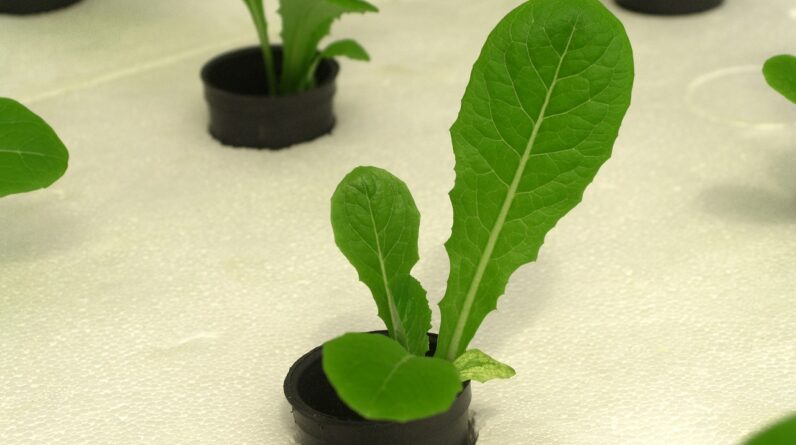
So, you’ve got yourself a hydroponic garden. You’ve set up your system, carefully selected your plants, and everything is going smoothly. But there’s one thing that can quickly turn your gardening dreams into a nightmare: pests. Yes, those tiny creatures can wreak havoc on your beloved plants and ruin all your hard work. But fear not! In this article, we’ll show you how to protect your hydroponic garden with effective pest control techniques. Say goodbye to those pesky intruders and hello to a thriving, pest-free garden!
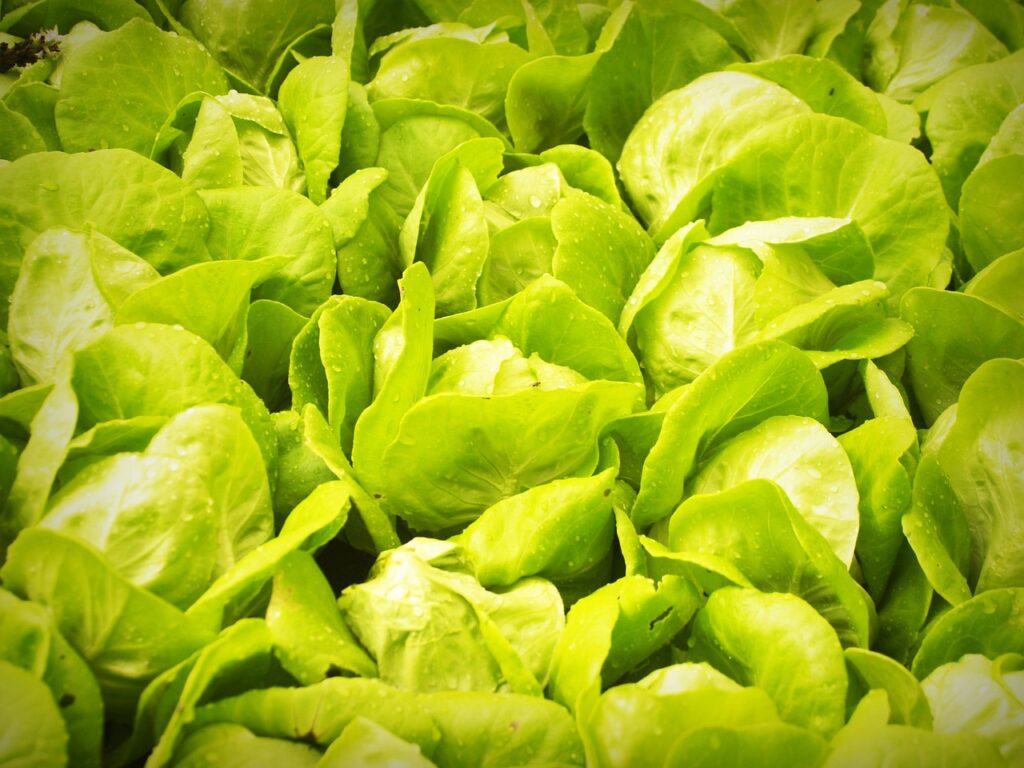
Identifying Common Pests in Hydroponic Gardens
Hydroponic gardens provide a controlled environment for growing plants without soil, but they are not immune to pesky pests. Identifying common pests in hydroponic gardens is crucial for effective pest control. Here are some common pests you may encounter in your hydroponic garden:
Aphids
Aphids are small, soft-bodied insects that can quickly multiply and infest your plants. They feed on plant sap, causing stunted growth and deformed leaves. Look for clusters of tiny, pear-shaped pests on the undersides of leaves.
Whiteflies
Whiteflies are tiny insects that swarm around your plants and feed on their sap. They leave behind a sticky residue called honeydew, which can attract fungal growth and spread disease. Look for small, white, moth-like insects flying around your plants.
Spider Mites
Spider mites are minuscule pests that are difficult to spot with the naked eye. They suck the sap from your plants, causing yellowing and wilting. Look for fine webbing on the undersides of leaves and tiny, moving dots.
Thrips
Thrips are slender insects that can cause significant damage to your plants by feeding on their leaves and flowers. They leave behind silver or black flecks of excrement and cause distorted growth. Look for small, slim insects with fringed wings.
Fungus Gnats
Fungus gnats are small flies that are attracted to the moist environment of hydroponic systems. They lay their eggs in the growing medium, and their larvae feed on roots, leading to root damage and poor nutrient uptake. Look for small, dark flies hovering around your plants and tiny, worm-like larvae in the growing medium.
Root Aphids
Root aphids are small, soft-bodied insects that infest the roots of your plants. They feed on root tissues, causing stunted growth and wilting. Look for small, pink or brown insects on the roots or in the growing medium.
Mealybugs
Mealybugs are small, white, cotton-like insects that feed on plant sap. They can cause yellowing, wilting, and the formation of sticky honeydew. Look for white, fuzzy pests on leaves, stems, and flowers.
Scale Insects
Scale insects are small, oval-shaped pests that attach themselves to plant surfaces and feed on sap. They can cause yellowing, stunted growth, and leaf drop. Look for small, waxy bumps on stems, leaves, and the undersides of leaves.
Powdery Mildew
Powdery mildew is a fungal disease that thrives in humid conditions. It appears as a white, powdery coating on leaves, stems, and flowers. It can cause yellowing, wilting, and reduced plant vigor.
Pythium
Pythium is a type of water mold that causes root rot. It thrives in overly saturated growing media and can lead to wilting, damping off, and poor nutrient uptake. Look for brown, slimy roots and a foul odor.
Identifying these common pests is the first step towards effective pest control in your hydroponic garden. By regularly monitoring your plants and being vigilant for signs of infestation, you can take timely action to protect your crops.
Preventing Pest Infestations
Prevention is key when it comes to managing pests in hydroponic gardens. By implementing the following measures, you can create an environment that discourages pest infestations and promotes plant health:
Maintain a Clean and Sanitized Environment
Keeping your hydroponic system clean and sanitized is vital for preventing pest infestations. Regularly clean and disinfect your equipment, including tanks, trays, and tools. Remove any plant debris or fallen leaves promptly.
Monitor and Control Humidity Levels
Pests, especially fungal diseases, thrive in humid environments. Monitor and control the humidity levels in your hydroponic garden to prevent excess moisture buildup and discourage the growth of pests.
Implement Regular Plant Inspections
Frequent plant inspections are essential for early pest detection. Regularly check your plants for any signs of pest damage, such as chewed leaves, discoloration, or the presence of insects. Inspect both the upper and undersides of leaves, as pests often hide on the undersides.
Employ Proper Seedling Care
Starting with healthy seedlings is crucial for preventing pest infestations. Ensure that your seedlings are disease-free and free from pests before introducing them into your hydroponic system. Quarantine new seedlings if necessary.
Practice Excellent Hygiene
Maintaining good hygiene practices in your hydroponic garden can significantly reduce the risk of pest infestations. Wash your hands thoroughly before handling plants or equipment to prevent the spread of pests and diseases.
Use Sterile Growing Media
Using sterile growing media is essential for preventing the introduction of pests, pathogens, and weed seeds into your hydroponic system. Avoid using soil-based media and opt for sterile alternatives such as rockwool, coco coir, or perlite.
Implement Quarantine Procedures
When introducing new plants or equipment into your hydroponic garden, it’s essential to implement quarantine procedures. Isolate new plants for a period of time to monitor them for any signs of pests or diseases before introducing them to the rest of the garden.
Maintain a Balanced Nutrient Solution
Providing your plants with a balanced and consistent nutrient solution helps promote plant health and resilience against pests. Monitor and adjust nutrient levels regularly to ensure that your plants are receiving all the necessary nutrients they need to thrive.
Install Physical Barriers
Physical barriers, such as screens or netting, can help prevent pests from entering your hydroponic garden. Install these barriers around doors, windows, or vents to keep pests out and maintain a controlled environment.
Ensure Proper Ventilation
Proper ventilation is crucial for maintaining a healthy hydroponic garden. It helps control humidity levels, prevent the buildup of stale air, and create an environment that is less favorable for pests and diseases.
By implementing these preventive measures, you can create a hydroponic garden that is more resilient against pests and diseases. Regularly monitor and maintain your garden to ensure optimal plant health and productivity.
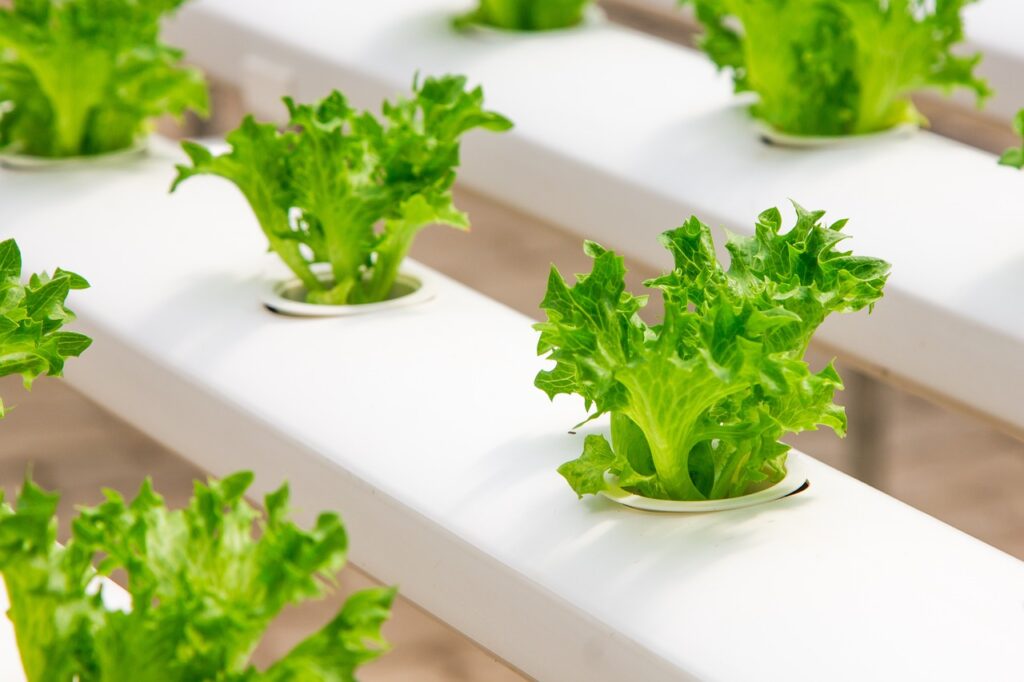
Natural Pest Control Methods
Using natural pest control methods in your hydroponic garden not only reduces the need for chemical pesticides but also promotes a healthier and more sustainable growing environment. Here are some natural pest control methods you can incorporate into your pest management strategy:
Introduce Beneficial Insects
Beneficial insects, such as ladybugs, lacewings, and predatory mites, can be introduced into your hydroponic garden to help control common pests. These natural predators feed on pests, keeping their populations in check. Research the specific beneficial insects that target the pests you are dealing with and incorporate them into your garden.
Use Neem Oil
Neem oil is a natural pesticide derived from the neem tree. It works by disrupting the feeding and reproductive patterns of pests. Dilute neem oil according to the instructions on the packaging and apply it to your plants to control pests.
Apply Horticultural Oils
Horticultural oils, such as insecticidal or dormant oils, can be used to smother and suffocate pests on contact. They are effective against a wide range of pests, including aphids, scales, and spider mites. Follow the instructions on the product label for proper application.
Use Insecticidal Soaps
Insecticidal soaps are made from natural ingredients and work by penetrating the protective outer layer of pests, causing dehydration and death. They are effective against soft-bodied pests like aphids, whiteflies, and mealybugs. Follow the instructions on the product label for proper dilution and application.
Employ Biological Controls
Biological controls involve using living organisms to control pests. This can include using beneficial nematodes, bacteria, or fungi that target specific pests or diseases. Research the biological controls that are effective against the pests in your hydroponic garden and incorporate them into your pest management plan.
Use Organic Pesticides
If natural predators or other organic control methods are not sufficient, organic pesticides derived from natural sources can be used as a last resort. These pesticides are approved for use in organic gardening and are safer for the environment. Always follow the instructions on the product label and use organic pesticides responsibly.
Apply Homemade Pest Sprays
Homemade pest sprays can be made using ingredients readily available in your kitchen. For example, a solution of water and garlic or chili pepper can act as a natural insect repellent. Consult reliable sources and recipes to create homemade pest sprays that are effective against the pests in your hydroponic garden.
Use Sticky Traps
Sticky traps are a non-toxic and effective method for monitoring and trapping flying pests. They attract pests with bright colors or pheromones and trap them on a sticky surface. Hang sticky traps near your plants to monitor pest populations and reduce their numbers.
Install UV Light Traps
UV light traps can be used to attract and kill flying pests. They emit ultraviolet light, which is highly attractive to many pests. Install UV light traps strategically in your hydroponic garden to help control flying pests.
Utilize Companion Planting
Companion planting involves growing certain plants together to deter pests or attract beneficial insects. For example, planting marigolds alongside your hydroponic crops can help repel aphids and other pests. Research companion planting combinations that are effective against the pests in your garden.
By incorporating natural pest control methods into your pest management strategy, you can reduce the reliance on chemical pesticides and create a more eco-friendly garden. Natural methods also improve the overall health and vitality of your plants, resulting in higher yields and better quality produce.
Chemical Pest Control Options
While natural pest control methods are preferred in hydroponic gardening, there may be situations where chemical pest control options are necessary. These options should be used judiciously and in accordance with label instructions to minimize their impact on the environment and maintain plant health. Here are some chemical pest control options available for hydroponic gardeners:
Systemic Insecticides
Systemic insecticides are absorbed by the plants and translocated throughout their vascular system. They provide long-lasting protection against a wide range of pests, including aphids, thrips, and whiteflies. Due to their systemic nature, it is important to carefully follow label instructions and ensure that the product is approved for use in hydroponic systems.
Contact Insecticides
Contact insecticides kill pests on contact. They are sprayed directly on the pests or the plant surfaces to control infestations. Contact insecticides are effective against a variety of pests, including aphids, spider mites, and mealybugs. Use them with caution and avoid spraying during the flowering stage to minimize direct contact with the harvested produce.
Residual Insecticides
Residual insecticides provide longer-lasting pest control by leaving a residue that continues to kill pests for a certain period of time. They are effective against pests that come into contact with the treated surfaces, such as scales and certain beetles. Always read and follow label instructions for proper application and safety precautions.
Acute Toxicity Insecticides
Acute toxicity insecticides are highly toxic to pests and provide rapid knockdown. They are effective against a wide range of pests but should be used with caution due to their potential toxicity to humans, animals, and beneficial insects. Use proper personal protective equipment and strictly adhere to label instructions.
Fumigants
Fumigants are gases or vapors that are used to control pests in enclosed spaces. In hydroponic systems, fumigants can be used to control certain pests, such as fungus gnats and root aphids. Fumigation should only be carried out by trained professionals to ensure safety and proper application.
Selective Insecticides
Selective insecticides target specific pests while minimizing harm to beneficial insects and other non-target organisms. They are particularly useful in integrated pest management (IPM) programs where pest control is achieved through a combination of strategies. Use selective insecticides in accordance with label instructions and consider their impact on the overall ecosystem.
Microbial Insecticides
Microbial insecticides contain living microorganisms, such as bacteria or fungi, that specifically target and kill pests. They are environmentally friendly and can be used as part of an integrated pest management approach. Follow label instructions for proper application and storage of microbial insecticides.
Desiccants
Desiccants are substances that cause dehydration and desiccation in pests. They are effective against certain pests, including spider mites and powdery mildew. Desiccants can be applied as a dust or spray and should be used with caution to avoid damage to plants.
Rodenticides
Rodenticides are used to control rodents that can damage crops in outdoor hydroponic systems. However, their use in indoor hydroponics should be avoided due to the potential for contamination of the growing environment or accidental exposure to other animals.
Insect Growth Regulators
Insect growth regulators disrupt the normal development and reproduction of pests, leading to population reduction. They are effective against pests in various life stages, such as larvae or pupae. Employ insect growth regulators in accordance with label instructions and consider their impact on beneficial insects and non-target organisms.
When using chemical pest control options, it is crucial to prioritize safety and responsible use. Always read and follow label instructions, wear appropriate personal protective equipment, and consider the potential impact on the environment and beneficial organisms. Integrated pest management strategies should be the primary approach, with chemical options used as a last resort.
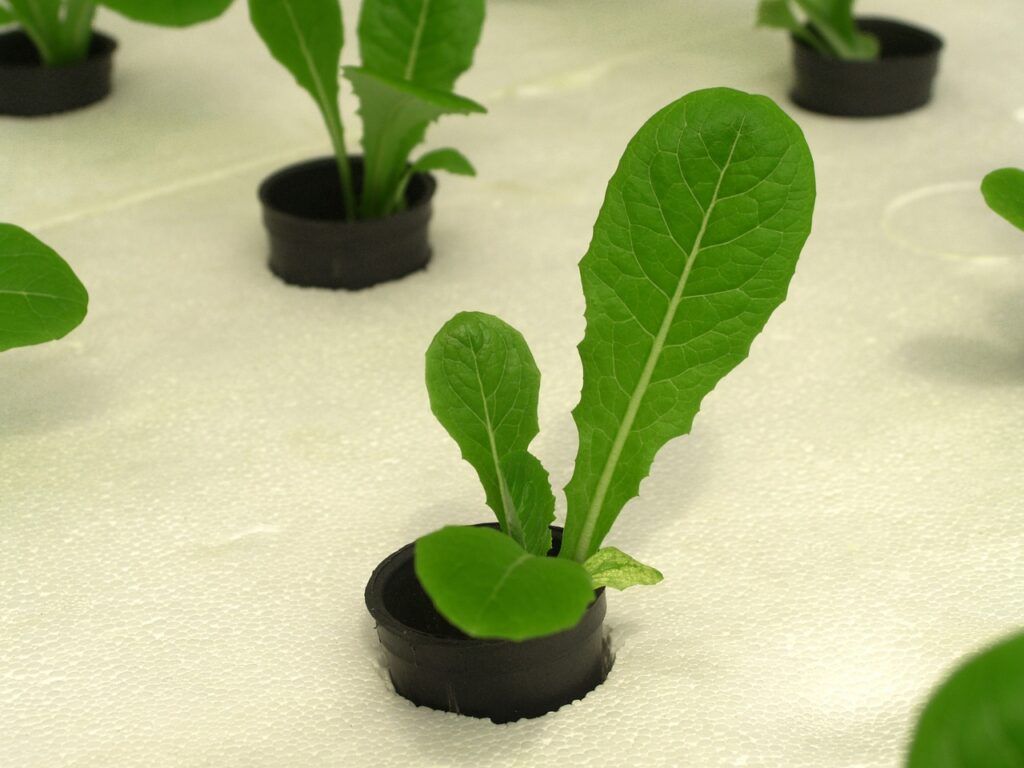
Integrated Pest Management Techniques
Integrated pest management (IPM) is a holistic approach to pest control that involves combining multiple strategies to manage pests effectively while minimizing the use of chemicals. Implementing IPM techniques in your hydroponic garden can help maintain plant health and productivity. Here are the key components of an IPM program:
Set Action Thresholds
Action thresholds are predetermined pest levels at which control measures should be implemented. By setting action thresholds based on pest populations or damage levels, you can determine when intervention is necessary to prevent further damage to your plants.
Monitor and Identify Pests
Regular monitoring and identification of pests are crucial for effective pest management. Keep a close eye on your plants and actively look for signs of pest infestation or damage. Identify the pests you encounter to ensure appropriate control measures are implemented.
Implement Preventive Measures
Preventive measures play a vital role in reducing pest populations before they become a problem. Use a combination of cultural practices, sanitation, and physical barriers to create an environment that discourages pests and promotes plant health.
Implement Control Measures
When preventive measures are not sufficient, control measures should be implemented. These can include natural pest control methods, chemical options, or a combination of both. Choose control measures that are appropriate for the specific pests you are dealing with and consider their impact on beneficial organisms.
Evaluate and Adjust Methods
Regular evaluation of the effectiveness of your pest management methods is essential for continuous improvement. Monitor the success of your control measures and adjust your strategies accordingly. If certain methods are not providing the desired outcome, explore alternative options.
Document and Track Data
Keep records of your pest management activities, including monitoring results, control measures implemented, and their effectiveness. This data will help you track pest populations, identify recurring issues, and make informed decisions about future pest management strategies.
Use Resistant Plant Varieties
Planting resistant varieties can help reduce the risk of pest infestations. Resistant plants have genetic traits that make them less attractive or susceptible to pests. Research and select plant varieties that are known to have resistance against the pests common in hydroponic gardens.
Optimize Growing Conditions
Providing optimal growing conditions for your plants is essential for their overall health and resilience against pests. Ensure that your hydroponic system is properly balanced and meets the specific requirements of the plants you are growing. This includes maintaining adequate lighting, proper nutrition, and appropriate temperature and humidity levels.
Rotate Crops
Crop rotation can help disrupt pest life cycles and reduce the buildup of pests in your hydroponic garden. Avoid planting the same crops in the same location consecutively to prevent pests from establishing themselves. Instead, rotate different crops to prevent pest populations from becoming established.
Ensure Proper Watering Practices
Water management is crucial for preventing pest problems in hydroponic systems. Avoid overwatering, as excess moisture can lead to the development of pests and diseases. Implement proper watering practices, such as allowing the growing medium to partially dry between watering, to create an environment that is less favorable for pests.
By implementing these integrated pest management techniques, you can create a comprehensive and sustainable pest control program for your hydroponic garden. The combination of preventive measures, monitoring, and targeted control measures will help you maintain plant health, minimize pest damage, and optimize yields.
Early Pest Detection
Early pest detection is crucial in hydroponic gardening to prevent further damage and quickly implement control measures. Regularly inspecting your plants and being vigilant for signs of pest infestation will help you catch problems early on. Here are some tips for early pest detection in your hydroponic garden:
Regularly Inspect Plants
Make it a habit to inspect your plants on a regular basis, ideally daily or every few days. Take the time to closely observe your plants for any signs of pest damage or infestation. Regular inspections will help you identify and address issues before they escalate.
Look for Signs of Pest Damage
Pest damage can manifest in various ways, including chewed leaves, holes, discoloration, wilting, or distorted growth. Keep an eye out for any unusual or abnormal changes in your plants’ appearance that may indicate the presence of pests.
Examine the Undersides of Leaves
Many pests, such as aphids and spider mites, prefer to hide and feed on the undersides of leaves. Take the time to carefully inspect the undersides of your plants’ leaves, using a magnifying glass if necessary, to ensure that you catch any pests that may be hiding there.
Check for Stunted Growth
Pests can inhibit the growth and development of your plants by feeding on their tissues or disrupting nutrient uptake. Monitor your plants for any signs of stunted growth, such as plants not reaching their expected size or slower overall growth compared to healthy plants.
Look for Discolored Leaves
Discolored leaves can be an indicator of pest infestation or disease. Pests often cause yellowing, browning, or spotting on leaves. Regularly check your plants for any abnormal leaf coloration and investigate further if necessary.
Observe the Presence of Insects
Directly observing pests on your plants is a clear sign of infestation. Keep a watchful eye for any insects crawling, flying, or feeding on your plants. Pests are often small and inconspicuous, so taking the time to carefully look for them will increase your chances of early detection.
Monitor Traps and Sticky Cards
If you have installed traps or sticky cards in your hydroponic garden, regularly monitor them for trapped pests. These traps can help identify the presence of certain pests and provide an early indication of potential infestations.
Implement Pest Scouting Techniques
Pest scouting involves systematically inspecting plants for pests and recording any observations. By implementing pest scouting techniques, such as using a set pattern or grid system, you can ensure thorough coverage of your plants and increase your chances of detecting pests early on.
Use Magnification Tools
Some pests, such as spider mites or thrips, are extremely small and difficult to detect with the naked eye. Using magnification tools, such as hand lenses or microscopes, can help you identify these tiny pests and their damage more easily.
Train Staff on Early Detection
If you have a team or staff members involved in the care of your hydroponic garden, make sure to train them on early pest detection techniques. Teach them how to properly inspect plants, identify signs of pests, and report any findings promptly.
By incorporating early pest detection practices into your routine, you can spot pest problems before they escalate and take prompt action to control them. Early detection allows for targeted interventions, minimizing the impact on your plants and preventing further infestations.
Treating Pest Infestations
When pests infiltrate your hydroponic garden despite your best preventive efforts, it is crucial to take immediate action. Treating pest infestations promptly can help mitigate damage and prevent the spread of pests. Here are steps to effectively treat pest infestations in your hydroponic garden:
Determine the Severity of Infestation
Assessing the severity of the pest infestation is the first step in determining the appropriate treatment approach. Evaluate the extent of damage, the population size of the pests, and the impact on plant health. This information will guide your treatment decisions.
Isolate Infected Plants
If only a few plants are affected by the pest infestation, isolate them from the rest of your hydroponic garden. This will prevent the pests from spreading to healthy plants and allow you to focus treatment efforts on the affected plants.
Address the Root Cause of Infestation
Identify the root cause of the pest infestation to prevent future occurrences. Assess factors such as poor sanitation, improper plant care, or introduction of infested plants or equipment. Correct any underlying issues to avoid future infestations.
Remove Affected Plant Parts
Remove and dispose of any severely damaged or infested plant parts. Prune affected leaves, stems, or flowers to eliminate the pests and prevent further spread. Take care not to spread the pests to unaffected areas during the removal process.
Utilize Targeted Remedies
Choose targeted remedies based on the specific pests and the severity of the infestation. Consider natural pest control methods, such as introducing beneficial insects or using organic pesticides. If necessary, use chemical options as a last resort, following label instructions and safety precautions.
Apply Insecticides
When using insecticides to treat pest infestations, apply them according to label instructions and in compliance with any necessary safety precautions. Ensure proper coverage of the affected areas and take care not to harm beneficial insects or damage your plants.
Use Biological Control Agents
Biological control agents, such as predatory mites or nematodes, can be introduced to combat specific pests in your hydroponic garden. Follow the instructions for release rates and timing to maximize their effectiveness.
Introduce Predatory Insects
Beneficial predators, such as ladybugs or lacewings, can be released into your hydroponic garden to control pests. Introduce them when appropriate and monitor their population to ensure they are effectively reducing pest numbers.
Consider Biological Nematicides
If root pests, such as root aphids, are causing significant damage, consider using biological nematicides. These natural products contain beneficial organisms that specifically target and control nematodes. Follow label instructions for application rates and timing.
Sterilize Growing Equipment
If the pest infestation is associated with contaminated growing equipment, such as trays or tools, thoroughly clean and sterilize them before reuse. This will help prevent the reintroduction of pests into your hydroponic garden.
By following these steps, you can effectively treat pest infestations in your hydroponic garden and minimize the impact on your plants. It is important to act swiftly and implement appropriate control measures to prevent further damage and restore the health of your plants.
Preventing Disease Spread
In addition to pests, diseases can also pose a threat to your hydroponic garden. Preventing the spread of diseases is crucial for plant health and overall productivity. Here are some measures to help prevent the spread of diseases in your hydroponic garden:
Clean and Sterilize Tools and Equipment
Tools and equipment that come into contact with plants or growing media should be regularly cleaned and sterilized. This prevents the transmission of pathogens from one plant to another. Use appropriate cleaning agents and follow proper sterilization procedures.
Practice Crop Rotation
Crop rotation helps break the disease cycle and prevent the buildup of pathogens in the hydroponic system. Avoid planting the same crop in the same location consecutively to reduce the risk of diseases becoming established. Rotate different crops to disrupt the life cycles of pathogens.
Ensure Proper Air Circulation
Proper air circulation is essential for preventing the buildup of stagnant air and excess humidity, which can promote disease development. Use fans or ventilation systems to ensure adequate air movement throughout your hydroponic garden.
Use Disease-Resistant Plant Varieties
Selecting disease-resistant plant varieties can significantly reduce the risk of disease outbreaks. Resistant varieties have genetic traits that make them less susceptible to specific diseases. Research and choose plant varieties known for their resistance to common hydroponic diseases.
Implement Proper Watering Practices
Proper watering practices are essential for preventing diseases in hydroponic systems. Overwatering can create conditions that favor the growth of fungal pathogens, while underwatering can lead to plant stress and increased vulnerability to diseases. Monitor and adjust watering practices to maintain optimal moisture levels.
Adhere to Sanitization Protocols
Adhering to strict sanitization protocols is crucial for disease prevention. Ensure that all surfaces, tools, and equipment are properly cleaned and sanitized before use. Implement protocols to minimize cross-contamination, such as using disposable gloves or disinfecting tools between plants.
Remove Diseased Plant Material
Promptly remove and dispose of any diseased plant material to prevent the spread of pathogens. This includes removing and discarding infected leaves, stems, or flowers. Avoid composting infected plant material to prevent the survival of disease-causing organisms.
Quarantine or Dispose of Infected Plants
If a plant becomes severely diseased, consider quarantining it or disposing of it to prevent further spread of the disease. Isolate infected plants from healthy ones until the issue has been resolved. If necessary, dispose of heavily infected plants to protect the rest of your hydroponic garden.
Implement Effective Drainage Systems
Proper drainage is essential for preventing waterlogged conditions that can promote the development of root diseases. Ensure that your hydroponic system has effective drainage in place to prevent excess moisture buildup.
Control Relative Humidity Levels
Maintaining appropriate humidity levels in your hydroponic garden helps prevent the development and spread of diseases. Some diseases thrive in high humidity conditions, while others prefer lower humidity. Monitor and adjust humidity levels accordingly to create an environment that is less favorable for diseases.
By following these preventive measures, you can significantly reduce the risk of disease outbreaks in your hydroponic garden. Preventing the spread of diseases is important for maintaining the health and productivity of your plants.
Maintaining Optimal Plant Health
Maintaining optimal plant health is the foundation for a thriving hydroponic garden. Healthy plants are more resistant to pests and diseases, resulting in higher yields and better quality produce. Here are some key factors to consider for maintaining optimal plant health in your hydroponic garden:
Provide Adequate Lighting
Proper lighting is crucial for photosynthesis and overall plant health. Ensure that your hydroponic garden has sufficient lighting to meet the specific needs of your plants. Use appropriate artificial lighting sources or maximize natural sunlight exposure.
Maintain Proper Nutrient Levels
Providing your plants with a balanced and consistent supply of nutrients is essential for their growth and development. Monitor and maintain proper nutrient levels in your hydroponic system, ensuring that your plants have access to all the essential elements they need.
Monitor pH Levels
Maintaining the correct pH level is crucial for nutrient availability and uptake. Regularly monitor the pH of your nutrient solution and adjust it as needed to ensure that it falls within the appropriate range for your plants. This will help prevent nutrient deficiencies or toxicities that can impact plant health.
Control Temperature
Temperature control is important for maintaining optimal plant health in a hydroponic garden. Most plants thrive in a specific temperature range, so ensure that your growing environment stays within this range. Monitor and adjust temperature levels as necessary to prevent stress and promote healthy growth.
Ensure Sufficient Oxygenation
Roots need oxygen to function properly. Ensure that your hydroponic system allows for adequate oxygenation of the root zone. This can be achieved through proper aeration, such as using air stones or oxygen diffusers in your nutrient solution.
Practice Effective Pruning
Pruning is an essential practice for maintaining plant health and promoting optimal growth. Regularly remove dead or damaged leaves, as well as any suckers or side shoots that may divert energy from the main plant. Prune to improve airflow, reduce disease risk, and maintain plant structure.
Support Strong Root Systems
Healthy root systems are crucial for nutrient uptake and overall plant health. Provide your plants with proper root support, such as trellises or stakes, to prevent root damage and promote strong root growth. Regularly inspect roots for any signs of disease or pests.
Promote Plant Vigor
Promoting strong plant vigor is key to maintaining optimal plant health. Ensure that your plants have access to all the necessary resources, including light, nutrients, and water. Monitor their growth and adjust environmental conditions or nutrient levels as needed to promote vigorous growth.
Implement Integrated Nutrient Management
Balanced and integrated nutrient management is essential for optimal plant health. Implement a nutrient schedule that provides a balanced supply of essential macronutrients and micronutrients to your plants. Monitor nutrient levels and adjust as necessary to maintain optimal plant health.
Avoid Overcrowding Plants
Overcrowding plants can lead to increased competition for resources, reduced airflow, and increased pest and disease risk. Ensure that your plants have adequate space to grow and develop properly. Prune or thin out plants as needed to maintain appropriate spacing.
By focusing on maintaining optimal plant health, you can create a hydroponic garden that is more resistant to pests and diseases. Consistently providing the necessary resources and carefully monitoring plant health will result in healthy, productive plants.
Education and Training
Education and training play a crucial role in successful hydroponic gardening and effective pest control. By continuously learning and staying updated on best practices, you can enhance your skills and knowledge to achieve better results. Here are some key aspects of education and training in hydroponic gardening:
Train Staff on Pest Identification
Ensure that your staff members are trained in identifying common pests that can affect hydroponic gardens. Teach them how to properly identify pests, recognize the signs of infestations, and differentiate between beneficial insects and pests. This knowledge will enable your staff to take prompt action when necessary.
Educate Staff on Pest Monitoring
In addition to pest identification, educate your staff on the importance of regular pest monitoring. Teach them how to conduct thorough plant inspections, use trapping devices, and implement pest scouting techniques. Encourage staff members to report any pest sightings or signs of infestation promptly.
Provide Training on Preventive Measures
Train your staff on the preventive measures that should be implemented in hydroponic gardens to minimize pest problems. Educate them on proper sanitation practices, preventive cultural methods, and the use of physical barriers. Reinforce the importance of creating a clean and healthy growing environment.
Teach Staff about Control Techniques
Equip your staff with the knowledge and skills necessary for effective pest control techniques. Educate them on the different natural control methods, such as introducing beneficial insects or using organic pesticides. Train them on the proper application of chemical options, emphasizing safety precautions and responsible use.
Share Information on Organic Solutions
Promote the use of organic solutions and practices within your hydroponic garden. Share information on the benefits of organic pest control methods, such as using beneficial insects, neem oil, or horticultural oils. Encourage your staff to embrace sustainable and environmentally friendly practices.
Provide Resources on Chemical Options
If chemical pest control options are necessary in your hydroponic garden, provide your staff with accurate and reliable resources on their proper use. Educate them on the potential risks and safety precautions associated with chemical options. Emphasize the importance of responsible and limited use of chemicals.
Promote Continuous Learning
Encourage your staff to engage in continuous learning and professional development. Encourage them to seek out industry publications, online resources, or educational courses related to hydroponic gardening and pest management. A commitment to continuous learning will enhance their skills and knowledge.
Encourage Information Sharing
Foster a culture of information sharing within your organization or among hydroponic gardening communities. Encourage your staff to share their experiences, insights, and best practices. Collaboration and sharing can lead to innovative solutions and better overall pest management outcomes.
Stay Updated on Industry Research
Stay abreast of the latest industry research, scientific studies, and technological advancements in hydroponic gardening and pest control. Keep an eye on reputable journals, research institutions, and industry conferences for new findings. Incorporate relevant research into your practices and strategies.
Participate in Workshops and Conferences
Encourage your staff to attend workshops, seminars, or conferences related to hydroponic gardening and pest management. These events provide valuable opportunities for networking, learning from experts, and discovering new practices or technologies. Consider hosting or organizing such events within your organization.
By prioritizing education and training, you can equip your staff with the necessary knowledge and skills to effectively manage pests in your hydroponic garden. Continuous learning and staying updated on best practices will help you maintain a successful and thriving hydroponic gardening operation.
In conclusion, effective pest control is essential for the success of a hydroponic garden. By identifying common pests, implementing preventive measures, using natural pest control methods, considering chemical options when necessary, and implementing integrated pest management techniques, you can maintain a healthy and productive hydroponic garden. Early pest detection, prompt treatment, and preventive measures against disease spread are also crucial. Additionally, maintaining optimal plant health and providing education and training to your staff will contribute to a thriving hydroponic garden. With a comprehensive pest control strategy in place, you can enjoy the benefits of a pest-free and productive hydroponic garden.


