


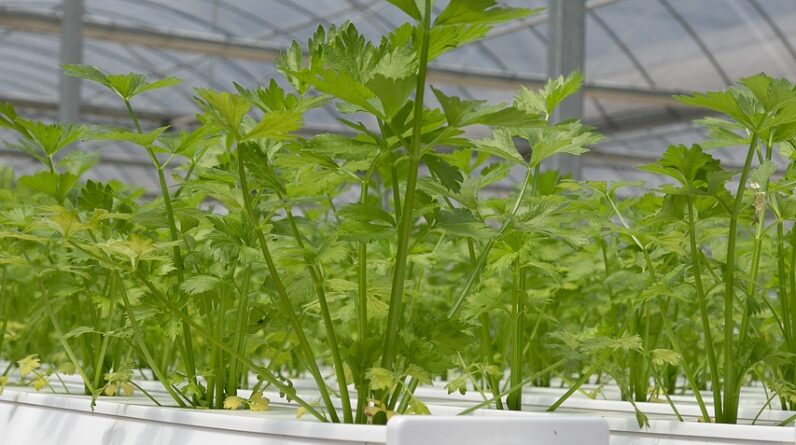
So you’ve always wanted to try your hand at gardening, but the thought of dealing with soil and weeds just doesn’t sound appealing to you. Well, fear no more! With hydroponic gardening, you can say goodbye to messy dirt and hello to a modern approach to growing your favorite plants. In this article, we will explore the differences between hydroponic gardening and traditional soil gardening, and why more and more people are opting for this innovative method. Get ready to discover a whole new world of cultivating plants without the need for soil.
Hydroponic Gardening: A Modern Approach to Growing Plants
Understanding Hydroponics
Definition and Concept of Hydroponics
Hydroponics is a method of growing plants without using soil. Instead, plants are grown in nutrient-rich water solutions that provide all the necessary elements for their growth and development. This innovative gardening technique allows plants to absorb nutrients more efficiently and promotes faster and healthier growth.
Brief History of Hydroponics
The concept of hydroponics has been around for centuries. In ancient times, the Hanging Gardens of Babylon were believed to have used a form of hydroponics to cultivate beautiful plants. However, it wasn’t until the 20th century that modern hydroponics systems were developed and widely adopted. Scientists and researchers began experimenting and refining the hydroponic technique, leading to its widespread use in commercial agriculture and home gardening.
Basic Principles of Hydroponic Gardening
Hydroponic gardening relies on the principle that plants can grow and thrive without soil as long as their essential needs are met. By providing plants with a nutrient-rich solution, adequate light, and the right environmental conditions, hydroponic systems create an ideal environment for plants to flourish. The absence of soil allows for precise control over the nutrient intake of plants, resulting in optimal growth and maximum yields.
Comparison with Traditional Soil Gardening
While traditional soil gardening has been the norm for centuries, hydroponic gardening offers several advantages over its soil-based counterpart. Hydroponic plants tend to grow faster and produce higher yields since they receive nutrients directly and in the correct proportions. Additionally, hydroponics eliminates the risk of soil-borne diseases and reduces the need for herbicides or pesticides. Moreover, hydroponic systems can be set up in urban environments or confined spaces, making it a viable option for urban gardening and vertical farming.
Advantages of Hydroponic Gardening
Efficient Nutrient Delivery
One of the significant advantages of hydroponic gardening is the efficient delivery of nutrients directly to the plants’ root systems. Unlike traditional soil gardening, where nutrients can be unevenly distributed, hydroponics ensures that plants receive the precise nutrients they need for optimal growth. This results in faster growth rates, higher nutrient absorption, and ultimately, healthier plants.
Water Conservation
Hydroponic systems are incredibly water-efficient compared to traditional soil gardening. This is because hydroponics recirculates water rather than allowing it to drain away. As a result, hydroponic gardens can save up to 90% of water compared to traditional gardening methods. This conservation of water is not only an eco-friendly approach but also proves economical in regions where water scarcity is a concern.
No Weeds or Soil-Borne Diseases
By eliminating the need for soil, hydroponic gardening also eliminates the common issues associated with soil-borne diseases and weeds. Soil acts as a breeding ground for pests and diseases, which can harm the plants and reduce yields. With hydroponics, plants are grown in a sterile and controlled environment, significantly reducing the risk of diseases and eliminating the need for harmful pesticides or herbicides.
Optimal Plant Growth and Higher Yields
With hydroponics, plants constantly have access to the nutrients they need, resulting in accelerated growth rates and larger crop yields. The controlled environment allows for precise monitoring and adjustment of important factors such as pH levels, nutrient strength, and light exposure. This ensures that plants receive the ideal conditions for growth, leading to healthier and more productive crops.
Year-Round Gardening Potential
Unlike traditional soil gardening, hydroponic systems are not constrained by seasonal limitations. With the ability to control all environmental factors, such as temperature, humidity, and lighting, hydroponic gardens allow for year-round cultivation. This enables gardeners to have a continuous supply of fresh, homegrown produce regardless of the external climate.
Space Saving and Scalability
Hydroponic gardening is particularly advantageous in areas with limited space. Its vertical gardening techniques, including tower systems and hanging gardens, allow for the cultivation of a significant number of plants in a small area. This makes hydroponics a perfect solution for urban dwellers or those with limited outdoor space. Additionally, hydroponic systems are easily scalable, meaning that as your gardening needs grow, you can expand your setup efficiently.
Suitable for Urban Environments
With the urban population on the rise, finding space for traditional soil gardening can be a challenge. Hydroponic gardening, however, enables urban residents to enjoy the benefits of growing their own fresh produce without the need for ample yard space. By utilizing vertical gardening methods, utilizing unused indoor spaces, or setting up rooftop gardens, hydroponics offers a practical solution for urban farming.
Reduced Environmental Impact
Hydroponic gardening has a lower environmental impact compared to traditional soil gardening. Since hydroponic systems use recirculating water, they significantly reduce the amount of water wasted through drainage. Furthermore, by eliminating the need for soil, hydroponic gardens help conserve arable land and prevent soil erosion. The absence of soil also means that hydroponic gardens require fewer pesticides or herbicides, reducing chemical usage and its associated environmental impact.
Disadvantages of Hydroponic Gardening
Initial Setup Costs
One of the drawbacks of hydroponic gardening is the initial setup costs involved. Hydroponic systems require specialized equipment such as grow lights, pumps, air and oxygenation systems, and pH adjustment systems, which can be quite expensive. However, it’s important to consider these costs as an investment, as hydroponics offers long-term benefits and savings in terms of water usage and increased crop yields.
Ongoing Maintenance and Monitoring
Hydroponic gardens require consistent maintenance and monitoring to ensure optimal plant growth. This includes monitoring nutrient levels, pH levels, water quality, and temperature. Regular equipment maintenance is also necessary to prevent system failures and ensure the longevity of the setup. While hydroponic systems may require more attention compared to traditional soil gardens, the rewards of healthier plants and higher yields make the extra effort worthwhile.
Technical Knowledge and Experience Required
Successfully growing plants using hydroponic systems often requires a certain level of technical knowledge and experience. Understanding the principles of hydroponics, nutrient solutions, pH levels, and environmental control is crucial for achieving optimal plant growth. However, with numerous resources and guides available online, beginners can easily acquire the necessary knowledge and skills to become proficient in hydroponic gardening.
Power Dependency
Hydroponic systems rely on electricity to power essential components such as grow lights, pumps, and air or oxygenation systems. This dependency on electricity means that power outages or failures can pose a risk to the health and survival of the plants. It is important to have backup power sources or alternative lighting solutions in place to mitigate this risk and ensure continuous operation of the hydroponic system.
Risk of System Failures
Just like any complex system, hydroponic setups are not immune to failures or malfunctions. Issues such as pump failures, clogged lines, or nutrient imbalances can occur and adversely affect plant health. Regular monitoring, maintenance, and quick troubleshooting are essential to prevent and address these potential failures. By being proactive and thorough in the upkeep of the system, gardeners can minimize the risk of system failures and ensure the success of their hydroponic garden.
Limited Crop Selection
While hydroponic gardening offers a wide range of cultivatable crops, there are certain plants that may not thrive in a hydroponic environment. Some plants, particularly those with deep root systems, may not adapt well to the shallow nutrient solutions typically used in hydroponics. Additionally, plants with extensive vine growth may require additional support structures. However, with ongoing advancements in hydroponic techniques, the number of suitable crop varieties is continuously expanding, providing more options for hydroponic gardeners.
Types of Hydroponic Systems
Deep Water Culture (DWC)
Deep Water Culture, or DWC, is one of the simplest and most popular hydroponic systems. In this method, plants are suspended in a nutrient solution, with their roots submerged directly in the solution. An air pump is used to oxygenate the water, ensuring that the roots receive sufficient oxygen for growth.
Nutrient Film Technique (NFT)
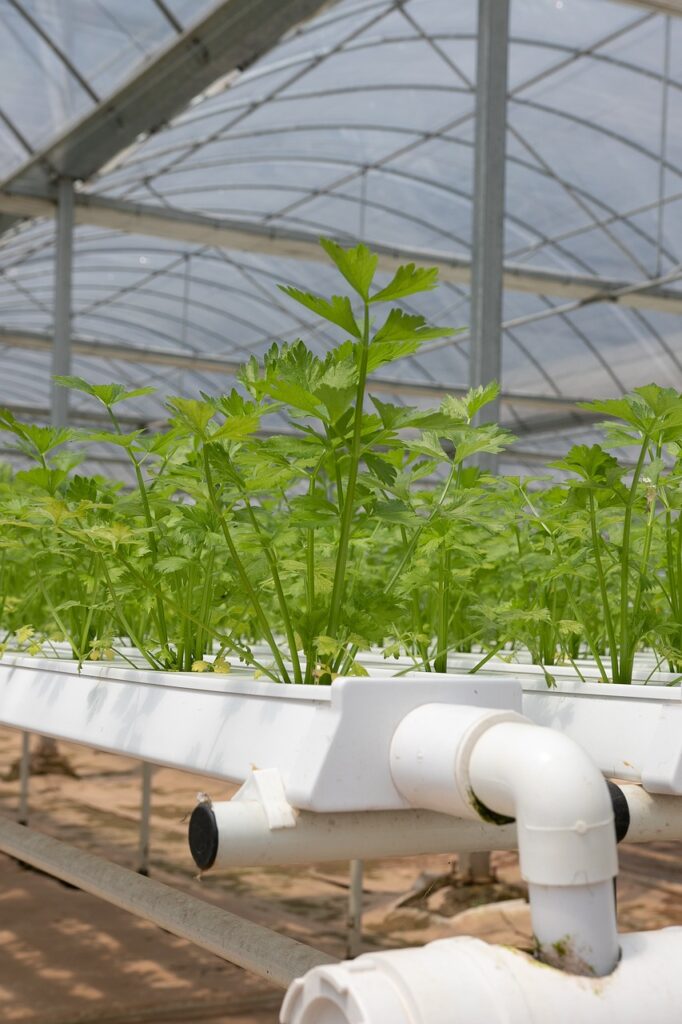
The Nutrient Film Technique, or NFT, is another commonly used hydroponic system. In this system, a thin film or stream of nutrient solution continuously flows over the plant roots, providing access to nutrients and oxygen. Excess solution is collected and recirculated back to the reservoir for reuse.
Drip Irrigation System
The drip irrigation system involves intermittently delivering nutrient solution to the plants using drip emitters or tubing. This system provides greater control over the volume and frequency of nutrient delivery, allowing for precise adjustment based on plant needs.
Ebb and Flow System
Also known as flood and drain system, the Ebb and Flow system periodically floods the plants’ roots with nutrient solution and then drains it back to the reservoir. This cyclic flooding helps deliver nutrients while also aerating the roots during the draining phase.
Aeroponics
Aeroponics is a high-tech hydroponic system that relies on misting the plant roots with a fine nutrient solution. The suspended roots are exposed to the mist, which provides optimal oxygenation along with nutrient intake. This method promotes rapid growth and efficient nutrient absorption.
Wick System
Considered one of the simplest hydroponic systems, the wick system involves using a wick to transport nutrient solution from the reservoir to the plant roots. This passive system utilizes capillary action to maintain a consistent moisture level in the growing medium.
Selecting the Right System for Your Needs
Consideration of Space and Location
Before selecting a hydroponic system, it is essential to consider the available space and the location of your garden. If you have limited space, vertical gardening systems such as tower gardens or hanging gardens may be more suitable. Additionally, the chosen location should have access to sufficient light and be easily accessible for maintenance and monitoring.
Maintenance Requirements
Different hydroponic systems vary in their maintenance requirements. Some systems, such as deep water culture or aeroponics, may require more frequent monitoring and adjustment of nutrient levels. On the other hand, systems like the wick system or NFT may require less frequent maintenance. Understanding and assessing the level of maintenance that you can commit to will help you choose the most appropriate system for your needs.
Crop Selection and Growth Cycle
Consider the types of plants you wish to grow and their specific requirements when selecting a hydroponic system. Some plants may thrive in certain systems while struggling in others. Additionally, different plants have varying growth cycles, and some hydroponic systems may be better suited for either short or long crop cycles. Researching the crop selection and its growth cycle will help you choose a system that best accommodates your desired plants.
Budget Constraints
While hydroponic systems can be cost-effective in the long run, the initial setup costs can vary significantly depending on the chosen system and its components. Consider your budget constraints and the long-term benefits of hydroponic gardening when selecting a system. It’s also worth noting that some systems may require ongoing expenses, such as replacing nutrient solutions or upgrading lighting systems, which should be factored into your budget planning.
Scalability and Expansion
It’s beneficial to select a hydroponic system that offers scalability and the potential for future expansion. As your gardening skills progress, you may wish to increase the size of your hydroponic setup or expand your variety of crops. Choosing a system that can be easily scaled up without major modifications will save you both time and money in the long run.
Essential Components for a Hydroponic Setup
Reservoir and Pump
Every hydroponic system requires a reservoir to store the nutrient solution and a pump to circulate the solution to the plants. The reservoir should be of sufficient size to hold an adequate supply of nutrient solution for your chosen system.
Growing Containers
Growing containers are necessary to support the plants and hold the growing medium. These containers can vary in size and material, depending on the plants being grown and the specific hydroponic system used.
Growing Medium
The growing medium is used to support the plants’ roots and help maintain their stability. There are a variety of growing mediums available, including rockwool, perlite, vermiculite, and coco coir. The choice of growing medium depends on factors such as water retention, aeration, and the specific needs of the plants being grown.
Nutrient Solution
Nutrient solutions are the lifeblood of hydroponic systems. These solutions provide the necessary macronutrients and micronutrients that plants need for healthy growth. The composition of the nutrient solution can vary depending on the growth stage of the plants and the specific requirements of the crop.
pH Adjustment System
Maintaining the optimal pH level for your plants is crucial in hydroponic gardening. A pH adjustment system, such as pH up and down solutions or pH controllers, is necessary to ensure that the nutrient solution remains within the desired pH range for optimal nutrient uptake.
Water Testing Equipment
Regular testing of water quality is essential in hydroponics to ensure that nutrient levels and pH levels are within the appropriate range. Water testing equipment, such as pH meters and electrical conductivity (EC) meters, allows for accurate monitoring of water parameters.
Air and Oxygenation Systems
Plants in hydroponic systems require oxygen at the root level for healthy growth. Air and oxygenation systems, such as air stones or diffusers, help supply oxygen to the nutrient solution, providing the roots with the necessary oxygen they need.
Types of Growing Mediums
Rockwool
Rockwool is a widely used growing medium in hydroponics. It is made from molten rock spun into wool-like fibers. Rockwool provides excellent water retention and aeration, making it suitable for a wide range of plants.
Perlite
Perlite is a lightweight, porous material made from volcanic glass. It improves drainage and aeration in hydroponic systems while retaining some water. Perlite is often used in combination with other growing mediums to enhance their properties.
Vermiculite
Vermiculite is a mineral-based growing medium that can retain nutrients and moisture while promoting good aeration. It is commonly used as a component of soilless mixes in hydroponics.
Coconut Coir
Coconut coir, made from the fibrous husks of coconuts, is a popular choice for hydroponic growing mediums. It retains moisture well, provides good aeration, and is sustainable, making it an eco-friendly option.
Expanded Clay Pellets
Expanded clay pellets, also known as hydroton or clay pebbles, are lightweight, porous spheres that provide excellent drainage and aeration. They are widely used in hydroponic systems, especially in systems where frequent watering is required.
Growstones
Growstones are made from recycled glass and provide excellent water retention, aeration, and drainage. They are lightweight and pH-neutral, making them suitable for a variety of hydroponic applications.
Coco Chips
Coco chips are small pieces of coconut husk. They are lightweight, provide good drainage and aeration, and are sustainable. Coco chips are often used as a part of soilless mixes in hydroponics.
Sphagnum Moss
Sphagnum moss is a natural, renewable material that holds water well and provides good aeration. It is often used as a component in growing media blends for certain orchids and other plants that prefer moist conditions.
Aeroponic Mist
In aeroponic systems, plants are grown with their roots exposed to a fine mist of nutrient solution. This mist provides adequate moisture and nutrients to the roots while allowing them to access oxygen. No growing medium is required in aeroponics.
Nutrient Solutions and pH Levels
Key Macro and Micronutrients
Hydroponic nutrient solutions must contain the essential macro and micronutrients that plants need for healthy growth. Macronutrients include nitrogen, phosphorus, potassium, calcium, magnesium, and sulfur, while micronutrients include iron, manganese, zinc, copper, molybdenum, boron, and chlorine. The proper balance and concentration of these nutrients are critical for optimal plant growth.
Calculating and Adjusting Nutrient Strength
Calculating and adjusting nutrient strength in hydroponics is essential to match the specific needs of your plants. This can be done by using nutrient solution calculators or following nutrient manufacturer guidelines. Nutrient strength is typically measured using electrical conductivity (EC) or total dissolved solids (TDS) meters.
Understanding pH Levels
Maintaining the correct pH level of the nutrient solution is vital for proper nutrient uptake by plants. Most plants prefer a slightly acidic pH range of around 5.5 to 6.5. If the pH deviates from this range, it can lead to nutrient deficiencies or toxicities. Regular pH testing and adjustment are necessary to ensure that the nutrient solution remains within the ideal pH range.
Importance of pH Monitoring and Adjustment
pH monitoring and adjustment are crucial in hydroponics to ensure that plants can absorb nutrients effectively. The pH level affects nutrient availability, and even small deviations can have a significant impact on plant health. Proper pH monitoring and adjustment significantly contribute to optimal plant growth and prevent nutrient deficiencies or imbalances.
Managing Temperature and Humidity in Hydroponics
Optimal Temperature Range for Plant Growth
Different plants have specific temperature requirements for optimal growth. In general, most plants thrive within a temperature range of 70°F to 85°F (21°C to 29°C) during the day and slightly lower temperatures at night. However, specific plants may have different temperature preferences, and it’s important to research their requirements to provide the ideal growing environment.
Controlling Temperature in a Hydroponic System
Controlling temperature in a hydroponic system is crucial to ensure optimal plant growth. This can be achieved through various methods, such as using grow lights that emit minimal heat, properly ventilating the growing area, or implementing cooling systems such as fans, air conditioners, or evaporative cooling.
Humidity Levels and Plant Transpiration
Humidity levels play a significant role in plant transpiration, which is the process of water evaporation from the leaves. Different plants have varying humidity preferences, but a general range of 50% to 70% humidity is often suitable for most plants. However, it’s important to consider plant-specific requirements, as some plants may require higher or lower humidity levels.
Controlling Humidity for Healthy Plants
To control humidity in a hydroponic system, you can use various techniques such as using humidifiers, dehumidifiers, or strategically placing ventilation fans. These methods help maintain optimal humidity levels and prevent issues like mold or fungal growth. Regular monitoring and adjustment are essential to create a healthy and balanced growing environment.
In conclusion, hydroponic gardening offers a modern and efficient approach to growing plants. Its advantages, such as efficient nutrient delivery, water conservation, and year-round gardening potential, make it an appealing option for both commercial and home gardeners. While there are initial setup costs and maintenance requirements to consider, the benefits of hydroponic gardening outweigh the disadvantages. By selecting the right hydroponic system, understanding the key components and growing mediums, and maintaining proper nutrient solutions and environmental conditions, you can successfully harness the power of hydroponics to grow healthy plants and enjoy bountiful harvests.


