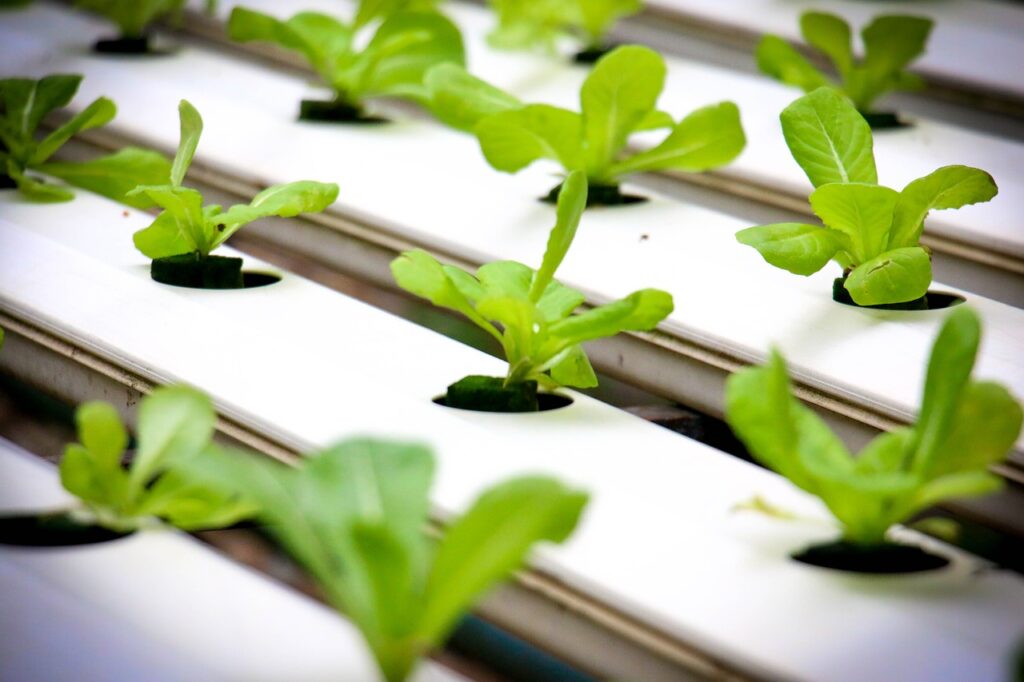
So, you’ve heard about this thing called commercial hydroponics, right? Well, let me tell you, it’s a game-changer in the world of agriculture. Imagine growing plants without soil, using only water and nutrients, and maximizing the efficiency of your crops. Sounds pretty intriguing, doesn’t it? In this article, we’ll explore the ins and outs of commercial hydroponics and uncover some key strategies to help you maximize profitability in this innovative industry. Whether you’re a seasoned hydroponics farmer or just considering entering the field, get ready to discover some valuable tips that will take your business to the next level.
Factors that Impact Profitability
Commercial hydroponics can be a highly profitable venture, but several factors play a crucial role in determining its success. From the choice of crops to the adoption of technology, each aspect contributes to the overall profitability of your hydroponic operation. By understanding and effectively managing these factors, you can maximize your profits and create a thriving business.
Choice of crops
One of the most critical factors influencing profitability in hydroponics is the choice of crops. Understanding the market demand and selecting crops that are in high demand can significantly impact your bottom line. Conducting thorough market analysis and staying updated on consumer preferences allows you to identify profitable crops that will sell well and generate substantial returns.
Market demand
Meeting market demand is paramount to the profitability of your hydroponic operation. It is essential to identify your target markets, understand their preferences, and produce crops that align with consumer demand. By staying ahead of market trends and actively engaging with customers, you can ensure that your products remain in high demand, maximizing your profits.
Cost of inputs
Managing the cost of inputs is crucial in optimizing profitability. Sourcing quality inputs at competitive prices, comparing suppliers, and negotiating prices can help you reduce expenses. Additionally, minimizing waste, recycling and reusing inputs whenever possible, and monitoring and adjusting nutrient levels can contribute to cost savings, boosting your overall profitability.
Efficient resource utilization
Optimizing resource utilization is another key factor that impacts profitability. Space optimization, such as utilizing vertical farming techniques, allows you to maximize your growing area and increase crop yield. Automation can streamline processes, ensuring efficient use of labor and minimizing costs. Utilizing optimal lighting, temperature, humidity control, air circulation, and ventilation, as well as practicing effective water and nutrient management, all contribute to resource efficiency, reducing expenses and maximizing profits.
Production volume
Scaling production volume is crucial for increasing profitability in commercial hydroponics. Expanding grow space, optimizing plant density, managing growth cycles, implementing staggered planting, and continuous harvesting are all strategies that can significantly increase output. Standardizing production processes and consistently monitoring and adjusting production targets allows for efficient resource allocation, ensuring maximum productivity and profitability.
Crop rotation
Implementing effective crop rotation practices is vital in maintaining soil health and fertility and preventing disease and pest buildup. Understanding the benefits of crop rotation, deciding on compatible pairings, and following appropriate timing and sequence can boost profitability. By following well-thought-out crop rotation schedules, you can ensure optimal conditions for each set of crops, maximizing their growth potential and reducing the risk of crop loss.
Integrated pest management
Pests and diseases can pose significant threats to your hydroponic crops. Implementing integrated pest management (IPM) practices can help minimize these risks and increase profitability. Understanding IPM principles, identifying common pests and diseases, and employing preventive measures are crucial steps. Cultural control methods, such as adjusting environmental conditions, and using biological controls, like beneficial insects, can effectively manage pests. Chemical controls should only be used as a last resort, if necessary, to maintain the integrity of your hydroponic system and uphold the health of your crops.
Labor efficiency
Streamlining labor efficiency is vital for maximizing profitability. Proper workforce management, including training and skill development, effective task delegation, and optimizing workflow, can significantly impact productivity and reduce labor costs. Automating repetitive tasks and maintaining a safe work environment not only improve efficiency but also contribute to employee satisfaction and motivation. By implementing strategies that promote labor efficiency, you can enhance productivity and profitability in your hydroponic operation.
Operational costs
Managing operational costs is crucial in maximizing profitability. Through careful expense management, including monitoring and minimizing energy usage and water consumption, you can significantly reduce overheads. Investing in energy-efficient systems, utilizing water management practices, and optimizing the use of equipment and infrastructure can all contribute to cost savings. Regularly reviewing operational expenses and implementing cost-effective solutions allow you to maintain a healthy profit margin in your hydroponic venture.
Technology adoption
In today’s digital age, adopting technology is essential for maximizing profitability in commercial hydroponics. Technological advancements, such as monitoring and control systems, automation and robotics, water and nutrient delivery systems, and precision farming techniques, can revolutionize your operation. Data analytics and predictive modeling offer insights into optimizing crop growth and resource utilization. By investing in research and development and continually learning and adapting to emerging technologies, you can stay at the forefront of hydroponics, ensuring long-term profitability.

Choosing Profitable Crops
Choosing the right crops is a fundamental aspect of maximizing profitability in hydroponics. Several factors should be considered when selecting crops to cultivate. Conducting a comprehensive market analysis is essential to understand the demand and supply dynamics for different crops in your target markets. By identifying crops with high demand, you can ensure that your products will fetch a premium price, increasing your profitability.
Pricing considerations are also vital when choosing crops. Understand the price points at which your target market is willing to purchase different crops and carefully evaluate the cost and effort required to produce them. Balancing the cost of production with the potential returns helps you determine the most profitable crops to grow.
Crop suitability should also be taken into account. Consider the climate and environmental conditions in your area and choose crops that thrive in these conditions. Certain crops may have specific requirements, such as temperature or humidity levels, which might not be feasible to meet in your growing environment, leading to suboptimal growth and lower profitability.
Disease and pest resistance is another crucial factor. Investing in crops that are naturally resistant to common diseases and pests reduces the risk of crop loss and the need for expensive treatments and interventions. Choosing disease-resistant varieties can save you time, effort, and money, ultimately contributing to higher profitability.
Growth cycle duration is an essential consideration when choosing crops. Some crops have shorter growth cycles, allowing for quicker turnover and higher productivity. By selecting crops with faster growth cycles, you can increase your overall output and potentially generate more revenue within a given time frame.
Yield potential is a critical factor in determining crop profitability. Comparing the potential yield of different crops and their market value helps you assess the return on investment. Higher-yielding crops can be more lucrative, but it is essential to consider other factors, such as market demand and production costs, to ensure overall profitability.
While considering traditional crops, exploring specialty crops can also boost profitability. Specialty crops, such as herbs, microgreens, or exotic fruits and vegetables, often command higher prices in the market due to their unique characteristics. By diversifying your product offerings and including specialty crops in your hydroponic operation, you can tap into niche markets and potentially increase your profits.
By carefully evaluating these factors and selecting crops that align with market demand, pricing considerations, disease resistance, growth cycle duration, yield potential, and specialty crop opportunities, you can choose crops that have the highest likelihood of maximizing your profitability in commercial hydroponics.