


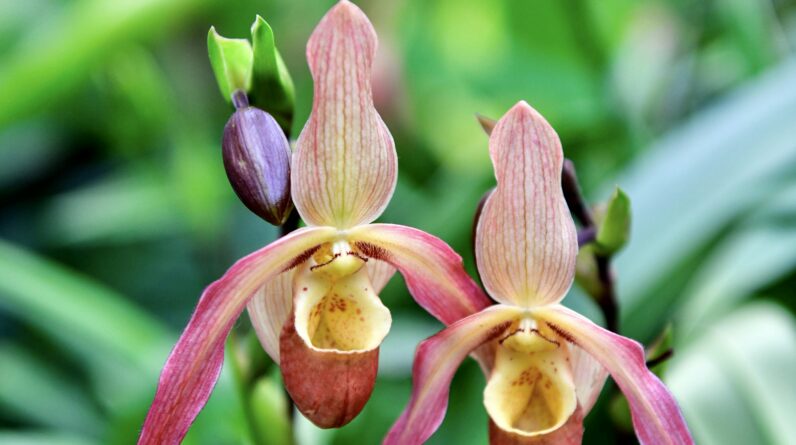
So you’ve taken the plunge and decided to embrace the world of hydroponic gardening, specifically focusing on orchids. Congratulations! In this comprehensive guide, we will explore all the ins and outs of hydroponic orchid care, guiding you through the intricate process of cultivating these stunning flowers with ease and confidence. From understanding the basics of hydroponics to learning the specific needs and requirements of orchids, this ultimate guide will equip you with the knowledge and techniques to create a thriving hydroponic orchid garden that will be the envy of all your friends and neighbors. Get ready to embark on a journey of beauty and fascination as we uncover the secrets of hydroponic orchid care.
Choosing the Right Orchid
When it comes to selecting the right orchid for your hydroponic garden, there are numerous options to choose from. Orchids come in a wide variety of species, each with its own unique requirements and characteristics. Some popular orchid types include Phalaenopsis (Moth Orchids), Cattleya, Dendrobium, and Oncidium. Each type has its own distinct appearance and flowering patterns, so it’s important to consider your personal preferences when choosing an orchid variety.
Types of Orchids
Phalaenopsis orchids, commonly known as Moth Orchids, are one of the most popular choices for indoor growing. They have large, vibrant flowers and are relatively easy to care for. Cattleya orchids are known for their large, showy blooms and delightful fragrance. Dendrobium orchids are famous for their long sprays of flowers and are available in a wide range of colors. Oncidium orchids, also known as Dancing Lady Orchids, feature cascades of small, butterfly-shaped flowers.
Considerations for Indoor Growing
When selecting an orchid for indoor growing, it’s important to consider the specific requirements of the plant. Orchids thrive in environments with adequate humidity, indirect sunlight, and proper ventilation. Additionally, you should consider the size of the orchid, as some varieties grow larger and require more space than others. It’s also essential to choose an orchid that matches the lighting conditions of your indoor space.
Choosing the Right Variety
The variety of orchid you choose should take into account various factors, including your level of gardening experience, the amount of time you can dedicate to care for the plant, and the specific growing conditions in your home. If you’re a beginner, it may be best to start with a Phalaenopsis orchid, as they are known for their resilience and adaptability. More experienced gardeners may prefer to experiment with other types of orchids that have more specific care requirements.
Supplies and Equipment
To ensure the success of your hydroponic orchid garden, it’s important to gather the necessary supplies and equipment. You will need containers or pots specifically designed for hydroponic systems, a growing medium such as coconut coir or rockwool, a reservoir for storing nutrient solution, a pH meter to monitor acidity levels, and lighting fixtures that provide the right spectrum of light for orchids. Additionally, having a fan for air circulation and tools for pruning and trimming will aid in maintaining your orchids’ health.
Setting Up Your Hydroponic System
Before diving into the world of hydroponic orchid care, you’ll need to set up your hydroponic system properly. This involves selecting the right growing medium, setting up the reservoir, ensuring the proper lighting conditions, and controlling the temperature and humidity.
Selecting a Growing Medium
In hydroponic gardening, the growing medium plays a crucial role in providing support and anchoring the orchid’s roots while allowing for optimal nutrient absorption. Popular options for orchid hydroponics include coconut coir, rockwool, perlite, and clay pellets. Each medium has its own pros and cons in terms of water retention, aeration, and pH stability, so choose the one that best suits your needs and the specific requirements of your orchid variety.
Setting up the Reservoir
The reservoir is where you will store the nutrient solution that is crucial for the growth and development of your hydroponic orchids. Choose a reservoir that is adequately sized for the number of orchids you plan to grow. It should be made of a material that is non-toxic and resistant to light to prevent the growth of algae. Make sure to place it in a convenient location that is easily accessible for regular maintenance and monitoring.
Choosing the Right Lighting
Orchids need the right balance of light to thrive in a hydroponic system, especially since they may not receive direct sunlight indoors. LED grow lights are often the preferred choice for hydroponic orchids, as they can provide the full spectrum of light required for optimal growth. The intensity, duration, and distance of the light source from the orchids should be carefully considered, as different orchid varieties have varying light requirements.
Temperature and Humidity Control
Maintaining the proper temperature and humidity levels is crucial for the success of your hydroponic orchids. Most orchids prefer temperatures between 60°F and 80°F (15°C and 27°C) during the day and slightly cooler temperatures at night. Humidity levels should ideally be between 50% and 70%. Investing in a hygrometer and thermometer can help you monitor and adjust these conditions accordingly. Proper ventilation and air circulation are also important for preventing fungal diseases and ensuring the overall health of your orchids.

Feeding and Nutrient Management
Ensuring that your hydroponic orchids receive the proper nutrients is vital for their growth and overall health. Understanding their nutritional needs, using the right hydroponic nutrient solutions, determining the feeding frequency and dosage, and considering foliar sprays are all essential aspects of effective feeding and nutrient management.
Understanding Orchid Nutritional Needs
Orchids have specific nutritional requirements that differ from other plants. They need a balanced mix of macronutrients (nitrogen, phosphorus, and potassium) as well as micronutrients (calcium, magnesium, iron, etc.). Research the specific nutritional needs of your orchid variety to understand which nutrients are most crucial for its growth and development.
Hydroponic Nutrient Solutions
Hydroponic nutrient solutions provide the essential elements that orchids need for optimal growth. These solutions are specifically formulated for hydroponic systems and are available in pre-mixed forms or as concentrated liquid fertilizers that need to be diluted. Make sure to choose a nutrient solution that matches the exact requirements of your orchid species.
Feeding Frequency and Dosage
Determining the frequency and dosage of feeding your hydroponic orchids will depend on several factors, including the specific nutrient solution being used, the growth stage of the orchid, and the individual requirements of the plant. It’s generally recommended to provide a diluted nutrient solution to your orchids every one to two weeks. However, it’s important not to overfeed, as excessive nutrients can lead to nutrient burn and other issues.
Supplementing with Foliar Sprays
In addition to feeding your orchids through the roots, foliar sprays can be used as a supplemental method to deliver nutrients directly to the leaves. This can be especially beneficial when orchids are experiencing nutrient deficiencies or when quick absorption is needed. Use a foliar spray specifically formulated for orchids and be cautious not to apply it during the hottest times of the day to prevent leaf burn.
Watering and Irrigation
Proper watering and irrigation techniques are essential for ensuring the health and vitality of your hydroponic orchids. Understanding the orchid’s watering requirements, choosing the right irrigation system, managing pH and EC levels, and preventing root rot and fungal infections are all important factors to consider.
Understanding Orchid Watering Requirements
Orchids have specific watering requirements that differ from many other houseplants. Overwatering can lead to root rot, while underwatering can cause dehydration and stress. Orchids generally prefer a balance between moist and dry conditions. Most orchid varieties benefit from a thorough watering followed by a period of drying out before the next watering. Avoid letting orchids sit in standing water to prevent root rot.
Irrigation Systems for Hydroponics
Various irrigation systems can be used in hydroponic orchid gardens, depending on your preference and the specific needs of your orchids. Options include drip irrigation, flood and drain systems, and capillary mats. Drip irrigation, where water is slowly dripped onto the medium or roots, is a popular choice for hydroponic orchids due to its efficiency and ability to provide consistent moisture levels.
Managing pH and EC Levels
Maintaining the proper pH and EC (Electrical Conductivity) levels in the hydroponic system is crucial for nutrient uptake and overall plant health. Orchids generally prefer slightly acidic to neutral pH levels, with a range of 5.5 to 6.5. The EC levels, which measure the concentration of dissolved nutrients in the water, should be carefully monitored and adjusted based on the specific requirements of your orchid species.
Preventing Root Rot and Fungal Infections
Root rot and fungal infections can be a common issue when growing orchids, particularly in hydroponic systems. To prevent these problems, it’s essential to ensure proper drainage and avoid overwatering. Additionally, maintaining a clean growing environment, providing adequate air circulation, and using sterilized equipment and growing media can help prevent the growth and spread of harmful fungi and bacteria.
Maintaining Optimal Growing Conditions
To keep your hydroponic orchids thriving, it’s important to maintain optimal growing conditions. Ensuring proper air circulation, pruning and trimming to promote healthy growth, providing support for orchid structures, and effectively tackling pests and diseases are vital aspects of maintenance.
Ensuring Proper Air Circulation
Orchids thrive in environments with good air circulation. Stagnant air can lead to the growth of fungal diseases and can hinder the natural transpiration process of the orchid. Positioning fans strategically in the growing area can help provide sufficient air movement, preventing the buildup of excess moisture and reducing the risk of diseases.
Pruning and Trimming
Regular pruning and trimming are important to maintain the health and appearance of your hydroponic orchids. This involves removing dead or yellowing leaves, spent flower spikes, and any damaged or diseased parts of the plant. Pruning also helps redirect the plant’s energy to new growth and flower production, contributing to the overall health and vitality of the orchid.
Supporting Orchid Growth
As orchids grow, they may require additional support to prevent their structures from collapsing or breaking. Orchid stakes, clips, or trellises can be used to provide support for the flower spikes, helping the plant stay upright and allowing proper air circulation. This is especially important for taller orchid varieties with long flower spikes that can become top-heavy.
Pest and Disease Control
Dealing with pests and diseases is a common challenge when growing orchids, whether in a hydroponic system or any other gardening method. Common pests include aphids, mealybugs, spider mites, and scale insects. Orchids can also be susceptible to fungal and bacterial diseases, such as black rot and powdery mildew. Regular monitoring, identifying pests or diseases early, and using appropriate organic or chemical controls can help prevent infestations and keep your orchids healthy.
- Continue the rest of the article below –


