


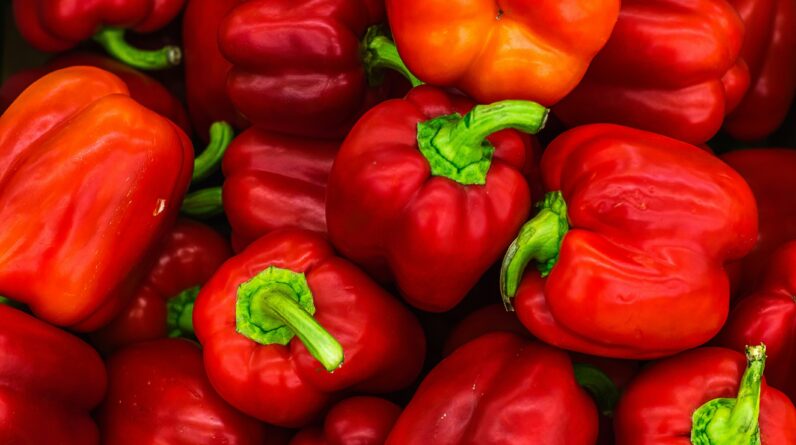
So you’ve always wanted to grow your own peppers but don’t have a big backyard or much space for a traditional garden? Well, fear not, because hydroponic gardening is here to save the day! In this ultimate guide, we’ll show you everything you need to know about growing peppers using hydroponic systems. From selecting the right variety of peppers to setting up your hydroponic system, we’ve got you covered. Get ready to spice up your meals with fresh, homegrown peppers all year round!
Choosing the Right Hydroponic System
NFT (Nutrient Film Technique)
The Nutrient Film Technique (NFT) is a popular hydroponic system for growing peppers. In this system, a thin film of nutrient-rich water flows continuously over the plant roots, providing them with the necessary nutrients and oxygen. NFT systems are known for their efficiency in water and nutrient usage, making them ideal for pepper cultivation.
DWC (Deep Water Culture)
Deep Water Culture (DWC) is another hydroponic system that works well for growing peppers. In this system, the plant’s roots are suspended in a nutrient-rich solution, with an air pump providing oxygen to the roots. DWC systems are relatively easy to set up and maintain, making them an excellent option for beginners.
Ebb and Flow
The Ebb and Flow (also known as Flood and Drain) hydroponic system is a versatile option for growing peppers. This system involves periodically flooding the plant’s roots with a nutrient solution and then draining it away. Ebb and flow systems allow for the oxygenation of the roots during the draining phase and can be customized to fit different setups and plant growth stages.
Aeroponics
Aeroponics is a high-tech and efficient hydroponic system that is gaining popularity among growers. In this system, the plant roots are suspended in the air and misted with a nutrient-rich solution, providing optimal oxygenation and nutrient uptake. Aeroponics allows for faster plant growth and increased yields, making it suitable for those looking to maximize pepper production.
Selecting Pepper Varieties
Sweet Peppers
If you prefer milder and sweeter flavors, then sweet peppers are the way to go. Popular varieties include the bell peppers, which come in vibrant colors such as red, orange, yellow, and green. These peppers are excellent for salads, stuffing, and stir-fries, and they add a delightful sweetness to any dish.
Hot Peppers
For those who crave a spicy kick, growing hot peppers is the perfect choice. Popular varieties include jalapenos, habaneros, and Thai chili peppers. These peppers can range from mildly spicy to fiery hot. Excellent for adding a spicy heat to salsas, sauces, and traditional ethnic cuisines, hot peppers are a must-have for spice enthusiasts.
Bell Peppers
Bell peppers are one of the most versatile pepper varieties, with a mild and sweet flavor. They come in various colors, including green, red, yellow, and orange. Bell peppers are perfect for cooking, snacking, and adding color and flavor to dishes. Whether you prefer them raw or cooked, bell peppers are a staple in any garden.
Jalapeno Peppers
Jalapenos are a popular choice for those seeking a balance between heat and flavor. These medium-sized peppers pack a punch and add a zesty kick to nachos, tacos, and salsas. Jalapenos are also great for pickling or stuffing, making them a versatile option for those who enjoy a milder spice level.
Creating the Ideal Growing Environment
Temperature
Peppers thrive in warm temperatures, so maintaining the ideal temperature range is crucial for their growth. For most pepper varieties, a temperature range between 70°F and 85°F is optimal. Providing consistent warmth will promote healthy growth and fruit production.
Humidity
Peppers prefer a moderate level of humidity, ranging from 40% to 60%. High humidity can lead to fungal diseases, while low humidity can cause inadequate water uptake. To maintain the right humidity levels, consider using a humidifier or dehumidifier, depending on your specific climate conditions.
Lighting
Proper lighting is essential for pepper plants, especially when growing them indoors. Peppers require 12 to 14 hours of light per day for optimal growth and fruit development. Using full-spectrum grow lights or a combination of fluorescent and LED lights will ensure your peppers receive the necessary light energy.
Air Circulation
Good air circulation is vital for preventing pests and diseases and promoting strong plant growth. You can achieve this by using oscillating fans or installing a ventilation system in your growing area. Proper air circulation also helps the plants transpire effectively and regulates temperature and humidity levels, creating a healthier growing environment.
Preparing the Growing Medium
Choosing a Growing Medium
Selecting the right growing medium is crucial for hydroponic pepper cultivation. Common growing media options include rockwool, coco coir, perlite, and vermiculite. Each medium has its advantages and considerations, such as water retention, aeration, and pH buffering capacity.
Sterilization Process
Before using any growing medium, it’s essential to sterilize it to prevent the introduction of pests, diseases, and unwanted microorganisms. Sterilizing the growing medium can be done through processes such as baking, autoclaving, or using a sterilizing solution. This step ensures a clean and disease-free environment for your plants.
pH Level Adjustment
Peppers prefer a slightly acidic pH level between 5.5 and 6.5. Before planting your peppers, it’s crucial to test and adjust the pH level of your growing medium using pH testing kits or electronic meters. This adjustment ensures optimal nutrient uptake, as imbalanced pH levels can lead to nutrient deficiencies or toxicities.
Germinating Pepper Seeds
Seed Selection
Choosing high-quality pepper seeds is essential for successful germination and healthy plant development. Look for seeds from reputable sources and select varieties that suit your taste preferences and growing conditions. Consider factors such as disease resistance, growth habit, and flavor profiles when making your selection.
Seed Soaking
Soaking pepper seeds before planting can expedite the germination process. Soak the seeds in room temperature water for about 8 to 12 hours, allowing them to absorb moisture and soften their protective seed coat. This technique can improve germination rates and promote uniform seedling emergence.
Seed Planting
Planting pepper seeds can be done in seed trays, peat pots, or seedling cubes filled with a moist growing medium. Sow the seeds at a depth of approximately 1/4 to 1/2 inch and cover them lightly with the growing medium. Ensure the environment remains warm and humid to encourage germination.
Germination Techniques
Maintaining optimal germination conditions is crucial for successful seedling emergence. Provide consistent warmth, usually around 75°F to 85°F, using a seedling heat mat or a warm area in your growing space. Keep the growing medium moist but not overly saturated, and ensure adequate lighting for the young seedlings.
Transplanting Seedlings to the Hydroponic System
Seedling Development
Once your pepper seedlings have developed their first true leaves, it’s time to prepare them for transplantation. Ensure that the seedlings are healthy, sturdy, and have a well-developed root system. Proper seedling development is vital for successful transplanting and robust plant growth in the hydroponic system.
Watering Techniques
Before transplanting, it’s important to water the seedlings thoroughly to ensure their roots are hydrated. Use a gentle spray or a watering can to avoid damaging the delicate seedlings. This last watering in the growing medium will help ease the transition to the hydroponic system.
Transplantation Process
Carefully transfer your seedlings to their designated spots in the hydroponic system, taking care not to damage the roots. Plant the seedlings at the same depth they were growing in the previous medium. Secure the seedlings in place, making sure they are stable and adequately supported.
Supplemental Nutrition
After transplanting, it’s essential to provide your seedlings with additional nutrients to support their growth. This can be done by incorporating a diluted nutrient solution in the hydroponic system or by misting the seedlings with a foliar spray. Supplemental nutrition helps the seedlings adjust to their new environment and encourages strong root development.
Maintaining the Hydroponic System
Water Quality
The water quality used in your hydroponic system is crucial for the health and productivity of your pepper plants. Ensure your water is free of contaminants, such as chlorine and heavy metals, which can hinder plant growth. Using filtered or distilled water, or treating tap water with dechlorination agents, will help maintain optimal water quality.
pH Monitoring
Regularly monitoring the pH level of your nutrient solution is essential for proper nutrient uptake by your pepper plants. Aim to keep the pH within the recommended range for peppers (5.5 to 6.5) and adjust it as needed using pH up or down solutions. Monitoring the pH ensures your plants receive the right balance of nutrients.
Nutrient Solution Management
Maintaining a properly balanced nutrient solution is key to ensuring your pepper plants receive the necessary nutrients for optimal growth. Follow the nutrient manufacturer’s guidelines for the correct dosage and adjust accordingly based on the growth stage of your plants. Regularly check and replenish the nutrient solution to prevent deficiencies.
System Maintenance
Regular maintenance of your hydroponic system is vital for its longevity and the well-being of your plants. Clean and sanitize the system, including reservoirs, pumps, and tubing, on a regular basis to prevent the buildup of algae, bacteria, and other contaminants. Inspect the system for any clogs or leaks and address them promptly to avoid any disruptions in nutrient delivery.
Controlling Pest and Diseases
Preventing Pest Infestations
Prevention is key when it comes to managing pests in your hydroponic pepper garden. Implementing good hygiene practices, such as sterilizing tools and equipment, and practicing proper sanitation will help reduce the risk of pest infestations. Regularly monitor your plants for signs of pests and take immediate action if any are detected.
Identifying Common Pepper Diseases
Familiarize yourself with common diseases that affect pepper plants, such as powdery mildew, root rot, and bacterial spot. Learn to identify the symptoms and signs of these diseases, such as discolored leaves, wilting, or unusual spotting. Early detection and prompt treatment can help prevent the spread and severity of these diseases.
Natural Remedies
Utilizing natural remedies can be effective in controlling pests and diseases in your hydroponic pepper system. Techniques such as introducing beneficial insects, like ladybugs or predatory mites, can help control pest populations. Neem oil and other organic sprays can provide effective control for common pests, while treatments such as hydrogen peroxide can combat root diseases.
Chemical Treatments
In severe cases, chemical treatments may be necessary to combat persistent pests or diseases. Consult with a professional or experts in hydroponic gardening to determine the appropriate chemical treatments for your specific situation. When using chemical treatments, closely follow the instructions and safety precautions provided by the manufacturer.
Pruning and Training Pepper Plants
Pruning Techniques
Pruning pepper plants can help increase air circulation, promote better light penetration, and enhance overall plant vigor. Remove any damaged, diseased, or dead leaves or branches regularly. Pinch back the top of the plant when it reaches a desired height to encourage bushier growth and more lateral branches.
Supporting Techniques
Providing support for your pepper plants is crucial, especially when the fruit begins to develop. Install trellises, stakes, or cages to ensure the plants remain upright and prevent the risk of breakage. Tie the main stem and branches gently to the support structure as the plant grows, using soft plant ties or twine.
Training Methods
Training your pepper plants involves gently manipulating their growth to optimize productivity and health. Techniques such as topping, which involves removing the top of the main stem or lateral branches, can encourage branching and more fruit production. Additionally, utilizing low-stress training methods, such as bending or tying down branches, can help create a more compact and productive plant.
Stem Tying
Securely tying the stems of your pepper plants to support structures or trellises is essential for their stability and overall health. Use soft plant ties or twine and avoid tying too tightly or causing damage to the plant. Regularly inspect the ties, adjusting or retying as needed to accommodate the plant’s growth.
Harvesting Hydroponic Peppers
Determining Pepper Maturity
Pepper maturity is determined by several factors, including size, color, and taste. Harvest sweet peppers when they have reached their desired color, typically red, yellow, or orange. Hot peppers can be harvested at any stage, from green to fully colored, depending on the desired level of heat.
Harvesting Techniques
Harvesting peppers can be done by using a sharp knife or scissors to cut the stem just above the fruit. Avoid twisting or pulling the peppers, as this can damage the plant and may result in unripe fruit. Handle the harvested peppers with care to prevent bruising or damage.
Post-Harvest Handling
After harvesting, it’s crucial to handle the peppers properly to maintain their quality and freshness. Remove any debris or damaged parts and gently wash the peppers in cool water. Allow them to dry thoroughly before storing or using. Avoid leaving harvested peppers exposed to direct sunlight or extreme temperatures, as this can lead to spoilage.
Storage and Shelf Life
For short-term storage, keep harvested peppers in the refrigerator in a perforated plastic bag or in a slightly open container to maintain humidity. Sweet peppers can typically be stored for up to two weeks, while hot peppers have a longer shelf life. Consider freezing or preserving peppers if you have an abundance of them to extend their usability.
Growing hydroponic peppers can be a rewarding and flavorful experience. By selecting the right hydroponic system, choosing suitable pepper varieties, creating an ideal growing environment, preparing the growing medium, germinating seeds, transplanting seedlings, maintaining the hydroponic system, controlling pests and diseases, pruning and training plants, and harvesting properly, you can successfully grow your own spicy or sweet peppers all year round. Enjoy the satisfaction of biting into a freshly harvested, homegrown pepper that you nurtured from seed to plate.


