


Imagine a world where crops flourish without traditional soil and water scarcity is just a thing of the past. Well, that world is becoming a reality thanks to the revolutionary advancements in hydroponic farming. With this groundbreaking farming technique, plants are grown in nutrient-rich water solutions instead of soil, allowing for increased yields and reduced water usage. In this article, we’ll explore the latest innovations in hydroponic farming and how they are reshaping the future of agriculture. Get ready to be amazed by the possibilities that lie ahead!
Overview of Hydroponic Farming
Hydroponic farming is a method of growing plants without soil, where the plants are instead provided with all the essential nutrients they need directly in their water supply. This innovative farming technique has gained considerable popularity in recent years due to its numerous advantages over traditional soil-based agriculture. By harnessing the power of modern technology and sustainable practices, hydroponic farming is revolutionizing the way we grow crops.
Definition of Hydroponic Farming
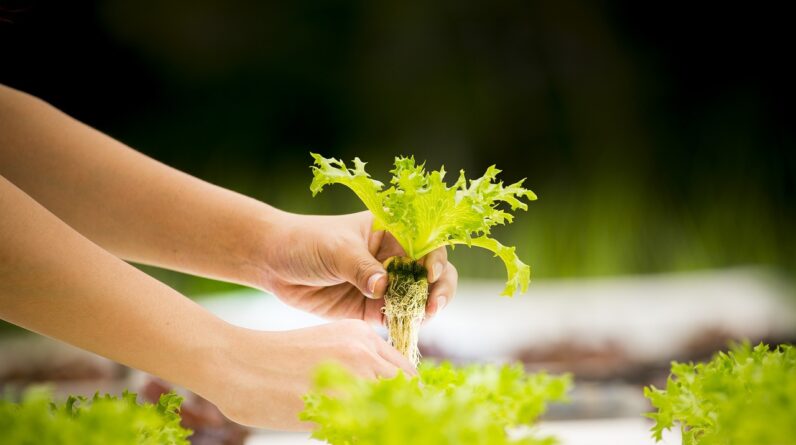
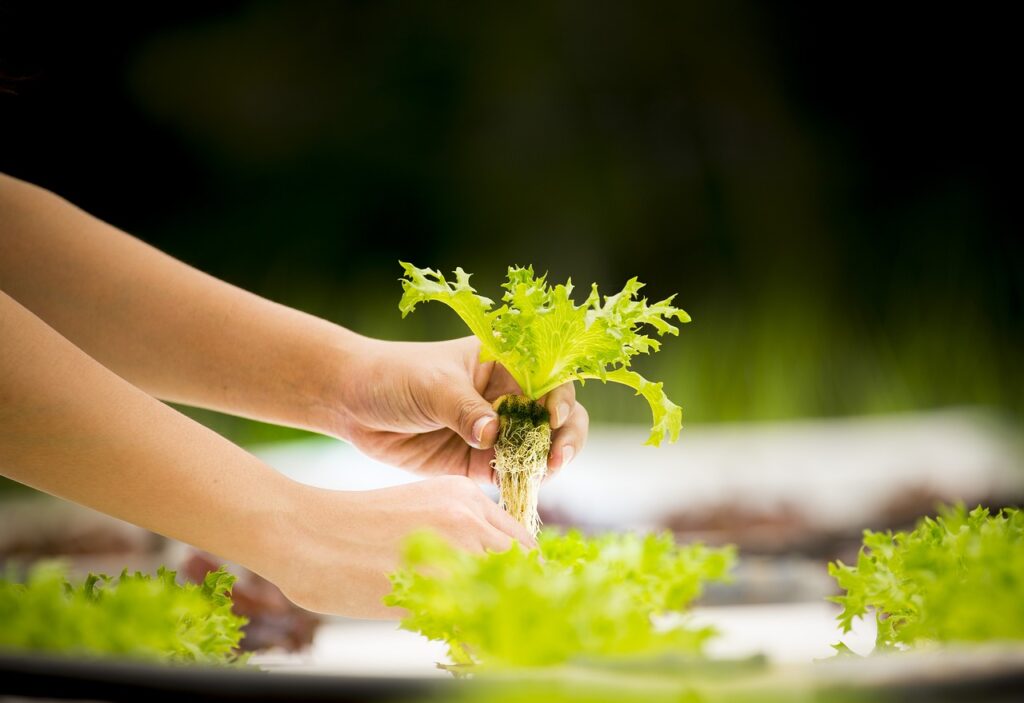
Hydroponic farming, also known as soilless agriculture, is a method of cultivating plants in nutrient-rich water solutions instead of traditional soil-based systems. In this technique, plants are typically grown in controlled environments such as greenhouses or indoor farms, where various hydroponic systems are employed to deliver the necessary nutrients, water, and oxygen directly to the plant roots.
History and Development of Hydroponics
Although the concept of growing plants without soil can be traced back thousands of years, the modern hydroponic system as we know it today began to take shape in the mid-19th century. The first documented hydroponic experiments were conducted by German botanist Julius von Sachs in 1860. However, it was not until the 1930s that researchers at the University of California further developed hydroponics into a practical method for commercial crop production.
Advantages of Hydroponic Farming
Hydroponic farming offers numerous advantages over traditional soil-based agriculture. Firstly, hydroponic systems can significantly increase crop yields as plants receive precise amounts of nutrients, water, and oxygen, resulting in faster growth rates and healthier plants. Additionally, hydroponics allows for year-round cultivation, independent of weather conditions, making it a reliable method for consistent crop production. Furthermore, since hydroponic systems utilize water more efficiently than traditional farming, it conserves water resources and minimizes water waste.
Challenges and Drawbacks of Hydroponics
While hydroponic farming provides numerous benefits, it is not without its challenges and drawbacks. One of the main challenges is the high initial setup costs associated with hydroponic systems, which can deter many farmers from adopting this technology. Additionally, maintaining a hydroponic system requires technical expertise and constant monitoring to ensure optimal conditions for plant growth. Furthermore, the standardization of hydroponic practices is still an ongoing process, as different crops may have different nutrient requirements, making it crucial to develop tailor-made nutrient solutions.
Types of Hydroponic Systems
There are various types of hydroponic systems, each with its unique approach to delivering water and nutrients to plants. These systems include:
Nutrient Film Technique (NFT)
The Nutrient Film Technique (NFT) is a popular hydroponic system that utilizes a shallow, sloping channel to continuously flow a thin film of nutrient-rich water over the plant roots. This system allows for ample oxygenation of the roots while providing a continuous supply of nutrients and water.
Deep Water Culture (DWC)
In Deep Water Culture (DWC), plants are suspended in nutrient-rich water with their roots submerged. An air stone or diffuser provides oxygen to the water, ensuring that the roots receive the necessary oxygen and nutrients for proper growth.
Drip Irrigation
Drip irrigation is a widely used hydroponic system that involves the slow and regulated delivery of nutrient-rich water directly to the plant roots. This system can be easily automated and provides precise control over the amount of water and nutrients delivered to each plant.
Aeroponics
Aeroponics is a cutting-edge hydroponic system that suspends plant roots in a misted environment, providing them with a highly oxygenated and nutrient-rich atmosphere. This system allows for optimal nutrient absorption and can result in faster plant growth rates.
Ebb and Flow (Flood and Drain)
The Ebb and Flow system works by periodically flooding the growing medium with nutrient-rich water and then draining it away. This cyclic process ensures proper hydration of the plant roots while preventing waterlogging and ensuring sufficient oxygenation.
Wick System
The Wick system is one of the simplest hydroponic systems and involves the use of a passive wick to draw nutrient-rich water from a reservoir to the plant roots. This system is easy to set up and maintain, making it ideal for beginners or small-scale hydroponic setups.
The Role of Technology in Hydroponic Farming
Technology plays a pivotal role in the development and success of hydroponic farming. Here are some key technological advancements that have revolutionized the industry:
Automated Control Systems
Automated control systems allow for precise monitoring and adjustment of environmental factors such as temperature, humidity, and nutrient levels. These systems can ensure optimal growing conditions and minimize human error.
Sensors and Monitoring Devices
Various sensors and monitoring devices, such as pH and EC meters, help track the nutrient levels and overall health of plants in a hydroponic system. These tools enable early detection of any imbalances or deficiencies, allowing for timely intervention.
Artificial Intelligence in Hydroponics
Artificial intelligence (AI) has the potential to revolutionize hydroponic farming by analyzing vast amounts of data, optimizing crop production, and predicting plant behavior. AI can provide valuable insights into improving nutrient delivery and plant growth strategies.
Smartphone Applications
Mobile applications have emerged as indispensable tools for hydroponic farmers. These apps allow farmers to remotely monitor and control their hydroponic systems, receive alerts, access crop cultivation guides, and connect with a community of fellow growers.
Advancements in Nutrient Delivery Systems
The development of nutrient delivery systems is crucial for optimizing plant growth and maximizing crop yields in hydroponic farming. Here are some notable advancements:
Development of Tailor-made Nutrient Solutions
As different crops have varying nutrient requirements at different growth stages, there is a growing emphasis on developing tailor-made nutrient solutions. By providing plants with precisely the nutrients they need, farmers can enhance crop growth and ensure optimal yields.
Hydroponic Nutrient Film Delivery Systems
Nutrient film delivery systems have undergone significant advancements to improve nutrient availability and efficiency. These systems ensure a continuous flow of nutrient-rich water directly to the plant roots, promoting faster nutrient uptake and minimizing wastage.
Improvements in Nutrient Availability and Efficiency
Efforts are being made to improve the availability and efficiency of nutrients in hydroponic systems. This includes the development of advanced nutrient formulations and the exploration of alternative nutrient sources, such as organic and bio-based additives.
Exploration of Alternative Nutrient Sources
To further enhance sustainability in hydroponic farming, researchers are exploring alternative nutrient sources. This includes harnessing bio-waste and by-products from other industries to create nutrient-rich solutions, reducing dependence on synthetic fertilizers and minimizing waste.
Innovations in Vertical Farming
Vertical farming, a revolutionary concept within hydroponic farming, involves the cultivation of crops in vertically stacked layers or towers. This approach offers several benefits and has seen remarkable innovations:
Vertical Farming Concept and Benefits
Vertical farming maximizes the use of limited space by growing crops upwards, thereby significantly increasing crop production per square foot. This approach is particularly beneficial in urban environments where land is scarce.
Stackable Systems for Space Optimization
To optimize space utilization in vertical farming, stackable systems have been developed. These systems use modular containers or trays that can be easily stacked, enabling vertical expansion and efficient use of available space.
LED Lighting Technology
In vertical farming, LED lighting technology plays a crucial role in providing the right light spectrum for optimal plant growth. Energy-efficient LED lights are used to mimic natural sunlight, ensuring that plants receive the required intensity and spectrum of light for photosynthesis.
Automated Vertical Farming Solutions
With the integration of robotics and automation, vertical farming can be made more efficient and sustainable. Automated systems can handle tasks such as planting, watering, and harvesting, reducing labor requirements and increasing productivity.
Sustainable and Eco-friendly Practices in Hydroponics
Hydroponic farming has the potential to be highly sustainable and eco-friendly. Here are some practices that contribute to the sustainability of hydroponics:
Water Conservation Techniques
Hydroponic systems are designed to optimize water usage, minimizing waste. Techniques such as recirculating systems, drip irrigation, and water-saving technologies help conserve water resources and reduce the overall water footprint of hydroponic farming.
Nutrient Recycling and Waste Reduction
Hydroponic systems enable the collection and recycling of nutrient-rich runoff, preventing nutrient pollution of water bodies. By implementing efficient nutrient recovery and recycling methods, hydroponic farmers can significantly reduce nutrient waste.
Integration of Renewable Energy Sources
To reduce reliance on fossil fuels and decrease greenhouse gas emissions, hydroponic farmers are increasingly integrating renewable energy sources. Solar panels, wind turbines, and other renewable energy technologies are used to power hydroponic facilities, making the farming process more sustainable.
Utilization of Organic and Bio-based Growing Media
Hydroponics allows for the use of organic and bio-based growing media instead of traditional soil. Coconut coir, peat moss, and other bio-based materials are used as alternatives, reducing the dependence on finite soil resources and minimizing environmental degradation.
Hydroponics in Urban Agriculture
Hydroponic farming is particularly well-suited for urban agriculture, bringing numerous benefits to densely populated areas:
Rooftop Farming and Community Gardens
Rooftop farming and community gardens are gaining popularity in urban areas, utilizing available space on rooftops and vacant lots to grow food. Hydroponic systems are ideal for these applications, as they can maximize production in limited space while providing fresh, local produce to urban communities.
Vertical Farms in Urban Environments
Vertical farms integrated into urban environments offer a sustainable solution to food production within cities. By utilizing vertical space, these farms can produce a significant amount of food while reducing transportation distances and carbon emissions associated with importing produce from rural areas.
Hydroponics in Food Desert Areas
Food deserts, which are areas with limited access to fresh and nutritious food, can benefit from hydroponic farming. These areas often lack arable land or face transportation challenges, making hydroponics an ideal solution for locally producing fresh produce.
Local Food Production and Reduced Transportation
Hydroponic farming enables local food production, reducing the need for long-distance transportation of produce. By growing food within or near urban areas, hydroponics minimizes the carbon footprint associated with food transportation and supports the local economy.
Hydroponics and Climate Change Resilience
Hydroponic farming offers potential solutions to mitigate the impacts of climate change on agriculture:
Drought-Resistant Farming Methods
Hydroponic systems are highly water-efficient, making them a viable option for regions prone to drought and water scarcity. By minimizing water consumption and optimizing nutrient delivery, hydroponics can help farmers adapt to changing climatic conditions.
Climate-Controlled Environments
With the ability to control temperature, humidity, and lighting, hydroponic systems can provide optimal growing conditions, even in regions with extreme climates. This allows for year-round crop production and reduces vulnerability to unpredictable weather events.
Year-Round Crop Production
By providing plants with a controlled environment, hydroponics enables year-round crop production. This allows farmers to overcome the limitations of seasonal variations and ensure a consistent supply of fresh produce, regardless of external weather conditions.
Reduced Vulnerability to Extreme Weather Events
Hydroponic systems housed in controlled environments are less susceptible to extreme weather events such as storms, frost, and heatwaves. This resilience helps safeguard crop production and reduces the risk of crop losses due to climate-related disasters.
Hydroponic Farming in Developing Countries
Hydroponic farming holds significant potential in addressing food security challenges and improving livelihoods in developing countries:
Tackling Food Security Challenges
Hydroponics has the ability to produce high-yielding crops in areas with limited arable land or unfavorable growing conditions. This technology can play a vital role in tackling food shortages and enhancing food security in regions where traditional agriculture faces challenges.
Increased Crop Yield and Productivity
Hydroponic farming provides an opportunity for small-scale farmers in developing countries to significantly increase crop yields and productivity. With precise nutrient delivery and controlled environments, farmers can optimize plant growth and maximize their harvests.
Potential for Income Generation
By adopting hydroponic farming, individuals in developing countries can create new income-generating opportunities. The ability to produce high-value crops such as herbs, salad greens, and specialty vegetables in a controlled environment allows for increased marketability and profitability.
Training and Education for Farmers
Implementing hydroponic farming in developing countries requires training and education for farmers. Organizations and initiatives are working to provide resources, knowledge, and technical support to empower farmers and ensure the successful adoption of hydroponic systems.
Challenges and Future Directions
While hydroponic farming has shown tremendous promise, several challenges need to be addressed for its widespread adoption and continued development:
High Initial Setup Costs
The initial investment required to set up a hydroponic farm can be a significant barrier for many farmers, especially those in developing countries. Efforts are needed to make hydroponic technology more affordable and accessible to promote its adoption among farmers.
Maintenance and Technical Expertise
Maintaining a hydroponic system requires technical expertise and proper management. Farmers need to be trained in hydroponic techniques, nutrient management, and troubleshooting potential issues. Access to technical support and educational resources is crucial for successful implementation.
Standardization of Hydroponic Practices
As hydroponic farming evolves, there is a need for standardization of practices to ensure consistent crop quality and yield. Developing guidelines and best practices for different crops and hydroponic systems will help increase efficiency and facilitate knowledge sharing within the industry.
Integration with Traditional Agriculture Systems
To maximize the benefits of hydroponics, it is essential to explore ways to integrate it with traditional agriculture systems. This can involve combining hydroponic farming with soil-based methods or utilizing hydroponics for specific crops or niche markets, ensuring a holistic and sustainable approach to food production.
Exploration of Novel Crops for Hydroponics
While hydroponic farming has proven successful for a wide range of crops, there is still potential for exploring novel crops that are well-suited for hydroponics. Research and experimentation can help identify new varieties and expand the diversity of crops that can be grown using hydroponic methods.
Advancements in Automation and Robotics
Automation and robotics have the potential to streamline and optimize hydroponic farming processes. Advancements in this area, such as robotic planting, harvesting, and monitoring systems, can help reduce labor requirements, increase productivity, and improve overall efficiency in hydroponic farms.
As hydroponic farming continues to evolve and innovate, it holds immense promise for transforming agriculture and addressing global food security challenges. By harnessing the power of technology, sustainable practices, and knowledge sharing, hydroponics has the potential to revolutionize the way we grow and consume food.
