


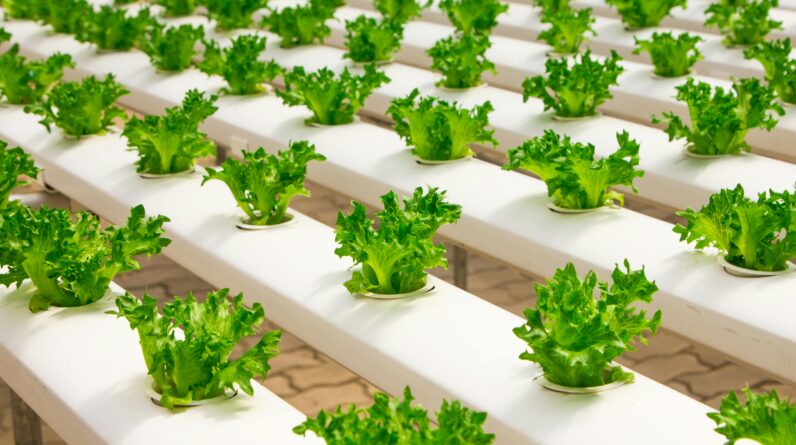
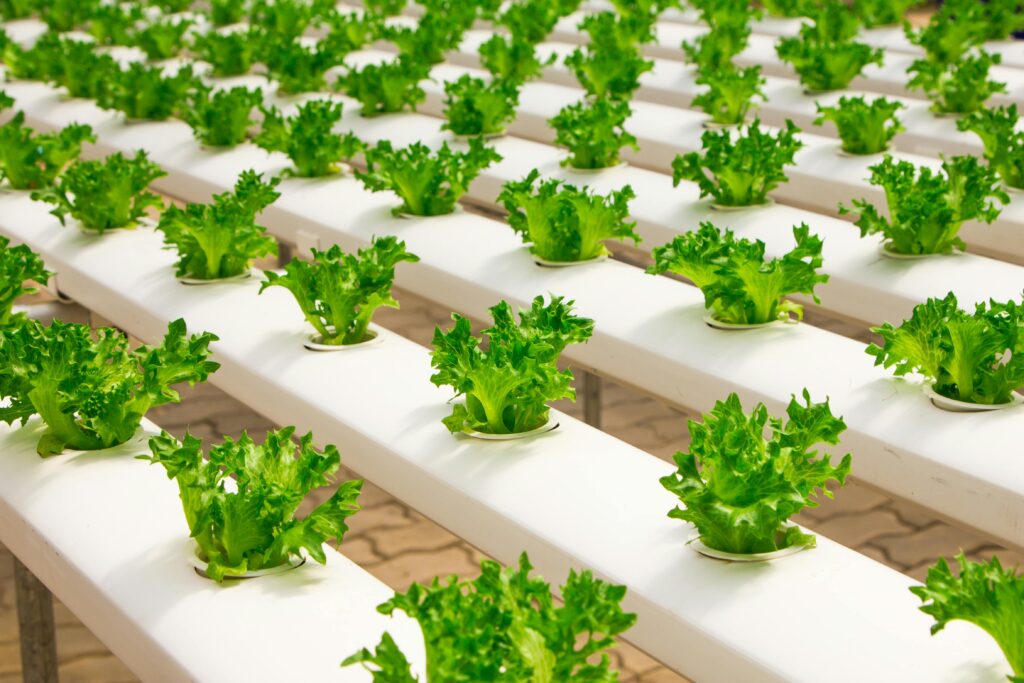
So, you’ve got a green thumb and a passion for growing plants, but you’re tired of dealing with the limitations of traditional soil-based gardening. Well, you’re in luck! Hydroponic gardening, the practice of growing plants without soil, is gaining popularity for its ability to maximize plant growth and yield. And one key element to the success of hydroponic gardening is the use of nutrient solutions. These solutions provide plants with all the essential nutrients they need in the exact amounts, resulting in vigorous, healthy plants that thrive in controlled environments. In this article, we’ll explore how nutrient solutions can revolutionize your gardening experience and help you maximize your plant growth.
Choosing the Right Nutrient Solution
Understanding the Nutritional Needs of the Plants
Before diving into the world of nutrient solutions, it’s crucial to understand the nutritional needs of the plants you are growing. Different plants require different levels of nutrients, and supplying them with the right balance is essential for their healthy growth. Research the specific nutritional requirements of each type of plant you plan to grow, including the specific macronutrients (such as nitrogen, phosphorus, and potassium) and micronutrients (such as iron, zinc, and copper) they need to thrive.
Analyzing Water Quality
Water quality plays a significant role in hydroponic systems because it serves as the medium for delivering nutrients to the plants’ roots. It’s important to analyze the water you’ll be using to ensure it meets the necessary standards for hydroponic cultivation. Testing for contaminants, heavy metals, and other impurities can help you determine if your water source is suitable for your plants. If you find any issues with your water quality, you may need to consider investing in a water purification system or finding an alternative water source.
Considering pH and Electrical Conductivity
Maintaining proper pH and electrical conductivity (EC) levels is vital for the success of your hydroponic system. pH refers to the acidity or alkalinity of the nutrient solution, while EC measures the concentration of dissolved salts or nutrients in the water. Most plants prefer a pH range between 5.5 and 6.5, but it’s essential to check the specific requirements for the plants you are growing. Similarly, each crop category has different EC requirements, and it’s crucial to monitor and adjust these levels regularly to provide the optimal conditions for your plants.
Researching Different Nutrient Formulations
There are numerous nutrient formulations available in the market, each designed to cater to the specific needs of different plants. Take the time to research and compare various nutrient solutions, considering factors such as the nutrient ratios, availability, and price. Some nutrient solutions are tailored for specific growth stages of plants, while others are designed for particular crop categories. It’s also important to check the reputation and customer reviews of different nutrient solution brands to ensure their effectiveness and reliability.
Dosage and Application
Determining the Correct Nutrient Dosage
Determining the correct nutrient dosage is crucial for avoiding nutrient deficiencies or toxicities in your plants. This dosage will depend on various factors, including the crop type, growth stage, and the concentration of nutrients in your water. Consult the instructions provided by the manufacturer of your chosen nutrient solution, as they often provide guidelines on the recommended dosages based on different factors. Keep in mind that it’s always better to start with lower dosages and gradually increase if necessary, monitoring the plants’ response along the way.
Mixing and Diluting the Nutrient Solution
Once you have determined the correct nutrient dosage, it’s time to mix and dilute the nutrient solution. Follow the instructions provided by the nutrient solution manufacturer to ensure the proper mixing ratios. It’s important to mix the nutrients thoroughly to achieve a homogeneous solution and maximize nutrient availability to the plants. Additionally, some nutrient solutions may require pH adjustments before application, so be sure to measure and adjust the pH accordingly.
Methods for Application of Nutrient Solution
There are different methods for applying nutrient solutions to your hydroponic plants, and the choice depends on the size and complexity of your system, as well as personal preference. The most common methods include flood and drain systems, drip irrigation, aeroponics, and deep water culture. Each method has its advantages and disadvantages, and it’s essential to research and choose the one that best suits your specific needs. Additionally, consider the frequency and duration of nutrient solution application, ensuring that the plants receive an adequate supply without creating any unnecessary waste.
Monitoring and Adjusting Nutrient Levels
Using TDS Meters and pH Testers
Monitoring nutrient levels is a crucial aspect of hydroponic gardening. Total Dissolved Solids (TDS) meters and pH testers are valuable tools for measuring and monitoring nutrient levels in your solution. TDS meters measure the electrical conductivity of the nutrient solution, which provides an indication of the nutrient concentration. pH testers, on the other hand, measure the acidity or alkalinity of the solution. Regularly monitoring these levels will allow you to make necessary adjustments to maintain optimal nutrient levels for your plants.
Identifying Nutrient Deficiencies and Imbalances
Even with careful monitoring, nutrient deficiencies or imbalances can still occur. It’s important to be able to identify the signs and symptoms of nutrient deficiencies in plants, such as yellowing leaves, stunted growth, or abnormal discoloration. By understanding the specific nutrient requirements of the plants you are growing, you can pinpoint the nutrient that may be lacking or in excess. Additionally, keeping records of your nutrient solution and plant health can help you identify and prevent future nutrient issues.
Adjusting Nutrient Levels Gradually
When nutrient deficiencies or imbalances are detected, it’s crucial to make adjustments to the nutrient levels gradually. Rapid changes in nutrient concentration can shock the plants and cause further stress. Gradually adjusting the nutrient levels over a few days or weeks allows the plants to adapt and prevents any adverse effects on their growth. It’s important to closely monitor the plants during the adjustment period to ensure they respond positively to the changes.
Managing Nutrient Solution Freshness
Preventing Contamination
Keeping your nutrient solution free from contamination is vital for the health of your plants. Contaminants can disrupt nutrient availability, leading to nutrient deficiencies or toxicities. To prevent contamination, ensure all equipment and tools used in your hydroponic system are clean and free from any residue or foreign substances. Regularly sanitize your reservoirs, pumps, and other system components to remove any potential sources of contamination. Additionally, maintaining proper hygiene practices and avoiding cross-contamination between different nutrient solutions or crops is essential.
Replacing Nutrient Solution Regularly
Nutrient solutions should be replaced regularly to ensure freshness and prevent nutrient imbalances. Over time, the nutrient concentration decreases as the plants take up the nutrients, and the solution can accumulate unwanted elements or compounds. The frequency of nutrient solution replacement depends on various factors, including the growth stage of the plants and the capacity of your system. As a general rule, it’s recommended to replace the nutrient solution every one to two weeks to maintain optimal nutrient availability for your plants.
Storing Nutrient Solutions Properly
If you have excess nutrient solution or need to store it for future use, it’s important to store it properly to maintain its effectiveness. Nutrient solutions should be stored in airtight containers, away from direct sunlight and extreme temperatures. Exposure to light and heat can degrade the nutrients and reduce their effectiveness over time. Label the containers with the date of preparation to ensure you use the oldest nutrient solution first and prevent any confusion. Regularly check stored nutrient solutions for any signs of spoilage or degradation before using them.
Enhancing Nutrient Uptake
Optimizing Environmental Conditions
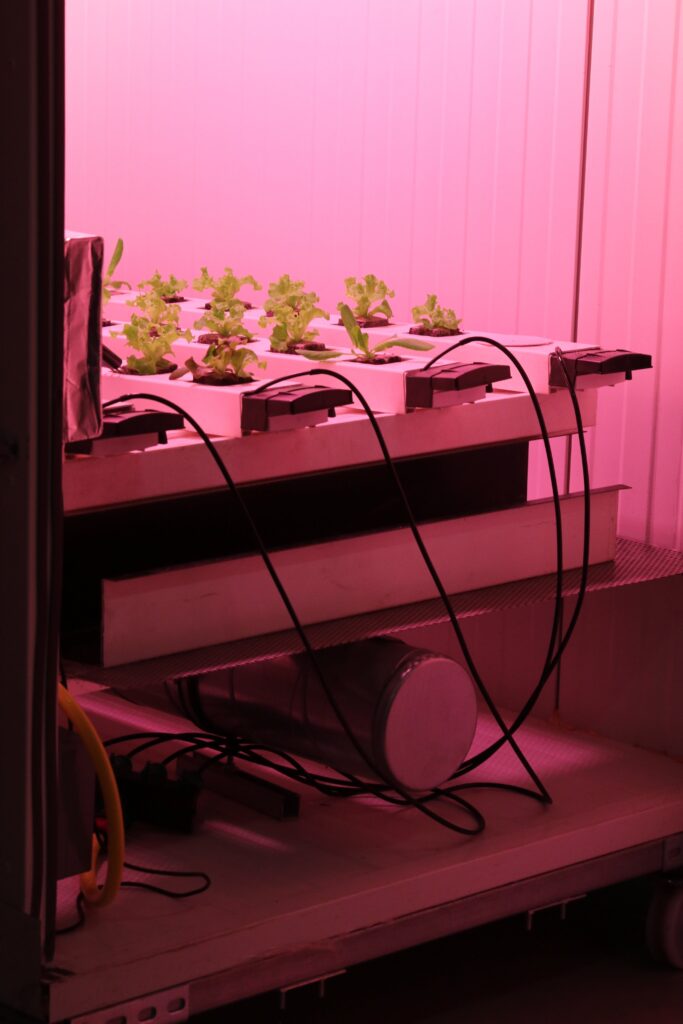
Creating the optimal environmental conditions for your plants can significantly enhance nutrient uptake and overall growth. Providing adequate lighting, proper ventilation, and controlling temperature and humidity levels are crucial for maximizing nutrient absorption. Different plants have varying environmental preferences, so it’s important to research and understand the specific requirements of the crops you are growing. Investing in quality lighting systems and using supplemental tools such as fans or humidifiers can help create the ideal conditions for nutrient uptake.
Using Organic Additives and Supplements
In addition to nutrient solutions, organic additives and supplements can also enhance nutrient uptake and plant growth. These additives often contain beneficial microorganisms, enzymes, or natural growth stimulators that promote root development and nutrient absorption. Some popular organic additives include seaweed extracts, beneficial bacteria or fungi, and humic acids. However, it’s important to use these additives in moderation and follow the recommended dosage to avoid any adverse effects on your plants.
Root Zone Treatments to Improve Nutrient Absorption
Treating the root zone of your plants can also improve nutrient absorption and plant health. Techniques such as root drenching, root zone inoculation, or root zone heating can stimulate root development and increase nutrient uptake. Root drenching involves applying a nutrient-rich solution directly onto the roots, while root zone inoculation introduces beneficial microorganisms to the root zone, enhancing nutrient availability. Root zone heating, on the other hand, can increase root activity and metabolism, resulting in improved nutrient absorption. Research and experiment with these techniques to find the best approach for your plants.
Troubleshooting Common Issues
Identifying and Solving Nutrient Lockout
Nutrient lockout occurs when plants are unable to absorb certain nutrients due to imbalances or unfavorable conditions in the nutrient solution. This can lead to deficiencies and stunted growth. To address nutrient lockout, it’s essential to identify the specific nutrient causing the issue and adjust the pH and EC levels accordingly. pH adjustment can help free up certain nutrients for absorption, while EC adjustment ensures the overall nutrient concentration is within the optimal range. Regular monitoring and adjustment of nutrient levels can prevent or resolve nutrient lockout.
Addressing Algae Growth and Fungal Infections
Algae growth and fungal infections are common issues in hydroponic systems, as the nutrient-rich environment can provide ideal conditions for their proliferation. Algae growth can block light and nutrient availability for your plants, while fungal infections can damage roots and lead to rot or disease. To address these issues, it’s important to maintain proper hygiene and sanitation practices in your system. Regularly clean and sterilize your equipment, remove any debris or dead plant matter, and consider using UV sterilizers or organic fungicides to control algae and fungal growth.
Preventing Salt Buildup and Toxicity
Salt buildup in the root zone can lead to nutrient imbalances and toxicity, impairing plant growth and health. This can occur when excessive amounts of nutrients accumulate in the system due to improper watering or inadequate drainage. To prevent salt buildup, ensure proper drainage and flushing of your hydroponic system. This involves periodically leaching the system with clean, pH-adjusted water to remove accumulated salts. Monitoring and maintaining the EC levels within the recommended range can also help prevent salt buildup and ensure optimal nutrient uptake.
Exploring Advanced Techniques
Recirculating Nutrient Systems
Recirculating nutrient systems are advanced hydroponic systems that allow the reuse of nutrient solution, reducing waste and cost. In these systems, the nutrient solution is continuously circulated through the system, providing a constant supply of fresh nutrients to the plants. However, proper monitoring and maintenance are crucial in recirculating systems to prevent nutrient imbalances or contamination. Regularly monitoring nutrient levels, pH, and EC, as well as ensuring proper filtration and sterilization, are essential for the success of recirculating nutrient systems.
Foliar Feeding and Supplemental Nutrients
Foliar feeding involves applying nutrient solutions directly to the leaves of plants, allowing for rapid nutrient absorption through the foliage. This technique can be used as a supplement to root feeding or as a means to address nutrient deficiencies quickly. Supplemental nutrients, such as chelated micronutrients or growth stimulators, can also be applied through foliar feeding to provide additional support to your plants. However, it’s important to follow proper guidelines and recommendations for foliar feeding, as excessive or improper application can damage the leaves or cause leaf burn.
Hydroponic Drip Systems and Nutrient Film Technique
Hydroponic drip systems and Nutrient Film Technique (NFT) are popular methods for delivering nutrient solutions to plants in a controlled and efficient manner. Drip systems utilize small tubes or emitters to deliver a steady drip of nutrient solution directly to the plants’ root zone. NFT involves allowing a thin film of nutrient solution to flow over the roots, providing constant access to nutrients. Both methods require careful monitoring of nutrient levels, pH, and EC, as well as proper maintenance of the irrigation system to ensure optimal nutrient delivery.
Maximizing Plant Growth in Different Crop Categories
Leafy Greens and Herbs
Leafy greens and herbs, such as lettuce, spinach, and basil, have specific nutrient requirements for their healthy growth. They typically thrive when provided with higher levels of nitrogen and potassium, while requiring lower levels of phosphorus. Maintaining proper pH and EC levels, providing adequate lighting, and optimizing temperature and humidity are crucial for maximizing growth in these crop categories. Additionally, ensuring consistent and sufficient irrigation, as well as proper nutrient solution replenishment, is essential for leafy greens and herb production.
Fruit-Bearing Plants
Fruit-bearing plants, including tomatoes, peppers, and cucumbers, require a balanced nutrient profile to support their growth and fruit development. Providing adequate levels of macronutrients, such as nitrogen, phosphorus, and potassium, is crucial for their optimal yield. Additionally, supplementing with calcium and magnesium can help prevent common disorders such as blossom-end rot. Maintaining proper pH and EC levels, as well as optimizing environmental conditions and supporting pollination, are essential for maximizing fruit production in these plants.
Root Vegetables
Root vegetables, such as carrots, radishes, and beets, have specific nutrient requirements to support their root development and tuber formation. They generally require higher levels of potassium and phosphorus to promote root growth. Maintaining proper pH and EC levels, as well as providing adequate lighting and optimal temperature and humidity, are crucial for maximizing root vegetable production. Additionally, ensuring sufficient irrigation and nutrient availability in the root zone are key factors in achieving healthy and robust root crops.
Flowering and Ornamental Plants
Flowering and ornamental plants, such as roses, orchids, and lilies, require a well-balanced nutrient solution to support their vibrant blooms and overall aesthetic appeal. They generally have specific requirements for micronutrients, such as iron and manganese, to enhance flower color and quality. Maintaining proper pH and EC levels, as well as providing optimal lighting and temperature, are crucial for maximizing flower production in these plants. Additionally, ensuring proper irrigation and nutrient availability will help promote healthy growth and stunning floral displays.
Comparing Nutrient Solution Brands
Popular Nutrient Solution Brands
There are numerous nutrient solution brands available in the market, each with its own set of formulations and features. Some popular nutrient solution brands include General Hydroponics, Advanced Nutrients, Fox Farm, and Botanicare. These brands have established reputations in the hydroponic industry and are trusted by growers worldwide. It’s important to research and read customer reviews to gauge the effectiveness and reliability of different brands before making a decision.
Analyzing Nutrient Solution Ingredients and Ratios
When comparing nutrient solution brands, it’s essential to analyze the ingredients and nutrient ratios of each formulation. Different plants have varying nutritional needs, and finding a nutrient solution that closely matches those requirements is crucial for their healthy growth. Pay attention to the macronutrient and micronutrient ratios, as well as the presence of any additional additives or supplements. Carefully consider the compatibility with your crops and the ability to adjust nutrient levels to meet specific requirements.
Considering Cost and Availability
While the effectiveness and quality of a nutrient solution are important considerations, cost and availability are also factors to keep in mind. Some nutrient solution brands may be more expensive or harder to source in certain regions. Consider your budget and accessibility when comparing different brands. Keep in mind that cost-effective options may still provide satisfactory results if they meet the nutritional needs of your plants and are compatible with your hydroponic system.
Case Studies and Success Stories
Successful Application of Nutrient Solutions in Commercial Hydroponic Farms
Many commercial hydroponic farms have realized great success by implementing nutrient solutions tailored to their specific crops. These farms carefully analyze the nutritional requirements of their plants and select nutrient formulations that closely match those needs. By regularly monitoring and adjusting nutrient levels, managing water quality, and maintaining proper system hygiene, commercial hydroponic farmers can achieve impressive yields and high-quality produce. Successful application of nutrient solutions in commercial hydroponic farms serves as inspiration and guidance for both aspiring and experienced growers.
Benefits and Challenges Experienced by Home Gardeners
Home gardeners also benefit from using nutrient solutions in their hydroponic setups. By providing their plants with the optimal nutrition, home gardeners can enjoy increased growth rates and higher yields compared to traditional soil gardening. The ability to control nutrient levels and monitor plant health closely allows home gardeners to address any issues promptly. However, challenges such as managing system complexity, balancing pH and EC levels, and sourcing quality nutrient solutions can be encountered. Home gardeners can learn from successful experiences and adapt proven techniques to optimize their own hydroponic gardens.


