


In the ongoing debate between hydroponics and aquaponics as sustainable farming methods, it’s crucial to understand the differences between the two. Hydroponics, a method of growing plants without soil, relies on a nutrient-rich water solution, while aquaponics combines hydroponics with aquaculture, utilizing fish waste to provide essential nutrients for plant growth. Both methods have their unique advantages and drawbacks, making it essential to evaluate which one is the better solution for sustainable farming.
Hydroponics
Definition and Overview
Hydroponics is a method of growing plants without soil using nutrient-rich water solutions. The plants are usually placed in a growing medium like clay pebbles or Rockwool, which supports the root system and allows for optimal water and nutrient absorption. This innovative system relies on a controlled environment to provide the ideal conditions for plant growth, including temperature, pH levels, and nutrient balance.
Principles and Methods
In hydroponics, the plants obtain their nutrients directly from the water, which is carefully monitored and adjusted to meet their specific needs. Nutrients are dissolved in water and delivered directly to the roots, ensuring efficient absorption and reducing the risk of nutrient deficiencies. There are several methods used in hydroponics, including nutrient film technique (NFT), deep water culture (DWC), and drip irrigation.
Advantages
One of the primary advantages of hydroponics is its water efficiency. By delivering nutrients directly to the roots, hydroponic systems can use up to 90% less water compared to traditional soil-based agriculture. Additionally, the controlled environment allows for year-round cultivation, eliminating the dependence on seasonal variations. Hydroponics also offers faster growth rates and higher crop yields, making it a highly productive farming method.
Disadvantages
One of the main challenges in hydroponics is nutrient management. The nutrient solution needs to be carefully monitored, balanced, and adjusted to avoid nutrient deficiencies or toxicities. This requires expertise and continuous monitoring. Another drawback is the initial setup cost, as hydroponic systems can be more expensive to establish than traditional farming methods. Additionally, power outages or equipment failures can pose a significant risk to the plants’ survival without a backup system in place.
Suitable Crop Selection
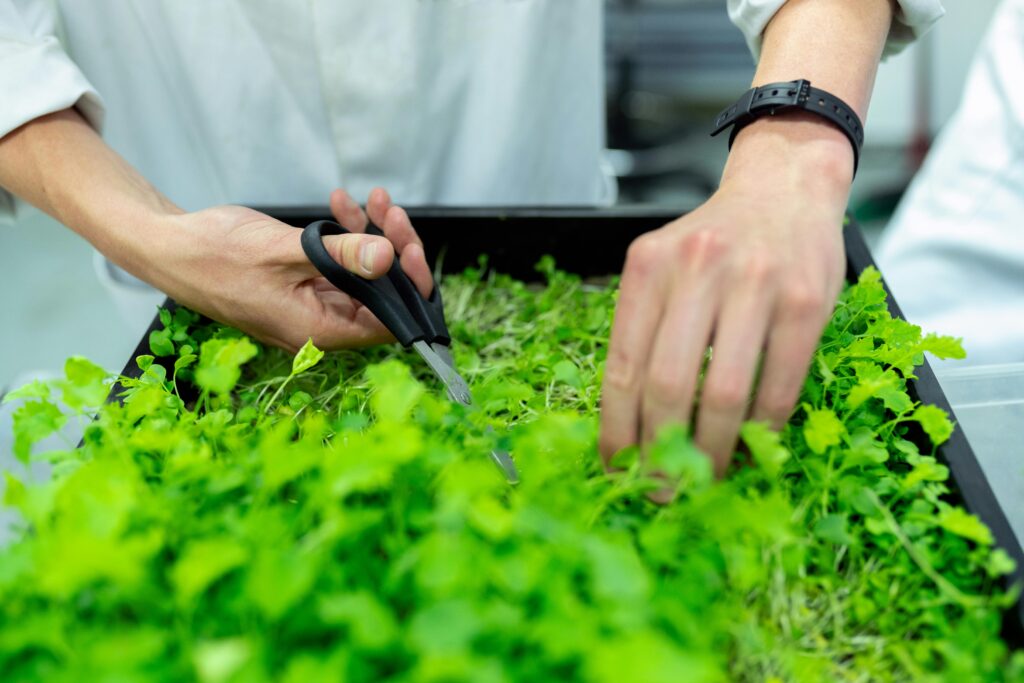
Hydroponics allows for the cultivation of a wide range of crops, including leafy greens, herbs, strawberries, tomatoes, and even larger plants like cucumbers or peppers. The ability to control the growing conditions makes it possible to adapt the system to the specific requirements of each crop, enabling more precise control over growth and harvest time.
Water and Nutrient Management
One of the fundamental aspects of hydroponics is water and nutrient management. The nutrient solution plays a crucial role in providing the plants with the necessary elements for growth. Careful monitoring of pH levels, nutrient concentrations, and water quality ensures optimal plant health and productivity. Regular testing and adjustments are necessary to maintain a balanced and effective hydroponic system.
Aquaponics
Definition and Overview
Aquaponics combines hydroponics with aquaculture, creating a symbiotic system where fish and plants coexist and support each other. The fish waste provides nutrients for the plants, while the plants filter the water, creating a sustainable and self-sufficient ecosystem. Aquaponics mimics the natural processes of a lake or pond, where fish waste is used as fertilizer by aquatic plants.
Principles and Methods
In aquaponics, the fish tanks serve as the primary source of nutrients for the plants. The fish excrete ammonia, which is converted into nitrites and then nitrates by beneficial bacteria. These nitrates are then absorbed by the plants as nutrients. The plants, in turn, filter the water and return it to the fish tanks, providing clean and oxygenated water for the fish. The system relies on a careful balance of fish, plants, and bacteria to maintain a healthy and functional ecosystem.
Advantages
Aquaponics offers several advantages, including increased nutrient efficiency. The fish waste is transformed into usable nutrients by the bacteria, minimizing nutrient losses and maximizing plant growth. The system is also highly water-efficient, as water is recirculated between the fish tanks and the plants, significantly reducing water consumption. Additionally, aquaponics allows for the simultaneous production of fish and plants, creating multiple revenue streams and diversifying the farm’s income.
Disadvantages
One of the challenges in aquaponics is maintaining the delicate balance between the fish, plants, and bacteria. Any disruption to this balance can lead to unstable water conditions, affecting both the fish and the plants. Monitoring and maintaining water quality parameters, such as ammonia, nitrites, nitrates, pH, and dissolved oxygen, are crucial in ensuring the system’s stability. Additionally, the initial setup cost of an aquaponic system can be higher compared to traditional farming methods.
Suitable Crop Selection
Aquaponics supports the cultivation of a variety of crops, including leafy greens, herbs, strawberries, and even fruiting plants like tomatoes and peppers. However, certain crops that require specific soil conditions or extensive root systems may not be suitable for aquaponic cultivation. Leafy greens, such as lettuce or kale, thrive in aquaponic systems due to their fast growth rate and efficient nutrient uptake.
Fish Selection and Management
The choice of fish in aquaponics depends on various factors, including water temperature, pH levels, and market demand. Tilapia and trout are popular choices due to their ability to adapt to different water conditions and withstand higher stocking densities. Fish management involves monitoring their health, feeding them a balanced diet, and ensuring proper waste management. Maintaining optimal water conditions for the fish is essential for their growth and overall well-being.
Water Quality
Maintaining water quality is crucial in aquaponics, as it directly affects both the fish and the plants. Regular testing of water parameters, such as ammonia, nitrites, nitrates, pH, and dissolved oxygen, is necessary to prevent any imbalances. Proper filtration systems, including mechanical, biological, and sometimes additional chemical filtration, are used to maintain water clarity and quality. Ensuring sufficient oxygenation of the water is essential for the fish’s respiration and the plants’ nutrient uptake.
Energy Efficiency
Aquaponics can be energy-efficient, especially when it comes to heating and cooling water. By utilizing renewable energy sources, such as solar or wind power, energy consumption can be significantly reduced. However, additional energy is required for maintaining water pumps, aeration systems, and lighting in indoor aquaponic setups. Optimizing energy usage and exploring sustainable energy alternatives can further enhance the system’s efficiency.
System Scalability
Aquaponic systems can be designed to be scalable, allowing for expansion as the farm’s needs grow. The modular nature of the system enables farmers to start small and gradually increase the size of their operation. Additional grow beds, fish tanks, and filtration systems can be added to accommodate larger fish populations and more plant production. Scalability provides flexibility and adaptability, making aquaponics an attractive option for farmers looking to scale their operations.
Economic Viability
The economic viability of aquaponics depends on various factors, including market demand, crop selection, and operational costs. Proximity to markets and demand for locally sourced produce can enhance the profitability of aquaponic farms. Diversifying the farm’s income through fish and plant sales can also contribute to the economic viability. However, the initial investment cost and the need for specialized knowledge and skills can pose challenges for aspiring aquaponic farmers.
Comparison
Sustainability Factors
Both hydroponics and aquaponics offer sustainable farming methods. Hydroponics minimizes water usage and relies on efficient nutrient delivery systems, optimizing resource utilization. Aquaponics takes sustainability a step further by incorporating fish, creating a closed-loop ecosystem that minimizes waste and maximizes nutrient efficiency.
Water Usage
When it comes to water usage, aquaponics has the edge over hydroponics. Aquaponic systems recycle and reuse water, significantly reducing overall consumption. Hydroponics, although more water-efficient compared to traditional soil-based agriculture, still requires regular water supply and nutrient management.
Nutrient Management
Both hydroponics and aquaponics require careful nutrient management. Hydroponics relies on the controlled delivery of nutrient solutions, while aquaponics uses fish waste as a natural nutrient source. The challenge in aquaponics lies in maintaining a delicate balance to prevent nutrient excesses or deficiencies.
Energy Consumption
In terms of energy consumption, hydroponics may have a slight advantage over aquaponics. Hydroponic systems typically require less energy for maintaining water quality, as they do not have the additional energy demands associated with fish management and waste processing. However, by utilizing renewable energy sources, such as solar or wind power, aquaponics can significantly reduce its energy footprint.
Crop and Fish Selection
Both hydroponics and aquaponics offer a wide range of suitable crops. Leafy greens thrive in both systems, but hydroponics allows for the cultivation of larger fruiting plants as well. In terms of fish selection, aquaponics offers more versatility, providing an opportunity to produce fish alongside plants.
Scalability and Versatility
Both hydroponics and aquaponics are scalable systems. Hydroponics can be easily expanded by adding more growing beds or systems, while aquaponics allows for the scaling of both plant and fish production. The modular nature of both systems provides flexibility and adaptability to meet the changing needs of a farm.
Economic Viability
Economic viability is influenced by various factors, including market demand, operational costs, and crop/fish selection. Both hydroponics and aquaponics offer potential revenue streams from crop and fish sales. However, the initial investment and specialized knowledge required for aquaponics can present challenges for aspiring farmers.
Environmental Impact
Both hydroponics and aquaponics have a smaller environmental footprint compared to traditional soil-based agriculture. These systems reduce water usage, minimize nutrient runoff, and eliminate the need for chemical pesticides. Aquaponics goes a step further by creating a closed-loop system, where waste from fish production is repurposed as nutrients for plant growth.
Education and Skill Requirements
Both hydroponics and aquaponics require specific knowledge and skills. Hydroponics demands expertise in water and nutrient management, along with building and maintaining the necessary infrastructure. Aquaponics adds fish management and waste processing to the skill set, requiring a deeper understanding of the symbiotic relationship between fish and plants.
Popular Applications and Examples
Hydroponics and aquaponics have gained popularity in various applications. Hydroponics is often used in commercial greenhouse production, vertical farming, and urban agriculture. It offers opportunities for year-round cultivation and high-density crop production. Aquaponics, on the other hand, is popular in sustainable farming initiatives, educational programs, and small-scale backyard setups. It provides an eco-friendly method of producing both fish and crops in a symbiotic system.
In conclusion, both hydroponics and aquaponics offer sustainable alternatives to traditional soil-based agriculture. Hydroponics excels in water efficiency and crop diversity, while aquaponics takes sustainability a step further by incorporating fish and creating a closed-loop ecosystem. The choice between the two methods depends on specific requirements, such as crop/fish selection, water availability, and desired system complexity. With careful planning and proper implementation, both hydroponics and aquaponics can revolutionize modern agriculture by providing efficient, resource-conscious farming practices.


