


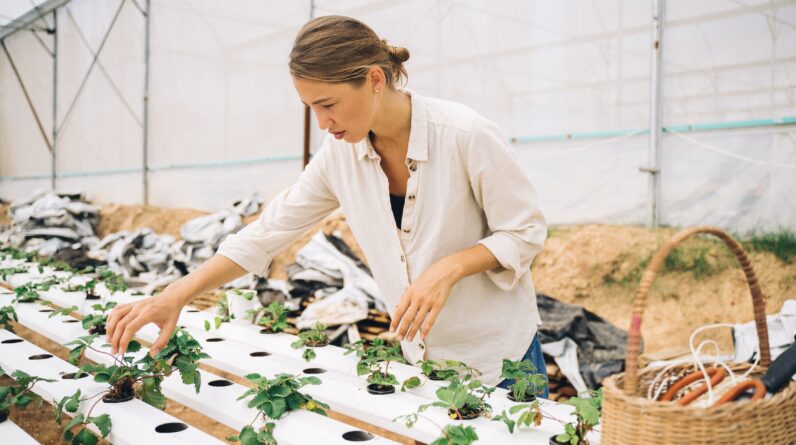
So you’ve heard about hydroponic systems and you’re curious to learn more? Look no further because this article is your ultimate guide to all things hydroponic. Whether you’re a novice looking to dip your toes into the world of soil-less gardening or an experienced grower wanting to deepen your knowledge, this comprehensive guide has got you covered. From the basics of hydroponics to different types of systems, nutrient solutions, and tips for success, you’ll find everything you need to know right here. Get ready to unlock the secrets of growing plants without soil and discover the endless possibilities of hydroponic gardening.
What is Hydroponic System?
Definition
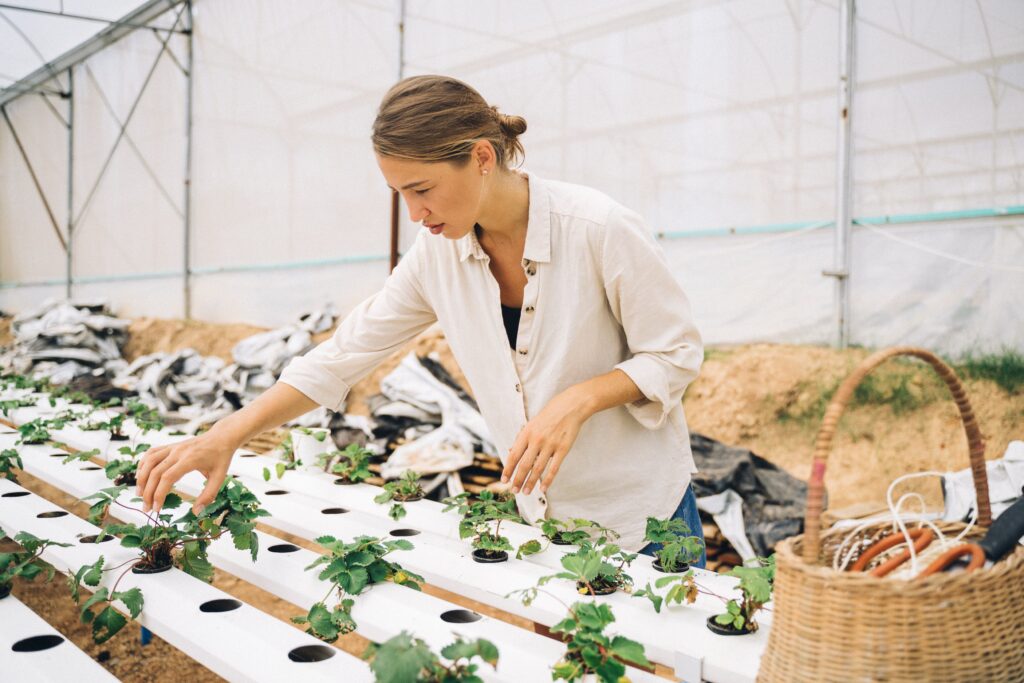
A hydroponic system is a method of growing plants without the use of soil. Instead, plants are grown in a nutrient-rich water solution, allowing them to grow directly in water or in an inert medium such as perlite or coco coir. This innovative approach to farming is gaining popularity due to its numerous benefits and potential for efficient plant growth.
History
The concept of hydroponics dates back thousands of years, with evidence of its practice found in ancient civilizations such as the Hanging Gardens of Babylon. However, it wasn’t until the 20th century that modern hydroponic systems began to take shape. In the 1930s, Dr. William Frederick Gericke, a professor at the University of California, coined the term “hydroponics” and conducted extensive research on soil-less plant cultivation. Since then, hydroponics has evolved significantly, and it is now used for commercial farming, home gardening, and even in space exploration.
Principles of Hydroponics
Hydroponics operates on several key principles that set it apart from traditional soil-based farming. First and foremost, plants grown hydroponically receive their nutrients directly from the water solution, ensuring controlled and precise nutrient delivery. In contrast, soil-based farming relies on plants extracting nutrients from the soil, which can lead to nutrient deficiencies or imbalances.
Another principle of hydroponics is water conservation. Hydroponic systems use significantly less water than traditional farming methods because water is recirculated within the system, reducing waste. This makes hydroponics especially suitable for regions with limited access to water or in drought-prone areas.
Additionally, hydroponics provides greater control over environmental factors such as light, temperature, and humidity. By optimizing these conditions, growers can create ideal growing environments for their plants, leading to faster growth rates and higher yields.
Benefits of Hydroponic Systems
Water Conservation
Water scarcity is a growing concern worldwide, making efficient water usage crucial in agriculture. Hydroponic systems excel in water conservation by using only a fraction of the water required in traditional soil-based farming. The closed-loop nature of hydroponics allows for water recirculation, minimizing water waste and reducing the strain on water resources.
Space Efficiency
One of the significant advantages of hydroponic systems is their space efficiency. Unlike soil-based farming, where plants require ample space for root systems to spread, hydroponics allows for more compact and vertical growth. This means that hydroponic systems can be set up in smaller areas and can maximize the use of available space, making them ideal for urban farming or indoor gardening.
Year-Round Cultivation
Hydroponics provides the opportunity for year-round cultivation, regardless of weather conditions or seasonal limitations. By controlling the environment within the hydroponic system, growers can create optimal conditions for plant growth, allowing for continuous cultivation and harvests. This is particularly beneficial in regions with harsh climates or limited growing seasons.
Greater Control over Nutrient Levels
In hydroponics, growers have precise control over nutrient levels, ensuring that plants receive the exact nutrients they need at each growth stage. This eliminates the guesswork associated with soil-based farming, where nutrient content can vary greatly depending on soil quality. With hydroponics, growers can tailor nutrient solutions to the specific needs of different plants, leading to healthier and more productive crops.
Reduced Need for Pesticides
Hydroponic systems are inherently less susceptible to pest infestations compared to traditional farming methods. The absence of soil eliminates soil-borne pests, and the controlled environment of hydroponics makes it more difficult for pests to establish themselves. As a result, hydroponic growers often experience fewer pest issues, reducing the need for chemical pesticides. This not only benefits the environment but also ensures cleaner and safer produce.
Types of Hydroponic Systems
Nutrient Film Technique (NFT)
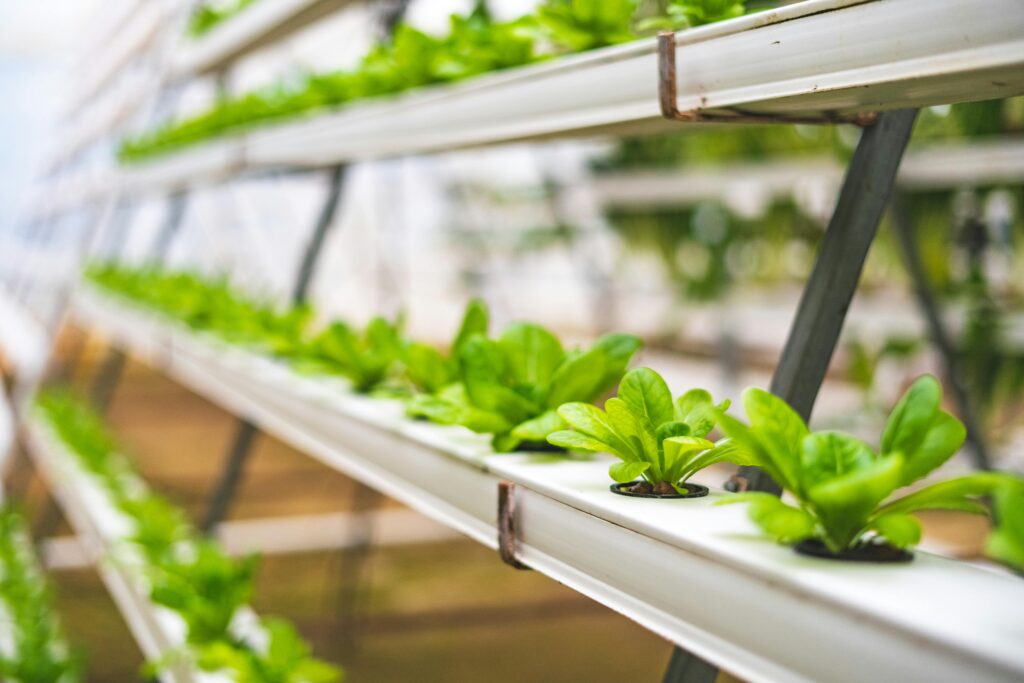
The Nutrient Film Technique (NFT) is a popular hydroponic system that involves a thin film of nutrient solution flowing over the roots of the plants. The roots are suspended in a trough or channel, allowing them to absorb the necessary nutrients directly from the flowing film of water. NFT systems are highly efficient in water and nutrient usage and are suitable for growing leafy greens and herbs with shallow root systems.
Deep Water Culture (DWC)
Deep Water Culture (DWC) is a hydroponic system in which the plant’s roots are submerged in a nutrient solution, while a portion of the roots remain exposed to air. The roots are typically supported by floating rafts or net pots. Oxygen is provided to the roots through the air space between the water and the roots, promoting healthy growth. DWC systems are easy to set up and are commonly used for growing lettuce, herbs, and small vegetables.
Drip Irrigation
Drip irrigation is another widely used hydroponic system, where nutrient solution is delivered to the plant’s roots through a network of tubes fitted with drip emitters. The nutrient solution drips slowly onto the root area, ensuring a constant supply of water and nutrients. Drip irrigation systems can be easily automated, making them suitable for a variety of crops, including tomatoes, cucumbers, and peppers.
Ebb and Flow
Ebb and Flow, also known as flood and drain, involves periodically flooding the growth tray with nutrient solution and then draining it back into a reservoir. This cyclic process allows the roots to absorb water and nutrients during the flood phase, while the drainage phase prevents waterlogging. Ebb and Flow systems are versatile and can accommodate a wide range of plants, including flowering crops and root vegetables.
Aeroponics
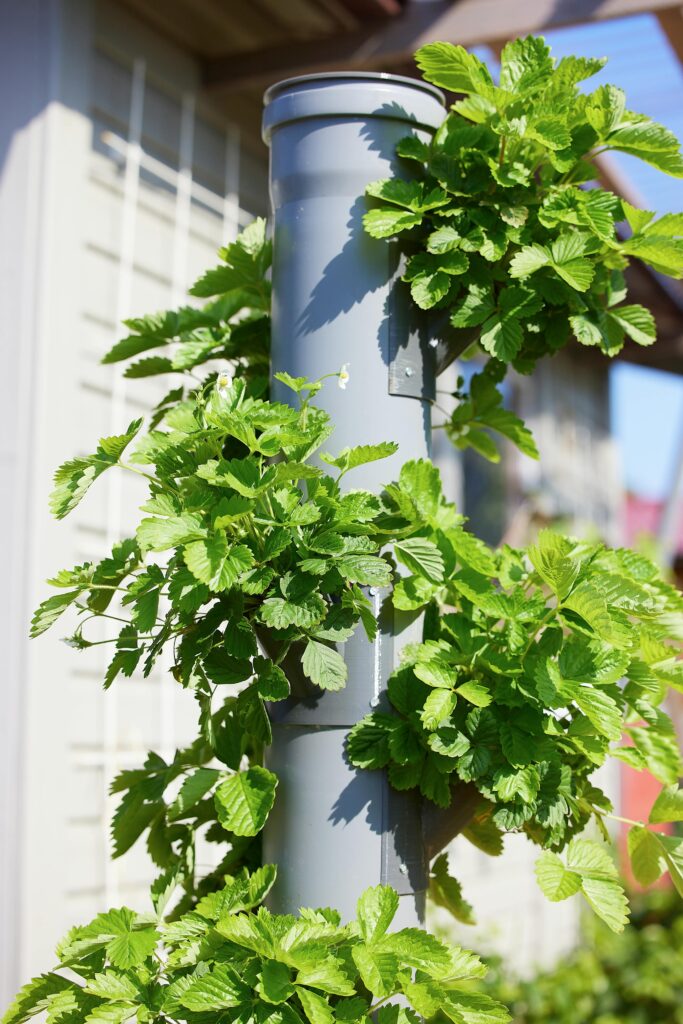
Aeroponics is an advanced hydroponic system that suspends the plant roots in air and mists them with a nutrient-rich solution. The roots are periodically misted, providing both water and nutrients in a highly oxygenated environment. Aeroponics systems offer rapid growth rates and high oxygen availability to the roots, making them ideal for growing delicate, high-value plants such as strawberries and orchids.
Choosing the Right Hydroponic System for You
Considerations for System Selection
When choosing a hydroponic system, several factors should be taken into account. Consider the available space, budget, and the crops you intend to grow. Some systems require more vertical space, while others are better suited for smaller areas. Additionally, your level of experience and the amount of time you can dedicate to maintenance should also influence your decision.
Factors to Assess
Before finalizing your hydroponic system, it’s essential to evaluate key factors such as water availability, electricity supply, and the environmental conditions of your growing space. The success of a hydroponic system heavily depends on these factors, so it’s crucial to ensure that your setup can meet the requirements of the chosen system.
Suitability for Different Plants
Different hydroponic systems have varying levels of suitability for different plants. Leafy greens and herbs thrive in systems such as NFT or DWC, while larger fruiting plants like tomatoes and peppers may benefit from drip irrigation or ebb and flow systems. Understanding the specific needs of your chosen crops will aid in selecting the most suitable hydroponic system.
Setting Up a Hydroponic System
Environmental Considerations
Before setting up a hydroponic system, it’s important to consider the environmental conditions required for successful plant growth. The temperature, humidity, and lighting of the growing space all play a critical role in the health and productivity of the plants. Adequate ventilation and air circulation should also be taken into account to prevent the buildup of excessive humidity or stagnant air.
Required Equipment and Materials
Setting up a hydroponic system requires specific equipment and materials. Basic components include a reservoir for the nutrient solution, a pump for water circulation, a grow tray or container, a medium for supporting the plants, and appropriate lighting fixtures. Depending on the chosen system, additional items such as timers, pH meters, and air pumps may also be necessary.
Step-by-Step Installation Process
The installation process for a hydroponic system can vary depending on the chosen system and the specific setup. However, the general steps involve assembling the required equipment, preparing the nutrient solution, setting up the growing containers or trays, and connecting the various components such as pumps and irrigation systems. It’s essential to carefully follow the manufacturer’s instructions or seek guidance from experienced hydroponic growers to ensure a successful installation.
Maintaining a Hydroponic System
Monitoring Nutrient Levels
Regular monitoring of nutrient levels is crucial for the health and productivity of hydroponic plants. Nutrients can be depleted over time, and imbalances can negatively impact plant growth. Using electrical conductivity (EC) and pH meters, growers can monitor nutrient levels and make adjustments as necessary. Maintaining proper nutrient levels ensures that plants receive the essential elements they need to thrive.
Managing pH Levels
Maintaining appropriate pH levels is vital for optimal nutrient uptake by the plants. Hydroponic systems generally require a slightly acidic pH range of around 5.5 to 6.5. pH levels can be adjusted using pH up or pH down solutions, depending on whether the pH needs to be increased or decreased. Regular pH monitoring and adjustment are necessary to prevent nutrient lockout and ensure optimal nutrient absorption.
Watering and Irrigation
Hydroponic systems require precise control of watering and irrigation to prevent overwatering or underwatering. The frequency and duration of watering cycles depend on various factors, such as the specific system and plant requirements. Monitoring the moisture levels in the growing medium or root area can help determine when to water. Automated irrigation systems can be beneficial for maintaining consistent watering schedules.
Preventing and Controlling Diseases
Although hydroponic systems reduce the risk of soil-borne diseases, plant diseases can still occur. Preventive measures such as maintaining proper hygiene, regularly disinfecting equipment, and using sterile growing media can help minimize the risk of disease. In the event of an outbreak, appropriate treatment methods such as biological controls or targeted fungicides should be employed promptly to prevent the spread of pathogens.
Nutrient Solutions for Hydroponic Systems
Understanding Nutrient Requirements
Hydroponic plants have specific nutrient requirements that must be met for optimal growth and productivity. Essential macronutrients include nitrogen, phosphorus, and potassium, while micronutrients such as iron, manganese, and zinc are also necessary in smaller quantities. Understanding the nutrient requirements of different plants is crucial for formulating appropriate nutrient solutions.
Formulating DIY Nutrient Solutions
Many hydroponic growers choose to formulate their own nutrient solutions to control the nutrient content and tailor it to their specific crops. DIY nutrient solutions can be made using commercial nutrient salts, which can be mixed in appropriate ratios to provide the necessary nutrients. Recipes for DIY nutrient solutions can be found in hydroponic literature or obtained from experienced growers.
Commercial Hydroponic Nutrient Products
Alternatively, hydroponic growers can opt for commercially available nutrient products specifically formulated for hydroponic systems. These products come in pre-determined formulations suitable for different growth stages and plant types. Commercial nutrient products often provide a convenient and reliable solution, ensuring that plants receive the necessary nutrients in the correct proportions.
Common Issues and Troubleshooting
Nutrient Imbalances
Nutrient imbalances can occur in hydroponic systems, leading to deficiencies or toxicities in plants. Symptoms of nutrient imbalances include yellowing or discoloration of leaves, stunted growth, or leaf burn. Regular monitoring of nutrient levels and maintaining proper pH levels can help prevent nutrient imbalances. When imbalances occur, adjustments to the nutrient solution formulation or pH may be necessary.
Algae Growth
Algae growth is a common issue in hydroponic systems exposed to light, especially if the nutrient solution is not adequately oxygenated. Algae can compete with plants for nutrients and can clog irrigation systems. Preventive measures such as using opaque containers, covering exposed nutrient solution, and ensuring proper aeration can help control algae growth. If algae are already present, reducing light exposure or using algaecides may be necessary.
Root Rot
Root rot is a fungal disease that can affect hydroponic plants when the roots remain consistently wet, leading to oxygen deprivation. Symptoms include wilting, yellowing, and rotting of roots. Proper irrigation practices, including allowing the growing medium to partially dry out between watering cycles, can help prevent root rot. In case of infection, removing affected roots and treating with appropriate fungicides is necessary.
Pests
Although hydroponic systems are less prone to pests compared to soil-based farming, pests such as aphids, spider mites, and thrips can still pose a threat. Regular monitoring of plants and implementing preventive measures such as maintaining proper hygiene and using biological controls can help prevent pest infestations. In the event of an infestation, targeted pesticide treatments may be necessary.
Temperature Fluctuations
Temperature fluctuations can affect plant growth in hydroponic systems, with extreme temperatures potentially causing stress or stunting. Adequate temperature control through ventilation, insulation, or cooling systems is crucial. Monitoring and maintaining a consistent temperature range suitable for the specific plants being grown is essential for optimal growth and yields.
Expanding Your Hydroponic System
Scaling Up
If you have mastered the basics of hydroponics and achieved success with a small system, you may consider scaling up your operation. Scaling up involves increasing the size of your hydroponic system to accommodate more plants and higher yields. This can be achieved by investing in additional equipment, expanding the growing area, or incorporating more advanced automation and irrigation systems.
Multi-tier Systems
Multi-tier systems offer a solution for maximizing vertical space and increasing the plant capacity of a hydroponic system. By utilizing multiple levels or shelves, each equipped with its own growing trays or containers, growers can significantly increase the number of plants cultivated in a smaller footprint. Multi-tier systems are particularly beneficial in indoor or urban farming settings where space is limited.
Automated Systems
Automation can streamline and simplify the management of hydroponic systems, allowing for increased efficiency and productivity. Automated systems can handle tasks such as nutrient delivery, irrigation, pH monitoring, and lighting schedules. By reducing the manual labor required, automated systems enable hydroponic growers to focus on other aspects of plant care, such as monitoring growth and optimizing environmental conditions.
Integrating Grow Lights
In certain situations where natural sunlight is limited or inadequate, the use of grow lights can be beneficial in promoting robust plant growth. Grow lights provide the necessary spectrum of light required by plants for photosynthesis. By strategically positioning and timing the use of grow lights, hydroponic growers can ensure that their plants receive sufficient light throughout the day, allowing for consistent growth and yield potential.
Hydroponic Success Stories
Commercial Hydroponic Farms
Hydroponic farming has gained popularity in commercial agriculture, with numerous success stories worldwide. Many commercial hydroponic farms have achieved high yields and consistent crop quality while reducing water usage, pesticide applications, and land requirement. These farms often employ advanced automation, climate control systems, and tailored nutrient management to maximize productivity.
Winning Strategies
Successful hydroponic growers often implement various strategies to optimize their systems and achieve notable results. These strategies include meticulous environmental control to create optimal growth conditions, regular monitoring and adjustment of nutrient levels, effective pest management, and continuous experimentation to refine practices and improve efficiency. Sharing knowledge and learning from experienced growers can also contribute to better outcomes.
Innovative Applications
The versatility of hydroponic systems has led to innovative applications beyond traditional plant cultivation. Hydroponics has been successfully used for research purposes, such as growing plants under controlled conditions in space or testing new crop varieties. Additionally, hydroponics has been employed in urban farming initiatives, rooftop gardens, and even in repurposed shipping containers, showcasing its adaptability in unconventional settings.
In conclusion, hydroponic systems offer a sustainable and efficient approach to plant cultivation. With benefits such as water conservation, space efficiency, and year-round cultivation, hydroponics is gaining popularity in various farming settings. By choosing the right hydroponic system, setting it up correctly, and implementing appropriate maintenance practices, growers can achieve successful and productive hydroponic gardens. Whether on a small scale for home gardening or in large commercial operations, hydroponics has the potential to revolutionize the way we grow plants and meet the challenges of food production in the future.


