


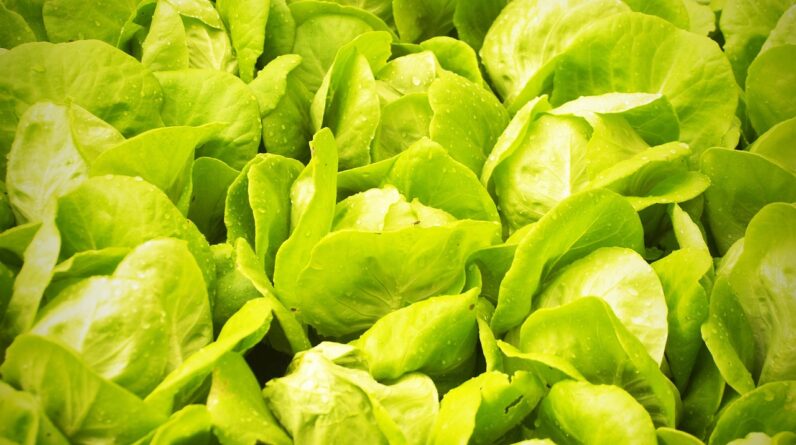
Imagine being able to grow lush gardens in the midst of a desert, where water is scarce and the soil is barren. Well, thanks to innovative techniques in hydroponics, this dream is becoming a reality. Hydroponic desert gardens are revolutionizing the way we think about agriculture in arid conditions. By utilizing water-efficient systems, nutrient-rich solutions, and controlled environments, these gardens are able to flourish where traditional farming methods would fail. In this article, we will explore the fascinating world of hydroponic desert gardens and uncover the secrets behind their success. Get ready to be amazed by the ingenuity of these innovative gardening techniques. Hydroponic gardening has gained popularity in recent years as an innovative and sustainable way to grow plants. By utilizing water-based nutrient solutions instead of soil, hydroponics allows for efficient plant growth in a variety of environments, including desert regions. In this article, we will explore the key factors to consider when choosing the right plants for hydroponic desert gardens, creating an ideal hydroponic system, managing water, maintaining temperature and humidity levels, preventing pest and disease infestations, maximizing sunlight utilization, ensuring proper nutrition, optimizing air circulation, monitoring and maintaining pH levels, and harvesting and preserving produce. So let’s dive in and discover how to make your hydroponic desert garden thrive!
Choosing the Right Plants for Hydroponic Desert Gardens
In a desert environment, it is crucial to select plants that can tolerate drought conditions. Drought-tolerant plant species such as succulents, cacti, and certain herbs like rosemary and thyme are excellent choices for hydroponic desert gardens. These plants have adapted to survive with minimal water and can thrive in arid conditions. By incorporating these plants into your hydroponic system, you can ensure their survival and minimize water usage.
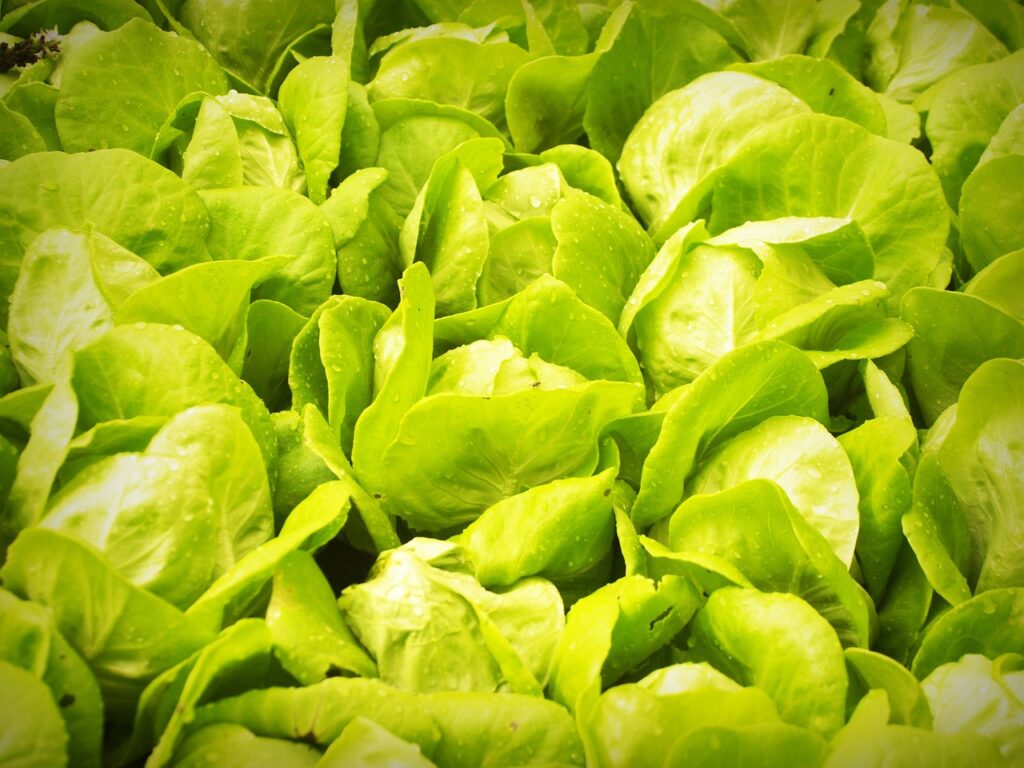
Another important consideration when selecting plants for hydroponic desert gardens is their root system. Plants with shallow roots are better suited for hydroponic systems, as they can readily access the nutrient-rich water solution. Herbs like basil, oregano, and parsley, as well as lettuce and other leafy greens, are examples of plants that have shallow root systems. By focusing on these plants, you can optimize nutrient uptake and promote healthy growth in your hydroponic desert garden.
Furthermore, it is essential to choose plant varieties that can withstand high temperatures. Desert environments can experience scorching heat, so selecting heat-tolerant plants like peppers, tomatoes, and eggplants is crucial. These plants have the ability to thrive in intense heat and can continue to produce a bountiful harvest even in challenging arid conditions. By carefully considering the heat tolerance of your plant varieties, you can ensure the success of your hydroponic desert garden.
Creating the Ideal Hydroponic System for Arid Conditions
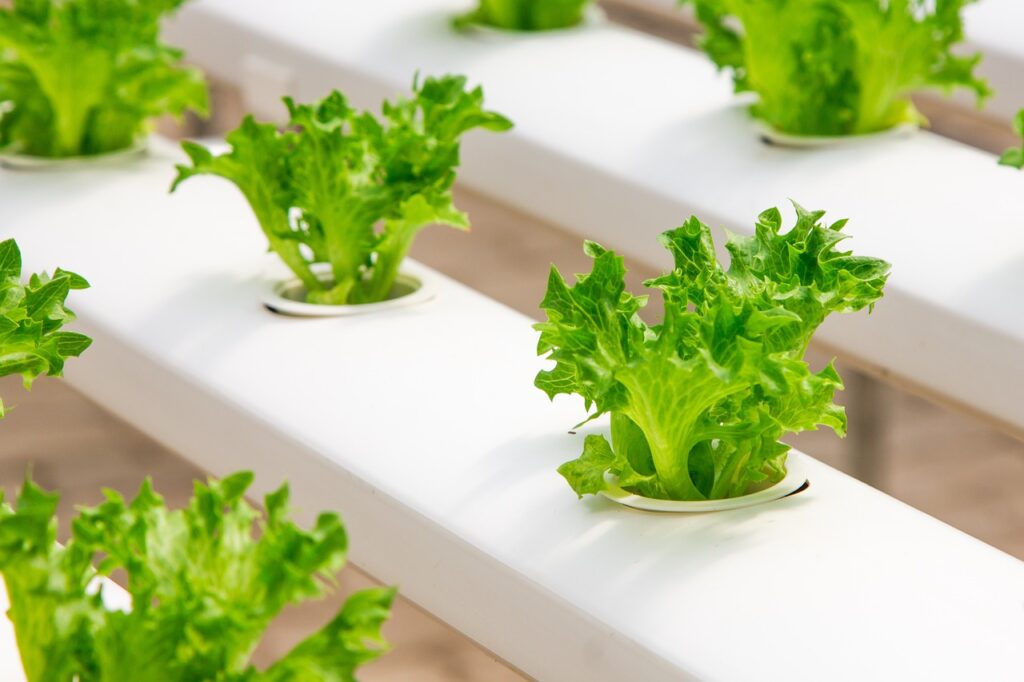
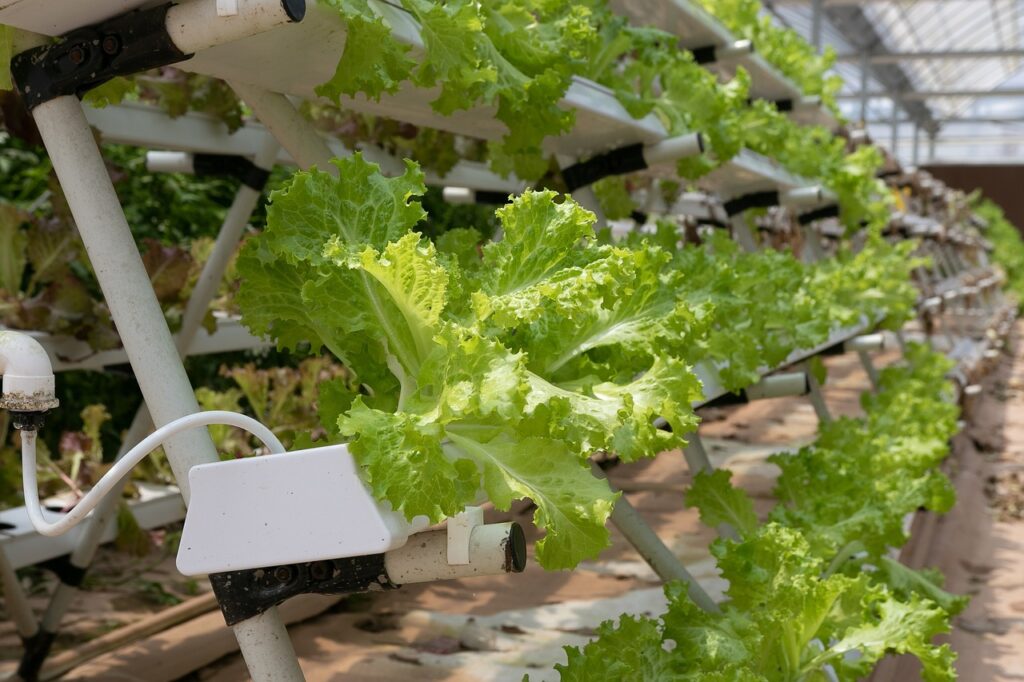
When it comes to cultivating plants in arid conditions, selecting the appropriate type of hydroponic system is key. There are various types of hydroponic systems to choose from, including nutrient film technique (NFT), deep water culture (DWC), and vertical towers, among others. Each system has its own advantages and limitations, so it’s important to assess your specific needs and the environmental conditions of your desert garden before making a decision. Consulting with local experts or fellow hydroponic gardeners can also provide valuable insights and guidance in selecting the right system for your arid conditions.
In addition to choosing the right hydroponic system, selecting the appropriate growing medium is crucial. In arid environments, it is important to choose a medium that retains moisture effectively while still providing adequate support for plant roots. Coir, perlite, and vermiculite are popular choices for hydroponic desert gardens, as they have good water retention properties. Additionally, these mediums do not break down easily and can provide stability for plants as they grow. Experimenting with different growing mediums and finding the one that works best for your specific conditions is key to optimizing the success of your hydroponic system in arid conditions.
Optimizing water and nutrient delivery is also essential for hydroponic desert gardens. In arid environments, water is a scarce resource, so it’s important to maximize its usage. Utilizing drip irrigation systems or timed pumping systems can ensure that water is delivered efficiently to your plants. Additionally, monitoring and adjusting nutrient levels regularly is crucial to provide the right balance of essential elements for plant growth. By carefully managing water and nutrient delivery, you can enhance the overall health and productivity of your hydroponic desert garden.
Managing Water in Hydroponic Desert Gardens
Water conservation is of utmost importance in desert environments. In hydroponic desert gardens, it is essential to implement water-saving techniques to minimize water usage while still supporting plant growth. One effective technique is collecting and reusing water runoff from the hydroponic system. This water can be filtered and recycled back into the system, reducing the overall water consumption. Additionally, implementing a water-efficient irrigation schedule and using moisture sensors can help ensure that your plants receive adequate hydration without wasting water unnecessarily.
Monitoring and adjusting water levels in your hydroponic system is crucial to prevent water-related issues such as root rot or nutrient imbalances. Regularly checking the water levels and adjusting them accordingly will help maintain optimal growing conditions for your plants. It’s also important to consider the evaporation rates in arid climates and replenish water as needed to prevent dehydration of your hydroponic system. By diligently managing water in your hydroponic desert garden, you can create a sustainable and efficient system that conserves water while supporting healthy plant growth.
Maintaining Optimal Temperature and Humidity Levels
Temperature and humidity play a significant role in the success of hydroponic desert gardens. Understanding the impact of these factors on plant growth is essential in creating a thriving garden. In arid environments, the temperature can fluctuate drastically, so it’s important to control and maintain an optimal temperature range for your plants. Utilizing shade structures can help protect your plants from excessive heat and sun exposure during the hottest parts of the day. This will prevent heat stress and ensure that your plants remain healthy and productive.
Increasing humidity levels can also benefit plants in arid environments. While desert plants are adapted to low humidity, maintaining a slightly higher humidity level in the hydroponic system can promote better plant growth. This can be achieved by utilizing humidifiers or by incorporating a misting system into your garden. By increasing humidity, you can reduce water loss through transpiration and provide a more comfortable environment for your plants.
Preventing Pest and Disease Infestations in Arid Environments
Pests and diseases can pose a significant threat to hydroponic desert gardens. While desert environments may seem inhospitable to pests and diseases, there are still common issues that can arise. To prevent infestations, it is important to be proactive and implement preventive measures. Regularly inspecting your plants for any signs of pests or diseases is essential in catching and addressing issues early on. Additionally, maintaining a clean and well-maintained garden can help prevent pests and diseases from establishing themselves.
Implementing natural pest control methods is another effective strategy for managing pests in arid environments. Introducing beneficial insects like ladybugs or predatory mites can help control pests without the need for harmful chemical pesticides. Additionally, using organic pest control solutions such as neem oil or insecticidal soaps can help combat pests effectively while minimizing the impact on the environment. By taking proactive measures and implementing natural pest control methods, you can maintain a healthy and pest-free hydroponic desert garden.
Maximizing Sunlight Utilization for Hydroponic Desert Gardens
In arid environments, sunlight is abundant. Maximizing its utilization in your hydroponic desert garden can significantly enhance plant growth and productivity. Positioning your garden in an area that receives maximum sun exposure is crucial. In general, plants require at least six hours of direct sunlight per day for optimal growth. By choosing a location that receives ample sunlight throughout the day, you can ensure that your plants receive the necessary light energy for photosynthesis.
Using reflective materials strategically can also help increase light availability for your plants. By incorporating materials such as white plastic or reflective films near the plants, you can redirect and amplify the amount of sunlight reaching the lower canopy of your hydroponic garden. This can be especially beneficial for plants with lower light requirements or for areas with limited direct sunlight. Maximizing sunlight utilization will promote healthy plant growth and maximize the overall productivity of your hydroponic desert garden.
Implementing shade structures can also be beneficial in protecting your plants from excessive sunlight. While sunlight is essential for plant growth, extreme heat and intense sunlight can be detrimental. By installing shade structures such as shade cloth or retractable umbrellas, you can provide your plants with necessary relief from the scorching sun. This will prevent sunburn and minimize the risk of heat stress, ensuring that your plants remain healthy and productive throughout the growing season.
Ensuring Proper Nutrition for Plants in Desert Hydroponics
Proper nutrition is crucial for the success of any hydroponic garden, especially in desert environments. Creating a balanced nutrient solution tailored to the specific needs of your plants is essential. The nutrient solution should contain all the essential elements needed for plant growth, including macronutrients (such as nitrogen, phosphorus, and potassium) and micronutrients (such as iron, manganese, and zinc). It is important to regularly test the nutrient solution using a pH meter and an electrical conductivity (EC) meter to ensure that the nutrient levels are within the appropriate range for your plants.
In arid environments, nutrient deficiencies are more common due to the limited availability of nutrients in the soil or growing medium. Understanding the common nutrient deficiencies in arid conditions can help you identify and address any issues promptly. For example, magnesium deficiency is a common problem in desert environments, which can be addressed by supplementing with magnesium sulfate. By providing the necessary nutrients and addressing any deficiencies, you can ensure that your plants receive the proper nutrition for optimal growth and productivity.
Supplementing with micronutrients is another important aspect of ensuring proper nutrition in desert hydroponics. Micronutrients are essential for plant growth and play a crucial role in various physiological processes. In arid conditions, the availability of micronutrients can be limited, leading to deficiencies and poor plant performance. Incorporating micronutrient supplements into your nutrient solution or using foliar sprays can help provide the necessary micronutrients for your plants. Regularly monitoring and maintaining proper nutrient levels will ensure that your hydroponic desert garden is thriving.
Optimizing Air Circulation for Desert Hydroponic Gardens
Proper air circulation is vital in desert hydroponic gardens to prevent heat buildup and maintain optimal growing conditions. Adequate ventilation helps prevent the accumulation of excess heat, which can lead to plant stress and reduced productivity. To optimize air circulation, it is important to ensure that there is sufficient space between plants for air to flow freely. Avoid overcrowding your garden, as this can restrict airflow and increase the risk of heat-related issues.
Preventing heat buildup in your hydroponic garden can be achieved by implementing fans and ventilation systems. Fans can help move the air within the garden, dissipating heat and preventing stagnant pockets of hot air. Additionally, installing exhaust fans or vents can facilitate the removal of hot air and promote the intake of cooler air. By strategically placing fans and implementing proper ventilation, you can maintain optimal air circulation and regulate the temperature in your hydroponic desert garden.
Monitoring and Maintaining pH Levels in Desert Hydroponics
Maintaining proper pH levels is crucial for optimal plant growth in hydroponic desert gardens. pH refers to the acidity or alkalinity of the nutrient solution, and it can significantly affect nutrient availability and plant health. Understanding the impact of pH on plant growth is essential in creating a thriving hydroponic system.
Regularly monitoring the pH levels using a pH meter is important to ensure that it remains within the appropriate range for your plants. The pH range can vary depending on the plant species and the growing medium, but generally, a pH range of 5.5 to 6.5 is suitable for most hydroponic plants. If the pH deviates from the desired range, adjustments can be made using pH adjustment methods such as adding acidic or alkaline substances to the nutrient solution. By maintaining the proper pH levels, you can promote optimal nutrient absorption and prevent nutrient deficiencies in your hydroponic desert garden.
Harvesting and Preserving Produce in Hydroponic Desert Gardens
The reward of a successful hydroponic desert garden is the harvest of fresh and nutritious produce. Determining the optimal time for harvesting is crucial to ensure the best flavor and nutritional value. Each plant variety has its own specific signs of readiness for harvest. For example, lettuce is typically harvested when the leaves are full-sized, yet still tender. On the other hand, fruiting crops like tomatoes should be harvested when the fruits are fully ripe and have reached their peak flavor.
Proper post-harvest handling is essential to maintain the quality and shelf life of your harvested produce. It is important to handle the harvested plants with care to minimize damage and bruising. Washing the produce gently and removing any damaged or diseased parts will help prolong its freshness. Storing the harvested produce in a cool and dry environment until consumption or further processing is also crucial in preserving its quality.
Preservation techniques can be used to extend the shelf life of your harvested produce. Options such as canning, freezing, drying, or pickling can help you enjoy your hydroponically grown produce all year round. Different preservation methods are suitable for different types of produce, so it’s important to research and choose the best method for each specific crop. By properly harvesting and preserving your hydroponic produce, you can enjoy the rewards of your hard work throughout the year.
In conclusion, hydroponic gardening offers innovative techniques for thriving in arid conditions. By choosing the right plants that are drought-tolerant and have shallow roots, incorporating the ideal hydroponic system, managing water effectively, maintaining optimal temperature and humidity levels, preventing pest and disease infestations, maximizing sunlight utilization, ensuring proper nutrition, optimizing air circulation, monitoring and maintaining pH levels, and implementing proper harvesting and preservation techniques, you can create a flourishing hydroponic desert garden. With careful planning and attention to the unique challenges of arid environments, you can enjoy the benefits of a sustainable and productive hydroponic garden in even the most challenging desert conditions. So roll up your sleeves, get your hands dirty, and embark on the journey of hydroponic gardening in arid conditions. Your thriving desert garden awaits you!


