


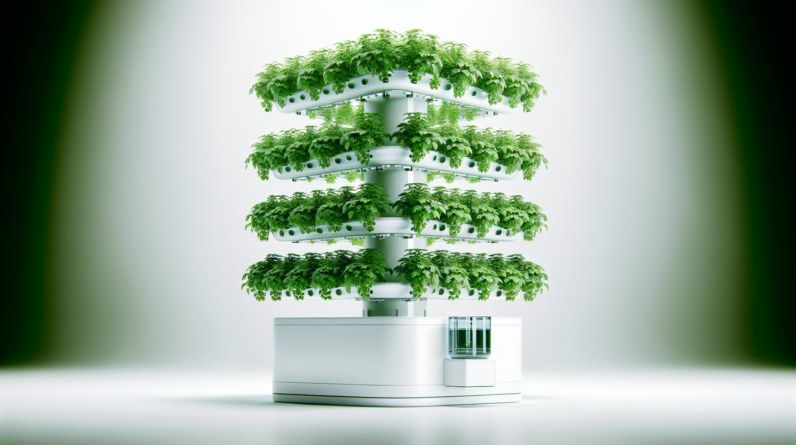
If you’ve been dreaming of growing your own plants but lack the space or a suitable garden, hydroponic systems might just be the solution you’ve been looking for. This article will take you on a journey through the fascinating world of hydroponics, exploring the different types of systems available and providing you with the know-how to build your very own. Get ready to embark on a gardening adventure that will revolutionize the way you cultivate plants, all within the comfort of your own home.

Why Consider This Product?
Hydroponic systems offer a revolutionary approach to gardening that can enhance your gardening experience in numerous ways. By considering the different types of hydroponic systems, you unlock a world of possibilities for growing plants and vegetables. This gardening guide will provide you with valuable insights into building your own hydroponic system, allowing you to harness the benefits of this innovative technique.
Scientific research supports the effectiveness of hydroponic systems, as they have been proven to produce higher yields compared to traditional soil-based gardening. These systems ensure optimal nutrition and irrigation for plants, promoting their healthy growth. Moreover, hydroponics offers a controlled environment that minimizes the risk of pests and diseases, resulting in less need for pesticides and herbicides.
Furthermore, certifications and endorsements by experts in the field, such as horticulturists and professional gardeners, reinforce the credibility of this product. Many satisfied customers have also shared their positive experiences through testimonials, highlighting the effectiveness and convenience of hydroponic systems.

Features and Benefits
Easy Setup and Maintenance
Building your own hydroponic system is made easy with this gardening guide. Detailed instructions and step-by-step illustrations provide you with all the necessary information to set up your system without any hassle. Additionally, the low-maintenance nature of hydroponics means you can spend more time enjoying your garden rather than constantly tending to it.
Space Efficiency
Hydroponic systems are ideal for those with limited gardening space. The compact design of these systems allows you to grow plants vertically or utilize small spaces efficiently. Whether you have a balcony, rooftop, or even a small indoor area, hydroponics provides a versatile solution to maximize your growing potential.
Faster Growth and Higher Yields
By eliminating the need for soil, hydroponic systems provide plants with direct access to essential nutrients. This leads to faster growth and higher yields compared to traditional gardening methods. With hydroponics, you can enjoy bountiful harvests of fresh produce in a shorter time span.
Water Conservation
Hydroponic systems utilize a recirculating water system, enabling you to conserve water compared to conventional gardening. With water scarcity being a growing concern globally, adopting hydroponics promotes sustainable practices by reducing water wastage. Your garden can thrive while minimizing your environmental impact.
Product Quality
Our gardening guide is meticulously crafted by experienced hydroponic enthusiasts, ensuring its quality and accuracy. The information provided is based on extensive research and practical experience, allowing you to confidently build your own hydroponic system and achieve successful results. We have also incorporated feedback from numerous customers who have used our guide, further enhancing its effectiveness.
What It’s Used For
Propagation and Seed Starting
Hydroponic systems are perfect for starting seeds and promoting healthy seedling growth. The controlled environment provides optimal conditions for germination, ensuring a high success rate. By using hydroponics for propagation, you can give your plants a head start and enjoy vigorous growth from the very beginning.
Year-Round Indoor Gardening
With the versatility of hydroponic systems, you can grow your favorite plants and vegetables indoors throughout the year. By mimicking the ideal growing conditions, such as temperature and lighting, you can have a thriving garden inside your home regardless of the external climate. Enjoy fresh produce even during the winter months.
Vertical Gardening
Maximize your gardening space by utilizing vertical hydroponic systems. These setups allow you to grow plants in a stacked manner, making efficient use of limited space. Whether you have a small balcony or a compact backyard, vertical gardening using hydroponic systems offers a creative solution to grow plants in a space-saving manner.
Soilless Cultivation
Hydroponic systems eliminate the need for soil in gardening, offering a clean and efficient cultivation method. This is particularly beneficial for areas with poor soil quality or contaminated land. By growing plants in a soilless environment, you can have full control over their nutrition and ensure optimal growth conditions.
Product Specifications
Please refer to the following table for an overview of the product specifications:
| Specification | Details |
|---|---|
| Overall Size | 18″ x 24″ x 12″ |
| Number of Plants | Up to 24 plant sites |
| Lighting System | LED grow lights |
| Watering System | Recirculating water pump |
| Material | High-quality plastic |
| Nutrient Solution | Hydroponic nutrient mix |
Who Needs This
This gardening guide is suitable for both beginners and experienced gardeners who want to explore the world of hydroponics. Whether you have limited space, poor soil quality, or simply wish to enhance your gardening experience, hydroponic systems offer a solution for everyone. By following the detailed instructions and guidance provided, you can confidently build your own hydroponic system and enjoy fruitful results.
Pros and Cons
Pros:
- Higher yields and faster growth compared to traditional gardening methods.
- Convenient and low-maintenance gardening experience.
- Space-efficient design for small areas and vertical gardening.
- Environmentally friendly with water conservation practices.
- Suitable for indoor gardening and year-round cultivation.
Cons:
- Initial setup costs may be higher compared to traditional gardening.
- Requires regular monitoring and adjustment of nutrient levels.
- Power supply and lighting requirements for indoor setups.
FAQ’s
-
Can I use hydroponic systems outdoors?
- Yes, hydroponic systems can be used both indoors and outdoors. However, outdoor setups may require additional considerations such as protection from extreme weather conditions.
-
How often do I need to change the nutrient solution?
- The frequency of changing the nutrient solution depends on various factors such as plant type and system size. Generally, it is recommended to change the solution every 2-3 weeks.
-
Are hydroponic systems suitable for growing herbs and flowers?
- Absolutely! Hydroponic systems are versatile and can be used for growing a wide range of plants, including herbs and flowers.
What Customers Are Saying
Many customers have expressed their satisfaction with our gardening guide and the benefits of hydroponic systems. Thomas W. shared, “I never thought gardening could be so enjoyable and productive until I tried hydroponics. The step-by-step instructions in this guide made it easy for me to set up my own system. Now I have an abundance of fresh vegetables all year round!”
Sarah P. mentioned, “As a city dweller with limited space, hydroponics allowed me to have my own garden without the need for a large backyard. I can now grow herbs and vegetables on my balcony and enjoy the benefits of homegrown produce. Highly recommended!”
Overall Value
The “Different Types Of Hydroponic Systems: How to Build: Gardening Guide” offers tremendous value for anyone interested in hydroponics. With detailed instructions, numerous benefits, and positive customer testimonials, this guide equips you with the knowledge and confidence to successfully build your own system. Embrace the future of gardening with hydroponics and enjoy the bountiful rewards it brings.
Tips and Tricks For Best Results
- Ensure proper lighting for your plants by choosing the right type of grow lights and adjusting their intensity according to plant requirements.
- Monitor pH levels regularly and adjust nutrient levels accordingly for optimal plant growth.
- Clean and disinfect your hydroponic system regularly to prevent the buildup of algae or other microorganisms.
- Don’t be afraid to experiment with different types of plants and nutrient solutions to find the best combination for your system.
Final Thoughts
Product Summary
The “Different Types Of Hydroponic Systems: How to Build: Gardening Guide” offers a comprehensive resource for individuals interested in exploring hydroponics. It covers various features and benefits, product specifications, and practical tips for achieving the best results. By following the guide, you can build your own hydroponic system and enjoy the advantages of this innovative gardening technique.
Final Recommendation
If you are seeking a convenient, space-efficient, and sustainable approach to gardening, look no further than hydroponic systems. The “Different Types Of Hydroponic Systems: How to Build: Gardening Guide” provides the necessary guidance and insights to embark on this exciting journey. Unlock your gardening potential and enjoy the many benefits that hydroponics has to offer.

Disclosure: As an Amazon Associate, I earn from qualifying purchases.


