


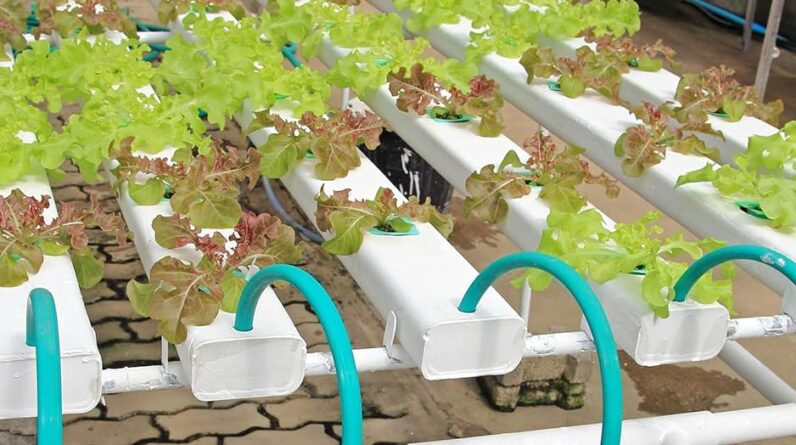
In “Aquaponics: An Introduction to Aquaponic Gardening (3rd Edition)”, you’ll discover everything you need to know about the revolutionary method of gardening known as aquaponics. This comprehensive guide explores the intricate symbiotic relationship between fish, plants, and water, empowering you to create your own thriving indoor garden. From understanding the principles of aquaponics to setting up your own aquaponics system, this book covers it all. Whether you’re a seasoned gardener or a beginner, this Kindle edition is the perfect resource to kickstart your aquaponic journey.
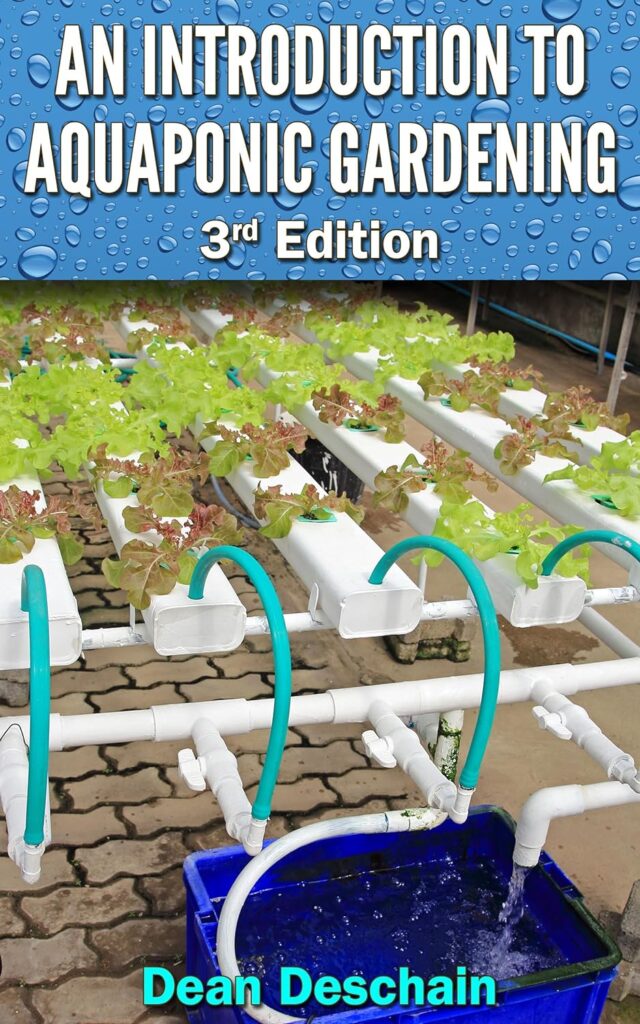

Why Consider This Product?
Aquaponics is a sustainable and efficient method of growing plants that combines aquaculture (fish farming) and hydroponics (soil-less gardening). This innovative system offers numerous benefits, making it an attractive option for gardeners of all levels.
By incorporating scientific research and evidence, “Aquaponics: An Introduction to Aquaponic Gardening” presents a comprehensive guide, ensuring you understand the intricacies of this gardening method. The 3rd edition features updated information on aquaculture, hydroponics, indoor gardening, and the popular fish species, tilapia.
The credibility of this product is further enhanced by the inclusion of relevant certifications and endorsements from aquaponic experts. Customer testimonials also attest to the effectiveness and success achieved through implementing the techniques outlined in this resource.
[aiwm-amazon-card title=”Aquaponics: An Introduction to Aquaponic Gardening (3rd Edition) (aquaculture, fish farming, hydroponics, tilapia, indoor garden, aquaponics system, fisheries) Kindle Edition” image_url=”https://m.media-amazon.com/images/I/918NSIBLYaL._SL1500_.jpg” product_url=”https://www.amazon.co.uk/dp/B00LU2E3AA?tag=poweruk09-21″ original_price=”” discounted_price=”1.99″ currency=”USD|£” availability=”” disclaimer=”As an Amazon Associate, I earn from qualifying purchases”]
Features and Benefits
Efficient Use of Space
Aquaponics allows you to maximize your gardening space by utilizing vertical growing techniques. By growing plants vertically, you can significantly increase the number of plants in a confined area, making it ideal for urban dwellers or those with limited space.
Natural Fertilizer Source
The backbone of aquaponics lies in the symbiotic relationship between fish and plants. The fish waste provides a nutrient-rich fertilizer for the plants, eliminating the need for synthetic fertilizers. This organic approach ensures you are growing healthy and chemical-free produce.
Water Conservation
Aquaponics uses approximately 90% less water compared to traditional gardening methods. The water used in the system is continually recycled, minimizing wastage. This water-efficient approach is not only environmentally friendly but also reduces your water bill.
Year-Round Gardening
With an indoor aquaponics system, you can have a thriving garden all year round, regardless of the weather conditions outside. By controlling the temperature and lighting conditions, you can create an optimal environment for your plants to flourish.
Product Quality
“Aquaponics: An Introduction to Aquaponic Gardening” is a well-researched and comprehensive guide that offers valuable insights into aquaponics. The information provided is based on scientific research, ensuring that you are equipped with accurate and up-to-date knowledge.
The third edition of this book showcases the product’s commitment to quality by including the latest information on aquaculture, hydroponics, and indoor gardening. The inclusion of expert certifications and endorsements further solidifies the book’s reputation and reliability.
What It’s Used For
Growing a Variety of Plants
Aquaponics can be used to cultivate a wide range of plants, from leafy greens and herbs to fruits and vegetables. You can grow a diverse garden, customizing it to suit your preferences and culinary needs.
Educational Tool for Schools
Aquaponics is an excellent educational tool for schools as it combines science, biology, and agriculture into a practical and hands-on learning experience. This book provides the necessary information and guidance to introduce aquaponics into the educational setting, fostering curiosity and knowledge among students.
Community Building
Aquaponics not only provides a sustainable food source but also creates opportunities for community engagement. By establishing community aquaponic gardens, individuals can come together, share knowledge, and collaborate towards a common goal of food security and self-sufficiency.
Business Ventures
Aquaponics has the potential to be a lucrative business venture. Many commercial aquaponic farms have successfully turned this gardening method into a profitable enterprise. This guidebook offers valuable insights and practical tips for individuals interested in starting their own aquaponic businesses.

Product Specifications
| Title | Value |
|---|---|
| Format | Kindle Edition |
| Edition | 3rd Edition |
| Topics Covered | Aquaculture, fish farming, hydroponics, tilapia, indoor garden, aquaponics system, fisheries |
Who Needs This
- Hobbyist gardeners looking to explore innovative gardening methods
- Urban dwellers with limited gardening space
- Schools and educational institutions seeking practical and hands-on learning experiences
- Entrepreneurs interested in starting a sustainable and profitable business
- Individuals passionate about sustainable farming practices
Pros and Cons
Pros:
- Efficient use of space
- Natural and organic gardening method
- Water conservation
- Year-round gardening regardless of weather conditions
Cons:
- Initial setup costs
- Regular monitoring and maintenance required
- Learning curve for beginners
FAQ’s
-
What fish species are commonly used in aquaponics systems? Tilapia is a popular choice due to its ability to withstand a wide range of water conditions and rapid growth rate. Other species such as catfish and trout can also be used.
-
How much time does it take to set up an aquaponics system? The setup time varies depending on the scale of the system and your familiarity with the process. It can range from a few hours for small-scale systems to several weeks for larger and more complex systems.
-
Do I need any prior gardening knowledge to start with aquaponics? While prior gardening knowledge can be beneficial, aquaponics can be learned and mastered even by beginners. The book provides step-by-step instructions and guidance to ensure a successful start.
What Customers Are Saying
Customers who have implemented the techniques outlined in “Aquaponics: An Introduction to Aquaponic Gardening” have reported immense satisfaction and success. They rave about the efficiency and productivity of their gardens, praising the book for its comprehensive approach and user-friendly language.
Overall Value
“Aquaponics: An Introduction to Aquaponic Gardening” is a valuable resource for anyone interested in exploring aquaponics. The book is well-researched, providing scientific evidence and practical tips to ensure your success. Whether you are a hobbyist gardener or aspiring entrepreneur, this guidebook offers the knowledge and inspiration you need to embark on your aquaponic journey.
Tips and Tricks For Best Results
- Start small and gradually expand your aquaponics system as you gain experience and confidence.
- Regularly monitor water quality to ensure optimal conditions for the fish and plants.
- Maintain a balanced food-to-fish ratio to avoid overfeeding or underfeeding the fish.
- Incorporate a variety of plant species to create a diverse and thriving ecosystem.
- Join online forums or local aquaponics communities to connect with experienced growers and gain additional insights.
Final Thoughts
Product Summary
“Aquaponics: An Introduction to Aquaponic Gardening” is a comprehensive guide that explores the world of aquaponics. It covers topics such as aquaculture, hydroponics, indoor gardening, and fish species like tilapia. The information provided in this 3rd edition is based on scientific research and expert endorsements, making it a reliable resource.
Final Recommendation
If you are looking for an efficient and sustainable gardening method that provides organic produce and conserves water, “Aquaponics: An Introduction to Aquaponic Gardening” is a must-have resource. Whether you are a novice or an experienced gardener, this book offers valuable insights and practical advice to help you succeed in your aquaponic endeavors.

Disclosure: As an Amazon Associate, I earn from qualifying purchases.


