


So you’re a fan of fresh, vibrant flavors and you’ve always wondered how you could grow your own basil at home. Look no further, because we’ve got you covered! In this article, we’ll show you the simple steps to grow hydroponic basil right in the comfort of your own home. Whether you’re a seasoned gardener or a beginner, you’ll be enjoying the taste of freshly picked basil in no time. Say goodbye to store-bought herbs and hello to a more sustainable and fulfilling gardening experience. Let’s get started!

Choosing the Right Hydroponic System
When it comes to growing basil hydroponically, choosing the right system is crucial. There are several options to consider, each with its own advantages and characteristics. Here are some popular hydroponic systems to consider:
Ebb and Flow Systems
Also known as flood and drain systems, ebb and flow systems are one of the most popular choices for growing basil hydroponically. This method involves periodically flooding the growing bed with nutrient-rich water and then draining it. The ebb and flow of water ensure that the plant roots receive enough oxygen, promoting healthy growth.
Drip Systems
Drip systems are another common choice for growing basil hydroponically. This method involves delivering nutrient solution directly to the plants through tubes with drip emitters. Drip systems provide a consistent flow of water and nutrients, ensuring that the plants receive adequate hydration and nourishment.
Nutrient Film Technique (NFT)
The Nutrient Film Technique (NFT) is a hydroponic system that involves a thin film of nutrient solution flowing over the plant roots. This system uses a tilted growing channel or tube that allows a continuous flow of nutrient-rich water to bathe the roots. NFT systems are highly efficient and can be ideal for growing basil due to its shallow root system.
Deep Water Culture (DWC)
Deep Water Culture (DWC) is a hydroponic system that involves suspending the plant roots in a nutrient-rich solution. The roots are constantly submerged, allowing easy uptake of water and nutrients. DWC systems are straightforward to set up and are suitable for beginners looking to grow basil hydroponically.
Aeroponics
Aeroponics is a high-tech hydroponic system that involves suspending the plant roots in the air while periodically misting them with a nutrient-rich solution. This method provides excellent oxygenation to the roots, promoting rapid growth. While aeroponics may require more advanced equipment and monitoring, it can yield exceptional results for basil cultivation.
Choosing the right hydroponic system for your basil garden depends on factors such as space availability, your level of experience, and the specific needs of the basil varieties you plan to grow. Consider the pros and cons of each system before making your decision.
Selecting the Right Basil Variety
When it comes to basil, there are various cultivars to choose from, each with its unique flavors and characteristics. Here are some popular basil varieties to consider for your hydroponic garden:
Genovese Basil
Genovese basil is one of the most commonly grown basil varieties, known for its intense aroma and classic basil flavor. It features large, dark green leaves and is famous for its use in traditional Italian dishes, particularly in pesto sauce.
Thai Basil
Thai basil is a favorite among those who enjoy vibrant and spicy flavors. This variety has a distinctive anise-like aroma and flavor, which adds depth to many Southeast Asian dishes. Thai basil has smaller leaves and purple stems, making it an attractive addition to any hydroponic garden.
Sweet Basil
Sweet basil is a versatile and readily available variety that suits a range of culinary applications. It has a milder flavor compared to some other basil varieties, making it a popular choice for dishes like salads, pasta, and even desserts.
Lemon Basil
As the name suggests, lemon basil offers a bright and citrusy twist to traditional basil flavors. With its refreshing lemon fragrance, this variety is excellent for adding a zing to salads, seafood dishes, and refreshing beverages.
Purple Basil
For those looking to add a pop of color to their hydroponic garden, purple basil is a fantastic choice. This variety features vibrant, deep purple leaves that can add visual appeal to your basil harvest. The flavor is similar to sweet basil, making it a versatile option in the kitchen.
The choice of basil variety ultimately depends on your personal preferences and the type of cuisines you enjoy cooking. Experimenting with different varieties can add excitement and diversity to your hydroponic basil garden.
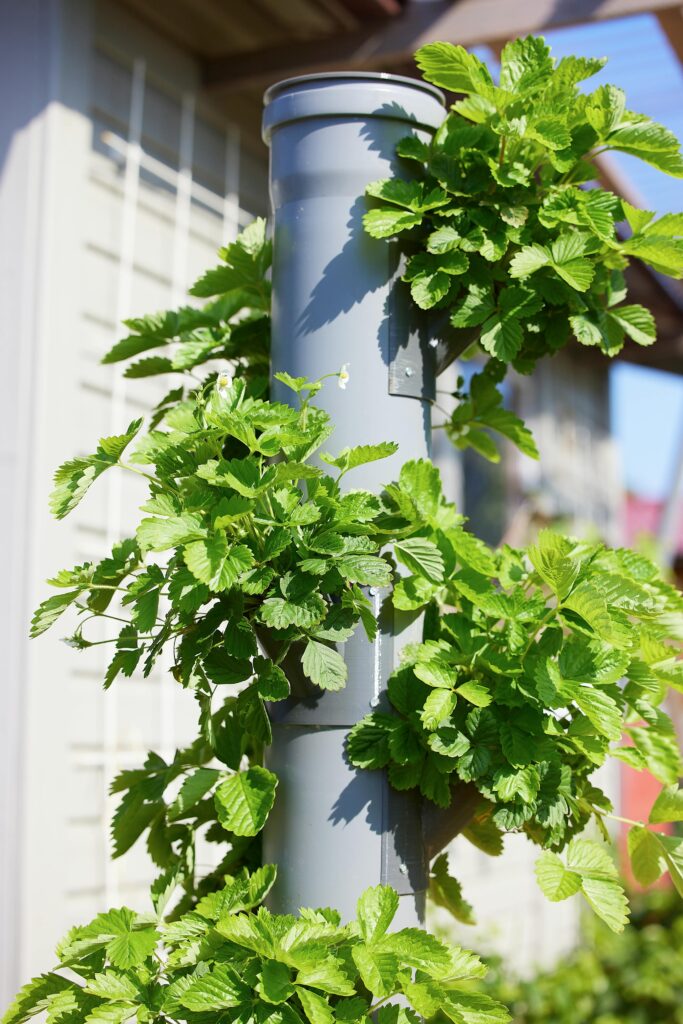
Setting Up Your Hydroponic Basil Garden
To set up a successful hydroponic basil garden, several key steps need to be followed. By considering the following aspects, you can create an optimal environment for your basil plants to thrive.
Choosing a Suitable Location
When selecting a location for your hydroponic basil garden, several factors should be considered. Basil requires at least six to eight hours of direct sunlight daily, so choose a spot that receives ample natural light. Alternatively, if natural light is limited, you can use artificial lighting such as fluorescent or LED grow lights to supplement the plants’ needs.
Additionally, consider the temperature and humidity of the location. Basil prefers temperatures between 60-75°F (15-24°C) and humidity levels of around 40-50%. Avoid areas with extreme temperature fluctuations or excessive dryness.
Preparing the Growing Bed
Before installing your hydroponic system, it’s essential to prepare the growing bed. Basil can be grown in a variety of growing mediums, such as rockwool, coco coir, or perlite. Fill the growing bed with the chosen medium, ensuring proper drainage and aeration for the plant roots.
It’s also beneficial to sterilize the growing bed before planting to prevent the growth of unwanted pathogens. This can be done by thoroughly cleaning the growing bed with a mild bleach solution or hydrogen peroxide.
Installing the Hydroponic System
Once the growing bed is prepared, it’s time to install your chosen hydroponic system. Follow the manufacturer’s instructions carefully and ensure that all components are properly connected and secured. Whether you opt for an ebb and flow system, drip system, NFT system, DWC system, or aeroponics, make sure the system is correctly set up to deliver water and nutrients to the plants effectively.
Setting Up the Irrigation System
Proper irrigation is crucial for the success of your hydroponic basil garden. Ensure that the irrigation system is set up correctly to provide a consistent and adequate supply of water and nutrients to the plants. Monitor the flow of water and adjust as necessary to avoid overwatering or underwatering your basil plants.
Controlling Light and Temperature
Light and temperature management play a significant role in basil growth. If your hydroponic garden doesn’t receive enough natural sunlight, consider using artificial grow lights to supplement the plants’ lighting needs. Position the lights at an appropriate distance from the plants, following the manufacturer’s recommendations.
To maintain optimal temperature and humidity levels, use a thermometer and a hygrometer to monitor the conditions regularly. Adjust the temperature and humidity as needed by using fans, heaters, or humidifiers to create an environment conducive to basil growth.
By paying attention to these steps, you can set up a well-functioning hydroponic basil garden that provides the ideal conditions for your plants to flourish.
Preparing the Nutrient Solution
In hydroponics, providing the right balance of nutrients is crucial for healthy plant growth. To prepare a nutrient solution for your hydroponic basil garden, consider the following steps:
Choosing a Hydroponic Fertilizer
Select a high-quality hydroponic fertilizer specifically formulated for leafy greens or herbs. These fertilizers typically contain a balanced mix of essential nutrients, including nitrogen (N), phosphorus (P), and potassium (K), as well as micronutrients like calcium, magnesium, and iron.
Following the Recommended Nutrient Ratios
Different stages of basil growth require different nutrient ratios. During the vegetative stage, when basil plants are actively growing leaves, a nutrient ratio of 3:1:2 (N:P:K) is often recommended. As the plants transition to the flowering and fruiting stage, adjust the nutrient ratio to 1:2:3 (N:P:K) to support the production of flowers and seeds.
Always follow the instructions provided by the fertilizer manufacturer and double-check that you are using the correct nutrient ratios for each stage of basil growth.
Testing and Adjusting pH Levels
Maintaining the proper pH level of the nutrient solution is essential for basil plants to absorb nutrients optimally. Basil prefers a slightly acidic pH level between 5.5 and 6.5. Use a pH meter or pH test kit to regularly check the pH level of the nutrient solution.
If the pH level is too high, above 6.5, you may need to adjust it by adding a small amount of pH down solution. Conversely, if the pH level is too low, below 5.5, you can raise it by adding a pH up solution. Make gradual adjustments and retest until the desired pH level is achieved.
Providing Essential Nutrients
In addition to the primary nutrients (N, P, K), basil plants require several essential micronutrients for optimal growth. These include calcium, magnesium, iron, manganese, zinc, and copper. Ensure that your hydroponic fertilizer contains these micronutrients or supplement the nutrient solution with a micronutrient mix.
Regularly monitor the nutrient levels in the solution and adjust as needed based on the plant’s growth stage and any visible signs of nutrient deficiencies or excesses.
By carefully preparing and maintaining the nutrient solution, you can provide your hydroponic basil plants with the necessary elements for healthy and vigorous growth.
Germinating Basil Seeds
To start your hydroponic basil garden, you’ll need to germinate basil seeds successfully. Follow these steps to ensure a high germination rate and healthy seedlings:
Selecting High-Quality Seeds
Choose reputable seed suppliers and opt for fresh, high-quality basil seeds for better germination rates. Look for seeds that are within their expiration date and have been properly stored to maintain their viability.
Pre-Soaking the Seeds
Some basil seeds have a hard seed coat that can inhibit germination. To improve germination rates, you can pre-soak the seeds overnight in room temperature water. This softens the seed coat, promoting faster and more successful germination.
Planting the Seeds in Growing Medium
Fill seedling trays or small pots with a moistened growing medium such as a seed-starting mix or coco coir. Plant one or two basil seeds per cell or pot, placing them at a shallow depth and covering them lightly with the growing medium.
Place the trays or pots in a warm and well-lit area, ensuring the seeds receive indirect light. Maintain adequate moisture in the growing medium by misting or watering gently as needed.
Maintaining Ideal Germination Conditions
Basil seeds germinate best in warm temperatures between 70-80°F (21-27°C). Use a propagation mat or place the trays/pots on a warm surface to provide bottom heat, which can significantly improve germination rates.
It’s crucial to maintain consistent moisture levels during the germination period. Avoid overwatering, as excessive moisture can lead to damping-off or the development of fungal diseases. Regularly monitor the moisture levels and adjust watering as needed to keep the growing medium slightly moist but not waterlogged.
Transplanting Seedlings
Once the basil seedlings have developed true leaves and grown to a suitable size, typically around 2-3 inches tall, they are ready to be transplanted into the hydroponic garden. Carefully remove the seedlings from the trays or pots, taking care not to damage the delicate roots.
Plant the seedlings in the prepared growing bed, ensuring that they are spaced adequately to allow for proper growth and airflow. Gently press the growing medium around the roots to secure the seedlings in place.
Provide gentle irrigation to settle the roots and continue following the necessary care practices to support the basil plants’ growth.
With these steps, you can successfully germinate basil seeds and establish strong and healthy seedlings for your hydroponic basil garden.
Monitoring and Maintaining the Basil Plants
To ensure the health and productivity of your hydroponic basil plants, regular monitoring and maintenance are essential. Pay attention to the following aspects to keep your basil plants thriving:
Maintaining Proper Nutrient Levels
Regularly check the nutrient levels in the hydroponic system to ensure that the plants receive an adequate supply of nutrients. Follow the instructions provided by the fertilizer manufacturer and adjust nutrient concentrations as needed based on the basil plants’ growth stage and any visible signs of nutrient deficiencies or excesses.
Monitoring pH and EC Levels
Continuously monitor the pH level of the nutrient solution using a pH meter or test kit. Keep the pH level within the optimal range for basil growth, typically between 5.5 and 6.5. Adjust the pH level using pH up or pH down solutions as necessary to maintain a suitable environment for nutrient absorption.
Additionally, monitor the electrical conductivity (EC) of the nutrient solution, which reflects its nutrient concentration. An EC meter can help ensure that the nutrient solution is within the desired range for basil cultivation.
Providing Adequate Lighting
If natural sunlight is insufficient, supplement the light requirements of your basil plants using artificial grow lights. Position the lights at an appropriate distance from the plants to provide the necessary intensity and duration of light. Aim for a light cycle of 14-16 hours per day to promote healthy growth and photosynthesis.
Regularly inspect the lights for any signs of malfunction or degradation and replace them as needed to maintain optimal lighting conditions.
Managing Watering and Drainage
Proper irrigation is crucial for the health of hydroponic basil plants. Ensure that the irrigation system provides an adequate supply of water and nutrients to the plants while allowing excess moisture to drain effectively. Avoid overwatering, as this can lead to root rot and other moisture-related issues.
Monitor the moisture levels in the growing medium and adjust watering as needed to maintain a slightly moist yet well-drained environment for the plants.
Pruning and Training the Plants
Maintain the shape and size of your basil plants by regularly pruning and trimming them. This encourages bushier growth and prevents the plants from becoming leggy or top-heavy. Remove any yellowing or damaged leaves and pinch off the tops to stimulate lateral branching.
Consider implementing training techniques such as topping or fimming to promote more abundant growth and higher yields. These methods involve removing the top portion of the main stem or encouraging the growth of multiple main branches.
Regularly monitor the basil plants for any signs of pests or diseases and take appropriate measures to prevent or manage them effectively.
By practicing regular monitoring and implementing suitable maintenance strategies, you can ensure the overall health and vitality of your hydroponic basil plants.
Pest and Disease Control
Although hydroponic basil gardens are generally less prone to pests and diseases than traditional soil-based gardens, it’s still important to be vigilant and proactive in pest and disease control. Here are some common pest and disease issues that basil plants may encounter and how to address them:
Identifying Common Basil Pests
Several pests can affect basil plants, including aphids, whiteflies, spider mites, and thrips. These pests can cause damage by sucking sap from the plant or transmitting diseases. Regularly inspect your basil plants for signs of pests, such as tiny insects, yellowing leaves, or sticky residues.
Implementing Preventive Measures
To prevent pest infestations, practice good hygiene in your hydroponic system. Keep the growing area clean and free from debris that can serve as hiding places for pests. Maintain proper air circulation and avoid overcrowding your basil plants, as this can create a favorable environment for pests.
Natural Pest Control Methods
In a hydroponic garden, it’s best to use natural and organic pest control methods to avoid introducing harmful chemicals to the system. Consider introducing beneficial insects like ladybugs or lacewings, which feed on common basil pests. Neem oil is another effective organic option for controlling pests. Dilute it according to the manufacturer’s instructions and spray it onto the affected plants.
Dealing with Common Basil Diseases
Basil plants can be susceptible to fungal diseases such as powdery mildew, damping-off, and fusarium wilt. These diseases can cause stunted growth, yellowing leaves, and wilting. Regularly inspect your basil plants for signs of any diseases and take appropriate action promptly.
Effective Disease Management
Prevention is key to managing basil diseases in hydroponics. Ensure proper air circulation and maintain optimal humidity levels to minimize the risk of fungal infections. Use sterile growing media and clean tools to prevent the introduction and spread of pathogens.
If disease symptoms are detected, promptly isolate and remove affected plants to prevent further contamination. Treat fungal diseases with appropriate organic fungicides or natural remedies such as baking soda solutions or diluted hydrogen peroxide.
By being proactive in pest and disease control and practicing good hygiene in your hydroponic basil garden, you can minimize the risk of infestations and keep your plants healthy and productive.
Harvesting Basil
After weeks of nurturing and caring for your hydroponic basil plants, the time will come to harvest the flavorful and aromatic leaves. Harvesting basil at the right time ensures the best taste and the continuous production of fresh leaves. Follow these steps for a bountiful basil harvest:
Determining the Right Time to Harvest
Basil leaves can be harvested at any stage, but for optimal flavor, it’s best to wait until the plants have developed a good number of mature leaves. Harvesting too early can result in smaller leaves with lighter flavor profiles. Mature leaves are typically darker green and larger in size.
Harvesting Basil Leaves
To harvest basil, use clean and sharp scissors or pruning shears to avoid damaging the delicate stems. Cut the leaves just above a pair of healthy leaves to encourage lateral branching and further growth.
You can choose to harvest individual leaves as needed or cut entire stems that contain clusters of leaves. If you cut entire stems, do it just above a branching point to promote bushier growth.
Storing and Preserving Basil
Freshly harvested basil leaves should be consumed as soon as possible for the best flavor. If you have an abundance of basil, you can store it in the refrigerator or preserve it for later use.
To store basil in the refrigerator, place the harvested leaves in a plastic bag or airtight container with a slightly damp paper towel. This helps maintain moisture and freshness. Stored this way, basil can last up to a week.
For longer-term preservation, consider freezing basil leaves. Blanch the leaves for a few seconds in boiling water, then immediately transfer them to an ice bath. Once cooled, pat the leaves dry, place them in a freezer-safe bag or container, and store them in the freezer for up to six months.
Pruning for Extended Yield
Pruning basil plants regularly not only keeps them in shape but also increases the plant’s overall productivity. As basil plants grow, continue to pinch off the top portion of the main stem to encourage lateral branching and more leaf production. This promotes a bushier growth habit and increases the yield of fresh basil leaves.
Continuous Harvesting Techniques
To maintain a steady supply of fresh basil, adopt continuous harvesting techniques. Instead of waiting for individual plants to grow fully, harvest leaves from different plants throughout the garden.
Regularly monitor the plants for mature leaves and harvest them as soon as they are ready. This approach ensures a constant rotation of plants in different growth stages, resulting in a continuous supply of fresh basil leaves.
By timing your harvests correctly, storing basil properly, pruning for extended yield, and implementing continuous harvesting techniques, you can enjoy a plentiful harvest of basil from your hydroponic garden.
Common Challenges and Troubleshooting
While hydroponic basil gardening has numerous benefits, certain challenges may arise during the cultivation process. Understanding and troubleshooting these challenges can help you maintain a healthy and productive hydroponic system. Here are some common issues basil growers may encounter:
Nutrient Deficiencies and Excesses
Poor nutrient balance can result in nutrient deficiencies or excesses in your basil plants. Monitor the nutrient levels in the solution regularly and adjust accordingly to avoid deficiencies such as yellowing leaves (indicating nitrogen deficiency) or stunted growth (indicating potassium deficiency). Be mindful not to overfertilize, as excessive nutrient concentrations can lead to nutrient lockout or toxicity.
pH Imbalance
Maintaining the proper pH level of the nutrient solution is vital for nutrient absorption. Fluctuations in pH levels can cause nutrient imbalances and hinder plant growth. Regularly check the pH level and adjust as needed using pH up or pH down solutions. Aim for a slightly acidic pH range of 5.5 to 6.5 for basil.
Temperature Fluctuations
Basil plants prefer temperatures between 60-75°F (15-24°C). Extreme temperature fluctuations can stress the plants and affect their growth and productivity. Ensure that your growing environment provides a consistent temperature range to promote optimal growth. Use fans, heaters, or cooling systems as needed to maintain suitable temperatures.
Algae and Mold Growth
In hydroponic systems, algae and mold can develop in the nutrient solution, particularly in warm and humid conditions. Algae can clog the system and compete with plants for nutrients, while mold can cause rot and other diseases. Prevent algae and mold growth by maintaining proper air circulation, controlling temperature and humidity levels, and regularly cleaning and sterilizing your system.
Root Rot
Root rot is a common issue in hydroponic systems caused by overwatering or poorly drained growing media. Excessive moisture can lead to oxygen deprivation in the root zone, resulting in rotting roots. Ensure your hydroponic system provides proper drainage and that the growing medium stays moist but not waterlogged. Monitor the roots for any signs of rot and take immediate action, such as reducing watering, improving aeration, and applying a beneficial bacteria or fungi treatment.
By understanding these common challenges and promptly addressing any issues that arise, you can maintain a healthy and thriving hydroponic basil garden.
Expanding Your Hydroponic Herb Garden
Once you’ve mastered the art of growing basil hydroponically, you may be eager to expand your hydroponic herb garden further. Here are some ideas to consider:
Exploring Other Hydroponic Herbs
Take your hydroponic gardening skills to the next level by experimenting with other herbs. Cilantro, mint, parsley, and dill are just a few examples of herbs that can thrive in a hydroponic system. Each herb has its unique growth requirements, so familiarize yourself with their specific needs.
Creating a Multicultural Herb Garden
Expand your hydroponic herb garden by incorporating herbs from various cuisines. Consider growing herbs used in Mexican, Thai, Indian, or Mediterranean cuisines, for example. This allows you to embrace diverse flavors and experiment with international recipes.
Scaling Up Your Hydroponic System
If space and resources permit, consider scaling up your hydroponic system to accommodate more plants. Invest in a larger growing bed or multiple systems to increase your herb production and have a more extensive selection of fresh herbs at your disposal.
Sharing Your Harvest with Others
Hydroponic gardens often produce an abundance of fresh herbs. Share your harvest with family, friends, or neighbors who appreciate homegrown produce. Not only will it bring joy to others, but it can also inspire them to explore hydroponic gardening themselves.
Experimenting with Hydroponic Varieties
Branch out and experiment with different hydroponic varieties, such as cherry tomatoes or leafy greens like lettuce and spinach. Hydroponic systems can cater to a wide range of crops, so take advantage of the versatility and continue expanding your gardening horizons.
By exploring new herbs and crops, scaling up your system, and sharing your harvest, you can maximize the benefits and enjoyment of your hydroponic herb garden.


