


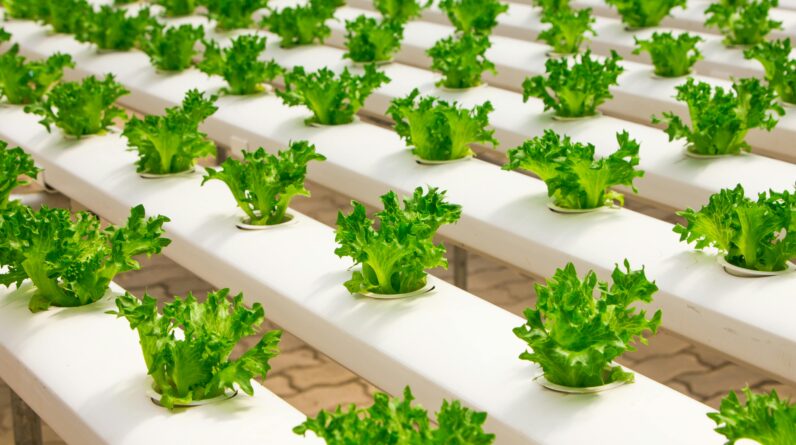
So, you’re curious about hydroponic blueberry farming techniques, huh? Well, you’re in for a treat because this article is going to take you on a journey into the fascinating world of growing blueberries without soil. Picture this: plump, juicy blueberries thriving in sleek, futuristic setups instead of traditional dirt-filled fields. Intrigued? Great! We’ll walk you through the ins and outs of hydroponic blueberry farming, from the unique advantages it offers to the innovative techniques used to achieve exceptional yields. Get ready to have your mind blown and your taste buds tantalized by the future of fruit cultivation.
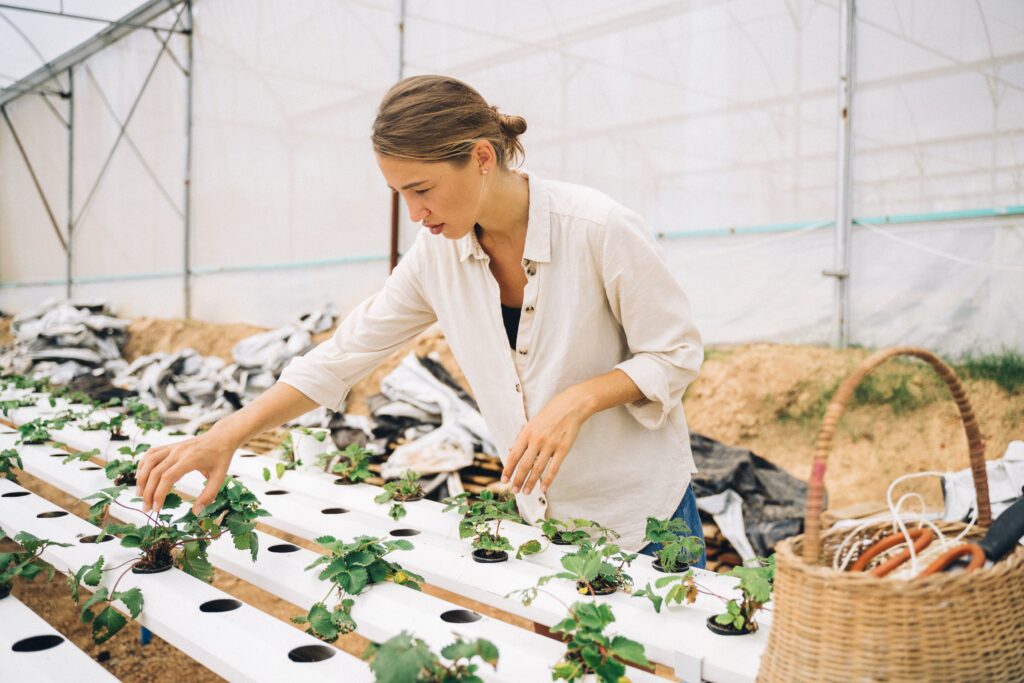
Choosing the Right Blueberry Varieties
Understanding different blueberry varieties
When it comes to choosing the right blueberry varieties for hydroponic farming, it’s important to understand the different options available. There are three main types of blueberries: highbush, lowbush, and rabbiteye. Highbush blueberries are the most common and widely grown, with varieties like ‘Bluecrop’ and ‘Duke’ being popular choices. Lowbush blueberries, on the other hand, are smaller and more compact, making them suitable for smaller hydroponic setups. Rabbiteye blueberries, which are native to the southeastern United States, are known for their heat tolerance and adaptability.
Selecting varieties suitable for hydroponic farming
Not all blueberry varieties are well-suited for hydroponic farming, so it’s important to choose varieties that thrive in this specific growing environment. Look for varieties that have been specifically bred or selected for container or greenhouse cultivation. These varieties are often more compact in growth habit, making them easier to manage in a hydroponic system. Varieties like ‘Sunshine Blue’ and ‘Top Hat’ are highly recommended for hydroponic blueberry farming due to their adaptability and productivity.
Considerations for flavor, ripening time, and disease resistance
Flavor, ripening time, and disease resistance are important factors to consider when choosing blueberry varieties for hydroponic farming. Different varieties offer different flavors, ranging from sweet and tart to mild and fruity. Consider your personal preference and the market demand when selecting varieties. Additionally, it’s important to choose varieties that ripen at different times to ensure a continuous harvest throughout the growing season. Lastly, selecting varieties that are resistant to common diseases like powdery mildew and root rot can help reduce the risk of crop loss and improve overall plant health.
Setting Up the Hydroponic System
Understanding the basic principles of hydroponics
Before setting up a hydroponic system for blueberries, it’s important to understand the basic principles of hydroponics. Hydroponics is the practice of growing plants in a nutrient-rich water solution without soil. Instead, plants are grown in a soilless medium or directly in water. The nutrient solution is carefully formulated to provide all the necessary elements for plant growth, and water is delivered directly to the roots. This allows for better control over nutrient availability and water uptake, resulting in improved plant health and productivity.
Determining the appropriate hydroponic system for blueberries
There are several different types of hydroponic systems to choose from when growing blueberries. The most common systems include deep water culture (DWC), nutrient film technique (NFT), and drip irrigation systems. Each system has its own advantages and considerations, so it’s important to determine which system is most suitable for blueberry cultivation. Deep water culture systems are popular for their simplicity and low cost, while NFT systems are known for their efficient water and nutrient delivery. Drip irrigation systems, on the other hand, allow for precise control over water and nutrient distribution.
Considerations for nutrient delivery and irrigation
When setting up a hydroponic system for blueberries, it’s crucial to consider nutrient delivery and irrigation. Blueberry plants have specific nutrient requirements, so it’s important to ensure that the nutrient solution is properly balanced and delivered in the right quantities. Monitoring the nutrient levels regularly and adjusting accordingly is key to maintaining optimal plant health and growth. Additionally, blueberries have high water requirements, so it’s important to ensure that the irrigation system provides enough water while avoiding waterlogging or drought conditions.
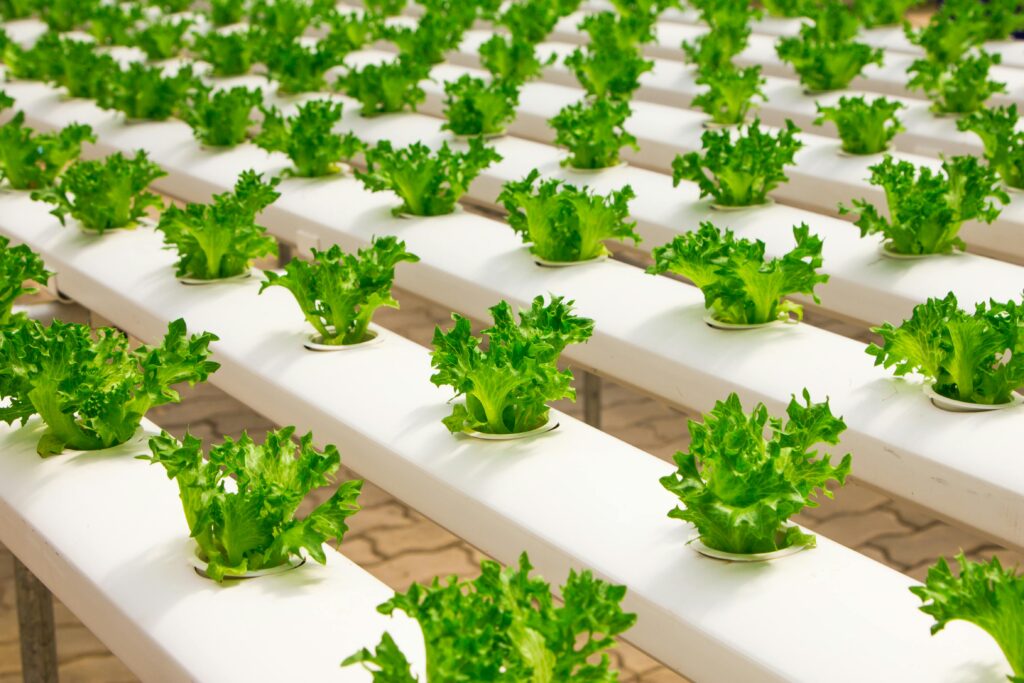
Preparing the Growing Environment
Creating the ideal growing conditions for blueberries
To ensure the success of your hydroponic blueberry farm, it’s essential to create the ideal growing conditions. Blueberries thrive in cool, humid environments with moderate temperatures. Aim for a temperature range of 60-70°F (15-21°C) during the day and slightly cooler at night. Maintaining a relative humidity level of around 50-70% can help mimic the natural growing conditions of blueberries. Providing good air circulation within the growing area is also important to prevent diseases and ensure healthy plant growth.
Optimizing temperature and humidity levels
Keeping the temperature and humidity levels within the optimal range is crucial for blueberry cultivation. Blueberry plants prefer cooler temperatures and are prone to stress and reduced productivity in high heat. Proper ventilation and cooling systems, such as fans and evaporative coolers, can help regulate the temperature within the growing area. Humidity can be controlled by using humidifiers or dehumidifiers, depending on the specific needs of the plants. Monitoring temperature and humidity levels regularly will help you maintain the ideal conditions for your blueberry crop.
Providing appropriate lighting and CO2 levels
In a hydroponic system, blueberry plants rely entirely on artificial lighting for their energy needs. Investing in high-quality grow lights that emit the full spectrum of light necessary for proper plant growth is essential. Blueberries require around 12-16 hours of light per day, so it’s important to provide adequate lighting during the growing season. Additionally, carbon dioxide (CO2) supplementation can help boost plant growth and productivity. CO2 levels between 800-1000 parts per million (ppm) are recommended for blueberry cultivation. Monitoring and adjusting both lighting and CO2 levels will contribute to the overall success of your hydroponic blueberry farm.
Preparing the Nutrient Solution
Understanding the nutritional needs of blueberry plants
Blueberry plants require a balanced nutrient solution to thrive in a hydroponic system. The key nutrients required by blueberries include nitrogen (N), phosphorus (P), potassium (K), calcium (Ca), magnesium (Mg), sulfur (S), iron (Fe), manganese (Mn), zinc (Zn), copper (Cu), and boron (B). It’s crucial to provide these nutrients in the right proportions to avoid deficiencies or excesses that can hinder plant growth. A comprehensive hydroponic nutrient solution designed specifically for blueberries is recommended, as it will provide all the necessary elements for optimal plant nutrition.
Balancing pH and nutrient levels in the hydroponic solution
Maintaining the appropriate pH level is crucial for nutrient absorption and overall plant health. Blueberries prefer slightly acidic soil or nutrient solutions with a pH range of 4.5-5.5. Regularly monitoring the pH level of the nutrient solution and adjusting it as needed using pH adjusters, such as pH up or pH down solutions, is important to ensure proper nutrient uptake. Additionally, testing the nutrient levels, especially the macronutrients like nitrogen, phosphorus, and potassium, is essential to prevent deficiencies or toxicities. Adding the necessary nutrients or adjusting their concentrations accordingly will help maintain optimal plant nutrition.
Using organic and synthetic nutrients effectively
When preparing the nutrient solution for your hydroponic blueberry farm, you have the option to choose between organic and synthetic nutrients. Organic nutrients are derived from natural sources and are typically more sustainable and environmentally friendly. They promote healthy soil and microbial activity, which can benefit overall plant growth. Synthetic nutrients, on the other hand, are chemically formulated and provide precise control over nutrient availability. They are often more concentrated and easier to use in hydroponic systems. The choice between organic and synthetic nutrients depends on personal preference, cost, and environmental considerations.

Starting Blueberry Plants from Seeds
Germinating blueberry seeds
Starting blueberry plants from seeds can be a rewarding and cost-effective way to establish your hydroponic blueberry farm. To germinate blueberry seeds, you can either start them indoors or use a cold stratification process. Indoors, sow the seeds in a seed tray filled with a seed-starting mix, lightly press them into the soil, and cover with a thin layer of vermiculite. Keep the soil consistently moist and place the tray in a warm location with temperatures around 70-75°F (21-24°C). Alternatively, for cold stratification, place the seeds in a damp paper towel inside a plastic bag and refrigerate them for 4-6 weeks before sowing.
Transplanting seedlings into the hydroponic system
Once the blueberry seedlings have developed a strong root system and their first true leaves have emerged, they are ready to be transplanted into the hydroponic system. Choose a suitable growing container or net pot filled with an appropriate soilless growing medium, such as coco coir or rockwool cubes. Gently remove the seedlings from the seed tray and place them in the growing medium, making sure the roots are well-covered and supported. Ensure that the growing medium is moist and that the seedlings receive adequate light, warmth, and humidity to promote healthy growth.
Nurturing and caring for young plants
Young blueberry plants require proper care and attention to ensure their healthy growth and establishment in the hydroponic system. Monitor the moisture levels of the growing medium and water the plants as needed to prevent drying out or waterlogging. Provide adequate light using grow lights and maintain a temperature range of 60-70°F (15-21°C). It’s also important to gradually acclimate the plants to the hydroponic system by transitioning them from a more sheltered nursery environment to the final growing area. Regularly inspect the plants for any signs of nutrient deficiencies, pests, or diseases, and take appropriate measures to address any issues.
Propagating Blueberry Plants from Cuttings
Collecting suitable cuttings for propagation
Propagating blueberry plants from cuttings is another effective method to expand your hydroponic blueberry farm. To collect suitable cuttings, choose healthy, disease-free stems from mature blueberry plants. Select stems that are around 4-6 inches (10-15 cm) long and have a few sets of healthy leaves. Make clean, diagonal cuts just below a leaf node using a sharp, sterilized pruning tool. It’s important to collect multiple cuttings to increase the chances of success during the rooting process.
Creating optimal conditions for root development
After collecting the cuttings, it’s important to create optimal conditions for root development. Dip the cut ends of the stems into a rooting hormone solution to promote root growth. Place the cuttings in a clean, well-draining growing medium, such as perlite or vermiculite, and lightly mist with water to maintain moisture levels. Provide a warm and humid environment by covering the cuttings with a plastic dome or placing them in a humidity dome. Keep the cuttings in a bright location with indirect sunlight and maintain a temperature range of 70-75°F (21-24°C) for successful root development.
Transplanting rooted cuttings into the hydroponic system
Once the cuttings have developed a healthy root system, they are ready to be transplanted into the hydroponic system. Choose a suitable growing container or net pot filled with an appropriate soilless medium and transfer the rooted cuttings into it. Gently remove the cuttings from the rooting medium, being careful not to damage the delicate roots. Place the cuttings in the growing medium, ensuring that the roots are well-covered and supported. Maintain optimal growing conditions in terms of light, temperature, and humidity to encourage the growth and establishment of the newly transplanted blueberry plants.
Managing Nutrient Delivery and Irrigation
Monitoring nutrient solution levels
Regularly monitoring the nutrient solution levels is essential to ensure the proper growth and development of blueberry plants in a hydroponic system. Use a reliable nutrient solution tester or meter to measure the electrical conductivity (EC) and pH of the solution. Aim for an EC level of around 1.6-2.4 mS/cm, which indicates the concentration of nutrients in the solution. The pH level should be within the ideal range of 4.5-5.5 for blueberries. Monitor these levels at least once a week and make adjustments as necessary to maintain optimal nutrient availability for the plants.
Adjusting nutrient concentrations as needed
As blueberry plants grow and consume nutrients, it’s important to make adjustments to the nutrient concentrations in the hydroponic solution. Nutrient deficiencies or excesses can negatively impact plant health and productivity. Regularly analyze the nutrient solution levels and compare them to the recommended nutrient guidelines for blueberries. If deficiencies are detected, increase the concentration of the specific nutrient accordingly in the solution. Conversely, if excesses are observed, dilute the nutrient solution with fresh water to lower the overall nutrient concentration. Periodically flushing the system with clean water can help prevent nutrient imbalances and ensure optimal plant nutrition.
Maintaining proper irrigation frequency and duration
Blueberries have high water requirements, so maintaining proper irrigation frequency and duration is crucial for their growth and productivity. Too much or too little water can cause stress, nutrient imbalances, and reduced plant performance. Ideally, blueberries should receive irrigation multiple times a day for shorter durations to mimic natural rainfall patterns. Aim for irrigation cycles of 5-10 minutes several times throughout the day, keeping in mind the environmental conditions and the water holding capacity of the growing medium. Continuous monitoring of the moisture levels in the root zone will help you determine the appropriate irrigation schedule for your hydroponic blueberry farm.
Controlling Pests and Diseases
Identifying common pests that affect blueberry plants
Like all plants, blueberries are susceptible to pests that can damage or destroy crops. Some common pests that can affect blueberry plants include aphids, spider mites, thrips, and fruit flies. Aphids are small, soft-bodied insects that feed on plant sap, while spider mites are tiny pests that suck sap from leaves. Thrips are small, winged insects that feed on flowers and leaves, and fruit flies are attracted to ripe or overripe fruit. Regularly inspecting the plants for signs of pest infestations, such as curled leaves, discoloration, or distorted growth, will help you identify and take prompt action to control these pests.
Implementing pest control measures in hydroponic systems
Controlling pests in a hydroponic system requires a proactive approach to prevent infestations and minimize damage. Integrated pest management (IPM) techniques can be employed to control pests effectively. This includes practices such as maintaining good sanitation, introducing beneficial insects like ladybugs or predatory mites, and using organic insecticides or insecticidal soaps. Sticky traps can also be placed strategically to catch flying pests. Regularly monitoring the plants for any signs of pests will help you detect problems early and take appropriate measures to control and prevent further damage to your hydroponic blueberry crop.
Preventing or managing diseases through proper sanitation and monitoring
Diseases can pose a significant threat to hydroponic blueberry farming. Common diseases that affect blueberry plants include powdery mildew, root rot, and fungal infections like botrytis. To prevent or manage these diseases, it’s important to practice good sanitation and maintain a clean growing environment. Remove any fallen leaves or diseased plant parts promptly to minimize the spread of pathogens. Proper air circulation within the growing area can also help reduce humidity levels and prevent the development of fungal diseases. Regular monitoring of the plants for any signs of diseases, such as spots, powdery growth, or wilting, will allow for early intervention and effective disease management.
Pruning and Training Blueberry Plants
Understanding the importance of pruning in blueberry cultivation
Pruning plays a vital role in blueberry cultivation as it helps maintain plant health, structure, and productivity. Pruning allows for the removal of dead or diseased branches, improves air circulation, and promotes sun exposure to the lower parts of the plant. It also helps maintain an open and manageable plant structure, making it easier to manage in a hydroponic system. Regular and proper pruning helps rejuvenate the plants, encourages new growth, and ensures a higher yield.
Pruning techniques for optimal plant structure and yield
When pruning blueberry plants, there are specific techniques to follow for optimal plant structure and yield. The first step is to remove any dead, damaged, or diseased branches. Next, selectively thin out older branches to allow for new growth and adequate air circulation. This can be done by cutting back about 1/3 of the oldest stems each year, starting from the second year of growth. Lastly, remove any crossing or overcrowded branches to create an open and well-spaced canopy. This will help ensure that each branch receives adequate light, resulting in better fruit production and overall plant health.
Training methods for supporting plant growth
Training blueberry plants helps support their growth and enhances overall plant health and productivity. The two main training methods for blueberries are the central leader system and the open vase system. The central leader system involves selecting a central main stem and allowing it to grow upright, while pruning side branches to maintain a pyramidal shape. This method is well-suited for taller highbush blueberry varieties. The open vase system, on the other hand, involves removing the central main stem and allowing the side branches to grow in a more open, vase-like shape. This method is suitable for more compact lowbush and rabbiteye blueberry varieties.
Troubleshooting Common Issues
Identifying and addressing nutrient deficiencies
Nutrient deficiencies can occur in hydroponic blueberry farming, which can lead to poor plant health and reduced productivity. Some common nutrient deficiencies in blueberries include nitrogen deficiency, phosphorus deficiency, and iron deficiency. Nitrogen deficiency is characterized by pale yellow leaves, stunted growth, and reduced fruit production. Phosphorus deficiency can cause slower growth, purplish foliage, and reduced flowering. Iron deficiency leads to yellowing of the leaves, especially between the veins. Identifying nutrient deficiencies through visual symptoms and conducting nutrient tests will help you address these issues by adjusting the nutrient concentrations in the hydroponic solution.
Dealing with common hydroponic system malfunctions
In a hydroponic system, various malfunctions can occur that can affect plant health and productivity. These can include issues with the nutrient delivery system, such as clogged or malfunctioning pumps or improperly calibrated nutrient dosers. Problems with irrigation, such as leaking pipes or inconsistent water distribution, can also arise. Additionally, electrical failures or fluctuations in temperature and humidity control systems can impact plant growth. Regularly inspecting and maintaining the hydroponic system, as well as conducting routine checks on all components, will help identify and address any malfunctions promptly.
Resolving plant health issues in blueberry farming
Plant health issues can arise in hydroponic blueberry farming due to various factors, including nutrient imbalances, pest infestations, diseases, and environmental stress. Regular monitoring and observation of the plants are crucial to identify any signs of distress or poor health. Addressing the specific cause of the plant health issue is essential for effective resolution. This can involve adjusting nutrient concentrations, implementing pest control measures, treating diseases with appropriate fungicides or antibiotics, or modifying environmental conditions such as temperature, humidity, or lighting. Consulting with experts or agricultural extension services can provide valuable guidance in troubleshooting and resolving plant health issues.
In conclusion, successfully growing blueberries in a hydroponic system requires careful consideration and implementation of various techniques and practices. Choosing the right blueberry varieties suitable for hydroponic farming, setting up the hydroponic system correctly, preparing the growing environment, and managing nutrient delivery and irrigation are crucial steps. Starting blueberry plants from seeds or propagating them from cuttings, as well as pruning and training them for optimal growth, are important aspects of blueberry cultivation. Additionally, it’s vital to control pests and diseases, troubleshoot common issues, and take proactive measures to ensure plant health and productivity. With proper knowledge, attention to detail, and consistent care, you can enjoy a bountiful harvest of blueberries in your hydroponic farm.


