


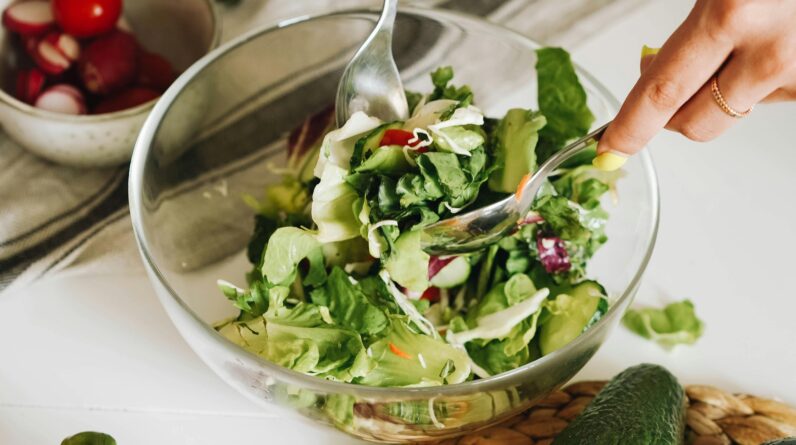
Are you looking for a way to boost your nutrient intake? Look no further than hydroponic microgreens! These tiny leafy plants are not only delicious additions to your meals, but they also pack a powerful nutritional punch. With their concentrated flavors and vibrant colors, hydroponic microgreens have been gaining popularity among health enthusiasts and culinary experts alike. In this article, we will explore the nutritional potential of these miniature greens grown in a hydroponic system, and discover why they are becoming a top choice for those seeking a fresh and nutritious addition to their diet.
Hydroponic Microgreens: Nutrient Powerhouses

What are hydroponic microgreens?
Hydroponic microgreens are a type of small edible greens that are typically harvested when they are in their seedling stage, after the first true leaves have emerged. They are grown without soil, using a hydroponic growing method which involves the use of a nutrient-rich water solution to provide the plants with the necessary nutrients. Unlike traditional farming methods, hydroponics eliminates the need for soil by growing plants in a controlled environment, allowing for efficient and rapid growth.
Why are hydroponic microgreens considered nutrient powerhouses?
Hydroponic microgreens are considered nutrient powerhouses due to their high concentration of vitamins, minerals, and bioactive compounds. These tiny greens are harvested at an early stage of growth, when their nutrient content is at its peak. Studies have shown that hydroponic microgreens can contain up to 40 times the nutrient density of their mature counterparts. Their small size also means that they are easily digestible, allowing the body to absorb the nutrients more readily.
Benefits of hydroponic microgreens
Hydroponic microgreens offer numerous benefits. Firstly, they have a rapid growth cycle, with some varieties ready for harvest within just a few weeks. This allows for a continuous supply of fresh greens throughout the year, regardless of the season. Secondly, hydroponic microgreens are extremely water and space-efficient, making them ideal for urban gardening or small-scale farming. Additionally, since they are grown in a controlled environment, the risk of pests and diseases is minimized, reducing the need for pesticides or herbicides.
Different types of hydroponic microgreens
There are a wide variety of hydroponic microgreens available, each with its own unique flavors and textures. Some popular varieties include basil, broccoli, radish, sunflower, and kale microgreens. Each type offers its own nutritional benefits and can be used in a variety of culinary dishes. For example, basil microgreens add a fresh and aromatic flavor to salads, while radish microgreens provide a peppery kick. The versatility of hydroponic microgreens allows for endless possibilities in the culinary world.

How to grow hydroponic microgreens
Growing hydroponic microgreens is a straightforward process that can be done in your own home. To get started, you will need a hydroponic system, which can range from a simple tray system to a more advanced setup with grow lights and a water circulation system. The growing medium for hydroponic microgreens can be a nutrient-rich material such as coconut coir, grow mats, or even biochar. The seeds should be soaked and germinated before being placed in the growing medium. Proper light exposure, temperature, humidity, watering, and nutrient requirements should be carefully monitored to ensure optimal growth.
Selecting the right seeds for hydroponic microgreens
When selecting seeds for hydroponic microgreens, it is important to choose varieties that are specifically labeled for microgreen production. These seeds are typically untreated and have a high germination rate. Popular seeds for hydroponic microgreens include broccoli, mustard, chia, and amaranth. It is also recommended to choose organic and non-GMO seeds to ensure the highest quality and nutritional value of the microgreens.
Hydroponic systems for growing microgreens
There are several types of hydroponic systems that can be used for growing microgreens. The nutrient film technique (NFT) involves a constant flow of nutrient-rich water along a sloped tray, allowing the roots to absorb the necessary nutrients. Deep water culture (DWC) submerges the roots of the plants in a nutrient solution, providing them with constant access to water and nutrients. Drip irrigation systems deliver a precise amount of nutrient solution to each plant through individual drippers. Aeroponics and misting systems suspend the plants in the air and provide a nutrient mist to the roots. The choice of hydroponic system depends on factors such as space availability, budget, and personal preference.
Nutritional profile of hydroponic microgreens
Hydroponic microgreens are packed with essential vitamins and minerals, often surpassing the nutrient content of their mature counterparts. They are particularly rich in vitamins A, C, and K, as well as minerals such as iron, potassium, and calcium. Additionally, microgreens are known to contain high levels of antioxidants, such as carotenoids and polyphenols, which help protect the body against damage from free radicals. These compounds have been linked to various health benefits, including reducing the risk of chronic diseases.
Harvesting and storing hydroponic microgreens
Hydroponic microgreens can be harvested when they have reached the desired size and the first true leaves have emerged. Using a clean pair of scissors, cut the microgreens just above the growing medium. After harvesting, it is important to rinse the microgreens thoroughly to remove any residual growing medium or debris. They can then be stored in a sealed container in the refrigerator for up to a week. However, it is recommended to consume them as soon as possible to enjoy their maximum freshness and nutrient content.
Incorporating hydroponic microgreens into your diet
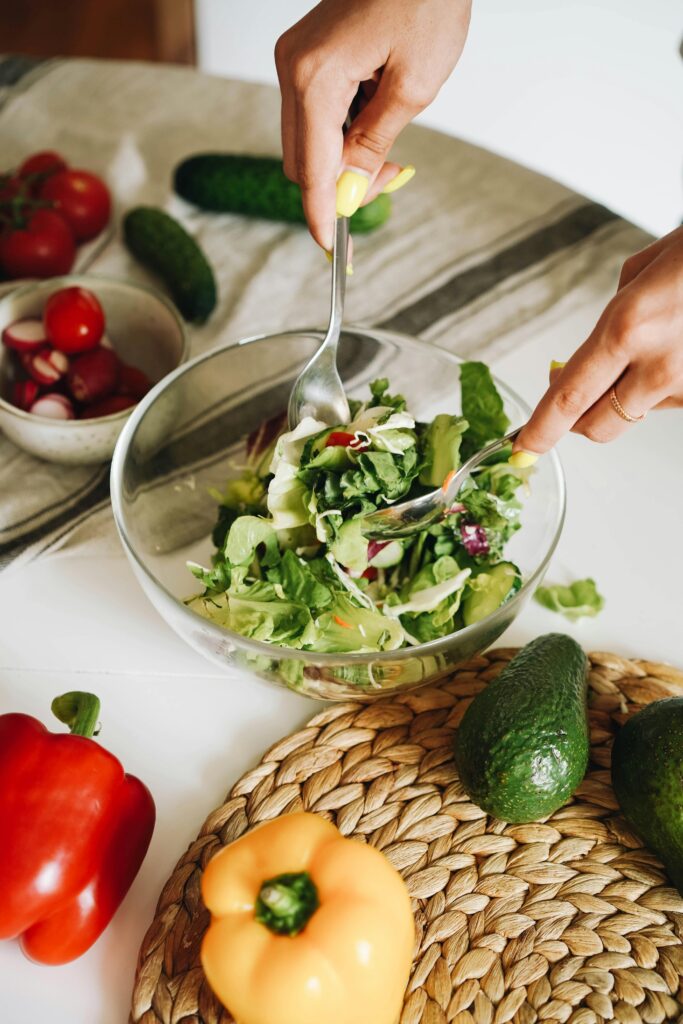
Hydroponic microgreens offer a fresh and vibrant addition to any diet. They can be used as a topping for salads, sandwiches, or soups, adding a burst of flavor and nutritional value. Microgreens can also be blended into smoothies or juiced for a concentrated dose of nutrients. Experiment with different varieties to discover your favorite combinations. It is important to note that while microgreens are nutritious and flavorful, they should not be used as a substitute for a balanced diet but rather as a complement.
Future potential of hydroponic microgreens
As research and innovation in hydroponic farming continue to advance, the future potential of hydroponic microgreens is promising. Hydroponics has the potential to address issues of food security and sustainability by providing a reliable source of fresh produce regardless of climate or location. Additionally, the culinary and agricultural possibilities of hydroponic microgreens are constantly expanding, as chefs and farmers discover new uses and varieties. The future holds exciting opportunities for hydroponic microgreens to play a significant role in our diets and the way we grow food.


