


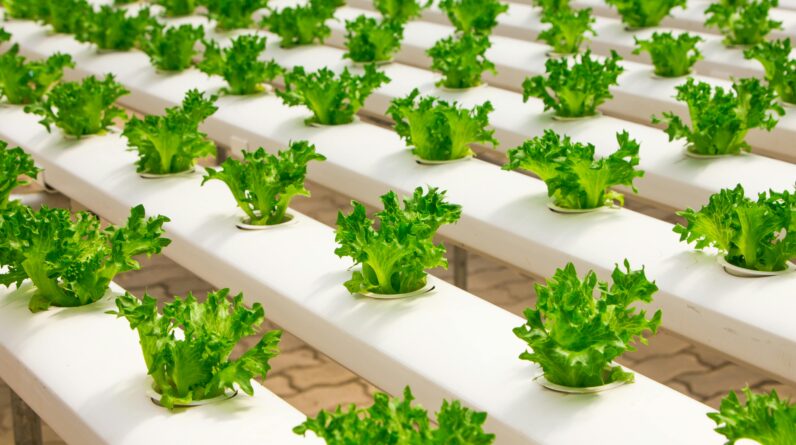
Looking to grow your own fresh and nutrient-rich spinach indoors? Look no further than hydroponic spinach! In this article, we will provide you with a comprehensive guide on how to grow hydroponic spinach, ensuring you have a bountiful supply of this leafy green right at your fingertips. Gone are the days of worrying about seasonality and outdoor gardening constraints, as we explore the benefits, step-by-step instructions, and key nutrients that make hydroponic spinach a top choice for indoor gardening enthusiasts. Get ready to enjoy the satisfaction of harvesting your own vibrant and wholesome spinach, all year round!
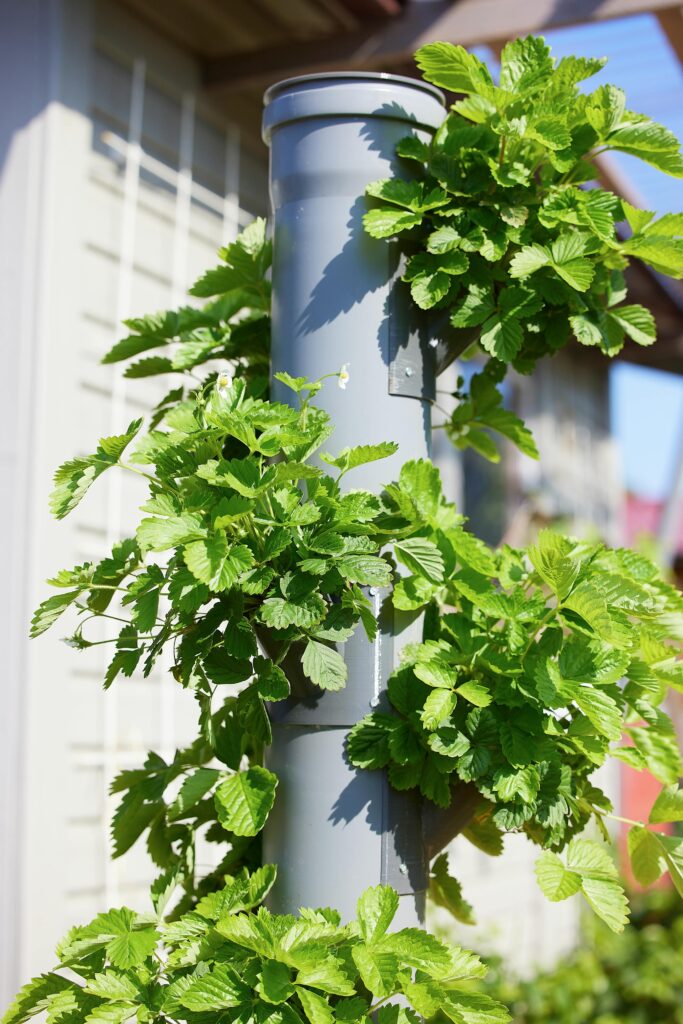
Choosing Hydroponic Spinach
Benefits of growing hydroponic spinach
Hydroponic spinach offers numerous benefits that make it an excellent choice for indoor gardening. One of the primary advantages is its nutrient-rich nature. Spinach is packed with essential vitamins and minerals such as vitamin A, vitamin C, iron, and calcium. Growing spinach hydroponically allows you to maximize its nutrient content and enjoy these health benefits.
Additionally, hydroponic spinach is free from soil-borne diseases and pests, which can often hinder traditional soil gardening. By eliminating the use of soil, you eliminate the risk of contending with these common challenges. This makes hydroponic spinach a cleaner and more reliable option for cultivation.
Furthermore, hydroponic systems provide a controlled environment for growing spinach. You have the ability to regulate factors such as temperature, humidity, and lighting, allowing for optimal growth throughout the year. With hydroponics, you can enjoy a continuous supply of fresh and healthy spinach, regardless of the season.
Considerations before growing hydroponic spinach
Before embarking on your hydroponic spinach journey, there are a few important considerations to keep in mind. First and foremost, you need to assess the available space you have for setting up your indoor garden. Ensure that you have enough room to accommodate the hydroponic system, lighting, and other necessary equipment.
Additionally, you must decide which hydroponic system is most suitable for your needs. There are various types available, including deep-water culture, nutrient film technique, and ebb and flow systems. Each has its own advantages and requirements, so carefully analyze your options to make an informed decision.
Finally, you should also consider the time and effort required to maintain your hydroponic spinach garden. While hydroponics can simplify certain aspects of gardening, it still requires regular monitoring, adjusting nutrient levels, and addressing any potential issues that may arise. Make sure you have the commitment and dedication necessary to care for your plants effectively.
Selecting the right spinach variety for hydroponics
When it comes to choosing the right spinach variety for your hydroponic system, there are a few considerations to keep in mind. One important factor is the growth habit of the spinach variety. Some varieties are more compact and bushy, while others are more vining. Consider the available space in your hydroponic system and choose a variety that suits your setup.
You should also consider the yield potential of the spinach variety. Different varieties may have varying productivity levels, so if you have limited space, you may want to select a variety that offers higher yields per plant.
Lastly, pay attention to the flavor and texture of the spinach variety. Depending on your personal preferences and intended use, you may prefer a variety with a sweeter taste or a more tender texture. Conduct research, read reviews, and even consider experimenting with different varieties to find the perfect match for your hydroponic setup.
Setting Up Your Indoor Garden
Selecting a suitable location
Choosing the right location for your indoor hydroponic garden is crucial to ensure the success of your spinach plants. Ideally, you should find a space that receives adequate natural light or can accommodate artificial lighting systems. Consider placing your garden near a window that receives sunlight for at least six to eight hours a day. Alternatively, you can set up grow lights to provide the necessary illumination.
Additionally, ensure that the location has access to electrical outlets for powering your hydroponic system and lighting. It should also have proper ventilation to promote healthy airflow and prevent the buildup of excess humidity.
Choosing the right hydroponic system
Selecting the appropriate hydroponic system for growing spinach is essential to provide the necessary support and nutrients for your plants. There are various options available, each with its own advantages and considerations.
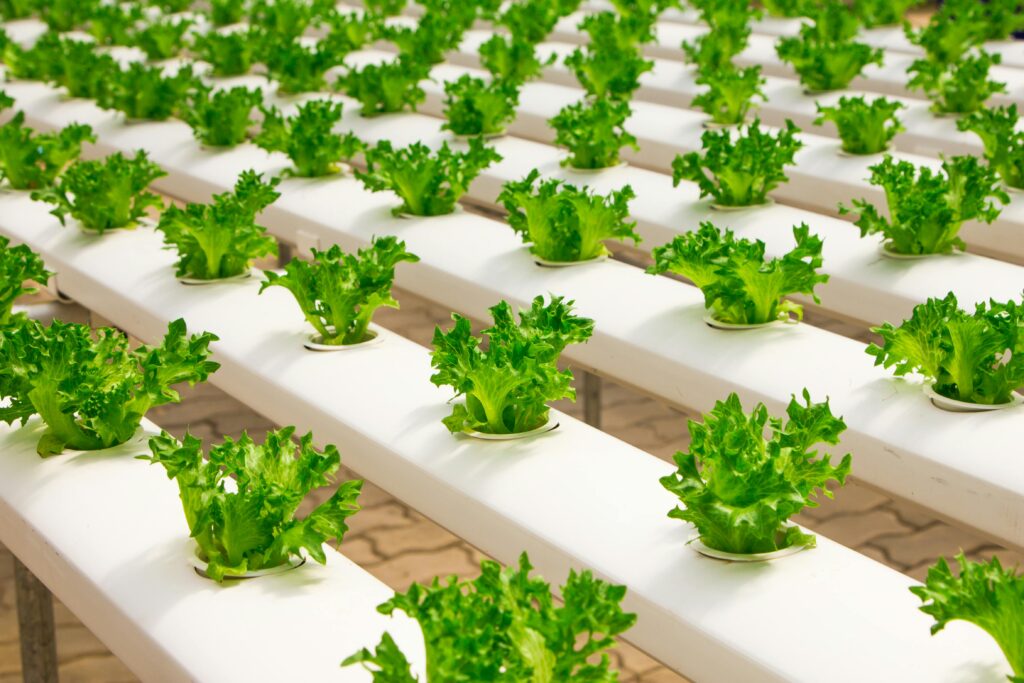
One popular choice is the nutrient film technique (NFT) system, which involves a thin film of nutrient-rich solution flowing over the plant roots. This system allows for efficient nutrient uptake and oxygenation, promoting healthy growth. Another option is the deep-water culture (DWC) system, where the plant roots are suspended in a nutrient solution. It is relatively easy to set up and maintain, making it suitable for beginners.
Ebb and flow systems, aeroponics, and vertical systems are also worth considering, depending on your available space, budget, and personal preferences. Research each system thoroughly, considering factors such as cost, complexity, and maintenance requirements, to make an informed decision.
Setting up the lighting system
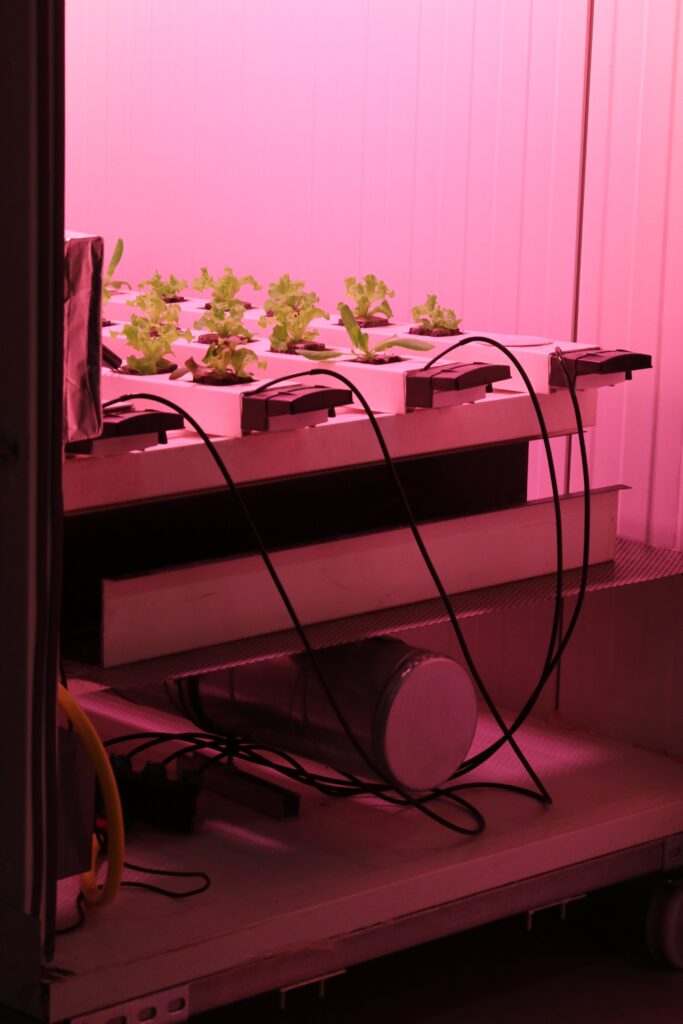
Proper lighting is crucial for the successful growth of hydroponic spinach, as it plays a vital role in photosynthesis. If you don’t have access to sufficient natural light, you will need to invest in grow lights. LED lights are commonly used in hydroponic setups due to their energy efficiency and ability to emit the specific wavelengths necessary for plant growth.
When setting up the lighting system, ensure that the lights are positioned at an appropriate distance from the plants to avoid scorching or insufficient light exposure. The recommended distance and duration of light exposure may vary depending on the specific light source and the growth stage of your spinach plants. Refer to the manufacturer’s instructions or consult with experts in hydroponic gardening for guidance.
Temperature and humidity control
Maintaining optimal temperature and humidity levels is essential for the healthy growth of your hydroponic spinach. The ideal temperature range for spinach cultivation is between 60°F and 75°F (15°C and 24°C). Avoid exposing your plants to extreme temperature fluctuations, as this can stress them and hinder their growth.
Humidity control is equally important. Spinach prefers a humidity level between 40% and 60%. Excessive humidity can promote the growth of fungi and other pathogens, while low humidity can cause water stress in the plants. Use a hygrometer to monitor humidity levels in your growing area and make adjustments as necessary. Proper ventilation and airflow can also help regulate humidity and prevent the buildup of excess moisture.
Preparing the Hydroponic System
Cleaning and sterilizing the equipment
Before setting up your hydroponic system, it is crucial to clean and sterilize all the equipment to minimize the risk of pests, diseases, and algae growth. Thoroughly wash the containers, grow trays, baskets, and any other items that will come into contact with the plants or nutrient solution.
You can use a mild detergent or a mixture of water and hydrogen peroxide for cleaning. Ensure that all surfaces are properly scrubbed and rinsed to remove any residues. Afterward, sanitize the equipment by soaking them in a disinfectant solution or by using a commercial sterilizing agent specifically designed for hydroponic systems.
Regular cleaning and maintenance of the equipment throughout the growing season will help prevent the buildup of algae, bacteria, and other potential pathogens.
Choosing the growing medium
The choice of a suitable growing medium is crucial for the healthy development of your hydroponic spinach plants. The growing medium provides physical support for the roots and allows for proper airflow, nutrient absorption, and water retention.
Commonly used growing mediums for hydroponic spinach include rockwool, coco coir, perlite, and vermiculite. Each medium has its own characteristics, such as water-holding capacity and pH stability. Consider the specific requirements of spinach when choosing a medium and ensure it is compatible with your chosen hydroponic system.
Before implementing the growing medium, rinse and soak it to remove any dust or impurities. This will help create a clean and healthy environment for your spinach plants.
Preparing the nutrient solution
Creating a properly balanced nutrient solution is crucial for the successful growth of hydroponic spinach. The nutrient solution provides essential minerals and elements that the plants require for healthy development.
You can purchase pre-formulated hydroponic nutrient solutions or create your own using individual nutrient components. The essential elements needed by spinach include nitrogen, phosphorus, potassium, calcium, magnesium, and various micronutrients. Follow the recommended dosages and proportions provided by the nutrient manufacturer or consult a hydroponic expert for guidance.
Ensure that you measure and mix the nutrient solution accurately, as both insufficient and excessive nutrient levels can be detrimental to your plants’ health. Regularly monitor the nutrient solution’s pH and electrical conductivity (EC) levels to ensure they are within the appropriate range for spinach cultivation.
Adjusting the pH level
Maintaining the pH level of the nutrient solution within the optimal range is crucial for nutrient absorption and overall plant health. Spinach prefers a slightly acidic pH between 5.5 and 6.5. Regularly monitor and adjust the pH levels of your nutrient solution using a pH meter or testing kit.
To lower the pH, you can use pH down solutions or organic acids such as citric acid. To raise the pH, you can use pH up solutions, potassium hydroxide, or lime. Make incremental adjustments, as rapid and drastic pH changes can shock the plants. Regularly test and adjust the pH to ensure the nutrient solution remains within the appropriate range for optimal spinach growth.
Sourcing High-Quality Seeds
Understanding seed types
When it comes to sourcing seeds for your hydroponic spinach garden, it is essential to understand the different seed types available. There are three main types of spinach seeds: open-pollinated, hybrid, and heirloom.
Open-pollinated seeds are the most traditional option and can be saved and replanted year after year. They are pollinated by natural means, such as wind or insects, allowing for genetic diversity. Hybrid seeds, on the other hand, result from the controlled cross-pollination of two different spinach varieties. They are often specifically bred to exhibit certain desirable traits, such as higher yields or disease resistance.
Heirloom seeds are open-pollinated seeds that have been passed down through generations, often with a rich history and unique characteristics. They are prized for their genetic diversity and preservation of older cultivars.
Consider your specific goals and preferences when choosing between these seed types. If you are interested in maintaining the ability to save and replant seeds, open-pollinated or heirloom varieties may be the best choice. However, if you are looking for specific traits or higher yields, hybrid seeds may be a more suitable option.
Choosing reputable seed suppliers
To ensure the quality and reliability of your spinach seeds, it is essential to choose reputable seed suppliers. Look for suppliers who specialize in hydroponic gardening or offer a wide range of high-quality vegetable seeds. You can check for customer reviews, certifications, and testimonials to evaluate the reputation of different suppliers.
It is also beneficial to consider suppliers who provide detailed information about the seed varieties, including their growth habits, disease resistance, and expected yields. This information can help you make informed decisions and select the best seeds for your hydroponic spinach garden.
Germinating and preparing the seeds
Before planting your spinach seeds in the hydroponic system, you must germinate them to ensure successful growth. There are several methods for germinating spinach seeds, including using seedling trays, paper towels, or pre-germinating in a hydroponic tray.
If using seedling trays, fill them with a suitable germination medium such as rockwool cubes or seed-starting mix. Moisten the medium and place the seeds at a suitable depth according to the package instructions. Keep the trays in a warm area with sufficient light until the seeds germinate and develop into healthy seedlings.
Another commonly used method is germinating the seeds on paper towels. Moisten the paper towel, place the seeds on it, and cover them with another moist towel. Keep the towels in a warm and dark place until the seeds sprout. Once the seeds have germinated, carefully transfer them to your hydroponic system.
Consult the seed package or a gardening guide for specific germination instructions, as different spinach varieties may require slightly different conditions. Be patient and provide the necessary care to ensure a successful germination process.
Planting and Transplanting
Planting the seeds in the hydroponic system
Once your spinach seeds have germinated, it’s time to plant them in your hydroponic system. Carefully transfer the seedlings to your chosen growing medium within the system. Whether using rockwool, coco coir, or another medium, ensure that it is properly moistened and can support the seedlings.
Create small holes or depressions in the medium and gently place the seedlings’ roots into them, making sure they are securely covered. Avoid overcrowding the plants, as this can lead to competition for resources and hinder their growth. Follow the recommended spacing guidelines specific to the spinach variety you are growing.
After planting, provide adequate moisture and ensure the nutrient solution is properly circulated and reaching the roots. Observe the seedlings closely and monitor their progress to ensure they are adapting well to their new environment.
Transplanting seedlings for proper growth
As your spinach seedlings grow, you may need to consider transplanting them to provide them with sufficient space to thrive. Start by carefully removing the seedlings from their current growing medium, taking care not to damage their delicate roots.
Prepare a new container or growing tray with the appropriate growing medium. Create holes or depressions in the medium and transplant the seedlings, making sure to position their roots securely. Take care not to bury the seedlings too deeply, as this can hinder their growth.
Transplanting will allow the spinach plants to have more room for root development and ensure they can access sufficient nutrients and water. Always handle the seedlings gently to minimize stress and ensure their successful transition.
Spacing and thinning the spinach plants
Proper spacing and thinning of spinach plants are important steps in ensuring their healthy development in a hydroponic system. Overcrowding can lead to competition for resources, poor airflow, and increased risk of diseases.
Refer to the recommended spacing guidelines provided for the specific spinach variety you are growing. Generally, mature spinach plants should be spaced approximately 4 to 6 inches apart.
When thinning the seedlings, carefully remove excess plants to achieve the desired spacing. Choose the healthiest and strongest seedlings to keep, ensuring that you maintain proper spacing and a balanced plant population within your hydroponic system. The thinned seedlings can be used in salads or other culinary purposes.
Providing Optimal Growing Conditions
Monitoring and adjusting nutrient levels
Ensuring that your hydroponic spinach plants receive the right balance of nutrients is crucial for their optimal growth and development. Regularly monitor the nutrient levels in your system using an electrical conductivity (EC) meter or a nutrient monitoring kit.
Maintain the nutrient solution within the recommended range specific to spinach cultivation. Too little or too much of certain nutrients can lead to deficiencies or toxicities in your plants. Adjust the nutrient solution accordingly, following the instructions provided by the nutrient manufacturer or seeking advice from hydroponic experts.
Additionally, observe your plants for any signs of nutrient deficiencies, such as yellowing or discolored leaves. If deficiencies are detected, adjust the nutrient solution accordingly to address the specific needs of your spinach plants.
Maintaining suitable light exposure
Light is an essential component for the growth and development of hydroponic spinach plants. Whether using natural sunlight or artificial grow lights, ensure that your plants receive the appropriate light exposure.
If relying on natural sunlight, place your hydroponic system near a window that receives at least six to eight hours of direct or indirect sunlight per day. Rotate your plants regularly to ensure even exposure on all sides to avoid uneven growth or stretching.
If using artificial grow lights, position them at an appropriate distance from your plants to provide sufficient light intensity. The recommended distance will depend on the specific type of grow light and the growth stage of your spinach plants. Consult the manufacturer’s instructions or seek expert advice to determine the optimal lighting setup for your hydroponic system.
Controlling temperature and humidity
Maintaining proper temperature and humidity levels is crucial for the overall health and growth of hydroponic spinach plants. Monitor the temperature in your growing area and ensure it remains within the optimal range of 60°F to 75°F (15°C to 24°C).
To regulate temperature, consider using fans or ventilation systems to promote proper airflow and prevent heat buildup. You may also need to adjust the lighting system or use shading techniques to control excessive heat if necessary.
Humidity control is equally important. Aim for a humidity level between 40% and 60% to prevent the growth of fungi and promote healthy plant growth. Proper ventilation and airflow within your growing area can help regulate humidity levels and prevent excess moisture buildup, reducing the risk of fungal diseases.
Maintaining proper airflow
Proper airflow is essential in a hydroponic system to promote healthy growth, prevent the buildup of humidity, and reduce the risk of pests and diseases. Stagnant air can create favorable conditions for molds, fungi, and pests, leading to plant stress or even crop loss.
Ensure that your indoor garden has adequate ventilation to allow fresh air exchange. Consider using fans or installing an exhaust system to create a gentle airflow throughout the growing area. Proper air circulation not only helps maintain humidity levels but also ensures that carbon dioxide is efficiently delivered to the plants, promoting photosynthesis and robust growth.
Regularly check and clean any air vents or filters to prevent clogs and maintain optimal airflow. Avoid overcrowding your hydroponic system, as this can inhibit air movement and increase the risk of disease and pest infestation.
Irrigation and Watering
Choosing the right irrigation system
Proper irrigation is essential for supplying your hydroponic spinach with the necessary water and nutrients. There are several irrigation systems suitable for hydroponic gardening, such as drip irrigation, nutrient film technique (NFT), and ebb and flow systems.
Drip irrigation is a popular choice, as it allows for precise control over water delivery. This system utilizes tubing with emitters that release water directly to the plant roots. The nutrient film technique involves a thin film of nutrient solution flowing over the roots, providing continuous hydration.
Ebb and flow systems work by intermittently flooding the growing medium with the nutrient solution and then draining it away. This cyclic flooding and draining action ensure the roots receive both water and oxygen, promoting healthy growth.
Choose an irrigation system that suits your specific hydroponic setup, available resources, and personal preferences. Follow the manufacturer’s instructions when setting up and using the system to ensure efficient water delivery to your spinach plants.
Monitoring water pH and EC levels
Regular monitoring of water pH and electrical conductivity (EC) levels is vital for maintaining a healthy hydroponic spinach garden. pH levels affect nutrient availability, while EC levels indicate the concentration of dissolved solids, including essential nutrients, in the water.
Use a pH meter and EC meter to measure these levels in your hydroponic system. The recommended pH range for spinach is between 5.5 and 6.5. If the pH deviates from this range, adjust it accordingly by adding pH up or pH down solutions.
EC levels vary depending on the specific growth stage of your spinach plants. Consult a nutrient chart or expert guidance to determine the appropriate EC levels for your hydroponic system. Adjust the nutrient solution’s concentration accordingly if the EC levels are too high or too low.
Regular monitoring and adjustment of these levels will help ensure that your spinach plants receive the optimal nutrients and avoid any potential imbalances or deficiencies.
Watering frequency and duration
Determining the proper watering frequency and duration for your hydroponic spinach plants can be challenging, as it depends on various factors such as the specific hydroponic system, environmental conditions, and plant growth stage.
As a general guideline, spinach plants require regular watering to maintain adequate moisture levels in the growing medium. Avoid overwatering, as this can lead to waterlogged roots and oxygen depletion. Ensure that the growing medium remains evenly moist without becoming excessively saturated.
Monitor the moisture levels by observing the appearance and weight of the growing medium. If it feels dry to the touch, it may be time to water. Additionally, monitor the plant’s overall health and response to watering, as certain signs such as wilting or stunted growth may indicate insufficient water supply.
Finding the optimum watering schedule may require some experimentation and adjustments. Keep a record of your watering activities and observe the plants’ responses to fine-tune your irrigation practices for optimal growth.
Pest and Disease Management
Identifying common pests and diseases
Despite the controlled environment of hydroponic gardening, pests and diseases can still pose a threat to your spinach plants. Common pests that affect spinach include aphids, spider mites, whiteflies, and thrips. These pests can damage foliage, stunt growth, and reduce overall plant health.
Diseases that can affect hydroponic spinach include fungal infections such as powdery mildew and damping-off, as well as bacterial infections like bacterial leaf spot. These diseases often thrive in conditions with high humidity or inadequate airflow.
Regularly inspect your plants for signs of pest infestation or disease symptoms. Look for chewed leaves, stippling, yellowing, wilting, or spots on the leaves. If you notice any unusual signs, promptly identify the cause to implement appropriate preventive or control measures.
Preventive measures for hydroponic systems
Preventing pest and disease outbreaks in your hydroponic system is crucial for maintaining plant health and productivity. There are several preventive measures you can take to minimize these risks.
Maintain a clean and sanitized environment by regularly cleaning and sterilizing your equipment. Thoroughly rinse and disinfect any reused containers, trays, or tools to reduce the risk of carrying pathogens. Proper ventilation and airflow will also help prevent the buildup of excess moisture and minimize mold and fungal growth.
Monitor and regulate temperature and humidity levels as mentioned earlier, as this can create an unfavorable environment for pests and diseases. For example, maintaining proper humidity levels and ensuring sufficient airflow can prevent the growth and spread of fungal infections.
Implement a strict quarantine protocol for new plants or growing media introduced into your hydroponic system. Inspect them thoroughly for signs of pests or diseases before incorporating them into your garden. Isolating new plants or materials for a period of time before integrating them with existing plants can help prevent the spread of any potential problems.
Natural and organic pest control methods
In the event of pest infestations, it is preferable to utilize natural and organic pest control methods in your hydroponic garden. This helps maintain the integrity of the system and ensures the produce remains free from harmful residues.
Introduce beneficial insects such as ladybugs, lacewings, or predatory mites to your hydroponic system. These insects can help control aphids, spider mites, and other pests by preying on them.
Neem oil, insecticidal soap, or horticultural oil can be used to eradicate soft-bodied pests like aphids and spider mites. These natural insecticides minimize the impact on the environment and the beneficial organisms in your hydroponic system.
Regularly inspect your plants and remove any affected leaves or infested material to reduce pest populations. Maintaining a clean and well-maintained hydroponic system with proper sanitation practices can help minimize the risk of pests and diseases.
Harvesting and Storage
Determining the right time to harvest
Knowing when to harvest your hydroponic spinach is crucial to ensure optimal flavor, texture, and nutrient content. Spinach can be harvested at different stages, depending on your preferences and intended use.
Baby spinach, which is harvested when the leaves are small and tender, is often used in salads. This stage usually occurs around 25 to 30 days after planting. Alternatively, you can wait for the leaves to mature fully, which can take around 45 to 55 days after planting. Mature spinach leaves are larger and have a more robust flavor.
Observe your plants closely and choose the appropriate stage of harvest based on your taste preferences and culinary needs. Regularly harvest outer leaves to encourage new growth and prolong the productivity of your hydroponic spinach plants.
Harvesting techniques for hydroponic spinach
When harvesting hydroponic spinach, carefully cut the leaves near the base of the plant using clean, sharp scissors or pruning shears. Avoid damaging the crown or stem of the plant, as this can hinder regrowth.
For baby spinach, harvest several leaves from each plant, leaving the inner leaves to grow and develop further. To harvest mature spinach, you can selectively harvest individual leaves or cut the entire plant near the base.
Handle the harvested spinach leaves with care to prevent bruising or damage. Rinse the harvested leaves with clean water to remove any debris or contaminants before consumption or storage.
Proper post-harvest handling
Proper post-harvest handling is essential to maintain the quality and freshness of your hydroponic spinach. After harvesting, promptly cool the leaves to slow down deterioration and preserve their quality.
If possible, immerse the harvested leaves in ice water or place them in a cool environment such as a refrigerator. This will help retain their crispness, color, and nutritional value. Avoid leaving the harvested spinach leaves at room temperature for extended periods, as this can lead to wilting and nutrient loss.
Inspect the harvested leaves for any damaged or spoiled portions and remove them before storing or consuming. Proper handling and storage practices will help prolong the shelf life and maintain the overall quality of your hydroponic spinach.
Storage and shelf-life considerations
Hydroponic spinach has a relatively short shelf life compared to commercially grown spinach. However, with proper storage, you can extend its freshness and usability.
For short-term storage, place the harvested spinach leaves in a plastic bag or airtight container, and refrigerate them at temperatures between 32°F and 40°F (0°C and 4°C). Ensure that the leaves are dry and not compressed, as moisture and compression can accelerate spoilage.
If you want to store spinach for a longer duration, consider blanching and freezing it. Blanching briefly involves placing the spinach leaves in boiling water, followed by rapid cooling in ice water. Pat the leaves dry and individually pack them in airtight containers or freezer bags before freezing. Properly stored frozen spinach can maintain its quality for up to 12 months.
Remember to label the storage containers with the date of freezing to keep track of the spinach’s freshness. Thaw frozen spinach by placing it in the refrigerator or using it directly in cooked dishes without thawing.
Troubleshooting Common Issues
Common problems in hydroponic spinach
Hydroponic spinach may encounter various issues that can hinder its growth and overall health. Some common problems include nutrient deficiencies, nutrient excesses, pH imbalances, and water-related issues.
Pay close attention to your plants and regularly inspect them for any signs of these problems. Yellowing or discolored leaves may indicate nutrient deficiencies, while wilting or stunted growth can result from nutrient excesses or pH imbalances. Algae growth, foul odors, or slimy roots may indicate water-related problems.
Identifying nutrient deficiencies and excesses
Nutrient deficiencies and excesses can significantly impact the growth and development of hydroponic spinach. Common nutrient deficiencies include nitrogen (N), phosphorus (P), potassium (K), calcium (Ca), magnesium (Mg), and micronutrients such as iron (Fe), manganese (Mn), or zinc (Zn). These deficiencies can manifest as yellowing leaves, stunted growth, or poor overall health.
Excess nutrients, on the other hand, can cause toxicity symptoms such as burnt leaf edges, discoloration, or reduced fruit production. Regularly monitor the nutrient solution levels, pH, and EC to identify and address any imbalances.
When identifying nutrient deficiencies or excesses, consult a nutrient deficiency chart or seek expert advice to accurately diagnose the issue. Adjust your nutrient solution accordingly to provide your hydroponic spinach with the appropriate levels of essential elements.
Resolving pH and water-related issues
Maintaining the proper pH level and ensuring appropriate water management are vital for the success of your hydroponic spinach garden.
An imbalanced pH level can affect nutrient availability and plant health. If you notice pH imbalances, promptly adjust the nutrient solution using pH up or pH down solutions to bring it within the recommended range for spinach cultivation.
Water-related issues, such as algae growth, foul odors, or slimy roots, often result from poor sanitation, inadequate airflow, or excessive moisture. Regularly clean and sterilize your equipment to minimize the risk of these problems. Consider improving air circulation and properly managing the water levels and flow rates within your hydroponic system.
Monitor the water quality, including pH and EC levels, and address any issues promptly to ensure your spinach plants have a healthy growing environment.
Addressing pest and disease outbreaks
Pest and disease outbreaks can threaten the health and productivity of your hydroponic spinach. Promptly identify and address these issues to prevent the spread and minimize potential damage.
If you notice signs of pest infestations, such as aphids or spider mites, consider using natural predators or organic insecticides to control their population. Remove any severely affected or infested plants to prevent the spread to healthy plants.
Fungal diseases can be prevented and managed through proper ventilation, humidity control, and sanitation practices. Monitor your plants closely for any signs of fungal infections such as powdery mildew or damping-off. If detected, promptly remove and discard affected plants or utilize organic fungicides to control the spread.
In case of severe or persistent pest or disease outbreaks, seek guidance from hydroponic experts or horticulturists who specialize in indoor gardening. They can provide tailored solutions and strategies to help you address the specific issues in your hydroponic spinach garden.


