


Have you ever wanted to try your hand at growing plants without soil? Well, look no further than the wick system hydroponics, an incredibly simple and efficient method for cultivating plants. This innovative system involves using a wick to draw water and nutrients directly to the roots of the plants, eliminating the need for complicated setups and constant monitoring. Whether you’re a beginner or an experienced gardener, the wick system hydroponics is an excellent choice for growing plants effortlessly.
What is Wick System Hydroponics?
Definition
Wick system hydroponics is a simple and low-cost method of growing plants without soil. It involves using a wick to deliver the nutrient solution from a reservoir to the plant roots. The wick acts as a passive transportation system, allowing the plants to absorb the necessary water and nutrients for growth.
Principle
The principle behind wick system hydroponics is based on capillary action. The wick, typically made of materials like cotton or nylon, draws the nutrient solution up from the reservoir and delivers it to the growing medium where the plant roots can access it. As the plant absorbs the water and nutrients, the solution replenishes through the wick via capillary action.
Advantages
Wick system hydroponics offers several advantages for both experienced and novice gardeners. Firstly, it is incredibly simple to set up and requires minimal maintenance. This makes it an accessible option for those new to hydroponics. Additionally, the wick system is cost-effective as it does not require any electricity or complex equipment. Furthermore, it is a water-efficient method as the wick delivers only the necessary amount of water to the plants, reducing wastage. Lastly, wick system hydroponics is suitable for small spaces, making it a perfect choice for urban gardening or indoor setups.
Components of a Wick System Hydroponics
Reservoir
The reservoir is a container that holds the nutrient solution for the plants. It should be of sufficient size to accommodate the needs of the plants and allow easy access for adding or checking the solution levels. The reservoir can be made of various materials such as plastic or glass, but it should be light-proof to prevent algae growth.
Wick
The wick is the key component of the system that transports the nutrient solution from the reservoir to the growing medium. It can be made of materials like cotton, polyester, or nylon that have good capillary action. The wick should be long enough to reach the bottom of the reservoir and extend into the growing medium.
Growing Medium
The growing medium provides support and aeration for the plant roots in the absence of soil. Common options include perlite, vermiculite, coconut coir, and rockwool. The chosen medium should allow for good drainage and moisture retention to ensure the roots receive the right balance of air and water.
Plant Containers
In a wick system hydroponics setup, plant containers hold the growing medium and provide a space for the plant roots to grow. They can be plastic pots, trays, or even recycled containers with drainage holes. The size of the containers should be appropriate for the specific plant being grown.
Nutrient Solution
The nutrient solution is a balanced mixture of essential minerals and elements needed for plant growth. It is added to the reservoir and transported to the growing medium by the wick. The solution should contain appropriate ratios of macronutrients (nitrogen, phosphorus, and potassium) and micronutrients. It is important to regularly check and adjust the solution to maintain optimal plant health.
Setting Up a Wick System Hydroponics
Selecting a Suitable Container
To set up a wick system hydroponics, start by selecting a container for the reservoir. Ensure that it is large enough to hold an adequate amount of nutrient solution and can be easily accessed for maintenance. It should also be light-proof to prevent algae growth.
Preparing the Wick
Choose a suitable wick material, such as cotton or nylon, and cut it to an appropriate length. The length should be long enough to reach the bottom of the reservoir and extend into the growing medium. Make sure the wick is clean and free from any contaminants.
Creating Drainage Holes
In the plant containers, create drainage holes to prevent waterlogging. The number and size of the holes will depend on the chosen growing medium. Make sure the holes are evenly spaced for proper drainage.
Placing the Wick in the Container
Insert one end of the wick into the drainage hole of the plant container, ensuring it reaches the bottom. Let the other end hang into the reservoir, making sure it stays submerged in the nutrient solution.
Filling the Reservoir
Fill the reservoir with the desired amount of nutrient solution. Take care not to overfill, as this could lead to spillage or excessive saturation of the growing medium.
Adding the Nutrient Solution
Add the nutrient solution to the reservoir, allowing it to saturate the wick. Make sure the solution level is not too high or too low, as this can affect the wicking action. Regularly monitor and adjust the solution to maintain the proper nutrient balance.
Choosing the Growing Medium
Fill the plant containers with the chosen growing medium, ensuring it is evenly distributed. Gently press the medium to create a stable base for the plants. Ensure the medium is moist but not overly saturated.
Planting and Transplanting
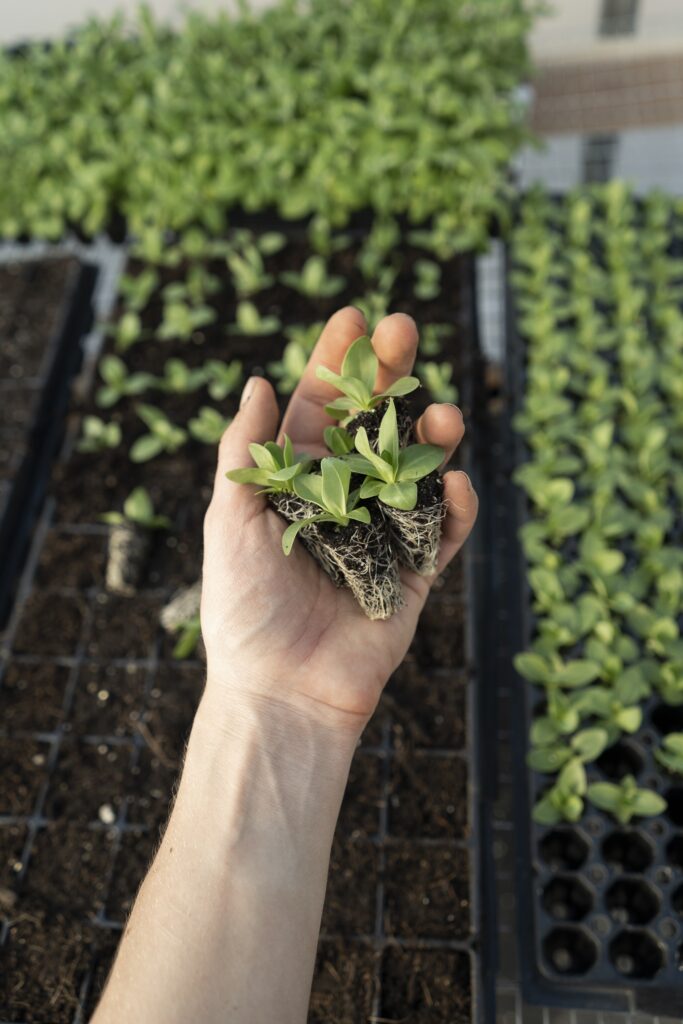
Once the growing medium is ready, plant your desired crops or transplant existing seedlings into the containers. Ensure the roots are properly covered with the growing medium, and the plants are securely positioned.
Maintenance and Care for a Wick System Hydroponics
Checking and Adjusting the Nutrient Solution
Regularly check the nutrient solution in the reservoir to ensure it is at an appropriate level. Adjust the solution as needed by adding water or concentrated nutrients, maintaining the proper nutrient balance for optimal plant growth.
Monitoring Water Level in the Reservoir
Keep an eye on the water level in the reservoir to ensure the wick remains submerged. If the water level drops too low, refill the reservoir to maintain continuous wicking action. It is important to avoid allowing the wick to dry out, as this can result in nutrient deficiencies for the plants.
Maintaining Proper pH Levels
Monitor the pH level of the nutrient solution using a pH meter or test kit. The optimal pH range for most plants is between 5.5 and 6.5. Adjust the pH as necessary using pH up or pH down solutions to maintain a suitable environment for nutrient absorption.
Inspecting and Cleaning the Wick
Regularly inspect the wick for any signs of clogging or contamination. If clogging occurs, gently remove debris or replace the wick if necessary. Cleaning the wick with a mild detergent solution can help remove any buildup over time.
Trimming and Harvesting Plants
As your plants grow, regularly trim and harvest them to promote healthy growth and prevent overcrowding. Prune any dead or diseased leaves and harvest mature fruits or vegetables when they are ready. Regular maintenance will ensure the best results from your wick system hydroponics setup.
Suitable Plants for Wick System Hydroponics
Herbs
Herbs such as basil, parsley, cilantro, and mint thrive in wick system hydroponics. Their compact size and high demand for moisture make them ideal candidates for this method.
Leafy Greens
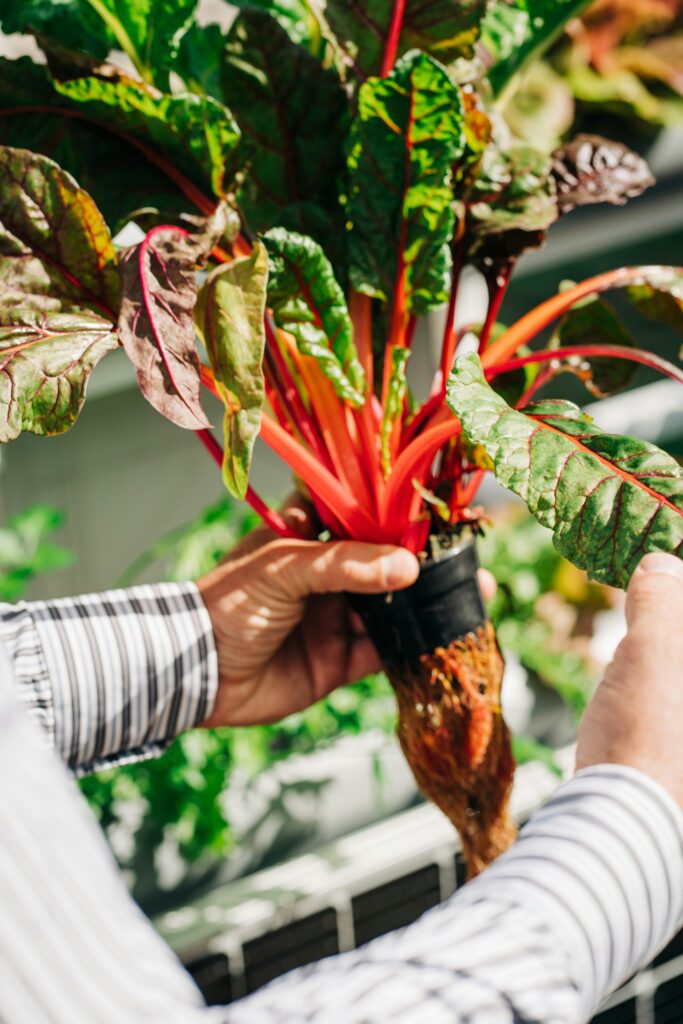
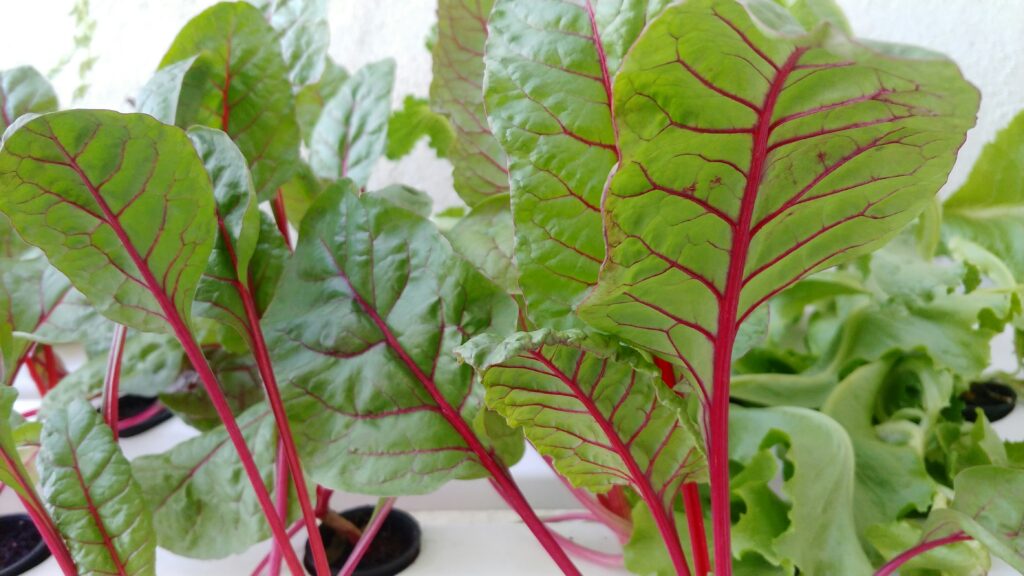
Lettuce, spinach, Swiss chard, and kale are excellent choices for wick system hydroponics. They grow well in moist environments and provide a steady supply of fresh greens.
Tomatoes
Tomatoes can also be successfully grown in wick system hydroponics, provided they receive adequate support and pruning. Determinate varieties, which grow to a defined height, work best in this setup.
Peppers
Peppers, both sweet and hot varieties, can be grown in wick system hydroponics. They require consistent moisture levels and benefit from the controlled environment provided by this method.
Flowers
Certain flower varieties, like marigolds, petunias, and geraniums, can be grown in wick system hydroponics. Their vibrant blooms can add beauty to your garden or indoor space.
Benefits of Wick System Hydroponics
Simplicity and Low Cost
One of the major advantages of wick system hydroponics is its simplicity and low cost. It requires minimal equipment and can be easily set up and maintained by beginners. This accessibility makes it an excellent choice for those looking to experiment with hydroponics on a budget.
Water and Nutrient Efficiency
Wick system hydroponics is known for its efficiency in water and nutrient usage. The wick delivers only the necessary amount of solution to the root zone, preventing excessive wastage. This efficiency makes it an environmentally friendly option that conserves resources.
Reduced Risk of Overwatering
With the wick system, there is a reduced risk of overwatering the plants. The passive wicking action provides a steady supply of moisture to the roots, ensuring they receive what they need without being drowned in excessive water. This helps prevent root rot and other water-related issues.
Suitable for Small Spaces
Wick system hydroponics is ideal for gardeners with limited space. Whether you have a small balcony, a tiny backyard, or even just a countertop, you can set up a wick system without requiring much room. This makes it a great option for urban dwellers or those living in apartments.
No Electricity Required
Unlike other hydroponic systems that rely on pumps or aerators, wick system hydroponics operates without the need for electricity. This makes it a practical choice for areas with limited access to power or for gardeners who prefer a hands-off approach.
Challenges and Limitations of Wick System Hydroponics
Limited Growth Potential
While wick system hydroponics is suitable for smaller plants and compact crops, it may not be the best choice for large or heavy-producing plants. The wicking action may not provide enough nutrients and water to support substantial growth or high yields.
Potential Nutrient Imbalance
Maintaining a proper nutrient balance can be challenging in wick system hydroponics. Since the wick continuously transports the nutrient solution, there is a risk of imbalance if the solution is not properly mixed or adjusted. Regular monitoring and adjustments are essential to prevent nutrient deficiencies or toxicity.
Limited Control over Nutrient Delivery
Unlike other hydroponic systems that allow precise control over nutrient delivery, wick system hydroponics provides a more passive approach. The wick delivers nutrients based on capillary action, which may not provide the same level of control as more complex systems. This can limit the ability to fine-tune nutrient levels for specific plants’ requirements.
Risk of Wick Clogging
Over time, wicks in a hydroponic setup can become clogged with debris, algae, or mineral deposits. This can hinder the wicking action and affect the nutrient delivery to the plants. Regular inspection and cleaning of the wick are necessary to avoid clogging issues.
Not Suitable for Large-Scale Production
Due to its limitations in growth potential and nutrient delivery control, the wick system is not typically used for large-scale commercial production. It is better suited for home gardening, educational projects, or small-scale community gardens.
Tips for Successful Wick System Hydroponics
Choosing the Right Wick Material
Select a wick material that has excellent capillary action and is resistant to degradation. Cotton or nylon wicks are commonly used in wick system hydroponics and provide reliable performance. Avoid using materials that may release harmful substances into the nutrient solution or breakdown over time.
Regularly Monitoring and Adjusting pH
Maintain a regular schedule for testing and adjusting the pH of the nutrient solution. This ensures that the plants can properly absorb the necessary nutrients. Aim for a slightly acidic pH range of 5.5 to 6.5, as this is optimal for nutrient uptake in most plants.
Proper Nutrient Solution Preparation
Follow the recommended guidelines for preparing the nutrient solution. Use high-quality hydroponic nutrients and measure the concentrations accurately. Avoid adding too much or too little, as it can lead to nutrient imbalances or deficiencies.
Maintaining Optimal Temperatures
Keep the growing environment at an optimal temperature range for the plants being grown. Most plants thrive in temperatures between 65°F and 75°F. Monitor the temperature regularly and make adjustments if necessary using heaters, fans, or other climate control methods.
Providing Sufficient Light
Ensure that your plants receive adequate light for photosynthesis. Place them in a well-lit area or supplement with artificial lighting if needed. Different plants have specific light requirements, so consider their needs when selecting the location for your wick system hydroponics setup.
Comparing Wick System Hydroponics with Other Methods
Differences with Nutrient Film Technique (NFT)
Wick system hydroponics differs from nutrient film technique (NFT) in terms of how the nutrient solution is delivered to the plants’ roots. While the wick system relies on passive capillary action, NFT uses a continuously flowing shallow film of solution. NFT offers more precise control over nutrient delivery and is better suited for larger, fast-growing plants.
Differences with Deep Water Culture (DWC)
Deep water culture (DWC) involves suspending plants’ roots in a nutrient-rich solution. Unlike wick system hydroponics, which uses a passive wicking action, DWC relies on air pumps to bubble oxygen into the solution. DWC provides higher oxygen levels, making it suitable for oxygen-loving plants, but it requires more equipment and electricity.
Advantages over Drip Irrigation
Wick system hydroponics offers advantages over drip irrigation, particularly in terms of simplicity and cost. While drip systems require pumps, timers, and tubing, a wick system can be easily set up without electricity or complex equipment. Drip systems provide more precise control over nutrient delivery, but they can be more prone to clogging and require regular maintenance.
Comparing with Aeroponics
Aeroponics is a high-tech hydroponic method where plants’ roots are misted with a nutrient solution. Unlike the wick system, which relies on passive wicking, aeroponics requires pumps or ultrasonic misters to deliver the solution. Aeroponics provides the highest oxygen levels to the roots but requires more technical knowledge and investment in equipment.
Suitability for Home Gardening
Among these different hydroponic methods, the wick system is particularly suitable for home gardening. Its simplicity, low cost, and minimal equipment requirements make it accessible to novice gardeners and those with limited space. The wick system’s ease of use and low maintenance make it an excellent choice for small-scale indoor or balcony setups.
Successful Examples of Wick System Hydroponics
DIY Home setups
Many individuals have successfully implemented wick system hydroponics in their own homes. From repurposing household items as reservoirs to using readily available wick materials, DIY enthusiasts have found creative and cost-effective ways to set up their systems.
Community Gardens
Wick system hydroponics has been embraced by community gardens as a way to grow fresh produce in urban areas. These gardens provide opportunities for community members to come together, learn about sustainable gardening practices, and enjoy the benefits of locally grown food.
School and Educational Projects
In educational settings, wick system hydroponics has become a popular tool for teaching students about plant biology, nutrition, and sustainability. School projects often involve constructing and maintaining a wick system, allowing students to gain hands-on experience and a deeper understanding of hydroponics.
Indoor Kitchen Herb Gardens
Wick system hydroponics is widely used for indoor kitchen herb gardens. Its simplicity and self-watering nature make it an ideal choice for growing fresh herbs right in the kitchen. This allows home cooks to have a readily available supply of flavorful herbs for their culinary creations.
Roof-Top Gardens
Roof-top gardens in urban areas can benefit from the simplicity and space-saving nature of wick system hydroponics. With limited space and access to resources, these gardens can provide a sustainable way to grow plants and contribute to greener cities.
Wick System Hydroponics offers a simple and accessible way to enjoy the benefits of hydroponic gardening. Whether you’re a beginner looking to dip your toes into hydroponics or an experienced gardener seeking a low-maintenance solution, the wick system is worth considering. By understanding its components, setting up the system correctly, and providing proper care, you can successfully grow a variety of plants using this method. With its efficiency, low cost, and suitability for small spaces, wick system hydroponics opens up a world of possibilities for home gardeners, community projects, and educational initiatives.


