


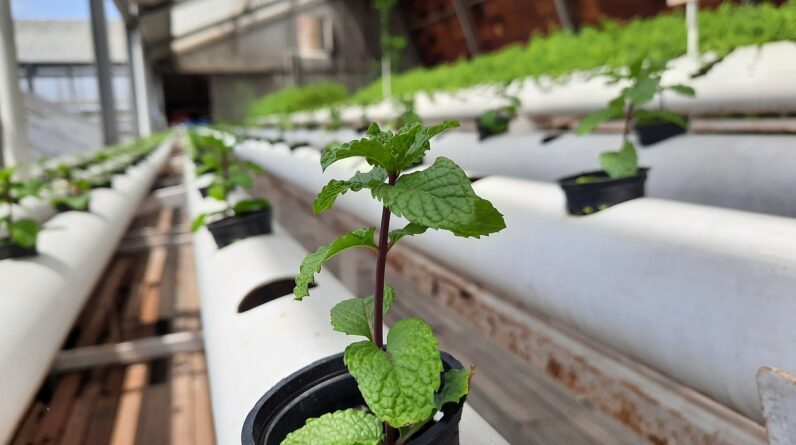
Imagine having a thriving garden filled with fresh, flavorful culinary herbs right in your own chef’s kitchen. With the growing popularity of hydroponics, it’s now possible to cultivate an impressive variety of herbs all year round, regardless of the season. No more relying on store-bought herbs that often lack the vibrant taste you desire. In this article, we will explore the art of growing fresh hydroponic culinary herbs in a chef’s garden and how it can elevate your culinary creations to new heights.
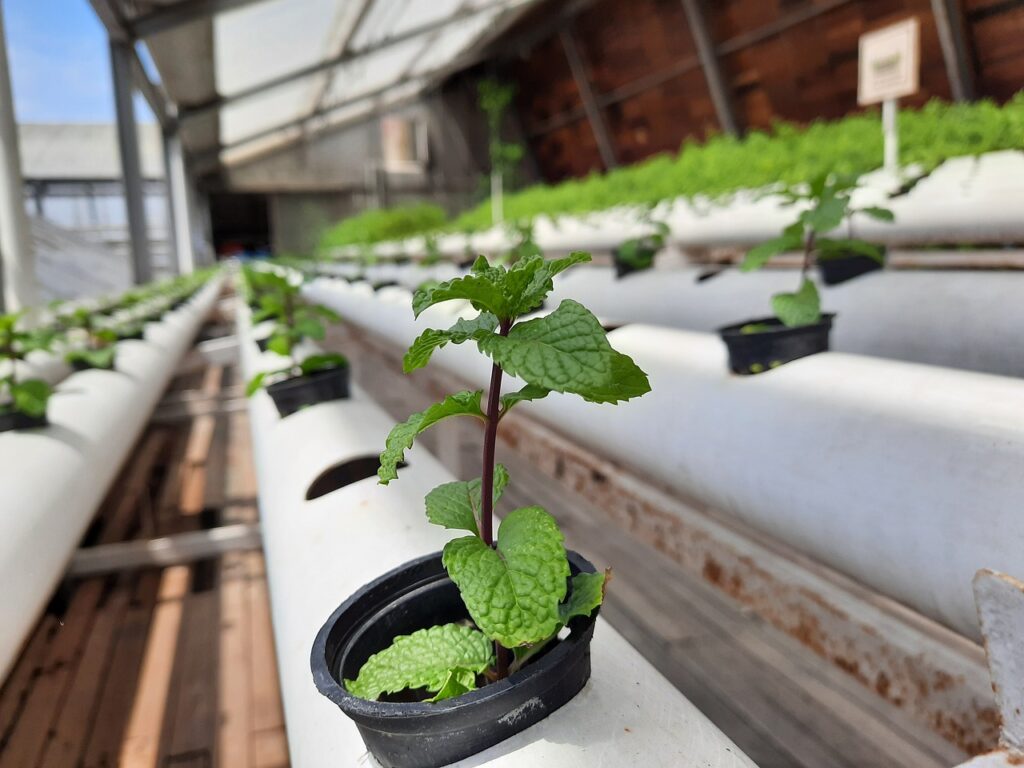
Benefits of Growing Fresh Hydroponic Culinary Herbs
Year-Round Availability
One of the biggest advantages of growing fresh hydroponic culinary herbs is the ability to have a year-round supply. Unlike traditional gardening methods that are limited by seasonality, hydroponic systems allow you to control the growing conditions to ensure optimal growth at any time of the year. This means you can have access to fresh herbs no matter the weather or the season, making it incredibly convenient for culinary enthusiasts.
Optimal Growth Conditions
Hydroponic systems provide the perfect growing conditions for culinary herbs. You have the ability to control factors such as temperature, light, pH levels, and nutrient availability, ensuring that your herbs receive the ideal conditions for growth. This leads to faster and more consistent growth, resulting in healthier and more productive plants.
Higher Yields
Due to the controlled environment in hydroponic systems, culinary herbs grown in this manner often achieve higher yields compared to traditional soil-based gardening. The optimized conditions allow the plants to focus their energy on growth and production rather than searching for nutrients in the soil. With careful monitoring and management, you can maximize the potential of your hydroponic system and enjoy bountiful harvests of fresh herbs.
Improved Flavor and Nutrition
Freshness plays a crucial role in the flavor and nutritional value of culinary herbs. With hydroponic gardening, you can harvest your herbs at their peak freshness, ensuring optimal flavor and nutrient content. The absence of soil also means that there is no risk of soil-borne diseases or contaminants affecting your herbs, resulting in cleaner and healthier produce.
Reduced Water Usage
Another significant benefit of hydroponic gardening is its water efficiency. Hydroponic systems utilize recirculating water, which means that you can significantly reduce water usage compared to traditional gardening methods. The water is delivered directly to the plant roots, minimizing wastage and maximizing absorption. This makes hydroponic gardening an environmentally friendly option that helps conserve water resources.
Space Efficiency
Hydroponic systems are incredibly space-efficient, making them a perfect choice for those with limited gardening space. Whether you have a small backyard, a balcony, or even an indoor area, you can set up a hydroponic system to grow your fresh culinary herbs. Vertical growing systems, in particular, allow you to make the most of your available space by stacking multiple layers of growing trays. The compact nature of hydroponic systems ensures that you can maximize your herb production without needing vast expanses of land.
Choosing the Right Culinary Herbs for Hydroponic Gardening
Popular Culinary Herbs
When selecting which culinary herbs to grow in your hydroponic system, it’s essential to consider popular choices that are frequently used in cooking. Some popular culinary herbs that thrive in hydroponic systems include basil, parsley, cilantro, mint, thyme, rosemary, and oregano. These herbs are versatile in their culinary applications and are commonly used in various cuisines around the world.
Considerations for Hydroponic Growth
Not all herbs flourish equally in hydroponic systems, so it’s crucial to consider their specific growth requirements before selecting which herbs to grow. Factors such as ideal pH levels, temperature range, nutrient preferences, and growth habits should be taken into account. Some herbs may have specific needs, such as a preference for cooler temperatures or a requirement for longer periods of light exposure. Understanding these considerations will help ensure successful growth and optimum yields.
Matching Herbs to Your Culinary Needs
When deciding on the herbs to grow in your hydroponic garden, it’s important to consider your personal culinary preferences and needs. Think about the dishes you frequently cook or the flavors you enjoy the most. This will help guide your selection process and ensure that you have a steady supply of fresh herbs that perfectly complement your favorite recipes. By growing the herbs you use the most, you can elevate the flavors of your dishes and enhance your culinary creations.
Setting Up a Hydroponic System for Culinary Herbs
Selecting the Hydroponic Method
There are several different hydroponic methods to choose from when setting up your culinary herb garden. Some commonly used methods include nutrient film technique (NFT), deep water culture (DWC), drip irrigation, and ebb and flow systems. Each method has its own advantages and considerations, so it’s important to research and select the one that best suits your needs and resources. Factors such as space availability, budget, and level of expertise should be taken into account when deciding on the hydroponic method.
Creating the Growing Environment
Creating the optimal growing environment is crucial for the success of your hydroponic herb garden. This involves setting up a suitable space with proper ventilation, temperature control, and humidity levels. The growing area should be well-insulated and free from direct exposure to extreme temperatures or drafts. Investing in a thermostat or environmental controller can help you maintain the ideal conditions for your herbs and ensure their healthy growth.
Choosing the Right Containers
Selecting the right containers for your hydroponic system is an important consideration. Depending on the specific hydroponic method chosen, you may need trays, buckets, grow bags, or specialized containers designed for the system. The containers should be sturdy, provide sufficient space for the root system to grow, and have proper drainage to avoid waterlogging. Additionally, consider the material of the containers to ensure they are food-safe and will not introduce any harmful substances to your herbs.
Selecting the Growing Medium
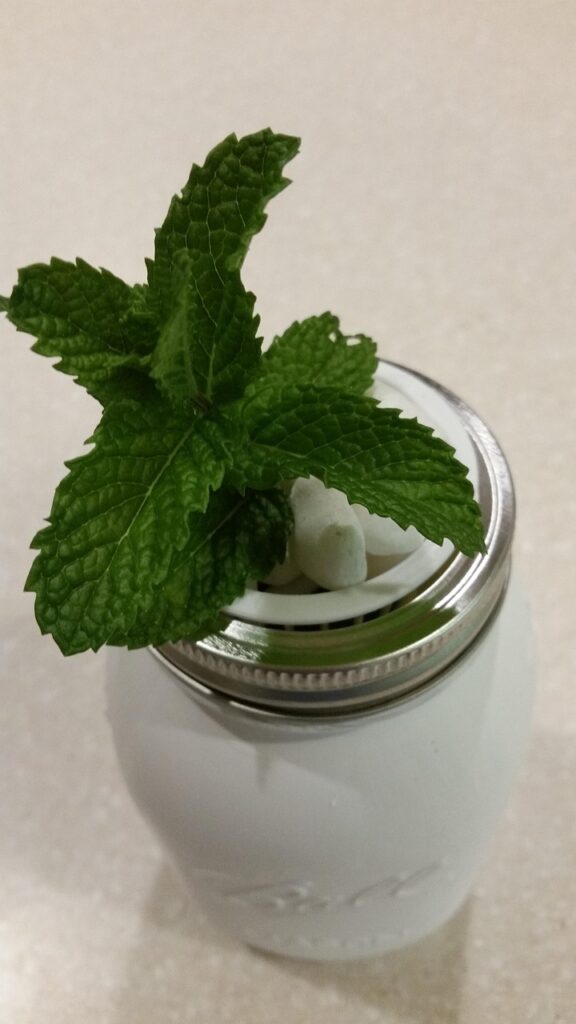
Hydroponic systems rely on growing media to support the plants and provide stability for the roots. Commonly used growing media for culinary herbs in hydroponics include rockwool, perlite, vermiculite, coco coir, and clay pellets. Consider factors such as water retention, aeration, and pH stability when selecting the growing medium. It’s also important to ensure that the growing medium is sterile and free from any contaminants that could affect the health of your herbs.
Providing Adequate Lighting
Light is essential for the growth of plants, and in hydroponic systems, it’s crucial to provide adequate artificial lighting since natural sunlight may be limited. LED grow lights are a popular choice due to their energy efficiency and customizable spectrum. Position the lights at the appropriate distance from the plants to ensure they receive the optimal amount of light. The duration of light exposure should also be carefully managed, typically ranging from 12 to 16 hours per day, depending on the herb’s requirements.
Monitoring and Managing Nutrient Solutions
In hydroponic gardening, nutrient solutions play a vital role in providing essential minerals and nutrients to the plants. Monitoring and managing the nutrient solution is crucial to maintain the health and productivity of your culinary herbs. Regularly test the pH level and nutrient concentration of the solution to ensure they are within the optimal range for your specific herbs. Adjustments may need to be made periodically to maintain balance and avoid deficiencies or imbalances that could hinder growth.
Sourcing and Starting Herb Seeds or Seedlings
Sourcing High-Quality Seeds or Seedlings
When starting your hydroponic herb garden, it’s important to source high-quality seeds or seedlings from reputable suppliers. Look for seeds or seedlings that are specifically labeled as suitable for hydroponic cultivation. It’s advisable to choose organic or non-GMO options to ensure that you’re starting with the healthiest and most natural plants possible. Research local nurseries, online seed banks, or specialty herb suppliers to find a wide variety of herb options for your hydroponic garden.
Starting Seeds in a Hydroponic System
Growing herbs from seeds in a hydroponic system requires some additional steps compared to starting them in soil. Begin by germinating the seeds using a suitable germination method, such as using a humidity dome or germination tray. Once the seeds have sprouted, carefully transfer them to your hydroponic system, ensuring that the roots are gently submerged in the growing medium. Provide proper lighting and adjust the nutrient solution as needed to support the growth of the seedlings.
Transplanting Seedlings into the Hydroponic System
If you prefer to start with seedlings instead of seeds, you can purchase pre-grown herb seedlings and transplant them into your hydroponic system. When transplanting seedlings, handle them with care to avoid damaging the delicate roots. Gently separate the seedlings from their original container or propagation tray, and ensure that the roots are well-covered and supported within the growing medium of your hydroponic system. Monitor their progress closely in the first few days to ensure successful transplantation.
Maintaining Optimal Growing Conditions
Temperature and Humidity
Maintaining the correct temperature and humidity levels is crucial for the health and productivity of your hydroponic culinary herbs. Different herbs have specific temperature requirements, so it’s important to research and understand the ideal temperature range for each herb in your garden. Generally, a temperature range of 60-75°F (15-24°C) is suitable for many culinary herbs. Humidity levels should be kept between 40-60%, with some variation depending on the herb’s natural habitat. Invest in a hygrometer and thermometer to monitor these conditions accurately.
Air Circulation
Proper air circulation is essential in a hydroponic system to prevent the growth of mold, fungus, or other pathogens. Adequate airflow around the plants helps prevent stagnant conditions that can lead to disease. Consider installing fans or ventilation systems to ensure a consistent flow of air within the growing area. This will also help prevent heat buildup and regulate temperature and humidity levels. Regularly moving the foliage gently by hand can also help promote airflow and strengthen the plants.
pH Level Control
Maintaining the correct pH level is critical for nutrient absorption and plant health in hydroponic systems. Different herbs have varying pH preferences, so it’s important to research and adjust the pH level accordingly. Typically, a pH range of 5.8 to 6.5 is suitable for most culinary herbs. Regularly test the pH level of your nutrient solution and make adjustments using pH up or pH down solutions to keep it within the appropriate range. Consistent monitoring and adjustment are essential to avoid nutrient deficiencies or toxicities.
Nutrient Management
Hydroponic systems rely on nutrient solutions to provide the essential minerals and nutrients that culinary herbs need for healthy growth. It’s important to monitor and manage the nutrient levels to ensure the proper balance for optimal plant health. Follow the manufacturer’s instructions for mixing nutrient solutions or consult with a hydroponic expert to create a customized nutrient regime based on the specific needs of your herbs. Regularly test the nutrient solution and make adjustments as needed to avoid deficiencies or imbalances.
Lighting Schedule
Proper lighting is crucial for the growth and development of your hydroponic culinary herbs. Establishing a consistent lighting schedule is important to mimic natural light cycles and promote healthy growth. Most herbs thrive with 12 to 16 hours of light exposure per day, but individual herb requirements may vary. Invest in a timer to automate the lighting schedule and ensure consistent and appropriate light levels. Monitor the herbs closely for any signs of light stress or insufficiency and adjust the lighting schedule if needed.
Pruning and Harvesting Practices
Regular pruning and harvesting practices are important for maintaining the health and productivity of your hydroponic culinary herbs. Pruning helps promote bushier growth and prevents overcrowding, which can lead to increased pest and disease risks. Harvesting should be done when the herbs have reached their full maturity and flavor potential. Use clean, sharp tools to avoid damage to the plants and ensure proper healing. Regular pruning and harvesting also encourage continuous growth and enhance the flavor and quality of your herbs.
Pest and Disease Prevention
As with any garden, hydroponic culinary herb gardens are not immune to pests and diseases. However, the controlled environment of hydroponic systems can help minimize the risks. Regularly inspect your plants for any signs of pest infestations, such as aphids or mites, and take prompt action to address the issue. Implement preventative measures such as using sticky traps, introducing beneficial insects, or practicing proper cleanliness and hygiene in your growing area. Avoid cross-contamination between plants and regularly sanitize equipment and surfaces to prevent disease outbreaks.
Harvesting and Using Fresh Hydroponic Herbs
Determining the Right Time to Harvest
Harvesting your hydroponic culinary herbs at the right time is essential to ensure peak flavor and quality. Each herb has specific indicators that can help you determine when it is ready for harvest. These indicators may include visual cues such as the size or color of the leaves, or olfactory cues such as the aroma of the herb. Research the specific indicators for the herbs you are growing or consult with experienced hydroponic gardeners to refine your harvesting timing.
Harvesting Techniques
When harvesting herbs from your hydroponic garden, it’s important to use proper techniques to minimize damage to the plants and encourage regrowth. Use clean scissors or pruners to make clean cuts just above the node or branching point. Avoid tearing or ripping the leaves or stems, as this can introduce potential points for disease or pest infestations. Harvest only what you need at the time, ensuring that there are enough leaves remaining for the plant to continue growing and producing.
Proper Herb Storage
To maximize the shelf life and freshness of your hydroponic culinary herbs, it’s important to store them properly after harvesting. Most herbs benefit from being stored in a cool and dark place to maintain their flavors and vibrancy. Consider wrapping them in a damp paper towel or storing them in a sealed container in the refrigerator to prolong their freshness. Alternatively, you can freeze your herbs by chopping them into desired portions and storing them in airtight containers or freezer bags.
Ways to Utilize Fresh Hydroponic Herbs in Cooking
The beauty of having a steady supply of fresh hydroponic culinary herbs is the ability to enhance your culinary creations with their flavors and aromas. There are countless ways to utilize fresh herbs in cooking, from adding them to pasta dishes, soups, and salads, to incorporating them into marinades, sauces, and dressings. Experimentation is key to discovering your favorite combinations and finding unique ways to showcase the flavors of your hydroponically-grown herbs.
Troubleshooting Common Issues in Hydroponic Herb Gardens
Nutrient Deficiencies and Imbalances
Nutrient deficiencies or imbalances can occur in hydroponic herb gardens and can manifest in various ways, such as stunted growth, discoloration of leaves, or abnormal leaf shapes. Regularly monitor the nutrient levels and pH of your hydroponic system to identify and address any deficiencies or imbalances promptly. Adjust the nutrient solution according to the specific needs of your herbs and follow a consistent feeding schedule to maintain proper nutrition.
Pest Infestations
Despite the controlled environment of hydroponic systems, pests can still find their way into your herb garden. Common pests in hydroponic setups include aphids, whiteflies, thrips, and spider mites. Implement preventative measures such as regularly inspecting your plants for signs of pests, introducing beneficial insects, or using organic pest control methods. If an infestation does occur, isolate and treat affected plants promptly to prevent the spread of pests to other herbs.
Disease Outbreaks
Diseases can also affect hydroponic herb gardens, although the risk is generally lower compared to traditional soil-based gardens. However, some common diseases such as powdery mildew or root rot can still occur. Prevent disease outbreaks by maintaining proper hygiene in your hydroponic system, such as regularly cleaning equipment and disposing of any infected plant material. If a disease outbreak occurs, isolate and treat affected plants using appropriate organic disease control methods or consult with a plant pathologist for guidance.
Common Growth Problems
From time to time, hydroponic herb gardens may experience growth problems that can hinder the productivity of the plants. Some common growth problems include leggy or elongated growth, wilting, or yellowing of leaves. These issues can often be attributed to improper environmental conditions, such as inadequate lighting, nutrient imbalances, or improper temperature and humidity levels. Regular monitoring and adjustment of the growing conditions can help address these growth problems and restore the health of your herbs.
Expanding the Culinary Herb Collection
Exploring Less Common Culinary Herbs
Once you have mastered growing popular culinary herbs in your hydroponic garden, consider expanding your collection by exploring less common herbs. There is a vast array of herbs with unique flavors and culinary uses that can add excitement to your culinary creations. Some examples of less common culinary herbs that can thrive in hydroponic systems include lemon balm, marjoram, chervil, lovage, and sorrel. Experiment with these lesser-known herbs to broaden your culinary horizons and create truly unique dishes.
Growing Exotic Herbs Hydroponically
Hydroponic systems offer an opportunity to grow exotic herbs that are not commonly available in local grocery stores or markets. Exotic herbs, such as lemongrass, Asian basil varieties, Thai holy basil, or French tarragon, can be grown successfully in hydroponic setups with the right attention to their specific growth requirements. Research the specific needs of these exotic herbs, adjust your hydroponic system accordingly, and enjoy the flavors of different cuisines right in your own home.
Planning and Designing Your Hydroponic Chef’s Garden
Considering Space and Scale
When planning your hydroponic chef’s garden, consider the available space and scale of your gardening area. Assess whether you have ample room for a small indoor setup, a balcony garden, or a larger outdoor garden. Take accurate measurements and consider the layout and arrangement of your chosen hydroponic system, ensuring efficient use of space and ease of access for maintenance tasks. Planning accordingly will help ensure that your culinary herb garden fits well within your gardening space.
Layout and Organization
A well-organized layout is essential for a functional and visually appealing hydroponic chef’s garden. Arrange your growing containers or trays in a way that allows easy access for pruning, harvesting, and maintenance tasks. Consider grouping herbs with similar growth requirements together to optimize the management of environmental conditions. Utilize labels or markers to identify different herbs, making it easier to keep track of their progress and maintain a neatly organized garden.
Companion Planting with Hydroponic Herbs
Companion planting is a gardening technique that involves growing complementary plants together to provide mutual benefits. In a hydroponic chef’s garden, companion planting can be used to maximize space, deter pests, and improve overall garden health. Some suitable companion plants for culinary herbs include marigold, chives, oregano, and basil. Research the specific benefits and preferences of each herb to successfully implement companion planting in your hydroponic system.
Incorporating Vertical Growing Systems
Vertical growing systems are an excellent way to make the most of limited gardening space in a hydroponic chef’s garden. By utilizing vertical structures such as trellises, towers, or hanging baskets, you can grow herbs at different heights, maximizing the available space. Vertical systems also provide better airflow around the plants and minimize shading, ensuring optimal light exposure for all your herbs. Investing in a vertical growing system expands your gardening possibilities, even in confined spaces.
Aesthetics and Decorative Elements
While functionality is important, don’t forget to consider the aesthetics of your hydroponic chef’s garden. Incorporate decorative elements such as decorative pots, colorful containers, or trellises to add visual appeal to your garden. Choose materials and designs that complement the overall style of your indoor or outdoor space. A visually pleasing herb garden can enhance your gardening experience and create a beautiful focal point that seamlessly blends with your existing decor.
Incorporating Hydroponic Culinary Herbs into Professional Kitchens
Advantages for Chefs and Restaurants
Hydroponically grown culinary herbs offer numerous advantages for chefs and restaurants. The year-round availability of fresh herbs ensures a constant supply for chefs, allowing them to incorporate specific flavors and aromas into their dishes at any time. The controlled environment and optimized growing conditions of hydroponic systems also result in consistent quality and improved flavor profiles, which can elevate the overall dining experience for customers. Furthermore, having a hydroponic chef’s garden can be a unique selling point for restaurants, showcasing their dedication to sustainability and fresh, locally sourced ingredients.
Creative Menu Ideas
The use of hydroponically grown culinary herbs can inspire chefs to create innovative and creative dishes. The wide variety of herbs available allows for experimentation and the blending of unique flavors in dishes. Chefs can create herb-infused sauces, herb-based desserts, or even herb-infused cocktails to surprise and delight diners. The freshness and vibrant flavors of the hydroponically grown herbs will enhance the taste and presentation of each dish, making them truly memorable culinary creations.
Educating and Engaging Customers
Having a hydroponic chef’s garden in a professional kitchen provides an opportunity for chefs and restaurants to educate and engage their customers. Chefs can explain the benefits of hydroponic gardening, showcase the different herbs grown in-house, and highlight their usage in various dishes. This interaction can foster a deeper connection between chefs and diners, creating a sense of trust and appreciation for the culinary craft. By sharing the story of the hydroponic garden and its connection to the menu, chefs can enhance the overall dining experience and captivate customers with their passion for fresh, sustainable cuisine.
In conclusion, growing fresh hydroponic culinary herbs in a chef’s garden offers a multitude of benefits. From year-round availability and optimal growth conditions to higher yields and improved flavor, hydroponic gardening provides a convenient and efficient way to have a steady supply of fresh herbs. With careful planning and consideration, you can set up a hydroponic system tailored to your specific herb selection and culinary needs. By maintaining optimal growing conditions, sourcing quality seeds or seedlings, and implementing proper harvesting and storage techniques, you can enjoy the full potential of your hydroponically grown herbs in your cooking. Troubleshooting common issues, expanding your herb collection, and designing your hydroponic chef’s garden with aesthetics in mind can further enhance your gardening experience. Additionally, incorporating hydroponically grown herbs into professional kitchens offers chefs and restaurants unique advantages, including year-round availability, creative menu ideas, and the opportunity to educate and engage customers. Embrace the art of hydroponic gardening and unlock the endless possibilities of fresh, flavorful herbs right at your fingertips.


