


So, you’ve been thinking about growing your own garden but don’t have the space or the time to tend to a traditional soil garden. Well, it’s time to introduce yourself to the fascinating world of DIY hydroponic systems. With these innovative setups, you can cultivate your own thriving garden right in the comfort of your own home, regardless of the size of your living space. In this article, we’ll show you how to build your very own hydroponic system from scratch, allowing you to experience the joys of gardening without the hassle.
Types of Hydroponic Systems
Nutrient Film Technique (NFT)
The Nutrient Film Technique (NFT) is a popular hydroponic system that involves continuously flowing a thin film of nutrient-rich water over the roots of the plants. This system relies on a slightly sloping grow tray or channel where roots are exposed to a thin film of nutrient solution. The excess solution is then collected and recirculated back to the reservoir, ensuring that the roots receive a constant supply of nutrients and oxygen. NFT systems are ideal for growing leafy greens and herbs.
Drip System
A drip system is one of the most common and versatile hydroponic systems used by hobbyists and commercial growers alike. It involves dripping nutrient solution directly onto the base of each plant using drip emitters or tubing. The excess solution is collected and recirculated back to the reservoir for reuse. Drip systems allow for precise control over the delivery of water and nutrients, making them suitable for a wide range of plants.
Deep Water Culture (DWC)
Deep Water Culture (DWC) is a simple yet effective hydroponic system that involves suspending plant roots in a nutrient-rich solution. The plants are placed in net pots or floating rafts, with their roots submerged in the solution and their leaves exposed to the air. Oxygen is supplied through the use of air stones or diffusers, creating an oxygen-rich environment for the roots. DWC systems are particularly well-suited for growing large plants like tomatoes and peppers.
Wick System
The wick system is one of the simplest and most passive forms of hydroponics. It consists of a reservoir of nutrient solution with a wick extending from the solution to the plants. The wick draws up the solution, delivering it to the plants’ roots. This system requires no pumps or electricity, making it low-cost and easy to set up. However, it may not be suitable for larger or high-water-demanding plants.
Aeroponic System
Aeroponic systems are highly efficient and innovative hydroponic setups that mist the roots of the plants with a nutrient solution. The plants are suspended in the air, allowing their roots to be constantly misted and exposed to abundant oxygen. This method promotes rapid growth and can result in higher yields. However, aeroponic systems require precise control over environmental conditions and may be more complex to set up.
Ebb and Flow (Flood and Drain)
The ebb and flow system, also known as flood and drain, involves periodically flooding the grow tray with nutrient solution and then draining it away. This allows the roots to absorb the necessary nutrients and oxygen before the solution is drained back to the reservoir. The flooding and draining cycles are controlled by a timer or a pump. Ebb and flow systems are versatile and can be used to grow a wide variety of plants.
Vertical System
Vertical hydroponic systems maximize growing space by stacking plants in a vertical arrangement. These systems often utilize towers or columns with multiple levels of grow trays, allowing for more plants to be grown in a smaller area. Plants are typically grown in net pots or other suitable containers that are stacked vertically. Vertical systems are ideal for those with limited space or for those looking to maximize their crop yield.
Aquaponics
Aquaponics combines hydroponics with aquaculture, creating a symbiotic relationship between plants and fish. In this system, fish waste provides nutrients for the plants, while the plants’ roots filter and clean the water for the fish. This closed-loop system eliminates the need for separate nutrient solutions, resulting in a sustainable and environmentally friendly method of cultivation.
Kratky Method
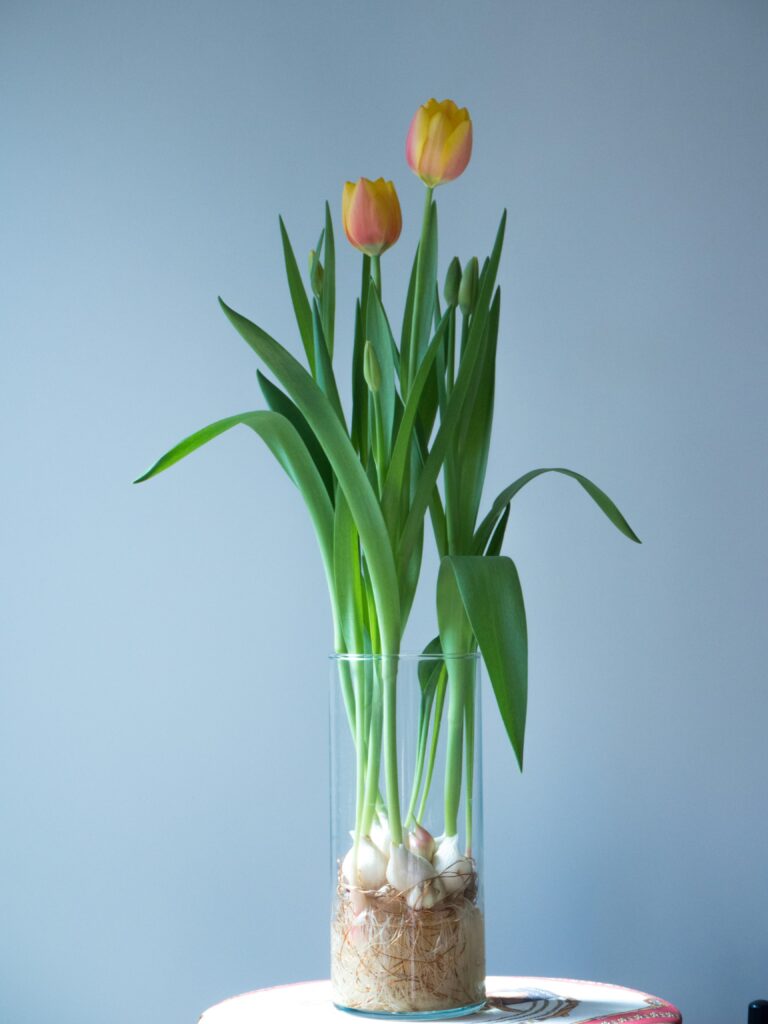
The Kratky method is a passive hydroponic system that requires minimal equipment and maintenance. This system involves growing plants in containers partially filled with nutrient solution. As the plants grow and consume the solution, the roots are exposed to air. This method relies on the plant’s ability to draw up the necessary nutrients from the solution. The Kratky method is a great option for beginners or for those looking for a low-maintenance hydroponic system.
Hybrid Systems
Hybrid hydroponic systems combine various techniques to create customized setups that suit specific needs. These systems can incorporate elements from different hydroponic systems, such as combining deep water culture with a drip system. Hybrid systems offer more flexibility and allow growers to take advantage of the benefits of multiple methods.
Choosing the Right Hydroponic System
Consider available space
Before choosing a hydroponic system, consider the amount of space you have available for your setup. Some systems, such as vertical systems, maximize growing space by utilizing height, while others, like NFT or Kratky, require less horizontal space. Take measurements and consider the layout of your growing area to determine which system will work best for you.
Determine budget
Hydroponic systems can vary significantly in cost, so it’s important to determine your budget before making a decision. Consider not only the initial investment for materials and equipment but also ongoing operating costs such as electricity and nutrient solution. Keep in mind that more complex systems may require additional equipment and may incur higher maintenance costs.
Evaluate plant varieties
Different plants have different requirements when it comes to nutrients, lighting, and space. Consider the types of plants you intend to grow and research which hydroponic systems are best suited for their needs. Leafy greens, herbs, and small fruiting plants tend to thrive in simpler systems like NFT or DWC, while larger fruiting plants may require more substantial setups like a drip system or ebb and flow.
Assess level of involvement
Hydroponic systems require regular monitoring and maintenance. Some systems are more hands-on, requiring daily adjustments to nutrient levels or pH, while others can be more passive and require less attention. Assess your level of involvement and decide if you have the time and dedication to properly maintain a more complex system or if a simpler system would be a better fit.
Consider maintenance requirements
Different hydroponic systems have varying maintenance requirements. Some systems, like a wick system or a Kratky method, require minimal upkeep, making them ideal for beginners or individuals with busy schedules. On the other hand, more sophisticated systems like an aeroponic or NFT system may require more frequent cleaning, nutrient solution monitoring, and calibration of equipment.
Research environmental conditions
Consider the environmental conditions in your growing area, such as temperature, humidity, and lighting. Some plants may require more controlled environments, which can influence your choice of system. Analyze factors such as access to natural light, ventilation, and insulation options to determine which system is best suited for your local climate.
Consider water and nutrient solutions
Hydroponic systems rely on nutrient solutions to provide plants with the necessary elements for growth. Consider the availability and cost of suitable nutrients in your area. Additionally, take into account the water quality in your location, as some systems may be more affected by water impurities than others. Assessing these factors will help you choose a system that aligns with your resources and objectives.

Gathering the Materials
Container or reservoir
Your hydroponic system will require a container or reservoir to hold the nutrient solution. The size of the container will depend on the scale of your setup. Consider using food-grade containers that are compatible with the specific hydroponic system you have chosen.
Grow tray
A grow tray serves as the platform for holding the plants and the nutrient solution. Choose a tray that is compatible with the size and requirements of your hydroponic system. Some systems may require specially designed trays with sloping bottoms for optimal nutrient flow.
Grow medium
The grow medium provides support for the plants’ roots and helps retain moisture and nutrients. Different hydroponic systems may require specific types of grow medium. Common options include rockwool, perlite, vermiculite, coconut coir, or expanded clay pellets. Research which medium is best suited for your chosen system and plants.
Air pump and air stones
Air pumps and air stones are essential for oxygenating the nutrient solution in your hydroponic system. The pump delivers air to the stones, which then release fine bubbles into the solution, ensuring that the roots have access to sufficient oxygen.
Water pump
Some hydroponic systems, such as drip or ebb and flow, require a water pump to circulate the nutrient solution. Choose a pump that is suitable for the size and flow requirements of your system.
Tubing and fittings
Tubing and fittings are used to connect various components of your hydroponic system, such as the water pump, air pump, and reservoir. Ensure that you choose tubing and fittings that are compatible with the specific system you are building.
Timer
A timer is necessary for systems that require periodic flooding or pumping cycles, such as ebb and flow or aeroponic systems. The timer controls the duration and frequency of the cycles, ensuring that your plants receive appropriate watering and nutrients.
Light source
If you do not have access to sufficient natural light, you will need to provide artificial lighting for your plants. LED or fluorescent grow lights are commonly used for indoor hydroponic systems. Choose a light source that provides the appropriate spectrum and intensity for the plants you are growing.
Nutrient solution
The nutrient solution is a crucial element of hydroponic systems, as it provides the necessary elements for plant growth. Purchase a high-quality hydroponic nutrient solution or mix your own using appropriate ratios of macronutrients and micronutrients. The composition of the solution will depend on the plants you are growing and the specific requirements of the hydroponic system.
pH tester
Maintaining proper pH levels is essential for the health and nutrient uptake of plants in hydroponic systems. Use a pH tester to monitor and adjust the pH of your nutrient solution. Choose a reliable pH tester that is suitable for hydroponic applications.
Setting Up the Hydroponic System
Choosing a suitable location
Select a location for your hydroponic system that provides the necessary environmental conditions for plant growth. Consider factors such as access to natural light, temperature, humidity, and ventilation. Ensure that the location is convenient for maintenance tasks and has adequate space for the size of your chosen system.
Preparing the container or reservoir
Clean and sterilize your container or reservoir before filling it with the nutrient solution. Avoid using containers that have previously contained chemicals or contaminants. Rinse the container thoroughly to remove any residues, and sanitize it using a mild bleach solution or hydrogen peroxide.
Setting up the grow tray
Place the grow tray in a stable position within the hydroponic system. Ensure that it is level and securely supported. Some systems may require additional supports or brackets to hold the grow tray in place. Consult the instructions for your specific system to ensure proper installation.
Adding the grow medium
Fill the grow tray with the appropriate grow medium for your chosen hydroponic system. Ensure that the medium is evenly spread and level within the tray. Gently pat down the medium to prevent any air gaps or pockets.
Installing the air pump and air stones
Position the air pump outside the hydroponic system, near the container or reservoir. Attach the tubing to the air pump and connect the air stones to the other end of the tubing. Place the air stones in the grow tray, ensuring that they are evenly spaced and submerged in the nutrient solution.
Connecting the water pump and tubing
If your hydroponic system requires a water pump, position it near the reservoir and attach the appropriate tubing. Connect the tubing to the grow tray, ensuring a secure and watertight connection. Consult the instructions for your specific system to ensure correct assembly.
Setting up the timer
If your system requires a timer for flooding or pumping cycles, set the timer to the desired duration and frequency. Ensure that the timer is properly connected to the water pump and follow the instructions provided with the timer.
Installing the light source
If using artificial lighting, position the grow lights above the grow tray at the appropriate height for the plants you are growing. Ensure that the lights are securely mounted and positioned to provide even coverage to all plants. Adjust the height and positioning of the lights as necessary to maintain proper light intensity for optimal plant growth.
Preparing the nutrient solution
Follow the instructions provided with your chosen nutrient solution to mix the appropriate concentration. Measure the correct ratios of nutrients and add them to the reservoir or container. Stir or shake the solution well to ensure thorough mixing. Test the pH of the solution and adjust as necessary to achieve the desired range.
Testing and adjusting pH levels
Regularly monitor the pH levels of your nutrient solution using a reliable pH tester. The optimal pH range may vary depending on the plants you are growing, but a general range of 5.5 to 6.5 is often suitable for most hydroponic crops. Adjust the pH as necessary by adding pH up or pH down solutions. Aim to maintain a stable pH level to promote healthy plant growth.
Seedling Preparation and Planting
Starting seeds in a seedling tray
Start your seeds in a separate seedling tray or starter pots before transplanting them into the hydroponic system. Fill the trays with a suitable seed starting mix or use seedling cubes made from materials like rockwool or coconut coir. Plant the seeds at the appropriate depth as directed on the seed package. Provide the seeds with the necessary moisture and light for germination.
Transplanting seedlings to hydroponic system
Once the seedlings have developed roots and are well-established, they are ready to be transplanted into the hydroponic system. Gently remove the seedlings from the seedling tray or pots, taking care not to damage the delicate roots. Place each seedling in a net pot or suitable container filled with the chosen grow medium. Ensure that the roots are fully covered and supported by the medium.
Spacing and arrangement of plants
Consider the space requirements of the plants you are growing and arrange them in a way that allows for proper airflow and light distribution. Avoid overcrowding, as this can lead to increased humidity and the spread of diseases. Follow spacing guidelines provided for each plant variety to ensure healthy growth and avoid competition for nutrients.
Supporting the plants
Some plants may require additional support as they grow and develop. Use trellises, stakes, or other support structures to keep plants upright and prevent them from bending or breaking under the weight of their foliage or fruit. Train the plants to grow along the supports as they mature to maximize space and promote proper growth habits.
Ensuring proper airflow and ventilation
Good airflow and ventilation are important for preventing the buildup of excess humidity, which can lead to fungal diseases. Position fans or vents in your growing area to ensure adequate air circulation. This will help to cool the plants, prevent stagnant air, and aid in the exchange of carbon dioxide and oxygen.
Maintaining the Hydroponic System
Monitoring water and nutrient levels
Regularly check the water and nutrient levels in your hydroponic system. Ensure that the reservoir or container is filled with enough nutrient solution to maintain proper root hydration. Monitor the levels and top up the solution as necessary to prevent the roots from drying out.
Adjusting pH levels as necessary
Continuously monitor the pH levels of your nutrient solution using a reliable pH tester. Keep the pH within the desired range for your specific crop. If the pH drifts too high or too low, adjust it using pH up or pH down solutions in small increments until the desired range is achieved. Aim to maintain a stable pH level to prevent nutrient deficiencies or toxicities.
Maintaining cleanliness and sterility
Hydroponic systems depend on a clean and sterile environment to prevent the growth of pathogens and diseases. Regularly clean and sanitize all components of your system, including the grow tray, tubing, and containers. Avoid introducing contaminants from sources such as dirty hands or tools. Properly dispose of any dead plants or debris that may accumulate in the system.
Checking for pests and diseases
Regularly inspect your plants for signs of pests or diseases. Common pests in hydroponic systems include aphids, spider mites, and fungus gnats. Use organic pest control methods or appropriate insecticides to manage pest infestations. If you notice any signs of disease, such as wilting leaves or discoloration, take immediate action by removing affected plants or treating them with suitable fungicides.
Pruning and training plants
As your plants grow, regularly prune or remove any dead or damaged leaves, stems, or fruit to maintain optimal plant health. Pruning also helps promote airflow and prevents overcrowding. Consider training techniques such as pinching or trellising to shape and guide the growth of your plants.
Replacing depleted nutrient solution
Over time, the nutrient solution in your hydroponic system will become depleted as the plants absorb the available nutrients. Monitor the nutrient levels in the solution and replace it with a fresh, properly diluted nutrient solution as necessary. This helps ensure that the plants have access to the necessary nutrients for healthy growth.
Preventing root rot and algae growth
Root rot can occur in hydroponic systems when the roots are constantly submerged in stagnant or oxygen-deprived water. Ensure that the roots have access to sufficient oxygen by maintaining proper air circulation and oxygenation. Monitor the root zone for any signs of rot, such as brown or slimy roots, and remove affected plants immediately.
Algae growth can also be a common issue in hydroponic systems. To prevent algae growth, shield the nutrient solution from direct light by using opaque containers or covering the grow tray. Regularly clean and sanitize any components that come into contact with the nutrient solution to minimize the presence of algae spores.
Managing temperature and humidity
Monitor the temperature and humidity levels in your growing area and make necessary adjustments to maintain optimal growing conditions. High temperatures can cause stress or wilting in plants, while low temperatures can slow growth. Maintain proper airflow, use fans or ventilation systems to control temperature and humidity, and consider supplemental heating or cooling options as needed.
Harvesting and Enjoying the Yield
Determining the right time to harvest
Refer to the specific plant variety you are growing to determine the optimal time for harvesting. Some plants are harvested when they reach a certain size or maturity, while others are harvested on an ongoing basis, such as leafy greens. Monitor your plants regularly and harvest when the fruit is mature or the desired size has been reached.
Harvesting and handling techniques
Use clean, sharp tools such as scissors or pruning shears to harvest your hydroponic crops. Cut the plant or fruit at the appropriate attachment point, taking care not to damage neighboring plants. Handle the harvested produce carefully to avoid bruising or damage.
Preserving and storing the harvested produce
To preserve the quality and freshness of your hydroponic harvest, store the produce properly. Rinse the harvested crops gently to remove any debris or excess moisture. Depending on the crop, store it in a cool, dark place, refrigerate, or consume immediately for optimal taste and nutritional value.
Enjoying the benefits of homegrown hydroponic crops
Reap the rewards of your labor by enjoying the delicious and nutritious fruits, vegetables, and herbs that you have grown using your hydroponic system. Share your bounty with friends and family, experiment with new recipes, and savor the satisfaction of knowing that you have provided yourself with homegrown, pesticide-free produce.
Troubleshooting Common Issues
Nutrient imbalances
If you notice signs of nutrient deficiencies or toxicities in your plants, such as yellowing leaves or stunted growth, test the pH and nutrient levels of your solution. Adjust the pH to the appropriate range and ensure that you are providing the correct ratios of nutrients for your plants. Replenish the solution with fresh nutrient mix as needed.
Pest infestations
Monitor your plants regularly for signs of pest infestations. If you spot pests such as aphids or spider mites, you can try using natural remedies like insecticidal soap or neem oil. For more severe infestations, consider using appropriate chemical insecticides. Remove and discard heavily infested plants to prevent the spread of pests to healthy plants.
Root-related problems
Root rot can occur in hydroponic systems when the roots are constantly submerged in stagnant or oxygen-deprived water. To prevent root rot, ensure that your system provides sufficient oxygenation to the root zone. Remove affected plants immediately to prevent the spread of the rot to neighboring plants.
Algae growth
Algae can be a common problem in hydroponic systems, especially when the nutrient solution is exposed to light. To prevent algae growth, shield the nutrient solution from direct light using opaque containers or coverings. Regularly clean and sanitize any components that come into contact with the nutrient solution to minimize the presence of algae spores.
Temperature and humidity fluctuations
Extreme temperature or humidity fluctuations can stress plants and affect their growth. Monitor the temperature and humidity levels in your growing area and make necessary adjustments to maintain consistent and optimal conditions. Consider using fans, ventilation, or heating/cooling options to regulate temperature and humidity.
pH level inconsistencies
Maintaining stable pH levels is crucial for healthy plant growth. If you notice pH fluctuations in your nutrient solution, consider using a more stable pH buffering system or adjusting the timing and frequency of pH adjustments. It may take some trial and error to find the best method for maintaining a stable pH, but consistency is key.
Expanding Your DIY Hydroponic System
Scaling up the current system
If you find success with your current hydroponic system and have the available space, you may consider scaling up your operation. This could involve adding more grow trays, increasing the capacity of your reservoir, or installing additional lighting and ventilation. Ensure that you have the necessary resources, such as time, budget, and knowledge, to expand your system effectively.
Integrating multiple hydroponic systems
To maximize efficiency and yield, consider integrating multiple hydroponic systems. You can set up multiple systems side by side or connect them for shared nutrient and water solutions. This approach allows for organization and specialization, wherein each system can be dedicated to specific plant varieties or growth stages.
Creating a self-sustaining hydroponic setup
Designing a self-sustaining hydroponic system involves incorporating elements such as fish tanks or worm bins to provide nutrients or compost for the plants. This method, often referred to as aquaponics or vermicomposting, allows for a closed-loop system where plants and animals work together symbiotically. Research the specific requirements and challenges associated with these systems before embarking on this advanced level of hydroponic gardening.
Conclusion
Building your own DIY hydroponic system can be a rewarding and fulfilling experience. By understanding the different types of hydroponic systems available, considering your specific needs and resources, and following proper setup and maintenance practices, you can successfully grow a wide variety of plants in a controlled environment. The satisfaction of harvesting your own homegrown produce, the endless possibilities for experimentation, and the continuous learning journey make DIY hydroponic systems a truly fascinating and fulfilling endeavor. Whether you are a beginner or an experienced gardener, there is always more to explore and discover in the world of hydroponics. So, set up your own DIY hydroponic garden and enjoy the benefits of homegrown, fresh, and pesticide-free crops!


