


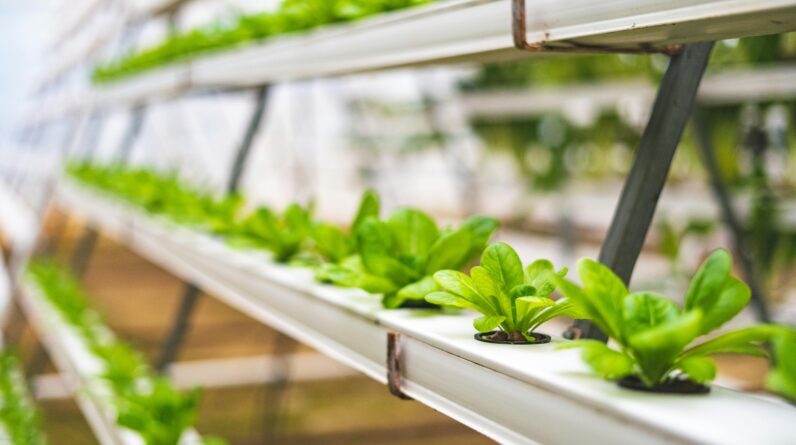
So, you’ve decided to try out hydroponic gardening and now you’re faced with the task of transplanting seedlings into your hydroponic system. Don’t worry, it may sound intimidating at first, but with the right knowledge and a little bit of patience, you’ll be able to successfully transfer your seedlings and watch them thrive in this innovative method of growing plants. In this article, we will walk you through the essential steps and tips for transplanting seedlings in a hydroponic system, ensuring that you have all the information you need to embark on this exciting gardening journey.
Preparing the Transplanting Environment
Choosing the Right Transplanting System
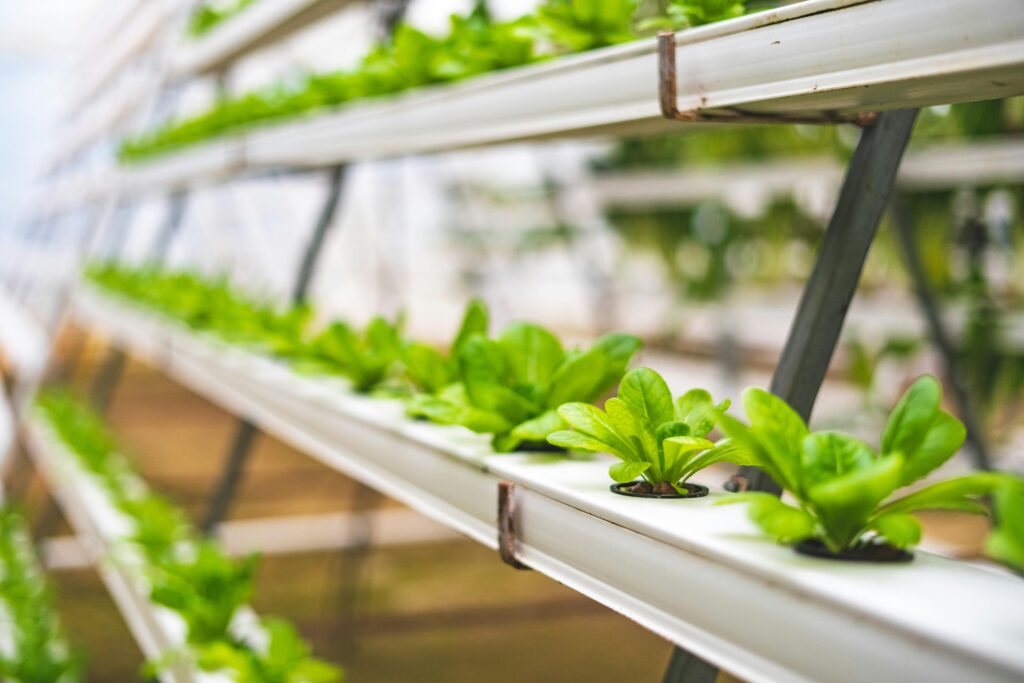
When it comes to transplanting seedlings in a hydroponic system, choosing the right transplanting system is crucial. There are various systems available, such as the nutrient film technique (NFT), deep water culture (DWC), and ebb and flow system, each with its own advantages. Consider factors such as space availability, the number of seedlings to be transplanted, and your overall goals for the hydroponic setup. Selecting the appropriate transplanting system will ensure the seedlings thrive and grow successfully.
Selecting the Ideal Seedlings
The success of transplanting seedlings in a hydroponic system heavily relies on selecting the right seedlings. Look for healthy seedlings that have strong root systems and vibrant leaves. Weak or diseased seedlings should be avoided as they may not adapt well to the new environment. Consider factors like the type of crop you want to grow, the growth stage of the seedlings, and their compatibility with the hydroponic system. By choosing the ideal seedlings, you set a solid foundation for successful transplanting.
Preparing the Transplanting Area
Before transplanting seedlings into your hydroponic system, it’s important to prepare the transplanting area. Clean and disinfect the area to ensure a sterile environment, reducing the risk of disease or pest infestation. Remove any debris or dead plant material that may interfere with the seedlings’ growth. Additionally, make sure the area is properly illuminated and ventilated, providing the optimal conditions for the seedlings to adapt and thrive.
Ensuring Optimal Growing Conditions
To ensure the success of transplanting seedlings, it is essential to create and maintain optimal growing conditions. These conditions include maintaining the appropriate temperature, humidity, and airflow in the transplanting area. A temperature range of 68-78°F (20-26°C) is generally ideal for most hydroponic crops. Humidity levels should be regulated to prevent excess moisture and the growth of harmful fungi. Adequate airflow is necessary to prevent the buildup of heat and to provide fresh oxygen to the seedlings’ roots.
Providing Sufficient Lighting
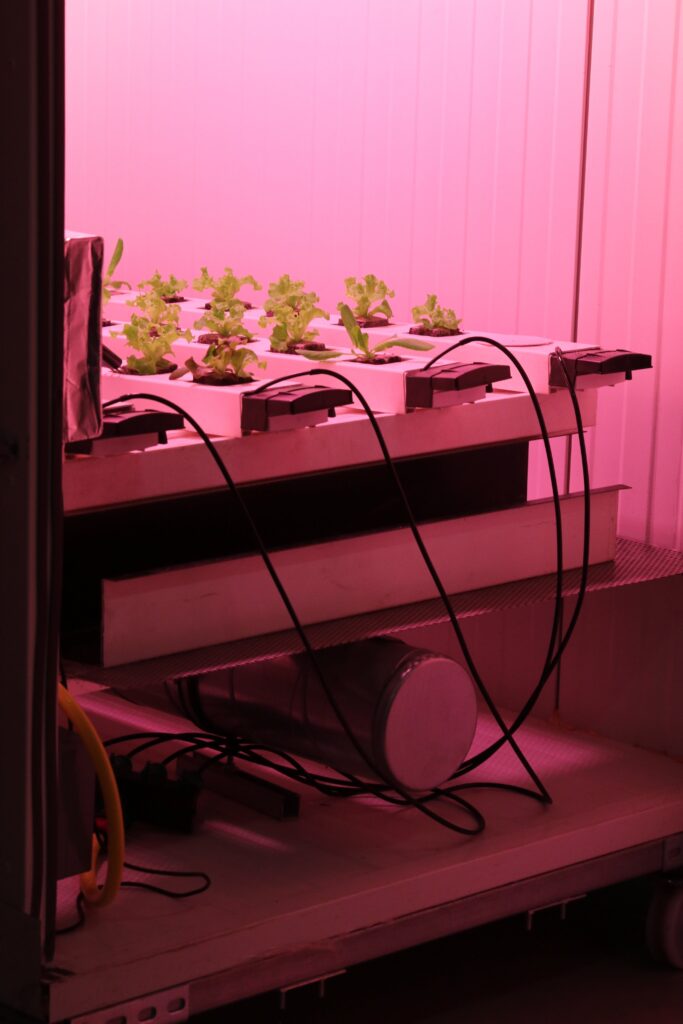
Lighting is a crucial factor in the growth of seedlings. When transplanting seedlings in a hydroponic system, it’s important to provide sufficient lighting to promote healthy growth. LED grow lights are commonly used in hydroponics due to their energy efficiency and ability to provide the spectrum of light required for photosynthesis. Ensure that the lighting system is properly installed and positioned to evenly distribute light to all the seedlings. Regularly monitor and adjust the lighting intensity to meet the specific needs of the seedlings.
Transplanting Techniques
Timing the Transplantation
Timing is key when it comes to transplanting seedlings in a hydroponic system. Seedlings should be transplanted when they have developed a strong root system but are still young and flexible. Waiting too long can lead to root bound seedlings, making it difficult for them to adapt to the new environment. On the other hand, transplanting seedlings too early may result in transplant shock and poor growth. Consider the growth stage and characteristics of the specific crop you are transplanting to determine the optimal timing for transplantation.
Preventing Shock to Seedlings
Transplant shock is a common concern when moving seedlings to a new environment. To prevent shock and ensure successful transplantation, take certain precautions. Gradually acclimate the seedlings to the hydroponic system by exposing them to the new environment for short periods of time before fully transplanting them. This process, known as hardening off, allows the seedlings to adjust to the differences in temperature, humidity, and lighting, minimizing the shock they experience. Additionally, ensure that the seedlings’ roots are protected and undisturbed during the transplanting process.
Preparing Seedlings for Transplantation
Before transplanting the seedlings, it’s important to prepare them for the transition. Gently water the seedlings to ensure their root systems are sufficiently hydrated. This will help them withstand the stress of transplantation. Carefully remove the seedlings from their existing containers, being mindful not to damage the roots or disturb the delicate structure of the plant. If necessary, gently tease out any bound roots to encourage proper growth in the hydroponic system. Once the seedlings are prepared, they are ready to be transferred to the hydroponic system.
Transferring Seedlings to the Hydroponic System
When transferring the seedlings to the hydroponic system, ensure that the roots are properly placed and supported. The method of transferring will depend on the specific type of hydroponic system you are using. In some cases, the seedlings may be placed directly in net pots filled with a growing medium. In other systems, such as NFT or DWC, a neoprene collar or net pot may be used to hold the seedling in place. Take care to ensure that there is good contact between the roots and the nutrient solution, allowing for efficient nutrient uptake.
Maintaining Proper Placement and Support
Once the seedlings are transplanted into the hydroponic system, it is important to maintain proper placement and support. Regularly check the seedlings to ensure they are securely held in place and that the roots are submerged in the nutrient solution, if applicable. If using a growing medium, make sure it remains moist but not overly wet, striking the right balance to support root growth. Adjust the placement and support as needed to ensure the seedlings are receiving optimal conditions for growth.
Managing Transplanted Seedlings
Monitoring Post-Transplantation Adaptation
After transplanting the seedlings into the hydroponic system, closely monitor their adaptation to the new environment. Keep a watchful eye for signs of stress or shock, such as wilting, yellowing leaves, or stunted growth. Regularly check the stems and leaves for any signs of disease or pest infestation. By closely monitoring the seedlings, you can promptly address any issues and ensure they continue to thrive in the hydroponic system.
Adjusting Nutrient Solution
As the seedlings adapt to their new hydroponic environment, it may be necessary to adjust the nutrient solution accordingly. Monitor the nutrient levels in the system, ensuring the seedlings are receiving the necessary minerals and elements for healthy growth. Conduct regular water testing and adjust the nutrient solution as needed to maintain the optimal nutrient balance. This will support the seedlings’ growth and prevent nutrient deficiencies or excesses.
Maintaining Adequate pH Levels
Maintaining proper pH levels is crucial for the health and growth of the transplanted seedlings. Most hydroponic crops thrive in slightly acidic to neutral pH ranges, typically between 5.5 and 6.5. Regularly monitor the pH levels of the nutrient solution and make any necessary adjustments using pH buffers. Fluctuations in pH can inhibit nutrient absorption, leading to nutrient deficiencies or toxicity. By maintaining the appropriate pH levels, you create an optimal environment for the seedlings’ root development and overall growth.
Monitoring Water Levels
Hydroponic systems rely on a carefully maintained water level to provide nutrients to the seedlings’ root systems. Regularly monitor the water level and adjust it as needed to ensure the seedlings are receiving a sufficient supply of nutrient solution. Avoid over-watering, which can lead to root rot and other issues, or under-watering, which can result in nutrient deficiency and stunted growth. Consistently maintaining the appropriate water levels is essential for the success of the transplanted seedlings.
Preventing the Spread of Disease
As with any agricultural system, hydroponics is susceptible to disease outbreaks. To prevent the spread of disease among the transplanted seedlings, practice good hygiene and sanitation. Regularly clean and disinfect the hydroponic system, including the reservoirs, tubing, and any other equipment that comes into contact with the seedlings or nutrient solution. Strictly monitor and control any potential sources of contamination, such as pests or external pathogens. By preventing the spread of disease, you safeguard the health and productivity of the transplanted seedlings.
Caring for Transplanted Seedlings
Fulfilling Nutritional Needs
Nutritional needs play a vital role in the growth and development of transplanted seedlings in a hydroponic system. Ensure that the nutrient solution provided to the seedlings contains the necessary macro and micronutrients in the appropriate ratios. Regularly monitor the nutrient levels and adjust the solution as needed to meet the changing needs of the growing seedlings. Providing a balanced and complete nutrient solution will promote healthy foliage growth, strong root development, and optimal overall plant health.
Providing Sufficient Oxygen Levels
Root health depends on a sufficient oxygen supply in the hydroponic system. Ensure that the seedlings’ root systems have access to adequate oxygen by maintaining proper aeration. Oxygenation techniques, such as using air stones or providing continuous circulation, can help increase dissolved oxygen levels in the nutrient solution. Adequate oxygen levels promote nutrient absorption and prevent the growth of anaerobic bacteria, fostering healthy root growth and overall plant vigor.
Balancing Temperature and Humidity
Temperature and humidity are critical factors that directly impact the growth and success of transplanted seedlings. Maintain a suitable temperature range within the hydroponic system, typically between 68-78°F (20-26°C), to create favorable conditions for growth. Additionally, monitor and regulate humidity levels to prevent excess moisture, which can lead to fungal growth or disease. Maintaining the right balance of temperature and humidity will ensure optimal conditions for the seedlings’ growth and overall health.
Pruning and Trimming Seedlings
Pruning and trimming play an essential role in shaping and managing the growth of transplanted seedlings. Regularly inspect the seedlings for any excess foliage or damaged leaves and trim them accordingly. This promotes better airflow, reduces the risk of diseases, and directs the plant’s energy towards healthy growth. Additionally, prune any overcrowded areas to prevent shading and encourage even growth among the seedlings. By practicing proper pruning and trimming techniques, you maintain the health and vitality of the transplanted seedlings.
Preventing Pests and Diseases
Pests and diseases can pose a threat to the success of transplanted seedlings. Implement appropriate pest management strategies, such as regular scouting, trapping, or the use of biological controls, to prevent infestations. Inspect the seedlings regularly for any signs of pest damage and take immediate action if necessary. Additionally, practice good sanitation by removing any diseased or infected plant material promptly. By proactively preventing pests and diseases, you safeguard the health and productivity of the transplanted seedlings.
Common Issues and Troubleshooting
Root Rot
Root rot is a common issue in hydroponic systems and can impact the health and growth of transplanted seedlings. Prevent root rot by ensuring proper oxygenation, maintaining appropriate water levels, and avoiding over-watering. If root rot occurs, remove the affected seedlings and treat the system with appropriate fungicides. Regularly monitor the system, especially the roots, to catch any signs of root rot early and address the issue promptly.
Wilting
Wilting can be caused by various factors, including inadequate water supply or root damage. Ensure that the seedlings are receiving sufficient water and adjust the water level as needed. Check the root systems for any signs of damage or disease. Additionally, monitor environmental factors such as temperature and humidity to ensure they are within the appropriate range. Address any issues promptly to prevent wilting and support the healthy growth of the transplanted seedlings.
Nutrient Deficiency or Excess
Nutrient deficiencies or excesses can negatively impact the growth of transplanted seedlings. Regularly monitor the nutrient solution levels and conduct water testing to ensure proper nutrient balance. Adjust the nutrient solution accordingly to provide the necessary minerals and elements. Pay attention to the specific needs of the crop you are growing and provide the appropriate nutrients to prevent deficiencies or toxicities. Regular monitoring and adjustments will help maintain optimal nutrient levels for the transplanted seedlings.
Inadequate Growth
Inadequate growth may be caused by a combination of factors such as improper lighting, poor nutrition, or environmental stress. Ensure that the lighting system is providing the appropriate spectrum and intensity for the seedlings. Adjust the nutrient solution to meet the specific needs of the transplanted seedlings. Regularly monitor environmental factors such as temperature, humidity, and airflow to create optimal growing conditions. By addressing any deficiencies or issues, you can encourage healthy growth and development in the transplanted seedlings.
Yellowing or Discolored Leaves
Yellowing or discolored leaves can be a sign of nutrient deficiencies, nutrient imbalances, or other underlying issues. Regularly monitor the nutrient solution to ensure the seedlings receive the necessary minerals. Adjust the nutrient levels as needed to correct any deficiencies or imbalances. Inspect the seedlings for any signs of pests or diseases, which can also cause discoloration. Promptly address any issues to prevent further damage and promote healthy leaf development.
Harvesting and Replanting
Monitoring for Readiness
When it comes to harvesting transplanted seedlings in a hydroponic system, monitoring their readiness is key. Follow the specific crop’s growth guidelines and pay attention to indicators such as size, color, and taste to determine the optimal harvest time. Regularly check the plants and assess their maturity level. Avoid harvesting too early or too late, as this can affect the quality and yield of the harvest. By monitoring the seedlings’ readiness, you can ensure a bountiful and flavorful harvest.
Proper Harvesting Techniques
Proper harvesting techniques are crucial to preserve the quality and taste of the transplanted seedlings. Use clean and sharp tools to avoid damaging the plants during harvest. Cut or trim the desired parts of the plants carefully and handle them with care to prevent bruising or wilting. Package or store the harvested produce properly to maintain its freshness and extend its shelf life. Follow the recommended guidelines for each specific crop to ensure the best harvest results.
Cleaning and Disinfecting the Hydroponic System
After harvesting, it’s important to clean and disinfect the hydroponic system thoroughly. Remove any remaining plant material or debris from the system to prevent the buildup of pathogens or disease. Wash and sanitize all the components of the system, including the reservoirs, tubing, and grow trays. Use appropriate cleaning agents or disinfectants to ensure the system is sterilized and ready for the next crop. Cleaning and disinfecting the hydroponic system will help prevent the spread of disease and maintain a healthy growing environment.
Replanting or Introducing New Seedlings
Once the hydroponic system is clean and ready, you can choose to replant the same crop or introduce new seedlings. Assess the conditions of the system and consider the crop rotation practices that are suitable for your hydroponic setup. Replanting the system with a different crop can help prevent nutrient deficiencies and disease buildup. If introducing new seedlings, follow the same transplanting techniques and practices mentioned earlier to ensure a successful transition. Proper planning and care during replanting will set the stage for continued hydroponic success.
Conclusion
Transplanting seedlings in a hydroponic system requires careful planning, preparation, and execution. By choosing the right transplanting system, selecting healthy seedlings, ensuring optimal growing conditions, and providing sufficient lighting, you can set the stage for success. Implementing proper transplanting techniques, monitoring and managing the transplanted seedlings, and addressing common issues and troubleshooting will promote healthy growth and avoid setbacks. Finally, harvesting at the right time, properly cleaning and disinfecting the hydroponic system, and considering replanting or introducing new seedlings will help you maintain a productive and thriving hydroponic setup. With attention to detail and a commitment to caring for your transplanted seedlings, you can enjoy the bounties and benefits of hydroponic gardening.


