


So you’ve always dreamt of growing your own juicy, flavorful tomatoes but don’t have the space or ideal soil in your backyard? Well, fret not, because there’s a revolutionary method called hydroponic tomato cultivation that allows you to grow these delicious fruits without soil, all within the comfort of your own home. In this article, you’ll learn all about the art of hydroponic tomato cultivation, from its basic principles to the essential techniques required to master this innovative growing method. Get ready to embark on a journey of transforming your tomato-growing dreams into a reality!
Choosing the Right Hydroponic System
Hydroponic systems come in various types, each with its own set of advantages and considerations. It is important to understand the differences between these systems in order to make an informed decision for tomato cultivation.
Understanding the different types of hydroponic systems
- Nutrient Film Technique (NFT): This system uses a shallow stream of nutrient solution that continuously flows over the roots of the plants. It is efficient in terms of water usage but requires careful monitoring to prevent clogging and ensure proper nutrient distribution.
- Deep Water Culture (DWC): In DWC systems, the plants’ roots are submerged in a nutrient-rich solution. It is a relatively simple system that provides ample oxygen to the roots, but there is a risk of oxygen depletion if not properly aerated.
- Drip System: With a drip system, nutrient solution is delivered directly to the plants through drip emitters. It offers precise control over nutrient delivery and is suitable for larger plants like tomatoes, but clogging and uneven distribution can be potential challenges.
- Aeroponics: This advanced system mist the plant roots with a nutrient solution, providing optimal oxygenation and nutrient uptake. However, it requires precise control over misting intervals and is more complex to set up and maintain.
Determining the ideal system for tomato cultivation
When it comes to growing tomatoes hydroponically, several factors should be considered to determine the ideal system for your specific needs:
-
Space availability: Consider the available space for your hydroponic system. Some systems, like NFT or Aeroponics, can be more space-efficient compared to others like DWC or Drip systems.
-
Water and nutrient requirements: Tomato plants have higher water and nutrient requirements, so it is crucial to choose a system that can adequately meet these needs. Systems like DWC or Drip systems, with their ability to deliver a large volume of water and nutrients, can be a good choice.
-
Level of automation: Consider your personal preferences and the level of automation you want in your hydroponic system. Some systems require more manual involvement while others offer automated features for nutrient delivery and system monitoring.
Factors to consider when selecting a hydroponic system
Apart from the specific needs of tomato plants, several other factors should be taken into account when selecting a hydroponic system:
-
Budget: Determine your budget as it will influence the type of system you can afford. Some systems, like NFT or Aeroponics, can be more expensive to set up compared to simpler systems like DWC or Drip systems.
-
Setup and maintenance: Consider your level of experience with hydroponics and the time you can dedicate to setup and maintenance. More advanced systems may require a higher degree of technical knowledge and maintenance.
-
Scalability: If you have plans to expand your hydroponic operation in the future, consider the scalability of the system you choose. Some systems may be easier to scale up compared to others.
-
Local climate and conditions: Take into account the environmental conditions of your region. Systems that use recirculating nutrient solutions, like NFT or DWC, may be more suitable for warmer climates, whereas systems that use misting, like Aeroponics, can be beneficial in dry climates.
-
Personal preference: Lastly, consider your personal preference and comfort level with the different types of hydroponic systems. Choose a system that aligns with your gardening style and overall goals.
By carefully evaluating these factors, you can choose the hydroponic system that best suits your needs for successful tomato cultivation.
Selecting the Right Tomato Variety
Tomatoes come in a wide range of varieties, each with its own flavor, shape, and growth characteristics. When selecting a variety for hydroponic tomato cultivation, it is important to consider their adaptability to this specific growing method.
Considering different types of tomatoes
There are several types of tomatoes to choose from, including:
-
Beefsteak: Known for their large size and rich, meaty flesh, beefsteak tomatoes are a popular choice for slicing and sandwiches.
-
Cherry: These small, bite-sized tomatoes are typically sweet and are perfect for snacking and salads. They are available in various colors, including red, yellow, and even green.
-
Roma: As a paste tomato, Roma varieties are ideal for making sauces, salsas, and canning. They have a dense, firm flesh and fewer seeds.
-
Heirloom: Heirloom tomatoes are prized for their unique flavors, vibrant colors, and rich history. They come in a wide range of shapes and sizes and are often favored by tomato enthusiasts.
Choosing a variety suited for hydroponic cultivation
When selecting a tomato variety for hydroponic cultivation, consider the following traits:
-
Compact growth habit: Look for varieties that have a more compact growth habit, as they are better suited for the limited space of indoor hydroponics systems. Determinate varieties are a good choice as they tend to be more compact and manageable.
-
Disease resistance: Some tomato varieties are bred to be resistant to common diseases such as Fusarium Wilt or Verticillium Wilt. Choosing disease-resistant varieties can help prevent potential problems and ensure a healthier crop.
-
Fruit size and yield: Consider the size and yield of the tomato variety. Look for varieties that produce an abundant harvest and have fruits that are suitable for your intended use, whether it be for fresh consumption or processing.
Factors to consider in tomato variety selection
In addition to the specific traits mentioned above, keep in mind the following factors when selecting a tomato variety for hydroponic cultivation:
-
Taste and flavor: Different tomato varieties have distinct taste profiles. Consider your personal preferences and the flavor characteristics you desire, whether it be a sweet, tangy, or complex flavor.
-
Growing duration: Tomato varieties can have varying maturity times, ranging from early to late-season. Take into account the available growing season and choose varieties that can mature within that timeframe.
-
Support needs: Some tomato varieties require additional support, such as trellising or staking, to keep the vines and fruits upright. Consider the support requirements and whether your hydroponic system can accommodate them.
By considering these factors and selecting tomato varieties that are well-suited for hydroponic cultivation, you can ensure a successful harvest with optimal flavor and yield.
Preparing the Growing Environment
Creating a suitable indoor space for hydroponic tomato cultivation is crucial for the plants’ growth and development. In this section, we will discuss how to optimize the growing environment in terms of space allocation, lighting conditions, and temperature and humidity management.
Creating a suitable indoor space for hydroponic tomato cultivation
When setting up your hydroponic system for growing tomatoes indoors, ensure the following:
-
Sufficient space: Allocate enough space to accommodate the size of your hydroponic system and the projected growth of tomato plants. Consider the height requirements based on the selected tomato varieties to prevent restrictions in upward growth.
-
Adequate ventilation: Indoor growing spaces can be prone to poor air circulation. Provide proper ventilation with fans or an exhaust system to ensure fresh air exchange, reducing the risk of fungal diseases and ensuring optimal CO2 levels.
-
Pest prevention: Take measures to prevent pests from entering your indoor growing space. Use screens on windows, doors, and other openings, and regularly inspect and clean the area to eliminate potential breeding grounds for pests.
-
Accessibility: Make sure your hydroponic setup allows easy access for maintenance, monitoring, and harvesting. Leave ample space around the system for maneuvering, and consider the placement of tools and equipment for convenient access.
Optimizing lighting conditions for tomato growth
Light is essential for tomato plants’ photosynthesis and overall growth. Indoor hydroponic systems require artificial lighting to simulate natural sunlight. Consider the following when optimizing lighting conditions for tomato cultivation:
-
Light intensity: Provide sufficient light intensity to ensure healthy plant growth. Different growth stages require varying light levels: seedlings need higher intensity, while mature plants require lower intensity. LED grow lights are a popular choice due to their energy efficiency and ability to emit specific light spectrums for optimal plant growth.
-
Light duration: Tomato plants generally require 12-16 hours of light per day for optimal growth. Use timers to control the duration of light exposure and maintain a consistent schedule.
-
Light distribution: Ensure uniform light distribution within the growing space. Adjust the placement and angle of the grow lights to prevent shadows and ensure all parts of the plants receive adequate light.
Regulating temperature and humidity levels
Tomato plants thrive in specific temperature and humidity ranges. Maintaining these conditions is crucial for their growth and productivity. Consider the following tips for regulating temperature and humidity levels in your hydroponic tomato cultivation:
-
Temperature range: Tomato plants prefer temperatures between 70-80°F (21-27°C) during the day and slightly cooler temperatures around 60-70°F (15-21°C) at night. Ensure your growing area is well-insulated and, if needed, use space heaters or fans to regulate temperature fluctuations.
-
Humidity levels: Tomato plants prefer moderately high humidity levels, around 60-70%. In dry climates, consider using a humidifier or misting system to increase humidity. Conversely, if humidity is too high, use dehumidifiers or fans to maintain optimal levels and prevent the growth of fungal diseases.
-
Air circulation: Proper air circulation is key to preventing stagnant air and reducing the risk of disease. Use fans to improve air movement within the growing space and ensure proper CO2 exchange for photosynthesis.
By paying attention to the growing environment and optimizing the space, lighting conditions, and temperature and humidity levels, you can create an ideal setting for your hydroponic tomatoes to thrive.
Nutrient Solutions and pH Management
Hydroponic systems rely on nutrient solutions to provide essential minerals and elements for plant growth. Understanding the importance of nutrient solutions, exploring different recipes for tomatoes, and monitoring and adjusting pH levels are essential for successful hydroponic tomato cultivation.
Understanding the importance of nutrient solutions
In hydroponic systems, plants’ nutrient requirements are fulfilled through nutrient solutions, which are mixed with water and delivered directly to the roots. Nutrient solutions provide the necessary macronutrients, such as nitrogen, phosphorus, and potassium, as well as essential micronutrients, including iron, zinc, and manganese.
Properly balanced nutrient solutions ensure optimal plant growth, development, and productivity. The supply of all essential elements in the right quantities allows tomatoes to reach their full potential, producing healthy foliage, robust roots, and quality fruits.
Exploring different nutrient solution recipes for tomatoes
Different stages of plant growth require varying nutrient ratios. Understanding the specific nutrient needs of tomato plants at each stage is crucial for providing the right balance.
-
Seedling stage: During the early growth stage, provide a nutrient solution with low electrical conductivity (EC) that contains a balanced ratio of macronutrients and micronutrients. Aim for an EC of around 0.8-1.2 and pH level of 5.8-6.2.
-
Vegetative growth stage: As the plants develop leaves and stems, increase the EC to around 1.6-2.2. The nutrient ratio should promote healthy foliage growth, with higher nitrogen levels for leaf development. Maintain a pH level between 5.8-6.2.
-
Flowering and fruiting stage: Adjust the nutrient solution to meet the increased demands of fruit production. Reduce nitrogen levels while increasing phosphorus and potassium ratios to support flower and fruit development. Aim for an EC of 2.2-2.8 and pH level of 5.8-6.2.
-
Ripening stage: As the fruits mature, slightly reduce nutrient levels to encourage ripening. Lower the EC to 2.0-2.4 while maintaining the pH level between 5.8-6.2.
It is important to note that these ratios are general guidelines, and specific nutrient requirements may vary depending on the tomato variety, growing conditions, and nutrient availability in your water source. Regular monitoring and adjustments based on plant health and growth are recommended.
Monitoring and adjusting pH levels in hydroponic systems
pH levels play a vital role in nutrient availability to plants. Tomatoes prefer a slightly acidic pH range of 5.8-6.2. To ensure nutrient uptake and prevent nutrient deficiencies, regularly monitor and adjust the pH levels of your hydroponic system.
-
pH testing: Use a pH meter or test strips to measure the pH level of the nutrient solution. Take readings at different times of the day to account for any fluctuations.
-
pH adjustment: To raise pH levels, add small amounts of a pH-up solution, such as potassium hydroxide or potassium carbonate. To lower pH levels, use a pH-down solution, such as phosphoric acid or nitric acid. Make adjustments incrementally and retest until desired pH levels are achieved.
-
Buffering capacity: Keep in mind that some growing media, such as coconut coir or rockwool, have natural buffering capacities that can affect pH. Take this into account when adjusting pH levels to prevent excessive fluctuations.
Regular pH monitoring and adjustments ensure optimal nutrient uptake and prevent nutrient imbalances. Always follow the manufacturer’s instructions when using pH-adjusting solutions and handle them with care.
By understanding the importance of nutrient solutions, exploring different recipes tailored to tomato plants, and diligently monitoring and adjusting pH levels, you can provide the essential elements and maintain a balanced hydroponic system for successful tomato cultivation.
Planting and Transplanting Processes
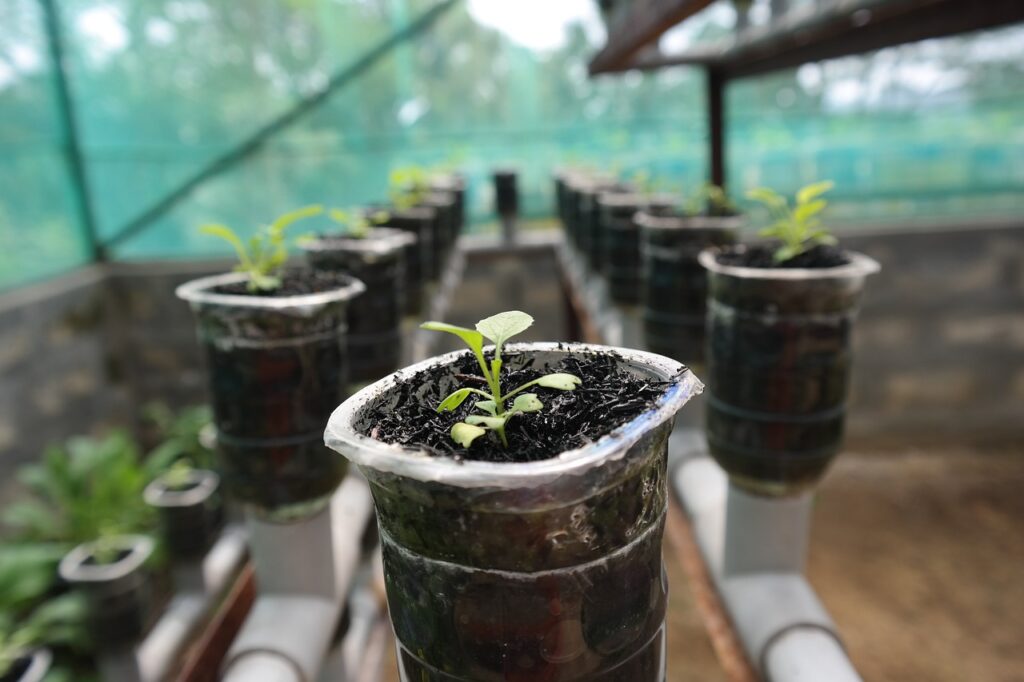
Planting and transplanting processes are crucial steps in hydroponic tomato cultivation. Starting tomato seeds in germination trays, transferring seedlings to hydroponic systems, and following best practices for transplanting tomatoes help ensure proper growth and development.
Starting tomato seeds in germination trays
-
Seed selection: Choose high-quality tomato seeds from reputable suppliers. Consider the specific tomato variety, disease resistance traits, and germination success rates.
-
Germination medium: Fill germination trays or seedling pots with a suitable germination medium, such as a sterile seed starting mix or a 50:50 mixture of peat moss and perlite. Ensure the medium provides good drainage and moisture retention.
-
Sowing seeds: Sow the tomato seeds according to the recommended depth specified on the seed packet. Cover the seeds lightly with the germination medium and gently pat them down.
-
Moisture and warmth: Keep the germination trays moist but not waterlogged. Using a spray bottle or a misting system helps prevent soil disturbance and allows for even moisture distribution. Place the trays in a warm location, ideally between 70-80°F (21-27°C), to encourage germination.
-
Germination process: Maintain consistent moisture levels and check the trays regularly for germination. Once the seedlings emerge and develop their first true leaves, they are ready for the next stage.
Transferring seedlings to hydroponic systems
Transplanting seedlings from germination trays to hydroponic systems should be done carefully to minimize stress and ensure successful establishment.
-
Seedling preparation: Before transplanting, ensure the seedlings are healthy and robust. They should have developed several sets of true leaves and a well-developed root system.
-
Preparing the hydroponic system: Ensure your hydroponic system is set up and properly sterilized. Fill the system’s containers with the chosen growing media – such as coco coir, rockwool, or perlite – and thoroughly saturate the media with the nutrient solution.
-
Transplanting process: Gently remove the seedlings from the germination trays, being careful not to damage the roots or stems. Make a small hole in the growing media that is large enough to accommodate the seedling’s root system. Place the seedling in the hole and gently firm the media around it to provide stability.
-
Watering after transplant: After transplanting, water the seedlings thoroughly with the nutrient solution to settle the growing media around the roots. Monitor the seedlings closely for the first few days to ensure they adjust well to their new environment.
Best practices for transplanting tomatoes
To ensure successful transplanting of tomato seedlings into hydroponic systems, follow these best practices:
-
Timing: Transplant seedlings when they have reached an appropriate size and have a well-established root system. Typically, this occurs when the seedlings have 3-4 true leaves and are 4-6 inches tall.
-
Handling seedlings: When handling seedlings, hold them by the leaves rather than the delicate stems to avoid damage. Be gentle and avoid disturbing the root system as much as possible.
-
Transplanting depth: When placing seedlings into the hydroponic system, bury them deep enough in the growing media to support the stem and stabilize the plant. Cover the root ball with the growing media, leaving a small portion of the stem above the surface.
-
Avoid overcrowding: Space the transplanted seedlings to allow for adequate air circulation and prevent the spread of fungal diseases. Consider the mature size of the chosen tomato variety and ensure sufficient distance between plants.
By following these planting and transplanting practices, you can give your hydroponic tomato seedlings the best chance for healthy establishment and growth.
Managing Watering and Fertilizing
Proper management of watering and fertilizing plays a crucial role in hydroponic tomato cultivation. Establishing a watering schedule, applying fertilizers adequately, and managing nutrient levels are essential for healthy plant growth and optimal fruiting.
Establishing a watering schedule for hydroponic tomatoes
Water is a vital component in hydroponic systems, and establishing a consistent watering schedule is key to plant health. Consider the following factors when determining the watering needs of your hydroponic tomatoes:
-
Growing media moisture: Ensure the growing media remains consistently moist. Use a soil moisture meter or check the moisture level manually by squeezing a small amount of media in your hand. If the media holds together without excessive water runoff, it is adequately moist.
-
Avoid overwatering: Overwatering can lead to oxygen deprivation in the root zone, causing root rot and plant stress. Allow the top layer of the growing media to dry slightly before watering again. Adjust the watering frequency based on the environmental conditions and the stage of plant growth.
-
Drainage and runoff: Ensure your hydroponic system has proper drainage to prevent waterlogged conditions. If excess water accumulates in the system, adjust the rate of water supply or install drainage holes to allow proper runoff.
-
Water quality: Pay attention to the quality of water you use in your hydroponic system. Avoid using water with high levels of dissolved salts or chlorine, as these can negatively affect plant health. Use filtered or dechlorinated water to ensure optimal growing conditions.
Applying fertilizers to support growth and fruiting
In hydroponic systems, fertilizers are an essential component for providing plants with the necessary nutrients for healthy growth and fruiting. Consider the following guidelines for fertilizing hydroponic tomatoes:
-
Balanced nutrient ratios: Use a balanced, complete hydroponic nutrient solution to ensure all necessary nutrients are supplied to the plants. Look for a nutrient solution specifically formulated for tomatoes or adjust the ratios based on their specific growth requirements.
-
Fertilizing frequency: Tomatoes grown hydroponically require regular fertilization due to the constant supply of nutrients. Follow the manufacturer’s instructions on the nutrient solution label for recommended application rates and frequency. Adjust the frequency based on plant growth and nutrient uptake.
-
Supplementing micronutrients: In addition to the macronutrients (NPK), tomatoes require essential micronutrients for optimal growth. Some nutrient solutions may lack certain micronutrients, so consider supplementing with chelated forms of iron, zinc, manganese, and copper. Follow the manufacturer’s instructions for the appropriate application rates of micronutrient supplements.
-
Avoiding nutrient burn: Overfertilization can cause nutrient burn, resulting in leaf damage and reduced plant health. Avoid excessively high nutrient concentrations in the nutrient solution. Regularly monitor electrical conductivity (EC) levels and adjust as needed to avoid nutrient imbalances.
Considerations for managing nutrient levels
Proper management of nutrient levels is critical for healthy plant growth and optimal yields. Consider the following considerations when managing nutrient levels in your hydroponic system:
-
Monitoring nutrient levels: Regularly monitor the electrical conductivity (EC) using a meter or test strips. The EC provides an indication of the nutrient concentration in the solution. Adjust the nutrient concentration by diluting with water or adding concentrated nutrient solutions to maintain optimal levels.
-
Nutrient deficiencies and excesses: Learn to identify the signs of nutrient deficiencies and excesses in tomato plants. Common deficiencies include yellowing or browning of leaves, stunted growth, and poor fruit set. Excessive nutrient levels can cause leaf burn and affect overall plant health. Adjust nutrient levels accordingly to address any imbalances.
-
Nutrient replenishment: Over time, nutrient levels may be depleted in the hydroponic system. Regularly replenish the nutrient solution by completely draining and replacing it with a fresh batch. Follow the manufacturer’s guidelines for nutrient solution mixing ratios to ensure proper nutrient replenishment.
-
Flushing the system: Occasionally, flush the hydroponic system with fresh, pH-balanced water to prevent nutrient build-up and salt accumulation. Flushing helps remove excess salts and maintain a healthy root zone.
By establishing a watering schedule that balances moisture levels, applying fertilizers appropriately, and managing nutrient levels effectively, you can promote healthy plant growth and maximize the yield of your hydroponic tomato garden.
Supporting Tomato Plants
Supporting tomato plants is essential to ensure proper growth, prevent damage to stems and fruits, and optimize the use of available space. Determining the suitable trellising system, training and supporting tomato vines, and implementing pruning techniques are key aspects of supporting tomato plants in hydroponic systems.
Determining the suitable trellising system for tomato plants
In hydroponic systems, trellising is essential to provide support for tomato plants, especially indeterminate varieties that have vigorous growth. Consider the following trellising systems commonly used for supporting tomato plants:
-
Vertical string trellises: This trellis system involves tying twine or string vertically from a sturdy support structure above, allowing the tomato plants to grow upwards. As the plants grow, they are trained to wrap around the strings using clips or soft ties. This type of trellis maximizes vertical space and facilitates better airflow and sunlight penetration.
-
Trough or basket trellising: Ideal for tomato varieties with a cascading growth habit, this trellis system employs sturdy troughs or baskets to support the plants. The tomato vines are directed to grow over the edges of the trough or basket, allowing the fruits to hang down. The troughs or baskets can be supported by horizontal wires or metal frames.
-
A-frame or lean-to trellises: This trellis system involves constructing A-shaped or lean-to frames using wood or metal stakes. The tomato plants are trained to grow up the frames, and the branches are loosely tied to provide support. This system is suitable for both determinate and indeterminate varieties and allows for easier maintenance and harvesting.
Consider the growth habits of your selected tomato varieties and the available space in your hydroponic system when determining the most suitable trellising system.
Training and supporting tomato vines
Proper training and support are essential for directing tomato vines to grow vertically and preventing them from sprawling or tangling. Follow these best practices for training and supporting tomato vines in hydroponic systems:
-
Pruning suckers: Tomato plants develop leafy side shoots, known as suckers, that compete for energy and can hinder fruit production. Regularly prune these suckers by pinching them off when they are small. Focus on removing suckers growing in the leaf axils below the first flower cluster.
-
Tying branches: As the tomato plants grow, loosely tie the main stem and branches to the trellis or support system. Use soft ties or clips that provide enough support without constricting growth. Avoid tying the stems too tightly, as this can damage the plants or restrict nutrient flow.
-
Training growth: Regularly guide the main stem and branches to grow vertically along the trellis system. Gently reposition any branches that may veer off the desired path. Train the plants to wrap around the vertical strings or wires to ensure proper support and prevent tangling.
-
Top pruning (optional): For indeterminate varieties that have excessive vegetative growth, consider top pruning to limit the overall plant height and redirect energy toward fruit production. This involves removing the growing tip of the main stem when the desired height is reached. Consult variety-specific guidelines to determine the appropriate timing and height for top pruning.
By implementing trellising systems, training tomato vines to grow vertically, and providing proper support, you can optimize space utilization, prevent damage, improve airflow, and promote healthy growth and fruiting.
Pest and Disease Management
Implementing effective pest and disease management strategies is essential to protect hydroponic tomato plants from common problems. Identifying common pests and diseases, implementing preventive measures, and knowing treatment options are crucial for maintaining healthy plants in your hydroponic system.
Identifying common pests and diseases in hydroponic tomato cultivation
Several pests and diseases can pose challenges to hydroponic tomato plants:
Pests:
- Aphids: Small, sap-sucking insects that can infest foliage and spread viral diseases.
- Whiteflies: Tiny, winged insects that feed on plant sap, cause leaf damage, and spread viral diseases.
- Spider mites: Small arachnids that feed on plant sap, causing leaf yellowing and webbing.
- Thrips: Small, slender insects that feed on plant tissue, causing deformed leaves and silvering.
Diseases:
- Fusarium Wilt: A soil-borne fungal disease that causes wilting, stunted growth, and yellowing leaves.
- Powdery Mildew: A fungal infection characterized by a white, powdery coating on leaves and stems.
- Botrytis (Gray Mold): A fungal disease that causes brown spots, fuzzy growth, and rot on fruits and foliage.
- Early Blight: A fungal disease that leads to dark spots on leaves, stem lesions, and reduced fruit production.
Implementing preventive measures
Prevention is key in managing pests and diseases. Implement the following preventive measures to reduce the risk of infestations and infections:
-
Sanitation: Maintain a clean growing environment by regularly removing plant debris, fallen leaves, and dead plant material. These can harbor pests and diseases.
-
Quarantine new plants: Isolate newly acquired or introduced plants away from the main hydroponic system for a few days to monitor for signs of pests or diseases.
-
Integrated Pest Management (IPM): Adopt an IPM approach that combines various pest control strategies, including biological controls (such as beneficial insects), cultural practices, and, if needed, targeted pesticide use. Start with the least harmful methods and escalate as necessary.
-
Monitoring and scouting: Regularly inspect your plants for any signs of pests or diseases. Look for symptoms such as leaf damage, discoloration, or unusual growth patterns. Early detection allows for prompt intervention and reduces the risk of widespread infestations or infections.
Treatment options for pest and disease control
If pest or disease problems arise despite preventive measures, consider employing the following treatment options:
-
Biological controls: Introduce beneficial insects, such as ladybugs or predatory mites, to control pests naturally. They can help reduce pest populations and prevent further damage.
-
Insecticidal soaps and oils: Use organic insecticidal soaps or horticultural oils to control pests. These solutions suffocate insects and are less harmful to beneficial insects.
-
Chemical insecticides and fungicides: As a last resort, use chemical control methods when other options have failed. Select products labeled specifically for hydroponic use and follow the instructions carefully.
-
Disease-resistant varieties: Choose tomato varieties bred for resistance to common diseases. This can help reduce the risk of infections and minimize the need for chemical treatments.
Remember to always follow the manufacturer’s instructions when using pest control products and consider their impact on the overall ecosystem of your hydroponic system.
By identifying common pests and diseases, implementing preventive measures, and knowing the various treatment options, you can effectively manage and control pest and disease issues in your hydroponic tomato garden.
Harvesting and Post-Harvest Care
Knowing when to harvest tomatoes, using proper harvesting techniques, and implementing best practices for storing and handling are essential for maximizing the quality and shelf life of hydroponically grown tomatoes.
Knowing when tomatoes are ready for harvest
Proper timing is crucial when harvesting tomatoes to ensure optimal flavor, texture, and nutrient content. Consider the following indicators to determine when tomatoes are ready to be harvested:
-
Color and sheen: Look for uniform color development and a glossy sheen on the tomato skin. Different tomato varieties have different mature colors, ranging from red to yellow, orange, or green, depending on the specific variety.
-
Firmness: Gently squeeze the tomatoes to assess their firmness. Tomatoes should be firm but not too hard. Overripe fruits may feel excessively soft or mushy.
-
Ease of detachment: Ripe tomatoes should easily detach from the vine when gently twisted or tugged. Avoid forcefully pulling or damaging the stem or other parts of the plant.
-
Taste testing: If unsure about the ripeness, conduct a taste test by sampling a tomato. The flavor should be well-developed, balanced, and match the desired taste profile for the specific tomato variety.
Proper techniques for harvesting tomatoes
To ensure careful and damage-free tomato harvesting, follow these techniques:
-
Handle with care: When harvesting tomatoes, handle them with care to prevent bruising or damage to the fruits. Hold them gently by the firmest part of the fruit, avoiding excessive pressure or squeezing.
-
Use sharp tools: Use clean, sharp pruners or scissors to cut the tomatoes from the vine. This helps avoid tearing or damaging the plant during the harvesting process.
-
Harvest basket or container: Place the harvested tomatoes directly into a clean container or basket, avoiding any sudden impacts that could cause bruising.
-
Remove any damaged or spoiled fruits: Sort through the harvested tomatoes and remove any damaged, overripe, or spoiled fruits. This ensures that only the highest-quality tomatoes are selected for storage and consumption.
Best practices for storing and handling harvested tomatoes
Proper storage and handling practices are essential to maintain the quality and prolong the shelf life of harvested tomatoes:
-
Avoid direct sunlight: Store tomatoes in a cool, dark location away from direct sunlight. Sunlight can cause the fruits to overripen and reduce their shelf life.
-
Optimal temperature and humidity: Maintain a temperature of around 50-55°F (10-13°C) and a humidity level of approximately 85-90% for optimal storage. A cool basement or a refrigerator set at a slightly higher temperature can be suitable options.
-
Separate ripe and unripe tomatoes: Store ripe and unripe tomatoes separately to prevent the release of ethylene gas from ripe fruits, which can accelerate ripening and cause spoilage.
-
Proper ventilation: Ensure proper air circulation around stored tomatoes to prevent the build-up of moisture and reduce the risk of fungal diseases. Use mesh bags or cardboard trays to allow for adequate ventilation.
-
Regular inspection: Regularly inspect stored tomatoes for any signs of spoilage or damage. Remove any affected fruits immediately to prevent further spread.
By harvesting tomatoes at the appropriate stage of ripeness, using proper techniques to minimize damage, and implementing best practices for storing and handling, you can enjoy the flavors of freshly harvested hydroponically grown tomatoes for an extended period.
Troubleshooting Common Issues
Despite careful cultivation, hydroponic tomato plants may face certain common issues. Identifying and addressing nutrient deficiencies, dealing with plant stress or wilting, and overcoming problems with fruit set and development are essential for maintaining healthy plants and maximizing yield.
Identifying and addressing nutrient deficiencies
Nutrient deficiencies can manifest in various ways. Here are common nutrient deficiencies in hydroponic tomatoes and potential remedies:
-
Nitrogen deficiency: Characterized by yellowing lower leaves and stunted growth. Address by increasing the nitrogen concentration in the nutrient solution or using a complete nutrient solution that provides balanced nutrition.
-
Phosphorus deficiency: Manifests as dark green foliage, slowed growth, and reduced fruit production. Supplement the nutrient solution with a phosphorus-rich fertilizer or adjust the nutrient ratios to support phosphorus uptake.
-
Potassium deficiency: Symptoms include yellowing leaf margins, weak stems, and poor fruit development. Increase the potassium levels in the nutrient solution or use a complete nutrient solution with a higher potassium ratio.
-
Iron deficiency: Shows as yellowing between leaf veins, known as interveinal chlorosis. Add iron chelates or use nutrient solutions formulated specifically for iron supplementation.
Dealing with plant stress or wilting
Plant stress and wilting can occur due to various factors. Follow these steps to address plant stress and promote recovery:
-
Watering adjustment: Check the moisture levels of the growing media and adjust the watering schedule as required. Under-watering can lead to wilting, while over-watering can cause root rot or oxygen deprivation. Maintain proper moisture levels to prevent stress.
-
Temperature and humidity management: Ensure the growing environment remains within the optimal temperature and humidity ranges. Extreme temperatures or excessive humidity can cause stress and wilt in tomato plants. Check ventilation, insulation, and environmental control systems if necessary.
-
Nutrient and pH balance: Monitor nutrient levels and pH levels in the nutrient solution. Imbalances can cause stress and lead to wilt. Adjust the nutrient concentrations and pH to maintain optimal levels and promote healthier plant growth.
Overcoming problems with fruit set and development
Issues with fruit set and development can be caused by several factors. Implement the following techniques to overcome these problems and promote fruiting:
-
Pollination assistance: Tomatoes are typically self-pollinating, but gentle shaking or using a small, soft brush to mimic the motion of insect pollination can help improve fruit set.
-
Adequate lighting: Ensure your hydroponic system provides sufficient light intensity and duration for proper fruiting. Without adequate light, fruit set and development may be compromised.
-
Nutrient adjustments: Review the nutrient solution composition and ensure essential macronutrients and micronutrients are provided in appropriate quantities for fruiting. Adjust the nutrient ratios as needed to promote fruit development.
-
Temperature regulation: Extreme temperatures, particularly high temperatures, can affect fruit set. Maintain ideal temperatures by adjusting ventilation, airflow, and cooling systems as required.
By recognizing and addressing nutrient deficiencies, managing plant stress, and implementing techniques to maximize fruit set and development, you can overcome common issues faced in hydroponic tomato cultivation and ensure a bountiful harvest.
In conclusion, mastering the art of hydroponic tomato cultivation requires careful consideration of various aspects, from the selection of the right hydroponic system and tomato variety to maintaining an optimal growing environment and managing nutrient solutions. By following best practices for planting, supporting, and caring for your tomato plants, combined with effective pest and disease management strategies, you can achieve a successful hydroponic tomato garden with abundant harvests of flavorful and healthy tomatoes.


