


Imagine being able to grow corn without the need for soil. In a groundbreaking experiment, researchers have successfully cultivated corn using a hydroponic system that relies solely on water-based nutrients. The aim of this experiment is not only to provide a more sustainable and efficient method of growing corn, but also to explore the potential for reducing water usage and enhancing crop yields. This article will take you through the fascinating journey of the hydroponic corn experiment, highlighting its benefits and potential implications for the future of agriculture.
I. Introduction to Hydroponics
A. What is hydroponics?
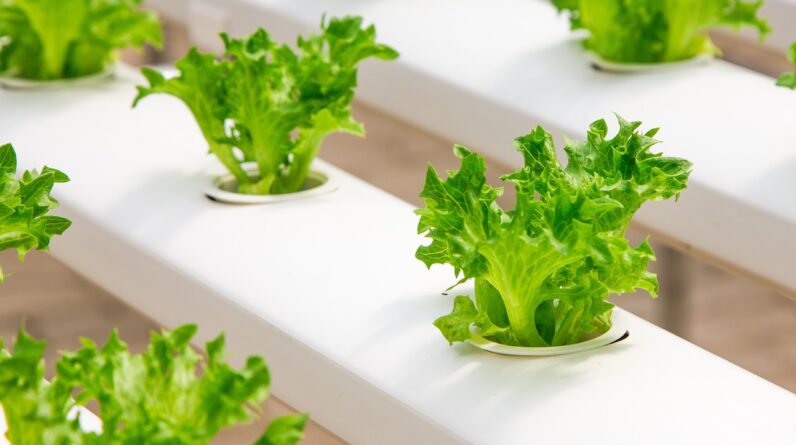
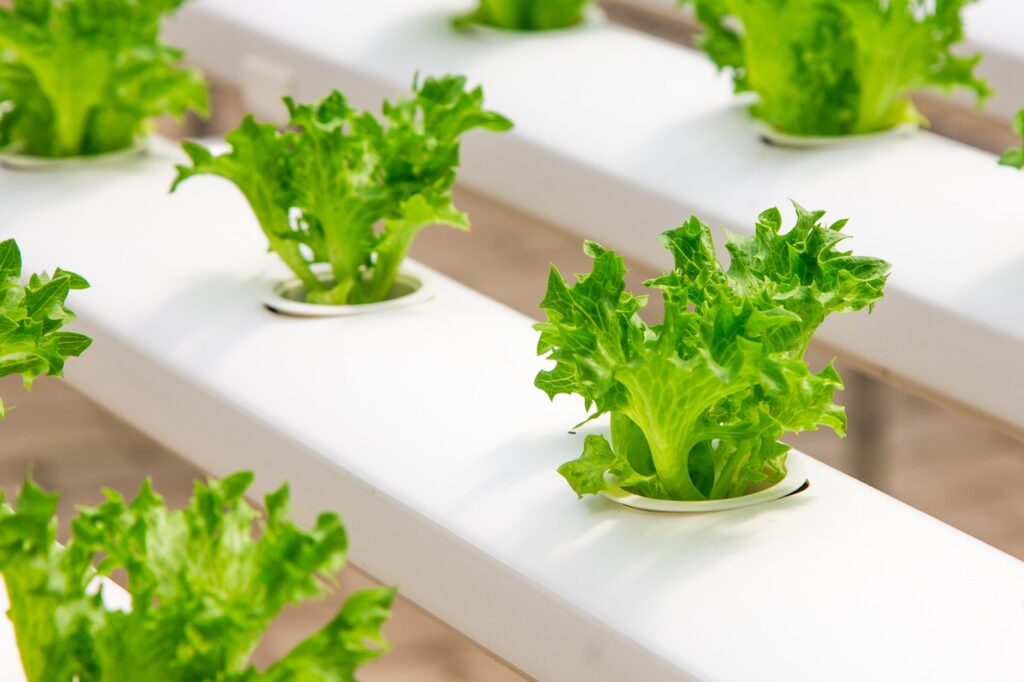
Hydroponics is a method of growing plants without soil, where the plants are instead grown in a nutrient-rich water solution. This technique allows for the cultivation of various crops, including corn, in a controlled environment. Instead of traditional soil-based farming, hydroponics provides an innovative and efficient way to produce high-quality crops.
B. Benefits of hydroponics
There are several advantages to utilizing hydroponics for crop cultivation. Firstly, it allows for year-round harvesting regardless of climate or weather conditions. Hydroponic systems provide a controlled environment, eliminating the dependence on seasonal changes. Secondly, hydroponics requires significantly less water compared to traditional farming methods. The water used in the system is recycled and reused, leading to substantial water conservation. Lastly, hydroponics has shown to improve crop yield and quality due to the optimization of nutrient delivery directly to the plants’ roots.
C. History of hydroponics
While hydroponics may seem like a modern agricultural method, its roots trace back to ancient times. The Hanging Gardens of Babylon, one of the Seven Wonders of the Ancient World, are believed to have utilized a form of hydroponics. However, it was not until the 19th century that modern hydroponics began to take shape. Dr. Julius von Sachs, a German botanist, conducted groundbreaking research in plant nutrition and cultivation without soil. This research laid the foundation for the development of hydroponics as we know it today.
II. The Corn Cultivation Process
A. Traditional corn cultivation methods
Traditionally, corn has been cultivated in soil-based systems where the plants obtain essential nutrients from the surrounding soil. This method requires large amounts of water, as well as the use of fertilizers and pesticides. It is also vulnerable to various soil-borne diseases and pests that can affect crop yield and quality.
B. Introduction to hydroponic corn cultivation
Hydroponic corn cultivation offers a more efficient and controlled approach to growing this staple crop. Instead of relying on soil, hydroponics uses a water-based nutrient solution that delivers the necessary elements directly to the plant roots. This eliminates the need for soil-based nutrients and allows for the precise control of nutrient levels, pH, and water content.
C. Comparison between traditional and hydroponic cultivation
When comparing traditional and hydroponic corn cultivation, there are several key differences. Hydroponics significantly reduces water usage, making it a more sustainable option. Additionally, hydroponic systems are not subject to soil-borne diseases and pests, minimizing the need for chemical pesticides. Moreover, hydroponics allows for a higher crop density and faster growth, resulting in increased yield and harvest cycles compared to traditional methods.
III. Advantages of Hydroponic Corn Cultivation
A. Increased crop yield
One of the major advantages of hydroponic corn cultivation is the potential for increased crop yield. The controlled environment of a hydroponic system provides optimal conditions for corn plants, allowing them to grow faster and produce higher yields. With precise control over nutrient delivery, lighting, and temperature, corn plants can thrive and reach their full potential.
B. Water conservation
Water scarcity is a global concern, and hydroponics offers a solution to this issue. Traditional corn cultivation methods require vast amounts of water, but hydroponics allows for significant water conservation. The closed-loop system used in hydroponics reduces water usage by recycling and reusing the nutrient-rich solution. This efficient use of water resources makes hydroponic corn cultivation a more sustainable option.
C. Nutrient optimization
In hydroponic systems, the nutrient solution is tailored to meet the specific needs of corn plants. This enables growers to optimize the nutrient composition, ensuring that the plants receive all the necessary macronutrients and micronutrients required for healthy growth. By providing the correct balance of nutrients, hydroponics maximizes the potential of corn plants, resulting in improved crop quality and nutritional value.
IV. Setting Up the Hydroponic System
A. Components of a hydroponic system
To set up a hydroponic corn cultivation system, several essential components are required. These include a nutrient reservoir, a pump to circulate the nutrient solution, growing trays or containers, and growing media such as perlite or rockwool. Additionally, a lighting system, usually consisting of LED lights, is necessary to provide the plants with the required amount of light for photosynthesis.
B. Choosing the right nutrient solution
Choosing the appropriate nutrient solution is crucial for the success of hydroponic corn cultivation. The solution should contain a balanced mix of macronutrients, including nitrogen, phosphorus, and potassium, as well as essential micronutrients such as iron and zinc. Commercially available hydroponic nutrient solutions specifically formulated for corn cultivation can be used, or growers may choose to create their own nutrient solution based on the specific needs of their plants.
C. Proper lighting and temperature control
Lighting and temperature control are essential factors when setting up a hydroponic corn cultivation system. LED lights are commonly used in hydroponics, as they are energy-efficient and provide the necessary light spectrum for optimal plant growth. The temperature should be maintained within the ideal range for corn cultivation, typically between 75°F and 85°F (24°C and 29°C). Monitoring and adjusting these factors are crucial to ensure healthy development and yield.

V. Nutrient Requirements for Corn
A. Essential macronutrients
Corn plants require several essential macronutrients for optimal growth. Nitrogen (N), phosphorus (P), and potassium (K) are the primary macronutrients necessary for corn’s overall development. Nitrogen is important for foliage growth, phosphorus aids in root development, and potassium contributes to overall plant health and disease resistance. Maintaining the proper balance of these macronutrients is vital for corn plants to thrive.
B. Important micronutrients
In addition to macronutrients, corn plants also require various micronutrients for healthy growth. These micronutrients include iron (Fe), zinc (Zn), manganese (Mn), copper (Cu), boron (B), and molybdenum (Mo). Although needed in smaller quantities, micronutrients play a crucial role in various plant functions, including enzyme activation, chlorophyll synthesis, and disease resistance. Monitoring and adjusting the levels of micronutrients in the hydroponic system are essential for optimal corn growth.
C. pH and nutrient concentration
Maintaining the proper pH and nutrient concentration is vital in hydroponic corn cultivation. Corn plants thrive in a slightly acidic to neutral pH range of 5.8 to 6.5. Monitoring and adjusting the pH level of the nutrient solution ensures that the plants can effectively absorb the available nutrients. Additionally, regularly measuring and adjusting the nutrient concentration in the solution helps maintain an optimal balance and prevents nutrient deficiencies or toxicities.
VI. Seed Selection and Germination
A. Choosing corn seeds for hydroponic cultivation
When selecting corn seeds for hydroponic cultivation, it is crucial to choose varieties that are well-suited for controlled environments. Look for seeds that are resistant to common diseases and pests, as well as those with a shorter maturity period. Some recommended corn varieties for hydroponics include Bodacious, Silver Queen, and Sweetie.
B. Germination process in a hydroponic system
Germinating corn seeds in a hydroponic system follows a similar process to traditional germination. Start by soaking the seeds in water for approximately 24 hours to encourage germination. Then, transfer the seeds to a germination tray filled with a moist growing medium. Maintain the ideal temperature and humidity for germination, which is around 80°F (27°C) with a relative humidity of 70%. After the seeds have sprouted, they can be transplanted into the hydroponic system.
VII. Transplanting and Growing Phases
A. Transplanting seedlings into the hydroponic system
Once the corn seedlings have reached a suitable size, they can be transplanted into the hydroponic system. Carefully remove the seedlings from the germination tray, ensuring that the root structures remain intact. Place the seedlings into Rockwool cubes or another suitable growing medium and insert them into the growing trays or containers of the hydroponic system. It is crucial to handle the seedlings gently to avoid any damage to the delicate root systems.
B. Maintenance during the growing phases
During the growing phases, it is essential to provide the corn plants with proper care and maintenance. Regularly check the nutrient solution’s pH and adjust it if necessary to ensure optimal nutrient absorption. Monitor the temperature and humidity levels, making adjustments as needed to create favorable growing conditions. Additionally, maintain a consistent lighting schedule to provide the plants with the necessary light for photosynthesis.
C. Monitoring and adjusting nutrient levels
In hydroponic corn cultivation, monitoring and adjusting nutrient levels play a crucial role in achieving optimal plant growth. Regularly measure the nutrient solution’s electrical conductivity (EC) and adjust it according to the corn plants’ specific needs. Keep in mind that nutrient requirements may change throughout the different growth stages, so regular monitoring is essential. Maintaining a balanced nutrient solution ensures healthy corn plants and maximizes crop yield.
VIII. Potential Challenges and Solutions
A. Root diseases and pests
Despite the controlled environment of hydroponics, root diseases and pests can still pose a challenge to corn cultivation. Regularly inspect the root systems for signs of disease or pest infestation, such as discoloration, wilting, or visible pests. Implement preventive measures such as using sterilized growing media, maintaining proper hygiene practices, and regularly monitoring the nutrient solution’s pH and EC levels. If an issue arises, appropriate treatments or biological controls can be applied to mitigate and resolve the problem.
B. Algae growth and water quality issues
Algae growth and water quality issues can arise in hydroponic systems due to excess light and stagnant water. To prevent algae growth, ensure that the growing trays or containers are properly covered to block out excessive light. Additionally, maintaining proper water circulation and using a reflective surface on the walls of the growing area can help minimize algae growth. Regularly monitor the water quality, including pH and nutrient concentration, to prevent any imbalances that may negatively impact the corn plants.
C. Preventive measures for maintaining a healthy crop
To maintain a healthy hydroponic corn crop, several preventive measures can be implemented. Regularly inspect the plants for signs of stress, disease, or nutrient deficiencies, and take necessary action promptly. Implementing a strict hygiene protocol, such as sterilizing equipment and regular cleaning of the growing area, helps prevent the spread of diseases and pests. Maintaining optimal growing conditions, including temperature, humidity, and lighting, is also crucial for a healthy crop.
IX. Harvesting and Post-Harvest Techniques
A. Determining the right time to harvest corn
Determining the right time to harvest corn depends on the variety and maturity characteristics. Generally, corn is harvested when the kernels are fully developed and in the milky or doughy stage. Monitor the physical appearance of the ears, ensuring that the kernels are plump and well-filled. Additionally, check the moisture content of the kernels to ensure they are adequately dry for storage.
B. Harvesting techniques for hydroponically grown corn
Harvesting hydroponically grown corn involves carefully removing the ears from the plants. Use a sharp knife or shears to cleanly sever the ear from the stalk, taking care not to damage the plant or surrounding growth. It is crucial to handle the harvested corn ears gently to avoid bruising or other damage that may impact their quality.
C. Storage and preservation methods
After harvesting the corn ears, proper storage and preservation techniques are essential to maintain their quality. Corn ears can be stored in a cool and dry location with good ventilation. To preserve the corn’s sweetness and flavor, it is recommended to consume or process the harvested corn as soon as possible. Freezing or canning the corn is a popular method for preserving its freshness and extending its shelf life.
X. Conclusion and Future Considerations
A. Summary of the hydroponic corn experiment
The hydroponic corn experiment demonstrates the potential of hydroponics as an efficient and sustainable method for cultivating corn. By providing an optimal growing environment and precise control over nutrient delivery, hydroponics offers increased crop yields, water conservation, and nutrient optimization. The comparison between traditional and hydroponic cultivation clearly highlights the numerous advantages of hydroponics in corn production.
B. Further research and advancements in hydroponic corn cultivation
While hydroponic corn cultivation has shown promising results, further research and advancements are still needed to unlock its full potential. Researchers can explore different nutrient formulations and delivery methods that further optimize corn growth and yield. Additionally, studying the impact of various environmental factors, such as light spectrum and CO2 levels, on corn plants can lead to improved cultivation techniques. Continued investigation and collaboration in the field of hydroponic corn cultivation will contribute to the development of sustainable agriculture practices and provide valuable solutions for future food production.


