


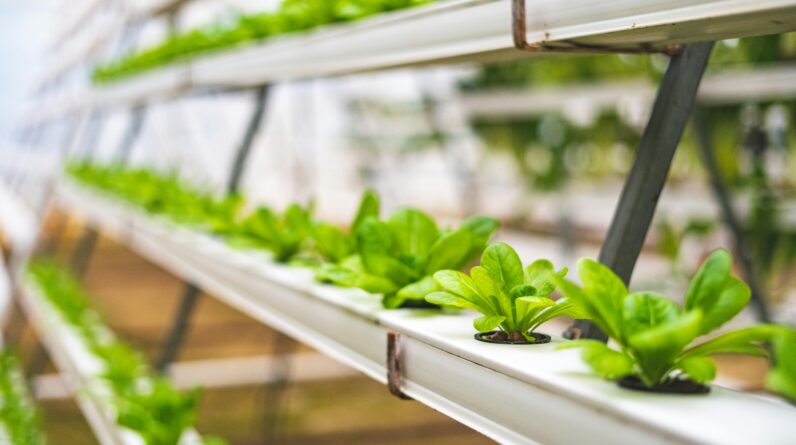
So you want to grow your own herbs at home? Well, you’re in luck! In this article, we’ll be sharing the best practices for growing herbs hydroponically in the comfort of your own home. Hydroponic gardening is a soil-less method of growing plants that allows for greater control over their environment and ultimately yields healthier and more abundant herbs. Whether you’re a seasoned gardener looking to try something new or a beginner with a green thumb, these tips and tricks will help you successfully grow a variety of herbs hydroponically right in your own space.
Choosing the Right Herbs
When it comes to growing herbs hydroponically, one of the first steps is choosing the right herbs to grow. With a wide variety of herbs to choose from, you might wonder which ones are most suitable for hydroponic growth.
Determining which herbs are suitable for hydroponic growth
Not all herbs thrive in a hydroponic system, so it’s essential to select herbs that have been proven to do well in this type of environment. Some popular choices for hydroponic herb cultivation include basil, parsley, mint, oregano, and thyme. These herbs have been found to grow successfully in hydroponic setups, making them great options for beginners.
Considering the space available for growing herbs
Another factor to consider when choosing the right herbs for hydroponics is the amount of space you have available for your setup. Some herbs, like basil and parsley, tend to grow quite tall and bushy, so they may require more vertical space. On the other hand, herbs like oregano and thyme have a more compact growth habit, making them suitable for smaller setups.
Understanding the growth requirements of different herbs
Each herb has its own specific growth requirements, including factors like temperature, light intensity, and nutrient needs. Before selecting herbs for your hydroponic system, it’s crucial to research and understand the specific growth requirements of each herb you’re considering. This knowledge will help you create the ideal growing conditions for your herbs and maximize their growth potential.
Setting Up a Hydroponic System
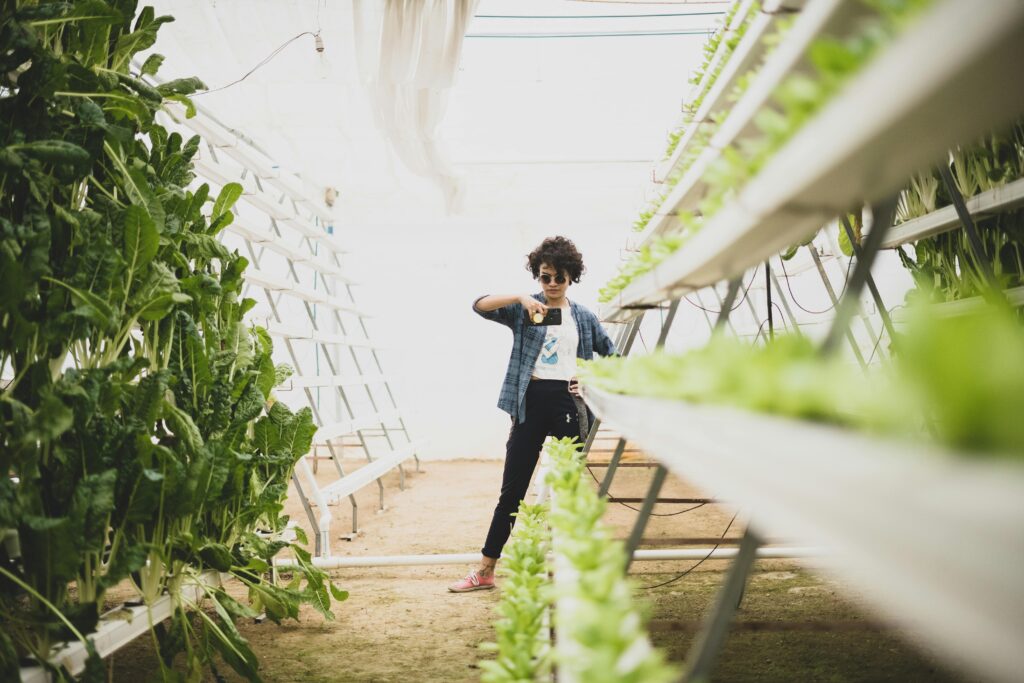
Once you have chosen the herbs you want to grow, the next step is to set up your hydroponic system. There are various types of hydroponic systems available, so it’s essential to select one that suits your needs and resources.
Selecting the appropriate hydroponic system
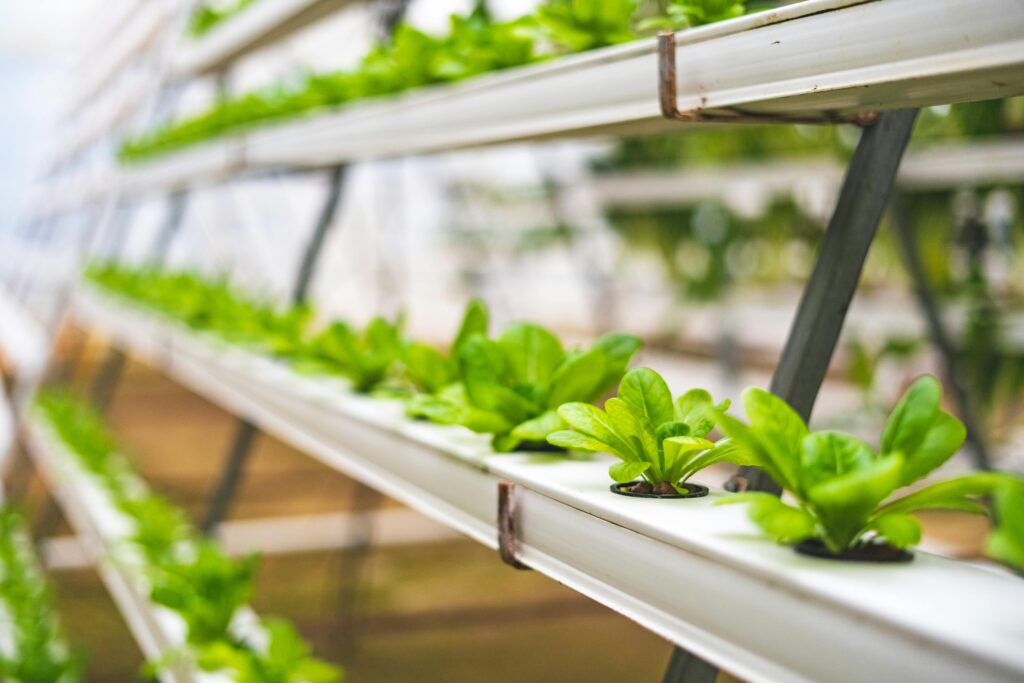
The choice of a hydroponic system depends on factors such as space constraints, budget, and personal preference. Some popular hydroponic systems for growing herbs include Deep Water Culture (DWC), Nutrient Film Technique (NFT), and Drip Irrigation Systems. Research each system to determine which one aligns with your requirements.
Choosing the right growing medium for herbs
In hydroponics, the growing medium serves as a support system for the roots and holds the nutrient solution. Commonly used growing media for herbs include perlite, coconut coir, and rockwool. Consider the pros and cons of each medium and choose one that suits your needs, ensuring it provides good drainage and aeration for your herbs.
Installing the necessary equipment for hydroponics
Setting up a hydroponic system requires some essential equipment. You will need items such as a reservoir to hold the nutrient solution, an air pump for oxygenation, a pump or drip system to deliver the nutrient solution, and timers to regulate the feeding and lighting cycles. Carefully follow the manufacturer’s instructions when installing these components to ensure proper functionality of your system.
Providing Adequate Lighting
Lighting plays a crucial role in the growth and development of herbs in a hydroponic system. Since you’ll be growing herbs indoors, it’s important to understand the significance of light and how to provide the right conditions for your plants.
Understanding the importance of light for herb growth
Light is essential for photosynthesis, the process by which plants convert light energy into chemical energy to fuel growth. In a hydroponic setup, where natural sunlight may be limited, providing artificial lighting becomes necessary. Without adequate light, herbs will experience poor growth, elongated stems, and lower yields.
Choosing the right type of artificial lighting
When it comes to choosing artificial lighting for your hydroponic herbs, there are two primary options: fluorescent lights and LED grow lights. Fluorescent lights are budget-friendly and work well for smaller setups or herbs with lower light requirements. LED grow lights are more energy-efficient and offer a wider spectrum of light, allowing for better growth and higher yields. Consider your budget, space, and herb requirements when selecting the appropriate lighting.
Calculating the proper light intensity and duration
The light intensity required for optimal herb growth depends on the specific herb and its growth stage. Generally, most herbs require a light intensity of around 600 to 1000 µmol/m²/s. However, it’s crucial to research the specific light requirements of each herb you’re growing to provide the right intensity. In terms of duration, most herbs require 12 to 16 hours of light per day during their vegetative stage and 8 to 12 hours during their flowering stage.
Maintaining Optimal Temperature and Humidity
Temperature and humidity are key environmental factors that influence herb growth in a hydroponic system. Proper temperature regulation and humidity control will ensure healthy and vigorous growth of your herbs.
Understanding the ideal temperature range for herb growth
Different herbs have varying temperature requirements, but most herbs thrive in temperatures between 60°F (15°C) and 75°F (24°C). However, some herbs may tolerate slightly higher or lower temperatures. It’s important to maintain a stable temperature within this range to prevent stress and ensure optimal growth.
Monitoring and regulating temperature inside the hydroponic system
To maintain the ideal temperature, it’s crucial to monitor the temperature inside your hydroponic system regularly. Use a thermometer to check the temperature in various parts of your setup, ensuring there are no hot or cold spots. If the temperature exceeds the ideal range, consider using cooling fans, ventilation systems, or air conditioning to regulate the temperature and create a favorable environment for your herbs.
Maintaining appropriate humidity levels for herbs
Humidity levels also play a role in herb growth. Most herbs prefer humidity levels between 40% and 60%. To maintain the desired humidity, you can use a hygrometer to measure the humidity levels inside your growing area. If the humidity is too low, consider using a humidifier or placing trays of water near your plants. Conversely, if the humidity is too high, use dehumidifiers or improve ventilation to reduce moisture in the air.
Providing Nutrient Solutions
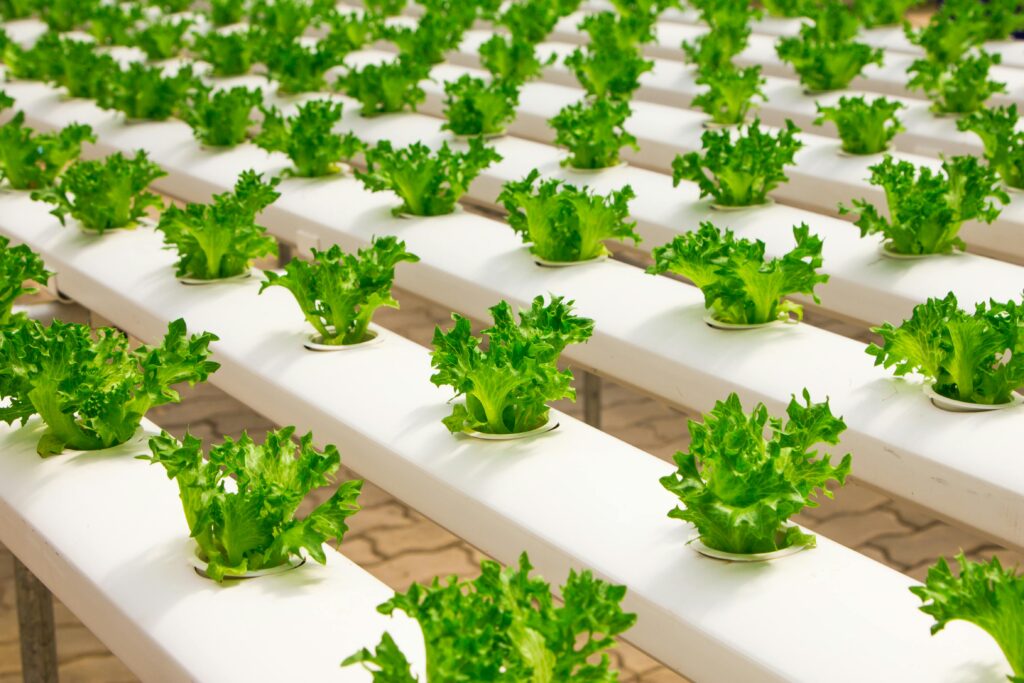
In a hydroponic system, plants rely on nutrient solutions to obtain essential elements for their growth and development. Providing the right nutrient solution is crucial for healthy herb growth.
Understanding the nutrient requirements of herbs
Different herbs have unique nutrient requirements, so it’s important to understand the specific needs of the herbs you’re growing. The primary macronutrients needed by plants are nitrogen (N), phosphorus (P), and potassium (K), often represented by their respective chemical symbols (N-P-K). Additionally, herbs require various micronutrients like calcium, magnesium, iron, and zinc. Research the specific nutrient needs of each herb and ensure your nutrient solution contains the appropriate balance of these elements.
Choosing and preparing a balanced nutrient solution
To prepare a balanced nutrient solution, you can either purchase a pre-formulated hydroponic nutrient mix or formulate your own using individual nutrient salts. When selecting a pre-formulated mix, ensure it is specifically designed for herbs or can be customized to meet their requirements. If formulating your own solution, follow a reputable nutrient schedule and carefully measure and mix the necessary nutrients according to the provided guidelines. Regularly monitor the nutrient levels and adjust the solution as needed.
Implementing proper nutrient management practices
Over time, the nutrient solution may become depleted or imbalanced, impacting the health and growth of your herbs. Regularly testing the nutrient solution’s electrical conductivity (EC) and pH levels will allow you to monitor its quality. Adjust the nutrient solution’s EC and pH as required to maintain optimal levels for your herbs. Additionally, regularly changing and refreshing the nutrient solution is essential to prevent the buildup of excess salts and ensure a consistent supply of nutrients.
Monitoring pH Levels
pH plays a vital role in hydroponic herb cultivation as it affects nutrient availability to the plants. Proper management of pH is necessary to ensure optimal growth and prevent nutrient deficiencies or toxicities.
Understanding the role of pH in hydroponic herb cultivation
pH measures the acidity or alkalinity of a solution. In hydroponics, the ideal pH range for herbs typically falls between 5.5 and 6.5. Outside this range, nutrient availability can be negatively affected. A pH that is too high or too low can lead to nutrient lockout, where certain elements become unavailable to the plants, causing deficiencies and stunted growth.
Measuring and adjusting pH of the nutrient solution
Regularly measure the pH of your nutrient solution using a pH meter or pH test kit. Follow the manufacturer’s instructions to calibrate and use the pH meter accurately. If the pH deviates from the optimal range, you can use pH adjusters like pH-up or pH-down solutions to increase or decrease the pH, respectively. Make gradual adjustments and retest the pH to ensure it stabilizes within the desired range before applying the solution to your herbs.
Preventing pH fluctuations and their impact on plant health
Maintaining pH stability is crucial for healthy herb growth. To prevent pH fluctuations, it’s important to monitor the pH of the nutrient solution regularly and make small, incremental adjustments as needed. Avoid drastic pH changes, as this can shock the plants’ roots and cause stress. Additionally, buffering your nutrient solution with substances like potassium bicarbonate can help maintain pH stability and prevent rapid pH shifts.
Watering and Irrigation
Proper watering and efficient irrigation are vital for hydroponic herb cultivation. Finding the right balance between providing enough moisture and avoiding overwatering is crucial for healthy root development and overall plant growth.
Determining the appropriate watering frequency for herbs
The watering frequency will depend on various factors such as the herb’s growth stage, the environmental conditions, and the type of hydroponic system you’re using. In general, herbs in a hydroponic system should be watered when the growing medium starts to dry out. Avoid allowing the roots to sit in stagnant water or become overly dry, as this can lead to root rot or stress the plants.
Implementing efficient irrigation methods
Efficient irrigation methods depend on the type of hydroponic system you have. For example, in a DWC system, the roots are constantly submerged in the nutrient solution, providing continuous moisture. In drip irrigation systems, water is delivered directly to the root zone at regular intervals. Whichever system you are using, ensure the water distribution is even and that excess water is drained properly to prevent waterlogging or nutrient imbalances.
Avoiding overwatering and maintaining proper moisture levels
Overwatering can be detrimental to hydroponic herb growth, as it can lead to oxygen deprivation and root rot. To avoid overwatering, regularly check the moisture level of the growing medium. If it feels excessively wet or waterlogged, reduce the watering frequency. On the other hand, if the growing medium feels dry, increase the watering frequency. Finding the right balance and maintaining proper moisture levels is crucial for the health and productivity of your hydroponic herbs.
Managing Pest and Disease Control
Just like plants grown in soil, hydroponically cultivated herbs are susceptible to pests and diseases. Implementing effective pest and disease control measures is essential to prevent infestations and keep your herbs healthy.
Identifying common pests and diseases affecting hydroponic herbs
Common pests that can affect hydroponic herbs include aphids, whiteflies, spider mites, and fungus gnats. These pests can feed on the plants’ foliage, weaken their structure, and spread diseases. Additionally, diseases like powdery mildew and root rot can also pose threats to hydroponically grown herbs. Regularly inspect your plants for signs of pests or diseases and take immediate action if any are detected.
Implementing preventive measures to minimize pest and disease risks
Prevention is key when it comes to pest and disease control in hydroponics. Start by maintaining a clean and sterile growing environment, as a dirty setup can attract pests and harbor diseases. Use sterilized equipment and change the nutrient solution regularly to prevent the buildup of algae or pathogens. Additionally, consider introducing beneficial insects like ladybugs or using sticky traps to catch and control pest populations. To prevent disease spread, avoid overwatering, and ensure proper ventilation to discourage humid conditions that favor fungal growth.
Using organic and chemical-free pest and disease control methods
If pests or diseases do appear in your hydroponic system, it’s important to use control methods that align with your preferences and growing practices. Many organic and chemical-free options are available for pest and disease control, such as neem oil, insecticidal soaps, or biological controls like Bacillus thuringiensis (BT). These alternative methods can effectively manage pests and diseases without introducing harmful chemicals into your hydroponic system.
Pruning and Harvesting Techniques
Proper pruning and harvesting techniques are essential to maximize herb growth, promote bushier plants, and ensure optimal flavor and quality.
Understanding the importance of pruning for healthy herb growth
Pruning involves selectively removing parts of the plant, such as stems and leaves, to control growth, shape the plant, and improve overall health. Pruning is particularly important for promoting branching and bushier growth in herbs, as it encourages the plant to allocate more energy to lateral growth and leaf production. Regular pruning can also prevent the plants from becoming leggy and increase air circulation, reducing the risk of diseases.
Learning proper pruning techniques for different herbs
Different herbs require different pruning techniques based on their growth habits and desired outcomes. For herbs like basil and mint, pinch or snip off the topmost portion of the main stem to stimulate branching. This encourages the plant to grow more compactly and increases the number of leaves. For herbs like oregano and thyme, selectively trim any leggy or damaged stems to maintain a more uniform and bushy appearance.
Optimizing harvest timing and methods
Harvesting herbs at the right time ensures the best flavor, aroma, and quality. Most herbs are typically harvested when they have reached their peak, but before they start to flower. Harvesting before flowering helps maintain stronger flavors and prevents the herbs from becoming woody. When harvesting, use clean and sharp pruners or shears to avoid damaging the plants. Take care not to remove more than one-third of the plant at a time to maintain healthy growth and ensure a continuous harvest throughout the growing season.
Maintaining a Clean and Sterile Environment
Maintaining cleanliness and sterility in your hydroponic system is essential for healthy herb growth and disease prevention. A clean environment helps ensure the nutrients and water provided to the plants are free from contamination and supports optimal plant development.
The significance of cleanliness in hydroponic herb cultivation
A clean environment minimizes the risk of pest infestations, disease outbreaks, and nutrient imbalances. It also ensures that your plants can effectively absorb the nutrients they need for healthy growth. Maintaining hygiene throughout your hydroponic system, including the growing area, equipment, and water supply, is crucial for preventing problems that could negatively impact your herb plants.
Implementing effective cleaning practices for equipment and surfaces
Regularly clean and sanitize your hydroponic equipment and surfaces to prevent the buildup of algae, bacteria, and other potentially harmful microorganisms. Clean your reservoir, pump, drip lines, and any other components regularly using appropriate cleaning solutions or disinfectants. Additionally, clean the surfaces of your growing area, such as trays, pots, and grow beds, between each planting cycle to eliminate any potential contamination.
Preventing and managing algae and fungal growth
Algae and fungal growth can have detrimental effects on hydroponic herb cultivation. To prevent their growth, avoid exposure of your nutrient solution to direct sunlight, as this can promote algae growth. Additionally, proper ventilation, adequate air circulation, and avoiding overwatering can help prevent fungal growth. If algae or fungal issues arise, consider implementing natural control methods like hydrogen peroxide or beneficial microbes to restore a healthy balance in your hydroponic system.
By following these best practices for growing herbs hydroponically at home, you can create an optimal environment for your herbs to thrive. From choosing the right herbs and setting up a hydroponic system to providing adequate lighting, nutrient solutions, and maintaining cleanliness, each step is crucial for successful herb cultivation. With patience and proper care, you can enjoy a bountiful harvest of fresh, flavorful herbs right in the comfort of your own home.


