


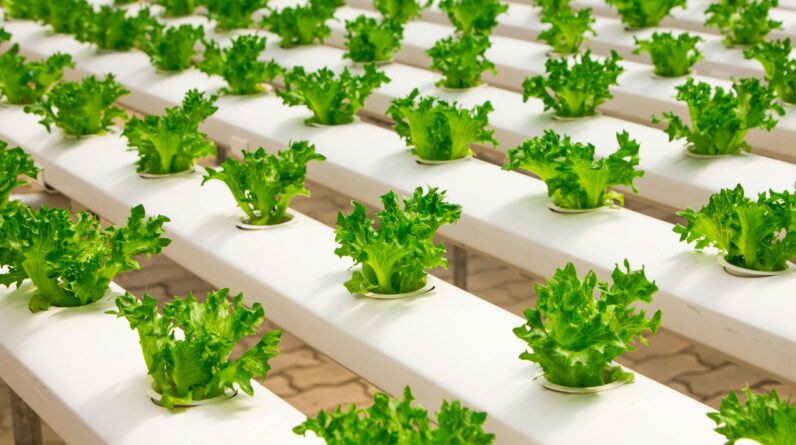
If you’re looking for a more sustainable way to grow your own food, then hydroponic gardening might just be the answer you’ve been searching for. This innovative method of cultivating plants without using soil has gained popularity in recent years due to its numerous benefits. By providing plants with the perfect balance of essential nutrients and water, hydroponic gardening allows for faster growth, higher yields, and the ability to grow crops year-round. Not only does this technique require less space compared to traditional farming, but it also eliminates the need for harmful pesticides and herbicides, making it an environmentally-friendly choice. So, whether you have a green thumb or are new to gardening, exploring the world of hydroponics can offer you a sustainable way to cultivate your own fresh produce.
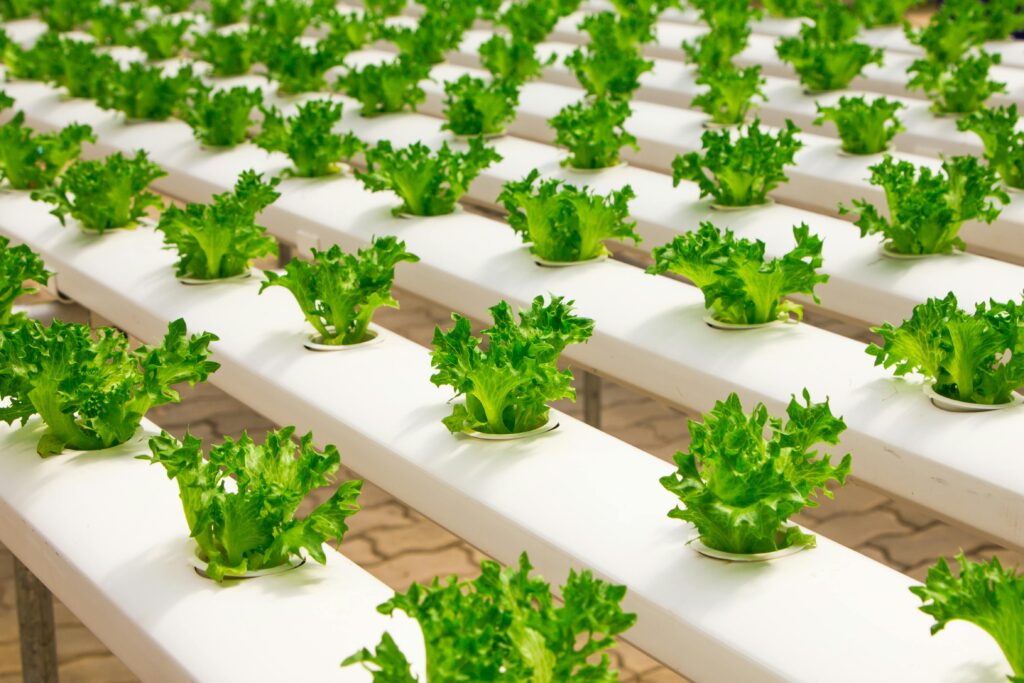
Water Conservation
Reduced water usage
One of the significant benefits of hydroponic gardening is its ability to conserve water. Traditional soil-based gardening requires large amounts of water to properly hydrate the plants and ensure their growth. In contrast, hydroponic systems use water much more efficiently. This is because hydroponics allows for precise control over the water supply, delivering water directly to the plant roots without wasteful runoff. By using a fraction of the water required in traditional gardening, hydroponics contribute to water conservation efforts.
No runoff pollution
In traditional soil-based gardening, excess water often leads to runoff that can carry harmful pollutants, such as fertilizers and pesticides, into nearby water bodies. This runoff poses a significant threat to the quality of our water sources and the ecosystems they support. With hydroponics, there is minimal to no runoff pollution. Since the water is contained within the system and recirculated, there is no risk of contamination reaching our streams, rivers, or lakes. Hydroponic gardening ensures that our water sources remain clean and unpolluted.
Reuse of water
In hydroponics, the water used to hydrate the plants is constantly recycled and reused within the system. Unlike soil-based gardening, where excess water is lost to evaporation or runoff, hydroponics captures and replenishes the water, minimizing waste. This practice not only conserves water but also reduces the need for frequent water replenishment. By reusing water, hydroponic gardening demonstrates efficient resource management, making it an excellent choice for sustainable living.
Fertilizer Efficiency
Precise nutrient control
In hydroponic systems, nutrients are directly supplied to the plants through water. This method allows for precise control over the nutrient composition, ensuring plants receive the optimal amount of each essential element. Unlike traditional gardening, where nutrients are present in the soil and can vary in availability, hydroponics eliminates any guesswork. This precise nutrient control enables plants to grow healthier, resulting in higher yields and reduced fertilizer waste.
Minimized nutrient leaching
Nutrient leaching occurs when excessive rainfall or irrigation causes nutrients to be washed out from the soil, rendering them inaccessible to plants. This process not only leads to nutrient deficiencies but also contributes to water pollution. In hydroponic gardening, nutrient leaching is virtually eliminated. As the plants receive a precisely controlled nutrient solution, there is no excess to be washed away. This efficient nutrient management allows for optimal plant growth and reduces environmental impact.
Reduced fertilizer waste
Traditional soil-based gardening often requires the application of fertilizers in excess, as nutrients can easily become locked in the soil or unavailable to plants. This over-application of fertilizers not only wastes valuable resources but also poses risks to the environment. Hydroponics effectively eliminates fertilizer waste by delivering nutrients directly to the plants’ roots in a readily available form. The precise nutrient delivery system of hydroponics ensures that every nutrient is utilized by the plants, minimizing waste and promoting sustainable cultivation practices.
Year-Round Cultivation
Eliminating seasonality
One of the limitations of traditional gardening is its reliance on specific seasons for planting and harvesting. Hydroponics, on the other hand, eliminates this reliance by allowing year-round cultivation. With hydroponics, you can control the growing conditions entirely, including temperature, humidity, and light. This control enables you to grow plants at any time of the year, providing a constant supply of fresh produce regardless of the season. By eliminating seasonality, hydroponic gardening promotes sustainable food production on a year-round basis.
Continuous harvests
In traditional gardening, plants are typically harvested once they reach maturity, limiting the continuous supply of fresh produce. Hydroponic systems, however, facilitate continuous harvests. As plants are grown under optimal conditions and receive precise nutrient delivery, they tend to grow faster and produce harvest-worthy yields in a shorter time frame. With this accelerated growth, you can harvest crops as soon as they are ready, allowing for a continuous rotation of crops and uninterrupted access to fresh, homegrown produce.
Increased crop diversity
Traditionally, some crops struggle to grow in specific climates or regionally limited environments. Hydroponics breaks these barriers by providing favorable conditions for various crops, regardless of geographical limitations. With precise control over the growing environment, hydroponic gardeners can expand their crop selection and experiment with a wider variety of plants. This increased crop diversity not only adds excitement and variety to your garden but also contributes to sustainable living by reducing our dependence on a limited range of crops and supporting biodiversity.
Space Optimization
Vertical farming
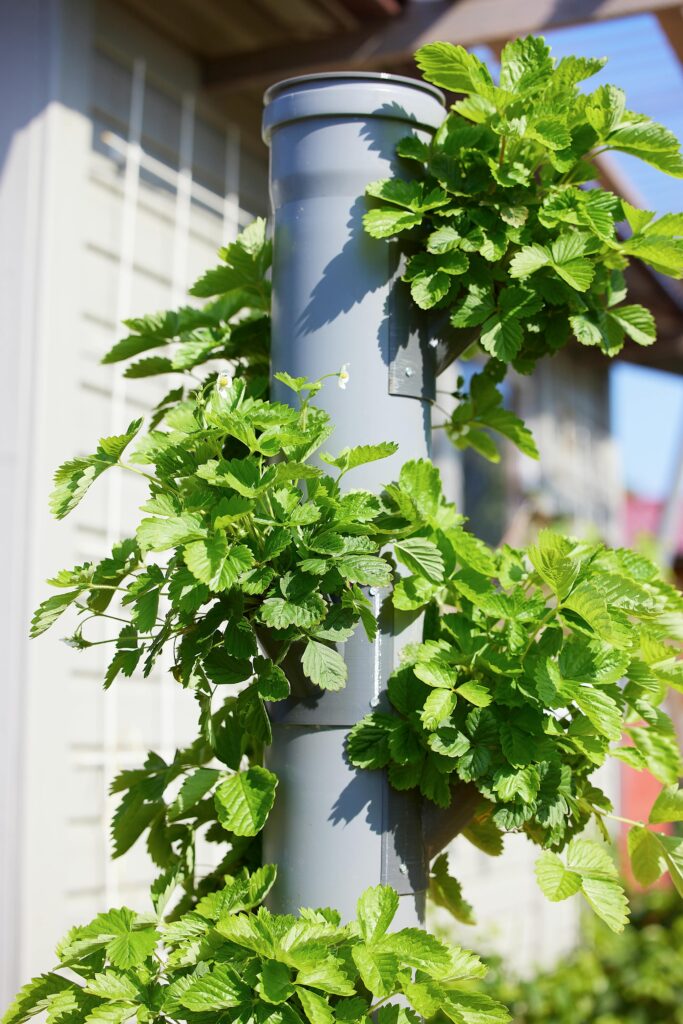
Urban spaces are often limited, making it challenging to engage in traditional gardening practices. Hydroponic gardening offers the solution of vertical farming, enabling you to cultivate plants in a vertical orientation, maximizing space utilization. Vertical farming allows you to grow upwards, utilizing walls, trellises, or stacked shelves to create a multi-tiered growing environment. This method significantly increases the number of plants you can grow in a limited area, bringing sustainable gardening practices to even the smallest of spaces.
Maximized land use
Land is a valuable and finite resource, making it crucial to optimize its usage. Hydroponics plays a key role in maximizing land use efficiency. Unlike traditional soil-based gardening, hydroponic systems require a smaller footprint to achieve comparable yields. By growing plants vertically or in compact systems, hydroponic gardeners can produce more food in the same amount of land, allowing for greater productivity and reduced strain on agricultural land resources. Maximized land use is pivotal for sustainable living and ensuring our future food security.
Grow in urban environments
Urban environments are typically devoid of large expanses of arable land, limiting the potential for sustainable food production. However, hydroponic gardening presents a practical solution to this challenge. With its space-efficient and controllable nature, hydroponic systems can be set up in urban environments such as rooftops, balconies, or even indoor spaces. By bringing agriculture into urban areas, hydroponics enables local food production and reduces the reliance on long-distance transportation. This integration of gardening in urban environments strengthens sustainability efforts and fosters a sense of community engagement.
Pest Control
Reduced need for pesticides
Traditional gardening often requires the regular application of pesticides to combat pests and diseases that could harm the plants. However, these pesticides can have adverse effects on the environment and human health. Hydroponic gardening, with its controlled and clean environment, significantly reduces the need for pesticides. The absence of soil minimizes the exposure to soil-borne pests, while the controlled climate and optimal growing conditions make it difficult for pests to thrive. As a result, hydroponic gardeners can enjoy pest-free gardening while minimizing the use of harmful chemicals.
Isolation of plants
Hydroponic systems provide a physical barrier between plants, effectively isolating them from potential pest infestations. In traditional gardening, pests can easily move from plant to plant through the soil, spreading diseases and causing widespread damage. Hydroponic gardening eliminates this risk by isolating plants in separate containers or systems. This isolation hinders the spread of pests and diseases, protecting the entire crop from potential harm. By preventing pest infestations, hydroponic gardening promotes sustainable and healthy plant growth.
Enhanced disease management
Disease management is a constant concern for gardeners, as pathogens can quickly spread and devastate plants. In hydroponics, diseases are easier to manage and control. The absence of soil eliminates many soil-borne diseases, reducing the risk of infection. Additionally, the clean and controlled environment in hydroponic systems makes it easier to identify and treat diseases promptly. By effectively managing diseases, hydroponic gardeners can ensure the health and longevity of their plants, contributing to sustainable gardening practices.
No Soil Dependence
Growing in non-arable areas
Many environments or regions may be classified as non-arable due to their soil composition, moisture levels, or other limiting factors. Hydroponic gardening provides a solution to grow plants in these non-arable areas. Since hydroponics does not rely on soil, it can be practiced virtually anywhere, regardless of soil quality or the presence of arable land. This allows for sustainable food production in previously untapped locations, supporting self-sufficiency and reducing food scarcity.
Avoiding soil contamination
Soil contamination, whether due to pollutants, heavy metals, or other harmful substances, can severely impact the quality and safety of the food we consume. Hydroponic gardening eliminates this concern, as it completely bypasses the use of soil. By growing plants in a soilless medium, hydroponic gardeners can ensure that their produce remains uncontaminated and safe for consumption. This soil independence eliminates the risk of ingesting harmful substances, promoting healthier and more sustainable food options.
No soil erosion
Soil erosion is a significant environmental issue that arises in traditional gardening due to factors such as wind or water runoff. Soil erosion not only degrades the quality of agricultural land but also contributes to sediment buildup in nearby water bodies. Hydroponic gardening eliminates the risk of soil erosion, as there is no soil present in the system. Without soil, hydroponics prevent erosion-related problems, maintain soil integrity, and protect terrestrial and aquatic ecosystems. Choosing hydroponics over traditional gardening practices contributes to sustainable land management and conservation.
Energy Efficiency
Lower energy consumption
Traditional agriculture often requires a significant amount of energy, mainly for irrigation, machinery operation, and transportation. Hydroponic gardening, on the other hand, is renowned for its energy efficiency. The controlled and optimized growing environment of hydroponic systems allows for reduced energy consumption. With precise control over factors like temperature, humidity, and light, hydroponics minimizes the energy required to maintain optimal plant growth. By adopting hydroponics, individuals can contribute to sustainable living by reducing their energy footprint.
Controlled lighting
In hydroponic gardening, artificial lighting is often utilized to ensure plants receive sufficient light for photosynthesis, especially in indoor or low-light environments. However, hydroponics allows for precise control over the lighting conditions, ensuring that energy consumption is kept to a minimum. By deploying energy-efficient grow lights and implementing smart lighting systems, hydroponic gardeners can tailor the light spectrum and intensity to meet the plants’ specific needs, optimizing energy use and fostering sustainable cultivation practices.
LED and solar technologies
To further enhance energy efficiency, hydroponic gardeners can harness the benefits of LED and solar technologies. LED grow lights offer high levels of energy efficiency, generating less heat and consuming less electricity compared to traditional lighting systems. Solar technologies, such as solar panels, can be used to power hydroponic systems, reducing reliance on fossil fuels and contributing to a sustainable energy supply. By utilizing LED and solar technologies, hydroponic gardening becomes even more energy-efficient and environmentally friendly.
Reduced Carbon Footprint
Minimal transportation
Traditional agriculture often involves long-distance transportation of food from rural farming areas to urban centers, contributing to greenhouse gas emissions and air pollution. With hydroponics, the need for transportation is significantly reduced. By growing fresh produce locally, such as in urban environments or even within homes, hydroponic gardeners eliminate the need for long journeys from farm to table. This reduction in transportation mileage results in lower carbon emissions, making hydroponic gardening a sustainable solution for reducing our carbon footprint.
Lower greenhouse gas emissions
In addition to minimizing transportation, hydroponic gardening also contributes to lower greenhouse gas emissions compared to traditional agriculture. The controlled environment of hydroponic systems allows for optimized resource usage, reducing the need for excessive water, fertilizers, and pesticides. By minimizing the use of these inputs, hydroponics helps to lower the associated carbon emissions. Additionally, the absence of tilling or cultivating soil in hydroponic gardening eliminates the release of carbon dioxide, further reducing greenhouse gas emissions and promoting sustainable living.
Sustainable energy sources
Hydroponic gardening can be integrated with sustainable energy sources to further reduce its carbon footprint. As mentioned previously, solar panels can provide the energy needed to power hydroponic systems, minimizing the reliance on grid electricity sourced from fossil fuels. Renewable energy sources, such as wind or hydroelectric power, can also be utilized to supply energy for indoor hydroponic setups. By embracing sustainable energy sources, hydroponic gardeners can operate their systems with minimal impact on the environment and contribute to a more sustainable future.
Health and Safety
Clean and controlled environment
In hydroponic systems, every element of the growing environment can be controlled and tailored to the plants’ specific needs. This level of control creates a clean and controlled environment that promotes healthy plant growth. Without soil, hydroponics eliminates the risk of soil-borne diseases and pests, ensuring safe and uncontaminated produce. Additionally, with the absence of weeds and other undesirable elements, hydroponic gardening provides a clean and aesthetically pleasing environment for both plants and gardeners, supporting sustainable gardening practices and healthy living.
No exposure to harmful chemicals
Traditional gardening often involves the application of fertilizers, pesticides, and herbicides, which may contain harmful chemicals. These chemicals pose risks to human health, especially when consumed through contaminated produce. Hydroponic gardening, with its minimal use of chemicals, eliminates the risk of exposure to harmful substances. By precisely controlling nutrient delivery and minimizing the need for pesticides, hydroponic systems produce clean and safe food. This emphasis on food safety makes hydroponics an ideal choice for individuals seeking healthier and more sustainable food options.
Safe food production
Food safety is of utmost importance, especially in an era where foodborne illnesses are a concern. Hydroponic gardening provides a safe and controlled environment for food production. With strict control over variables such as water quality, nutrient composition, and environmental conditions, hydroponics minimizes the risk of contamination throughout the entire growing process. This ensures that the food produced through hydroponics is safe for consumption, meeting high food safety standards. By choosing hydroponically grown produce, individuals can prioritize their health and well-being while supporting sustainable agricultural practices.
Community Engagement
Educational opportunities
Hydroponic gardening offers substantial educational opportunities for individuals of all ages. Its innovative and resource-efficient nature sparks curiosity and encourages learning about plant biology, ecological systems, and sustainable gardening practices. Schools, community centers, and botanical gardens can set up hydroponic systems as educational tools to teach students and communities about sustainable agriculture, food production, and environmental stewardship. By engaging in hydroponic gardening, communities can foster a culture of knowledge-sharing and inspire the next generation of environmentally conscious individuals.
Promoting local food production
Hydroponic gardening has the potential to revolutionize local food production. By growing fresh produce in urban environments or other localized settings, hydroponics allows communities to become more self-sufficient in food production. This reduction in dependence on long-distance transportation of food not only promotes local economies but also contributes to lower carbon emissions. Hydroponics empowers communities to take control of their food supply, supporting local farmers and ensuring access to fresh and nutritious food, all while maintaining sustainable cultivation practices.
Encouraging sustainable practices
Hydroponic gardening serves as a catalyst for promoting sustainable practices beyond just food production. By adopting hydroponics, communities can showcase and encourage other sustainable practices, such as water conservation, energy efficiency, and waste reduction. These practices can be incorporated into educational initiatives, community events, and public outreach programs, inspiring individuals to embrace a more sustainable lifestyle. Hydroponics demonstrates that even on a small scale, sustainable practices can have a significant impact and inspire positive change in wider communities.
In conclusion, hydroponic gardening offers numerous benefits for sustainable living. From water conservation and reduced fertilizer waste to year-round cultivation and space optimization, hydroponics presents a practical and eco-friendly solution to food production. By eliminating the reliance on soil, optimizing resource usage, and integrating sustainable technologies, hydroponic systems can produce healthy and safe food while minimizing environmental impact. As a community, we can engage in hydroponic gardening to promote local food production, educate others, and foster sustainable practices, ultimately working towards a more sustainable and self-sufficient future.


