


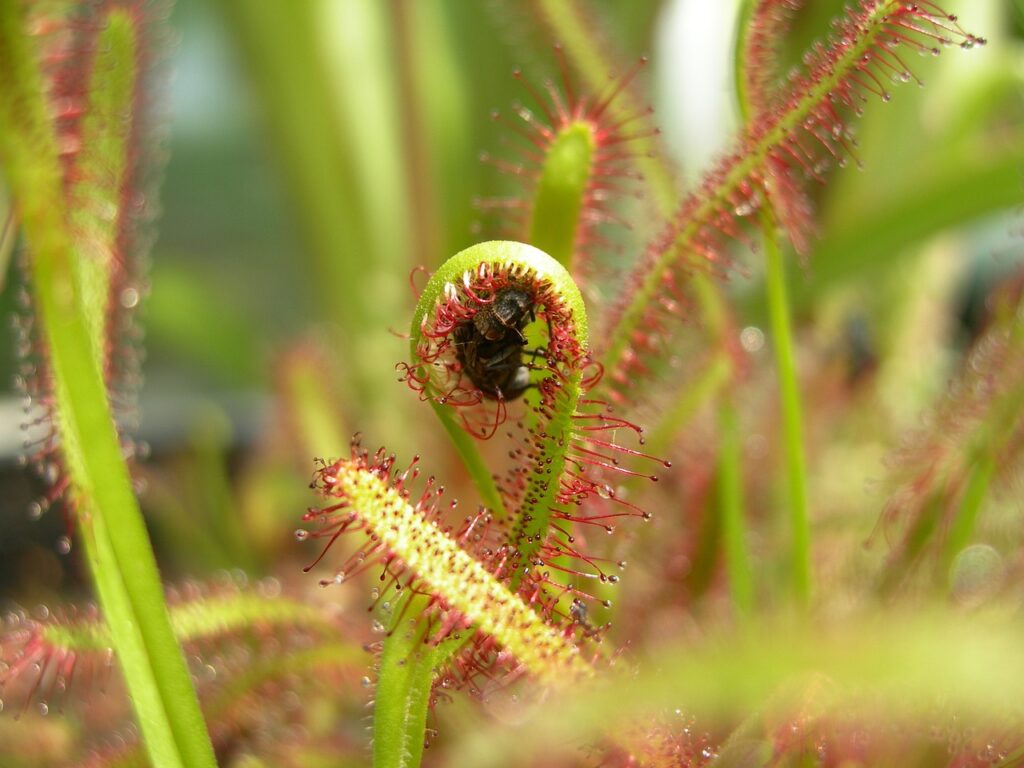
Have you ever heard of hydroponic carnivorous plants? If not, prepare to be amazed. This unique and fascinating hobby involves growing insect-devouring plants in a soil-less system. Hydroponic set-ups provide an ideal environment for these unusual plants to thrive, allowing enthusiasts to delve into a world where pitcher plants, sundews, and Venus flytraps reign supreme. In this article, we will explore the captivating world of hydroponic carnivorous plants, discovering the intricacies of their cultivation and the satisfaction they bring to hobbyists. Get ready to be intrigued by the wonders of these extraordinary botanical wonders.
Benefits of Hydroponic Carnivorous Plants
Hydroponic carnivorous plants offer several benefits that make them a unique and satisfying hobby. First and foremost, they require low maintenance compared to traditional soil-based gardening. Since hydroponics eliminates the need for soil, you don’t have to worry about weeding, tilling, or pests that often plague conventional gardens. With hydroponics, you can focus more on enjoying the beauty of your carnivorous plants rather than tedious upkeep.
Another advantage of hydroponic carnivorous plants is the ability to grow them year-round. Unlike outdoor gardens that are subject to seasonal limitations, hydroponic systems provide a controlled environment where you can nurture your plants regardless of the weather conditions outside. This means you can enjoy a thriving garden of carnivorous plants even during the winter months when outdoor gardening is often impossible.
Hydroponic systems are highly efficient when it comes to resource utilization. Since the plants receive their nutrients directly from water, they are not competing with other plants for nutrients present in the soil. This efficiency translates into faster growth and stronger plants. Additionally, hydroponic systems typically use less water compared to traditional gardening methods, making them environmentally friendly.
Accurate nutrient control is another significant benefit of hydroponic carnivorous plants. With hydroponics, you have complete control over the nutrient levels your plants receive. This control allows you to optimize their growth and health by providing the precise amount of nutrients they need at each stage of their growth cycle.
Getting Started with Hydroponic Carnivorous Plants
Choosing the right species
When getting started with hydroponic carnivorous plants, it’s important to choose the right species that are well-suited for this type of cultivation. Some carnivorous plants, such as pitcher plants or sundews, are better suited for hydroponics due to their adaptability to different growing conditions. Researching and selecting the right species will ensure a successful and enjoyable growing experience.
Setting up a hydroponic system
To grow carnivorous plants hydroponically, you will need to set up a suitable hydroponic system. There are various types of hydroponic systems available, each with its own advantages and considerations. Some popular options for carnivorous plants include the wick system, the Nutrient Film Technique (NFT), and the drip system. Depending on the space available, cost, and personal preference, you can choose the system that best suits your needs.
Providing the correct environment
Creating the right environment for your hydroponic carnivorous plants is crucial for their success. These plants typically thrive in high humidity and bright but filtered light environments. You can use a humidity dome or place your plants in a room with a humidifier to maintain the ideal humidity levels. It’s also important to provide adequate airflow to prevent mold and diseases. Additionally, using a grow light with appropriate intensity and duration will ensure your plants receive the right amount of light for optimal growth.
Hydroponic Systems for Carnivorous Plants
Wick system
The wick system is one of the simplest and most beginner-friendly hydroponic systems. It consists of a reservoir of nutrient solution and a wick made of porous material, such as cotton or nylon, that transports the solution to the plant roots. This system is often used for smaller carnivorous plants and requires minimal equipment and maintenance.
Nutrient Film Technique (NFT)
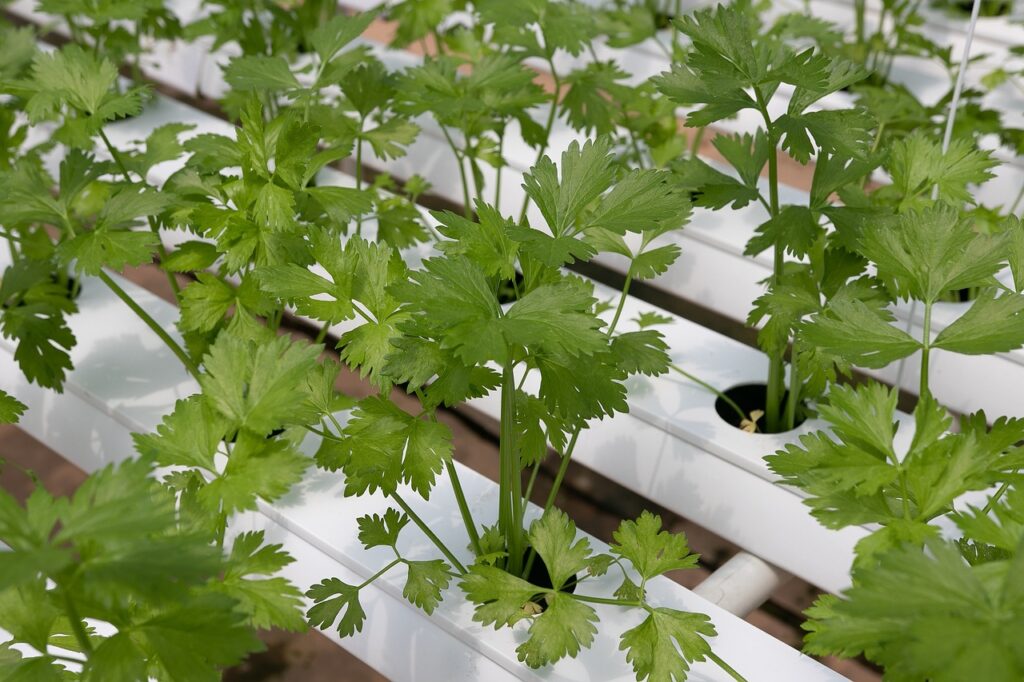
The Nutrient Film Technique (NFT) is a hydroponic system in which a thin film of nutrient solution continuously flows over the plant roots, providing a constant supply of nutrients. This system is popular for larger carnivorous plants that require a steady flow of nutrients. While it may require slightly more setup and maintenance than the wick system, it offers excellent nutrient availability and can promote rapid growth.
Drip system
The drip system is another commonly used hydroponic system for carnivorous plants. It functions by periodically dripping nutrient solution onto the plant roots. This system provides more control over the frequency and volume of the nutrient solution delivered to the plants. It is versatile and can be easily scaled for larger gardens or multiple plants.
Selecting and Preparing the Growing Medium
Sphagnum peat moss
Sphagnum peat moss is a common and recommended growing medium for hydroponic carnivorous plants. It has excellent moisture retention properties while also allowing for proper aeration. Sphagnum peat moss is harvested from bogs and is known for its acidity, which is suitable for carnivorous plants that require acidic growing conditions.
Perlite and vermiculite mixture
A mixture of perlite and vermiculite is another popular choice for hydroponic carnivorous plant growing media. This mixture provides good drainage while retaining enough moisture for the plants’ roots. Perlite is a lightweight, porous volcanic rock that promotes aeration, while vermiculite is a naturally occurring mineral that holds moisture. The combination of the two creates an ideal environment for carnivorous plants.
Coco coir
Coco coir, a byproduct of coconut processing, is gaining popularity as a hydroponic growing medium. It has excellent water retention capabilities while also providing good aeration for the roots. Coco coir comes in various forms, including blocks, fibers, and chips, and is a sustainable and renewable option for growing carnivorous plants.
Nutrient Requirements for Hydroponic Carnivorous Plants
Understanding macronutrients
Carnivorous plants have unique nutrient requirements compared to other plants. They obtain most of their nutrients from insects they capture, but in hydroponic systems, supplemental nutrients are necessary. The primary macronutrients needed by carnivorous plants include nitrogen, phosphorus, and potassium. Nitrogen aids in leaf and stem growth, phosphorus promotes root development and flowering, while potassium contributes to overall plant health and tolerance to stress.
Balancing micronutrients
In addition to macronutrients, carnivorous plants require a balance of essential micronutrients for proper growth. Micronutrients include elements such as iron, manganese, calcium, and magnesium, among others. Maintaining the right balance of these nutrients is crucial as deficiencies or excesses can negatively impact the health and development of your plants.
Feeding frequency
Establishing a regular feeding schedule for your hydroponic carnivorous plants is essential for their well-being. These plants have higher nutrient requirements compared to non-carnivorous plants due to their unique feeding methods. Balancing nutrient delivery and avoiding overfeeding is important as excessive nutrients can lead to nutrient burn and other issues. Consulting species-specific guidelines or seeking advice from experienced growers can help you determine the appropriate feeding frequency for your carnivorous plants.
Watering and pH Management
Determining the right watering schedule
Proper watering is crucial for hydroponic carnivorous plants to thrive. Unlike traditional gardening, where plants can draw moisture from the soil, hydroponic systems rely on the grower to provide water directly to the plants. The frequency of watering will depend on factors such as the plant species, the hydroponic system used, and the environmental conditions. Monitoring the moisture content of the growing medium and the appearance of the plants’ leaves can help you determine the right watering schedule.
Monitoring and adjusting pH levels
Maintaining the correct pH level is vital for the health of hydroponic carnivorous plants. Carnivorous plants typically require slightly acidic conditions, with pH levels ranging between 4.0 and 6.0. Monitoring the pH of the nutrient solution regularly is important, as pH levels that are too high or too low can hinder nutrient availability and lead to nutrient deficiencies or toxicities. Adjusting the pH of the solution using pH adjusters, such as pH up or pH down, can help maintain optimal conditions for your plants.
Avoiding waterlogging
Carnivorous plants, like most plants, require well-draining growing media to prevent waterlogging. Waterlogged roots can lead to root rot, which can severely damage or kill the plant. Proper drainage in the hydroponic system, along with careful monitoring of watering practices, can help prevent waterlogging. Ensuring that excess water is effectively drained away from the root zone will promote healthy root development and overall plant vigor.
Providing Adequate Light
Choosing suitable grow lights
Since carnivorous plants often grow in habitats with bright sunlight, providing adequate light is crucial when growing them hydroponically. Depending on the species and your specific setup, you can choose from a variety of grow lights, including fluorescent, LED, or high-intensity discharge lights. Each type of light has different benefits and considerations, such as energy consumption and light spectrum. Researching the light requirements of your chosen carnivorous plant species will help you select the most suitable grow lights.
Understanding light intensity and duration
Carnivorous plants require a specific light intensity and duration to thrive. Light intensity is measured in foot-candles or lux, indicating the amount of light reaching the plant’s surface. Different species have varying light intensity requirements, with some preferring brighter light than others. Duration refers to the number of hours the plants are exposed to light each day. Most carnivorous plants need 12 to 16 hours of light per day for optimal growth. Adjusting the light intensity and duration based on the specific needs of your plants is important for promoting healthy growth.
Avoiding light stress
Although carnivorous plants thrive in bright conditions, it’s important to avoid subjecting them to excessive light stress. Light stress can occur when plants receive too much intense light for an extended period, leading to leaf burn or bleaching. To prevent light stress, gradually acclimate your plants to higher light intensity levels, provide shade during peak sunlight hours, and ensure the light source is at an appropriate distance from the plants. Monitoring the plants closely for any signs of stress will help you make adjustments and maintain their health.
Propagation Techniques for Hydroponic Carnivorous Plants
Leaf cuttings
Leaf cuttings are a common and straightforward method of propagating carnivorous plants. To propagate using leaf cuttings, select healthy leaves from the parent plant and cut them into sections, ensuring that each section has a portion of the midrib. Place the leaf sections in a suitable growing medium and maintain the necessary moisture and light conditions. Given the right conditions, new plants will emerge from the leaf sections and eventually grow into mature carnivorous plants.
Stem cuttings
Stem cuttings can also be used to propagate carnivorous plants. Select a healthy stem from the parent plant and cut it just below a node. Remove any leaves from the lower portion of the cutting and place it in a suitable growing medium. Maintain the right moisture and light conditions, and root development should occur over time. Once the roots have established, the cutting can be transferred to its own hydroponic system or growing container.
Tissue culture
Tissue culture is a more advanced propagation technique that involves the propagation of carnivorous plants using small tissue samples from the parent plant. This technique requires specialized laboratory equipment and techniques, making it less accessible to home growers. Tissue culture allows for the rapid multiplication of plants in a sterile environment, ensuring clean and disease-free plants. It is commonly used in commercial production of carnivorous plants.
Potential Challenges and Solutions
Pest and disease management
Like any plant, hydroponic carnivorous plants can be susceptible to pests and diseases. Common pests that may affect carnivorous plants include aphids, spider mites, and fungus gnats. Preventive measures such as regularly inspecting your plants, maintaining good hygiene, and using organic pest control methods can help minimize pest infestations. Identifying and addressing diseases promptly, such as fungal infections or bacterial rots, can significantly reduce their impact on your carnivorous plant collection.
Preventing root rot
Root rot can be a significant concern for hydroponic carnivorous plants, particularly when waterlogging or improper watering practices are present. To prevent root rot, ensure that your hydroponic system has proper drainage and that the growing medium allows excess water to flow away from the roots. Monitor watering practices closely and adjust as needed to maintain the right moisture levels. If root rot is detected, it is essential to take immediate action, such as adjusting watering practices, removing infected plants, or using appropriate fungicidal treatments.
Avoiding nutrient deficiencies
Proper nutrient management is crucial in hydroponic systems to prevent nutrient deficiencies in carnivorous plants. Each species has specific nutrient requirements, and deficiencies can manifest as discoloration or deformities in leaves or stunted growth. Regularly monitoring the nutrient levels in the solution, adjusting the feeding schedule as needed, and ensuring a balanced nutrient solution can help prevent nutrient deficiencies. If deficiencies occur, targeted nutrient supplements or adjustments can help rectify the issue and promote healthy growth.
Harvesting and Utilizing the Harvested Plants
Harvesting techniques
Harvesting carnivorous plants involves collecting mature plant parts for various purposes. For example, pitcher plants can be harvested when the pitchers are fully formed and have captured insects. Use sharp, sterile tools to carefully cut off the desired plant parts, taking care not to damage the remaining plant. Harvesting from healthy plants will ensure the harvested materials are of the highest quality.
Preserving and storing harvested materials
Once harvested, carnivorous plant materials can be preserved and stored for various uses. Some enthusiasts preserve their carnivorous plants in resin to create unique and beautiful displays. Other harvested materials can be dried or pressed for use in art or educational purposes. Proper drying and storage techniques, such as using airtight containers and keeping them in a cool, dark place, will help maintain the quality and longevity of the harvested materials.
Uses of carnivorous plant harvests
Harvested materials from carnivorous plants have various applications. The most obvious use is the study and observation of these fascinating plants. Educators and hobbyists can use preserved or dried plant specimens for educational displays or botanical art. Some carnivorous plants, such as the Venus flytrap, produce enzymes that have potential applications in research and pharmaceuticals. Additionally, some enthusiasts may use harvested materials in cooking or explore creative uses for these unique plants.
In conclusion, hydroponic carnivorous plants offer a unique and rewarding gardening experience. The low maintenance, year-round growing, highly efficient nature, and accurate nutrient control make them an appealing choice for plant enthusiasts. By choosing the right species, setting up a suitable hydroponic system, and providing the correct environment, you can embark on a successful hydroponic carnivorous plant adventure. Remember to select and prepare the appropriate growing medium, understand the nutrient requirements, manage watering and pH levels effectively, provide adequate light, utilize propagation techniques, tackle potential challenges, and make use of harvested plants in various ways. With proper care and attention, hydroponic carnivorous plants can bring the beauty and wonder of these unique plants into your home or garden.


