


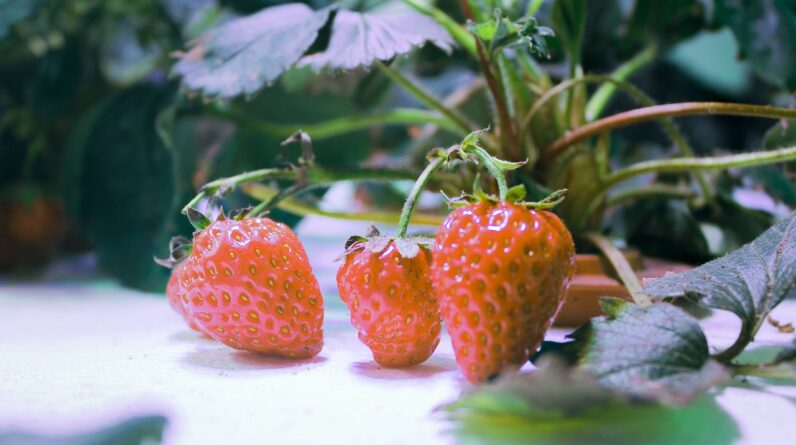
So, you’ve got a green thumb and you’ve always been fascinated by the idea of growing your own strawberries. Well, my friend, you’re in luck because this article is all about introducing you to the world of hydroponic strawberry growing. Gone are the days of traditional soil-based gardening, as hydroponics offers an innovative and efficient way to cultivate strawberries. Whether you’re a seasoned gardener or just starting out, this beginner’s guide will equip you with the knowledge and confidence to grow delicious and juicy strawberries year-round, regardless of the outdoor conditions. So, let’s get ready to embark on this exciting adventure of hydroponic strawberry growing, shall we?
Benefits of hydroponic strawberry growing
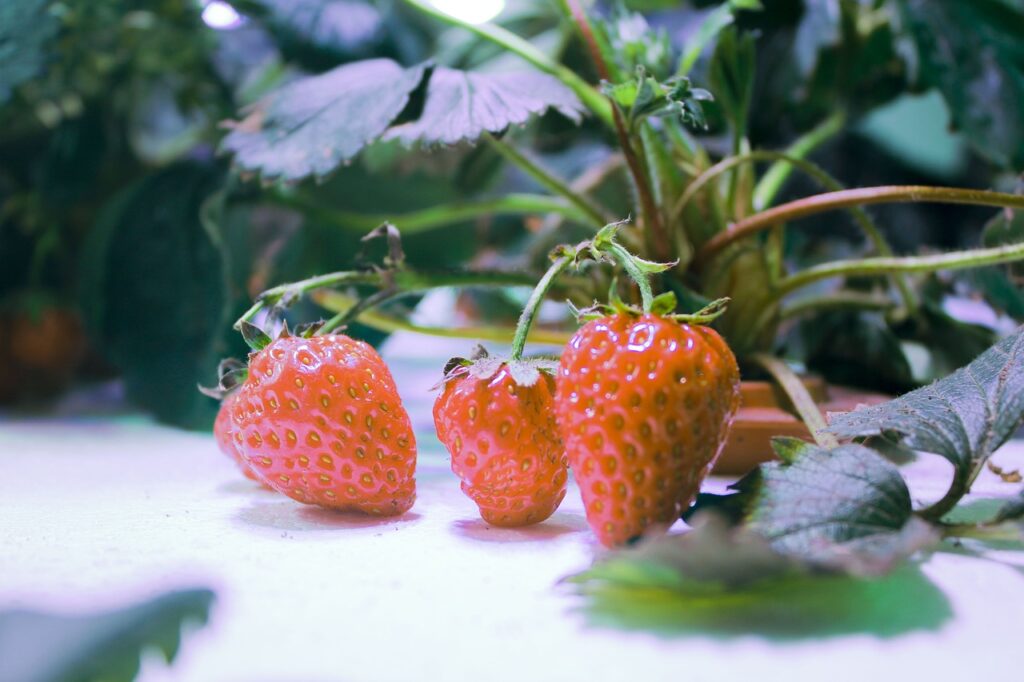
Hydroponic strawberry growing offers several benefits that make it an attractive option for beginners and experienced gardeners alike. Whether you have limited space, want to conserve water, or desire more control over nutrient levels, hydroponic systems can provide a solution. Additionally, the ability to cultivate strawberries year-round is a significant advantage. Let’s explore the key benefits of hydroponic strawberry growing in more detail.
Water conservation
One of the primary advantages of hydroponic strawberry growing is its water-saving nature. Traditional soil-based gardening often requires excessive amounts of water to keep plants adequately hydrated, leading to wastage. In contrast, hydroponic systems use a recirculating water system that allows for efficient water usage. The plants receive the exact amount of water they need, and any excess is collected and reused, reducing water consumption significantly.
Space efficiency
If you have limited space but still want to enjoy the benefits of homegrown strawberries, hydroponic systems are the way to go. Unlike traditional soil gardening, hydroponics eliminates the need for large garden beds. Instead, plants can be grown vertically, maximizing the available space. This is particularly beneficial for those living in apartments, urban areas, or homes with small yards, as hydroponic systems can be set up in any indoor or outdoor location with enough light.
Optimal nutrient control
In hydroponic systems, you have complete control over the nutrient levels your strawberry plants receive. This level of precision allows you to create the ideal growing conditions and ensure your plants receive the necessary nutrients for healthy growth. By monitoring and adjusting nutrient solutions as needed, you can maximize the yield and flavor of your strawberries. This control also minimizes the risk of nutrient deficiencies or toxicities and allows you to customize the growing conditions to suit different varieties of strawberries.
Year-round cultivation
Perhaps one of the most enticing benefits of hydroponic strawberry growing is the ability to cultivate strawberries year-round. With traditional soil gardening, strawberries are typically grown during specific seasons, limiting your access to fresh, homegrown strawberries for the rest of the year. Hydroponic systems, on the other hand, allow you to create a controlled environment where strawberries can thrive regardless of the external climate. This means you can enjoy a steady supply of fresh strawberries throughout the year, regardless of the weather outside.
Choosing the right variety of strawberries
Before embarking on your hydroponic strawberry growing journey, it’s essential to choose the right variety of strawberries for your specific needs and preferences. Different varieties have distinctive characteristics, such as fruiting season and flavor profiles, that will impact your overall experience. Here are three common types of strawberries to consider:
June-bearing strawberries
June-bearing strawberries, as the name suggests, produce a bountiful harvest in early to mid-summer. These varieties typically yield larger fruits, making them popular among home gardeners and for culinary purposes. They require a brief period of colder temperatures to initiate flowering and fruiting, making them suitable for regions with distinct seasons. If you enjoy the excitement of a strawberry harvest during the summer months, June-bearing varieties are an excellent choice.
Everbearing strawberries
Everbearing strawberries, as the name implies, produce multiple harvests throughout the growing season. These varieties typically start fruiting in late spring and continue to produce strawberries into the fall. While the individual fruit size may be smaller compared to June-bearing varieties, the continuous harvest makes them appealing to those who want a steady supply of strawberries over a more extended period. Everbearing strawberries are also less dependent on colder temperatures, making them suitable for a wider range of climates.
Day-neutral strawberries
Day-neutral strawberries are a versatile option that can provide a good balance between June-bearing and everbearing varieties. They produce fruit consistently throughout the growing season, regardless of day length or temperature fluctuations. Day-neutral strawberries typically produce medium-sized fruits and can be a great choice for those who want a steady harvest but don’t have the space or time commitment for multiple plants. With their ability to thrive in various climates, day-neutral strawberries offer flexibility for hydroponic growers.
Setting up a hydroponic system
Once you’ve chosen the right variety of strawberries, it’s time to set up your hydroponic system. Proper planning and preparation are crucial to ensure the success of your strawberry-growing venture. Here are the key steps involved in setting up a hydroponic system for your strawberries.
Selecting a suitable location
The first step in setting up a hydroponic system is to choose a suitable location. Ideally, you’ll want an area with ample sunlight or access to artificial grow lights, as strawberries require at least 6-8 hours of direct or indirect sunlight daily. If you’re setting up an indoor hydroponic system, consider the availability of space and light sources. The location should be easily accessible for monitoring and maintenance, and it should have a stable temperature and humidity level.
Types of hydroponic systems
Various types of hydroponic systems can be used to grow strawberries. The choice largely depends on your preferences, available space, and budget. Some popular options include nutrient film technique (NFT), deep-water culture (DWC), and vertical tower systems. NFT systems, for example, are suitable for strawberries due to their ability to provide ample oxygen and nutrient availability. Research and explore the different types of hydroponic systems to determine which one aligns best with your needs.
Essential equipment and materials
To set up your hydroponic system, you’ll need several essential equipment and materials. This includes containers or trays for holding the plants, growing media, nutrient reservoirs, pumps, hoses, and a pH meter. Depending on the type of system you choose, you may also require additional supplies such as grow lights, ventilation fans, and timers. It’s important to gather all the necessary equipment and materials before beginning your hydroponic strawberry garden to ensure a smooth setup process.
Preparing the growing medium
Choosing the right growing medium is crucial for the success of your hydroponic strawberry garden. The growing medium serves as a support system for the plants’ roots and holds moisture and nutrients. Here are some common types of growing mediums used in hydroponics:
Types of growing mediums
-
Rockwool: Made from spun volcanic rock fibers, rockwool is a popular choice due to its water retention and aeration properties.
-
Coco coir: Derived from coconut husks, coco coir is an organic and sustainable growing medium that offers good moisture retention and aeration.
-
Perlite: Perlite is a lightweight volcanic glass that provides excellent drainage and aeration, making it suitable for hydroponic systems.
-
Vermiculite: Similar to perlite, vermiculite is a mineral-based medium that retains moisture well and provides good aeration.
-
Clay pellets: Also known as hydroton or expanded clay, clay pellets are lightweight, pH-neutral, and provide excellent drainage.
Sterilization and preparation
Before using a growing medium, it’s essential to sterilize it to eliminate any potential pathogens or pests. Sterilization can be done by baking the medium in an oven at a specific temperature or using a commercial sterilization product. Follow the manufacturer’s instructions to ensure proper sterilization. Once sterilized, the growing medium should be thoroughly rinsed to remove any debris or excess salts. This ensures a clean and suitable environment for your strawberry plants to grow and thrive.
Starting strawberry seeds or plants
Once your hydroponic system and growing medium are ready, it’s time to start growing your strawberry plants. You have two primary options for getting started: germinating strawberry seeds or purchasing strawberry plants. Let’s explore each option in more detail.
Germinating seeds
If you choose to start with strawberry seeds, you’ll need to germinate them before transplanting them into your hydroponic system. Start by soaking the seeds in warm water for a few hours to soften the outer coating. Then, place the seeds on a damp paper towel and fold it over to cover them. Keep the paper towel moist and place it in a warm location. Within a week, you should start to see the seeds germinate, and once the seedlings have developed roots, they are ready to be transplanted into your hydroponic system.
Purchasing strawberry plants
Alternatively, you can purchase young strawberry plants from a reputable nursery or garden center. This is a more convenient option if you want to skip the seed germination process or if you prefer to start with more established plants. When purchasing strawberry plants, look for healthy specimens with a vibrant green color, free from any signs of disease or stress. Once you have your strawberry plants, you can proceed to transplant them into your hydroponic system.
Transplanting and establishing strawberries
Transplanting your strawberry seedlings or plants correctly is crucial for their overall health and productivity. Follow these steps to ensure a successful transplantation process.
Preparing the hydroponic system
Before transplanting your strawberry seedlings or plants, ensure that your hydroponic system is clean and properly set up. This includes checking the nutrient solution, adjusting the pH if necessary, and ensuring all equipment is functioning correctly. Take the time to familiarize yourself with the specific requirements of your chosen hydroponic system and make any necessary adjustments before proceeding with transplanting.
Transplanting seedlings or plants
For seedlings germinated from seeds, carefully remove them from the paper towel and gently separate any tangled roots. Make small holes in the growing medium, spacing them according to the specific requirements of the strawberry variety you’re growing. Place the seedlings in the holes, taking care not to damage the delicate roots. Gently firm the growing medium around the roots to secure the seedlings in place.
If you’re transplanting strawberry plants purchased from a nursery, gently remove the plants from their containers, being careful not to damage the roots. Place each plant into a pre-dug hole in the growing medium, ensuring that the roots are well-covered and supported.
Proper spacing and nutrient adjustment
Proper spacing is crucial for the healthy growth and development of your strawberry plants. Ensure that there is enough room for the plants to grow and spread their foliage without overcrowding. Space the plants according to the recommendations for your specific strawberry variety, typically around 12-18 inches apart. This spacing allows for proper air circulation and prevents the growth of diseases and pests.
In addition to spacing, it’s important to adjust the nutrient solution to meet the specific needs of your strawberry plants. Different varieties may have varying nutrient requirements, so monitoring and adjusting the nutrient solution accordingly is essential. Follow the manufacturer’s instructions for the specific hydroponic nutrient solution you’re using and regularly test the pH and nutrient levels to maintain optimal conditions for your strawberries.
Providing optimal growing conditions
To ensure the success of your hydroponic strawberry garden, it’s important to provide the ideal growing conditions for your plants. This includes controlling temperature and humidity levels, providing sufficient lighting, and ensuring proper ventilation.
Temperature and humidity control
Strawberries thrive in moderate temperatures, ideally between 60-75°F (15-24°C). Avoid extreme temperature fluctuations, as this can stress the plants and affect their growth and fruiting. It’s also important to maintain proper humidity levels, typically between 50-70%, to prevent excessive moisture or dryness. Consider using a thermometer and hygrometer to monitor these levels and make any necessary adjustments, such as using fans or humidifiers, to maintain the optimal growing environment.
Lighting requirements
If you’re growing strawberries indoors or in a location with limited natural sunlight, you’ll need to provide artificial lighting. Strawberries require a minimum of 6-8 hours of light per day to promote healthy growth and fruiting. LED grow lights are a popular choice for hydroponic systems, as they are energy-efficient and provide the necessary light spectrum for plant growth. Position the lights at an appropriate distance from the plants to ensure they receive optimal light intensity without causing heat damage.
Proper ventilation
Proper ventilation is vital for maintaining a healthy growing environment and preventing the buildup of moisture and mold. Ensure that there is adequate airflow around your hydroponic system, especially if it is located indoors or in a confined space. This can be achieved by using fans or ventilation systems to circulate air and prevent stagnant conditions. Regularly monitor the humidity levels and adjust ventilation as needed to create optimal growing conditions for your strawberries.
Irrigation and nutrient management
Watering and nutrient management are critical aspects of hydroponic strawberry growing. Proper irrigation and nutrient levels ensure the health and productivity of your plants. Here are key considerations for irrigation and nutrient management in a hydroponic strawberry garden.
Watering frequency and duration
Strawberries require consistent moisture to grow and produce healthy fruits. In a hydroponic system, adjust the watering frequency and duration based on the specific needs of your plants and the environmental conditions. The goal is to keep the growing medium moist but not overly saturated. Regularly check the moisture level by inserting your finger into the growing medium. If it feels dry, it’s time to water. Avoid letting the growing medium completely dry out or become waterlogged, as this can lead to stress and hinder plant growth.
Choosing the right nutrient solution
Selecting the appropriate nutrient solution is crucial for providing the necessary nutrients for your strawberry plants. Hydroponic nutrient solutions are specifically formulated to deliver the essential elements strawberries require for healthy growth and optimal fruit production. Read the instructions provided by the manufacturer and follow the recommended dilution ratio. It’s also advisable to adjust the nutrient solution based on the specific growth stage of your plants, as their nutrient requirements may change.
Monitoring and adjusting pH and nutrient levels
Regular monitoring of pH and nutrient levels is essential to ensure your strawberry plants have the optimal growing conditions. Strawberries prefer a slightly acidic pH range of 5.5-6.5. Use a pH meter or pH test strips to regularly check the pH of the nutrient solution and adjust it as needed using pH up or pH down solutions. Monitoring nutrient levels, such as nitrogen, phosphorus, and potassium, allows you to make any necessary adjustments to maintain the optimal balance for healthy plant growth. Regular testing and adjustments will help prevent nutrient deficiencies or toxicities that can impact the overall health and productivity of your strawberries.
Managing pests and diseases
Like any garden, hydroponic strawberry systems are not immune to pests and diseases. However, proper preventative measures and organic pest control methods can help ensure a healthy and robust strawberry crop. Here are some common pests affecting hydroponic strawberries and ways to manage them.
Common pests affecting hydroponic strawberries
-
Spider mites: These tiny pests can cause significant damage to strawberry plants by sucking the sap from the leaves, leading to yellowing, stunted growth, and webbing. Regularly inspect the leaves for any signs of spider mite infestation and spray the plants with a neem oil solution or insecticidal soap to control them.
-
Aphids: Aphids are small, pear-shaped insects that can multiply quickly, causing damage to your strawberry plants by feeding on the leaves and transmitting viruses. Use insecticidal soap or a strong stream of water to remove aphids from the plants. Ladybugs and lacewings are natural predators that can help control aphid populations.
-
Fungus gnats: Fungus gnats are small flies that lay their eggs in the growing medium, and their larvae can feed on plant roots, leading to weakened plants. To control fungus gnats, allow the growing medium to dry out slightly between waterings and use yellow sticky traps to catch adult flies.
Preventative measures
To minimize the risk of pests and diseases, it’s essential to implement preventative measures in your hydroponic system. Start by practicing good hygiene, such as regularly cleaning and sterilizing your hydroponic equipment and avoiding cross-contamination between plants. Inspect your plants regularly for any signs of pest or disease infestations, and take immediate action upon detection. Providing proper ventilation and maintaining optimal humidity levels can also help create an environment less favorable for pests and diseases.
Organic pest control methods
If pests do become a problem in your hydroponic strawberry garden, there are several organic pest control methods you can try. These methods avoid the use of synthetic chemicals and promote a more sustainable and environmentally-friendly approach. Some options include introducing beneficial insects, such as ladybugs or predatory mites, to eat the pests, using organic insecticidal soaps or oils, or creating physical barriers, such as netting or row covers, to prevent pests from reaching your plants. Research the specific pest or disease you’re dealing with to determine the most effective method for control.
Conclusion
Hydroponic strawberry growing offers numerous benefits, making it an excellent choice for both beginners and experienced gardeners. The water-saving nature of hydroponics, along with the efficient use of space, provide a sustainable and productive way to cultivate strawberries. The ability to control nutrient levels and cultivate strawberries year-round further enhances the appeal of hydroponic systems. By choosing the right strawberry variety, setting up a suitable hydroponic system, and providing optimal growing conditions, you can enjoy a bountiful harvest of fresh, homegrown strawberries. With proper irrigation and nutrient management, along with effective pest and disease control, your hydroponic strawberry garden can thrive and bring you joy for years to come.


