


Are you a hydroponics enthusiast looking to maximize the growth and yield of your plants? If so, you’ll know that achieving optimal temperature and humidity control is crucial for success. In this article, we will explore the importance of maintaining the right balance of temperature and humidity in hydroponics systems and provide practical tips on how to achieve optimal control. Whether you’re a beginner or an experienced hydroponics gardener, this article will help you create the perfect environment for your plants to thrive.
Temperature Control in Hydroponics
Hydroponics is a method of growing plants in a soilless medium, relying on nutrient-rich water instead. In this controlled environment, maintaining the right temperature is crucial for the optimal growth and development of the plants. Understanding the importance of temperature control in hydroponics systems is essential to ensure successful cultivation.
Understanding the Importance of Temperature Control
Temperature plays a significant role in the overall health and productivity of plants. Different crops have specific temperature preferences, and deviation from these optimal conditions can lead to decreased growth rates, reduced yields, and even plant stress or death. Temperature control allows growers to create an environment that closely mimics the natural conditions required for plant growth, enabling crops to thrive.
Factors Affecting Temperature in Hydroponics Systems
Several factors influence the temperature within hydroponics systems. The external environment, such as the ambient temperature and sunlight intensity, can impact the internal temperature of the system. Additionally, the type of hydroponic system used, the size of the system, and the amount of plants being grown can all affect temperature regulation. The heat generated by lighting systems, pumps, and other equipment within the system must also be taken into account.

Ideal Temperature Range for Hydroponic Growth
Different plants have different temperature requirements for optimal growth. However, as a general guideline, most hydroponic crops thrive within a temperature range of 65-80°F (18-27°C). This range provides an optimum balance between photosynthesis rates, nutrient uptake, and metabolic processes. It is crucial to adjust temperature settings based on the specific crop being grown to maximize its growth potential.
Monitoring and Measuring Temperature in Hydroponics Systems
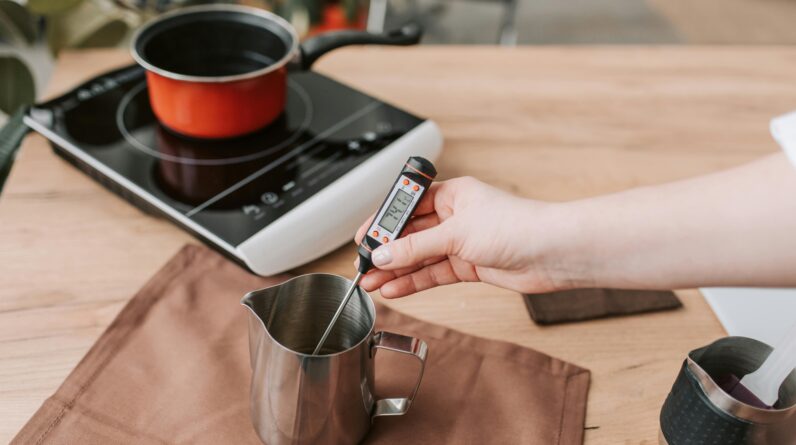
To ensure proper temperature control, regularly monitoring and measuring the temperature in hydroponics systems is essential. This can be achieved using various tools and instruments like digital thermometers and temperature probes. Probes can be placed at different points within the system, such as the reservoir, nutrient solution lines, or root zone, to get accurate readings. It is recommended to measure temperature at multiple locations to get a comprehensive understanding of the system’s temperature distribution.

Methods for Temperature Control in Hydroponics
There are several methods available for temperature control in hydroponics systems. One common approach is to utilize a heating system during winter or in colder climates to maintain the desired temperature range. This can be achieved through the use of water heaters, radiant heating systems, or electric heaters. On the other hand, cooling systems, such as air conditioners, evaporative coolers, or ventilation fans, can be employed to lower the temperature during hot summer months. These systems help maintain a stable and favorable temperature environment for the plants.
Common Temperature-related Issues in Hydroponics Systems
Failure to properly control temperature in hydroponics systems can lead to various issues. Excessive heat can cause plants to wilt, reduce nutrient uptake, and increase the risk of disease and pest infestation. On the other hand, excessively low temperatures can slow down growth, inhibit nutrient absorption, and decrease overall plant vigor. It is crucial to identify and address temperature-related issues promptly to prevent further damage to the crops.

Preventing and Managing Temperature-related Issues
To prevent and manage temperature-related issues, growers can implement certain measures. Ensuring proper insulation and enclosure design helps maintain a consistent temperature within the growing area. Adequate ventilation and air circulation aid in dissipating excess heat and regulating temperature. Additionally, using shade cloths or reflective materials can help control the impact of sunlight and prevent overheating. Regular monitoring and adjusting of the temperature settings based on the plant’s growth stage and environmental conditions are crucial for effective temperature control.
Best Practices for Temperature Control in Hydroponics
To achieve optimal temperature control in hydroponics systems, it is essential to follow some best practices. Firstly, use high-quality temperature control equipment and regularly calibrate them for accurate readings. Insulate the system properly to minimize heat loss and fluctuations. Optimize lighting placement to minimize heat generation. Maintain a consistent temperature by adjusting the control settings accurately. Finally, regularly monitor the temperature and make adjustments as necessary, while also considering the specific temperature requirements of the plants being cultivated.
By understanding the importance of temperature control, monitoring and measuring the temperature accurately, employing appropriate temperature control methods, and implementing best practices, growers can ensure optimal temperature conditions for their hydroponic crops. This proactive approach will lead to healthier plants, increased yields, and overall success in hydroponic cultivation.


