


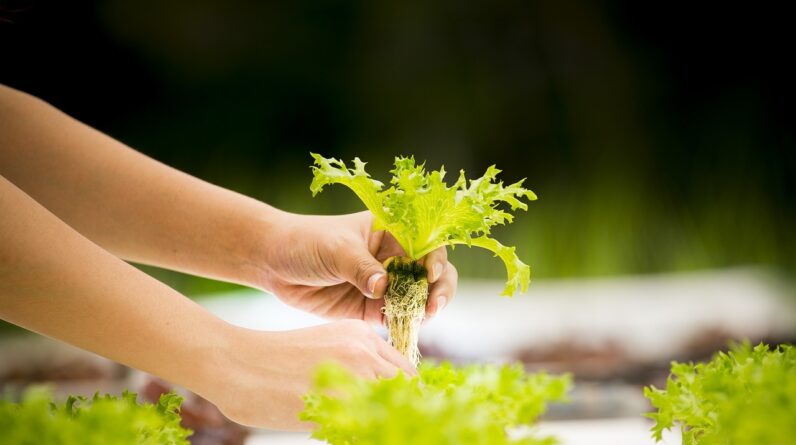
So you’ve decided to try your hand at hydroponic gardening and want to start growing plants from seeds? Don’t worry, you’re not alone! Many beginners like yourself are venturing into the world of hydroponics and discovering the numerous benefits it offers. In this beginner’s guide, we will walk you through the process of starting seeds in a hydroponic system, breaking it down into simple steps that anyone can follow. Whether you have a green thumb or are just starting to explore the world of gardening, this article will provide you with the necessary knowledge and guidance to successfully start your seeds in a hydroponic system.
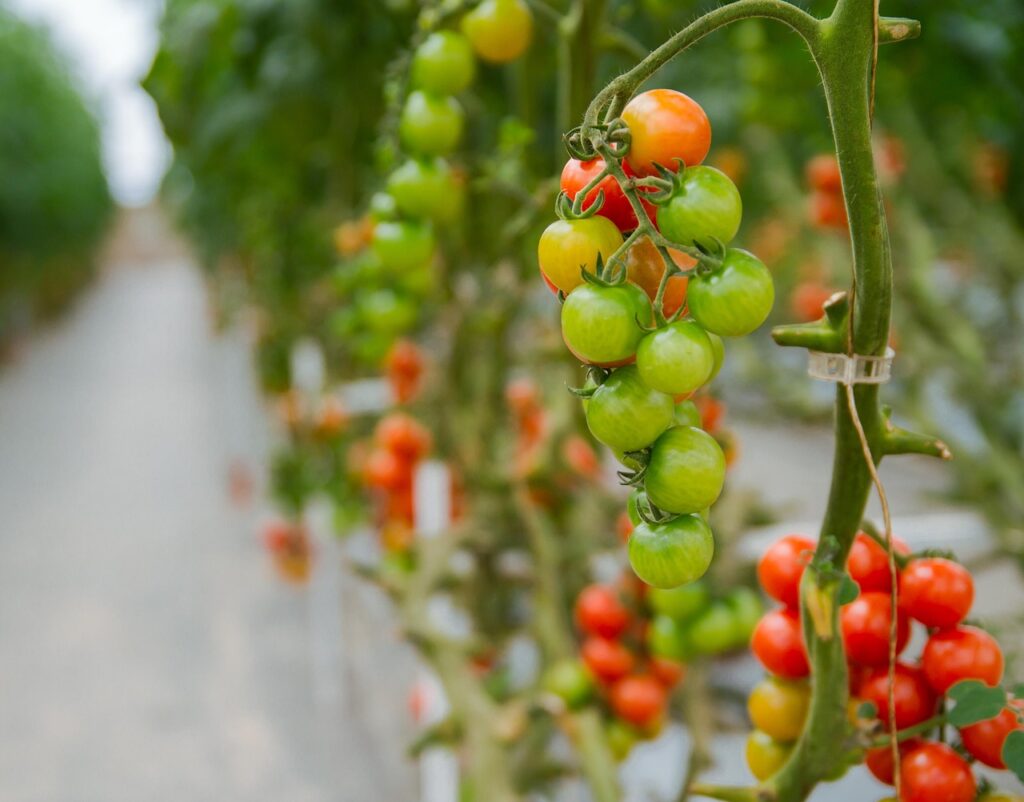
Choosing the Right Hydroponic System
When starting seeds in a hydroponic system, the first thing you need to consider is the available space. Hydroponic systems come in various sizes and configurations, so it’s essential to choose one that fits your specific space constraints. Whether you have a small balcony or a dedicated indoor grow room, there is a hydroponic system that can work for you.
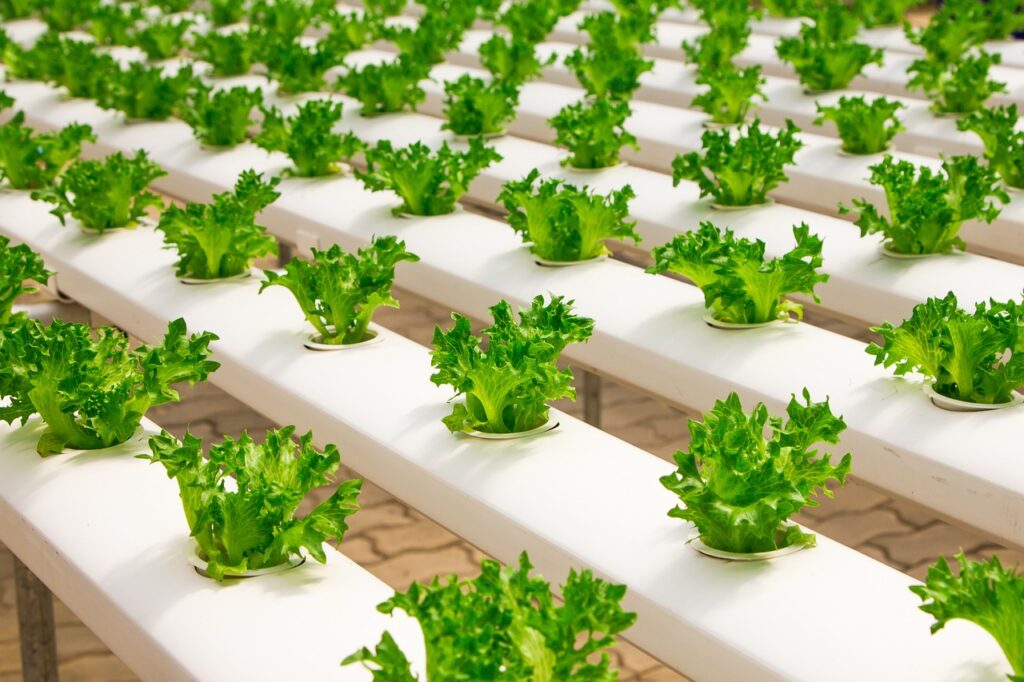
Next, you should evaluate the different types of hydroponic systems available. Some popular options include deep water culture, nutrient film technique, and ebb and flow systems. Each system has its advantages and disadvantages, so it’s crucial to do your research and select one that aligns with your goals and resources.
Researching different hydroponic systems is an important step in the process. Take the time to learn about the pros and cons of each system, as well as the specific requirements for successful seed germination and growth. This research will help you make an informed decision and ensure that you choose a system that will meet your needs.
Finally, when selecting a hydroponic system, consider your specific needs and goals. Are you looking to grow a wide variety of plants or focus on a specific crop? Do you have limited time for maintenance, or are you willing to invest more effort for higher yields? By understanding your needs, you can choose a system that aligns with your goals and maximizes your chances of success.
Selecting the Right Seeds for Hydroponic Growth
In order to have a successful hydroponic garden, it is crucial to select seeds that are suitable for hydroponic growth. Not all seeds are created equal, and certain varieties are better suited for hydroponic systems than others.
When choosing seeds for hydroponic growth, focus on varieties that are known to perform well in soilless environments. These varieties are often referred to as “hydroponic-friendly” or “hydroponic-adapted” seeds. Look for seeds that are specifically labeled for hydroponic use or that have been bred for soilless cultivation.
Consider the specific plant varieties you want to grow. Different crops have different requirements and may thrive or struggle in a hydroponic system. Leafy greens like lettuce and spinach tend to do well in hydroponic setups, while root vegetables like carrots may be more challenging. Think about what you enjoy eating and what grows well in hydroponic systems when making your seed selections.
Another important factor to consider is disease resistance. In a controlled environment like a hydroponic system, diseases can spread quickly and devastate your crop. Look for seeds that are resistant to common diseases in your area or seek out varieties that have been bred for disease resistance.
Finally, check the germination rate and viability of the seeds you are considering. This information is generally available on the seed packet or from the supplier. Choosing seeds with high germination rates will increase your chances of successful seedling growth in your hydroponic system.
Preparing the Hydroponic Setup
Before planting your seeds, it’s crucial to properly prepare your hydroponic setup. This preparation ensures that your system is clean, balanced, and ready to provide the necessary conditions for seed germination and growth.
Start by cleaning and sanitizing your hydroponic system. Remove any debris or lingering residue from previous crops. This step helps prevent the buildup of harmful pathogens and ensures a healthy growing environment for your seedlings. Use a mild bleach solution or a commercial hydroponic system cleaner to sterilize the equipment thoroughly.
Next, ensure that the pH level of your nutrient solution is within the appropriate range for seed germination. Most seeds prefer a slightly acidic environment, so aim for a pH of around 5.5 to 6.0. Use a pH testing kit or meter to measure the pH level and make any necessary adjustments using pH up or down solutions.
Along with pH, the nutrient concentration of your solution should also be properly balanced. Follow the manufacturer’s instructions for mixing and diluting nutrients to achieve the correct strength. Adjust the levels as needed to provide the essential nutrients for healthy seedling development.
Proper lighting is essential for successful hydroponic growth. Set up appropriate lighting fixtures that provide the right spectrum and intensity for seed germination and growth. LED grow lights are a popular choice for hydroponic setups due to their energy efficiency and ability to provide a full spectrum of light.
Before starting your seeds, it’s a good idea to test the entire system to ensure that everything is functioning correctly. Run the system for a day or two without any plants to make sure that the temperature, humidity, and nutrient delivery are all working properly. This step allows you to catch any potential issues before they affect your seedlings.
Preparing the Seeds for Planting
Once your hydroponic system is fully prepared, it’s time to get your seeds ready for planting. Follow these steps to ensure the best chances of successful germination and healthy seedling growth.
Gather all the necessary materials before you start planting. This includes seed trays, seed cubes, or other planting containers, as well as a high-quality growing medium. Choose a growing medium that is suitable for hydroponics, such as rockwool, coconut coir, or perlite.
Soaking the seeds is an optional step that can help speed up the germination process. Some seeds have hard protective coatings that can benefit from soaking in water overnight. However, not all seeds require soaking, so check the seed packet or do some research to determine if this step is necessary for your seeds.
Sterilizing the seeds is another optional step that can help prevent the spread of diseases and pests. This process involves soaking the seeds in a diluted bleach solution or hydrogen peroxide. Be sure to follow the instructions provided by the manufacturer and thoroughly rinse the seeds afterward to remove any residual sterilizing agents.
Prepare your seed trays or cubes by filling them with the chosen growing medium. Dampen the medium slightly by misting it with water, ensuring it is moist but not saturated. This moisture will provide the necessary environment for seed germination.
Planting the Seeds in the Hydroponic System
With your seeds and containers prepared, it’s time to plant them in your hydroponic system. Follow these steps to ensure proper planting and give your seeds the best start possible.
Fill the trays or cubes with the chosen growing medium. The medium should be evenly distributed, filling each cell or container. Gently press down the medium to create a firm surface for seed placement.
Plant the seeds at the right depth according to the instructions provided on the seed packet. In general, most seeds should be planted at a depth of two to three times their own diameter. This depth helps protect the seeds and provides a stable environment for germination and early growth.
Provide adequate moisture and humidity in the growing environment. Seeds need a consistently moist environment to germinate successfully. Use a spray bottle to mist the growing medium or cover the trays with a clear plastic dome or plastic wrap to create a humid environment. Check the moisture levels daily and add water as needed to maintain optimal conditions.
Maintain the optimal temperature for seed germination. Most seeds germinate best at temperatures between 65°F and 75°F (18°C to 24°C). If necessary, use a heating mat or adjust the room temperature to provide the ideal conditions. Keep in mind that different seeds may have slightly different temperature preferences, so check the requirements for the specific seeds you are planting.
Caring for Seedlings in the Hydroponic System
As your seeds start to germinate and grow into seedlings, it’s important to provide the proper care and attention they need for healthy development. Follow these guidelines to ensure your seedlings thrive in your hydroponic system.
Monitor and adjust nutrient levels to provide the necessary nutrients for healthy growth. Check the nutrient solution’s strength using an electrical conductivity (EC) meter or a total dissolved solids (TDS) meter. Adjust the nutrient concentration as needed to maintain optimal levels for your specific crop and growth stage.
Ensure proper lighting duration to give your seedlings the right amount of light. Most seedlings need 14 to 16 hours of bright light per day for healthy growth. Set a timer for your grow lights to ensure consistent and adequate lighting duration.
Control temperature and humidity in your hydroponic system to create an optimal growing environment. Maintain temperatures within the range recommended for your specific crop. Adequate humidity is also crucial for seedling growth, so monitor the humidity levels and use a humidifier or misting system if needed.
Regularly check for pests and diseases that may affect your seedlings. Inspect the leaves, roots, and growing medium for any signs of pests or diseases. Common issues include aphids, whiteflies, and fungal diseases. Take prompt action if you notice any problems to prevent them from spreading or causing damage to your young plants.
Transferring Seedlings to the Hydroponic System
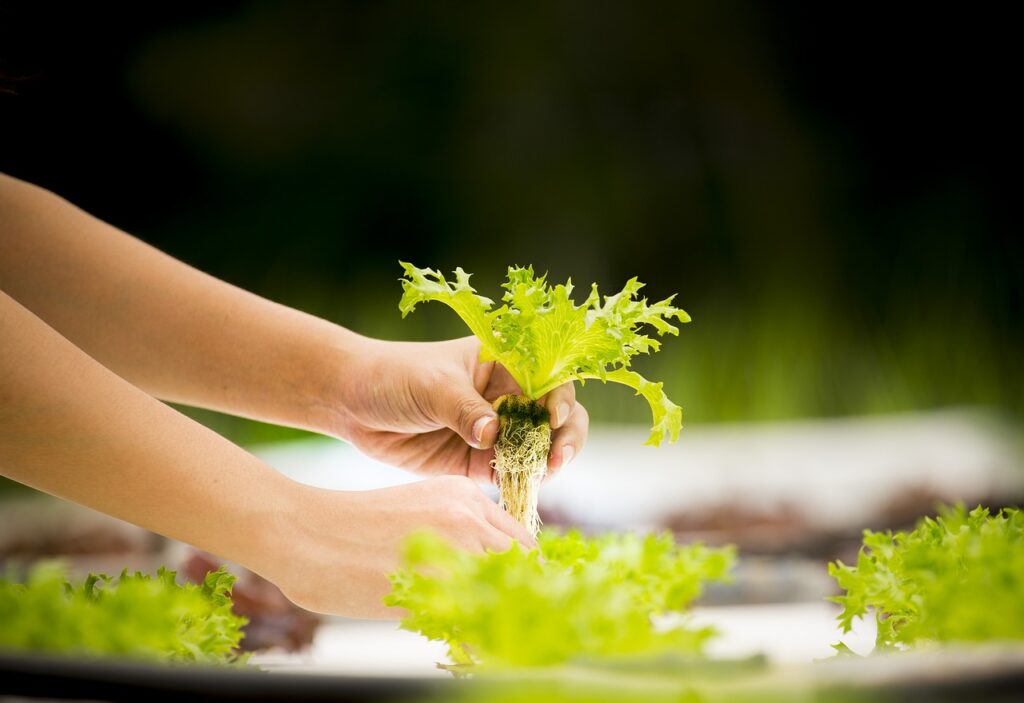
Once your seedlings have developed true leaves and are strong enough to handle transplanting, it’s time to transfer them to the hydroponic system. Follow these steps to ensure a successful and smooth transition.
Wait until your seedlings have developed true leaves, which are the second set of leaves that appear after the cotyledons. True leaves indicate that the seedlings are strong and mature enough to withstand the transplanting process.
Prepare your hydroponic system for transplanting by ensuring that the nutrient solution is properly balanced and the temperature and humidity are dialed in. Double-check the pH level and nutrient concentration to provide the best environment for your seedlings.
Gently remove the seedlings from the trays or cubes by carefully loosening the growing medium around the roots. Be extra cautious not to damage the delicate roots.
Plant the seedlings in your hydroponic system according to the specific requirements of your chosen system. Follow the recommended spacing and ensure that the roots are properly immersed in the nutrient solution or growing medium, depending on the system you are using.
Maintaining the Hydroponic System for Optimal Seedling Growth
Once your seedlings are successfully transplanted into the hydroponic system, it’s essential to maintain the system properly to ensure optimal seedling growth. Follow these steps to keep your hydroponic system running smoothly.
Regularly monitor and adjust the nutrient solution to provide the necessary nutrients for optimum seedling growth. Check the pH and nutrient levels at least once a week and make any necessary adjustments. Nutrient solutions can become imbalanced over time, so it’s important to stay on top of your system’s needs.
Inspect and clean the system regularly to prevent the buildup of algae, debris, or other contaminants. Dirty systems can lead to clogged lines, poor water flow, and increased risk of disease or pest issues. Take the time to clean and sanitize your system according to the manufacturer’s recommendations.
Keep track of pH levels to ensure that they remain within the appropriate range. pH levels can fluctuate as plants take up nutrients, so it’s important to check them regularly. Make any necessary adjustments using pH up or down solutions to maintain a stable pH.
Provide proper air circulation in your growing area. Good air circulation helps prevent mold, mildew, and stagnant air pockets. Use fans or ventilation systems to ensure that there is sufficient airflow around the seedlings and throughout the growing area.
Troubleshooting Common Issues with Hydroponic Seed Starters
Even with proper care and maintenance, issues can sometimes arise when starting seeds in a hydroponic system. Here are some common issues and their potential solutions:
Addressing nutrient deficiencies: If your seedlings show signs of nutrient deficiencies, such as yellowing leaves or stunted growth, it may be necessary to adjust the nutrient solution. Consult a comprehensive guide or expert advice to identify the specific nutrient deficiency and make appropriate changes to the nutrient solution.
Dealing with root rot and diseases: Root rot can occur in hydroponic systems when the roots are constantly exposed to excess moisture. To prevent root rot, ensure adequate drainage and airflow in your system. If you notice signs of root rot, such as brown or slimy roots, it may be necessary to remove the affected plants and clean the system thoroughly before replanting.
Preventing pests and insect infestations: Pests can be a common issue in any garden, including hydroponic systems. Monitor your plants regularly and take action at the first sign of pests, such as visible insects or damage to the leaves. Consider using organic pest control methods, such as insecticidal soaps or predatory insects, to manage pest populations.
Resolving pH imbalance: pH imbalance can lead to nutrient deficiencies and hinder seedling growth. Regularly monitor the pH level of your nutrient solution and make adjustments as needed using pH up or down solutions. A stable pH level will help ensure optimal nutrient uptake and overall plant health.
Harvesting and Replanting in the Hydroponic System
Once your seedlings have matured into fully grown plants, it’s time to harvest and replant your hydroponic system. Follow these steps to make the most of your harvest and prepare for the next planting cycle.
Monitor the maturity of your plants to determine the best time for harvesting. Different crops have different maturity indicators, such as color changes or specific growth stages. Consult plant-specific guides or resources to learn when your plants are ready for harvest.
Harvest the crops properly to ensure the best flavor and quality. Use clean, sharp tools to harvest fruits or vegetables, and handle them gently to avoid bruising or damaging the produce. Properly store the harvested crops according to their specific storage requirements to maintain freshness and quality.
Clean and sanitize the hydroponic system before starting the replanting process. Remove any plant debris, clean the containers or trays thoroughly, and sterilize the system as needed. This step helps prevent the spread of diseases and ensures a clean and healthy environment for the next batch of seedlings.
Select and prepare new seeds for replanting. Consider rotating your crops to prevent soilborne diseases and ensure proper nutrient uptake. Choose high-quality seeds that are suitable for hydroponic growth and follow the same steps outlined earlier in the article to prepare your seeds for planting.
In conclusion, starting seeds in a hydroponic system can be a rewarding and efficient way to grow your own plants. By choosing the right hydroponic system, selecting suitable seeds, properly preparing the setup, caring for the seedlings, and maintaining the system, you can optimize your chances of success and enjoy a bountiful harvest. Remember to troubleshoot common issues and follow proper procedures for harvesting and replanting to ensure ongoing success in your hydroponic gardening journey.


