


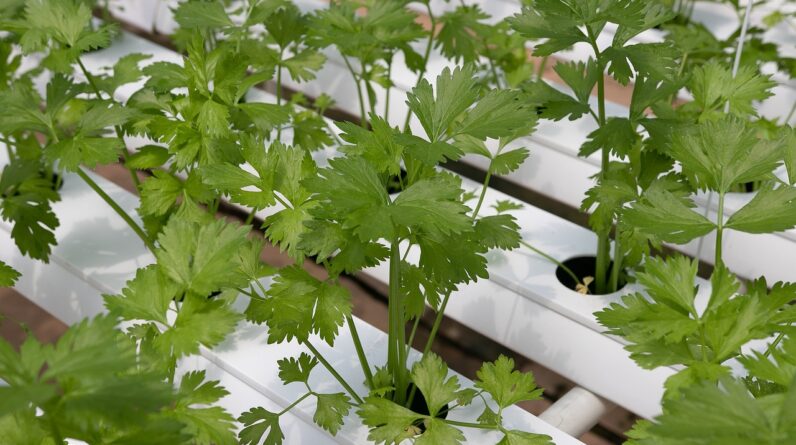
So you’ve heard about this new trend called hydroponic gardening and you’re intrigued. Maybe you want to grow your own fresh herbs or vegetables but you don’t have a backyard or the time to maintain a traditional garden. Well, you’re in luck because hydroponic gardening might just be the solution for you. In this article, we’ll give you a brief overview of what hydroponic gardening is all about and how you can get started on your own hydroponic garden. No green thumb required!
What is Hydroponic Gardening?
Definition of hydroponic gardening
Hydroponic gardening is a method of growing plants without soil. Instead, plants are cultivated in a nutrient-rich water solution that provides all the necessary elements for their growth. This technique allows plants to grow faster and produce higher yields compared to traditional soil-based gardening.
Advantages of hydroponic gardening
There are several advantages to hydroponic gardening. First and foremost, it conserves water. Since the plants are grown in a water-based system, there is no need for excessive watering. Additionally, hydroponic gardening allows for year-round cultivation, as it can be done indoors or in controlled environments. This means you can enjoy fresh produce even during the winter months. Moreover, hydroponic gardening eliminates the need for pesticides and herbicides, making it a more sustainable and environmentally friendly option. Lastly, because plants are not competing for nutrients in the soil, they can grow more efficiently and produce higher yields.
History of hydroponic gardening
Although hydroponics may seem like a modern technique, its origins can be traced back centuries. The Hanging Gardens of Babylon, one of the Seven Wonders of the Ancient World, were believed to be built using hydroponics. In the 17th century, a Belgian chemist named Jan Baptist van Helmont conducted experiments using water alone to grow plants. However, hydroponic gardening as we know it today began to gain popularity in the 20th century, with advancements in technology and scientific understanding.
Setting Up Your Hydroponic Garden
Choosing the right location
When setting up a hydroponic garden, it is important to choose the right location. Ideally, you want a space that receives ample sunlight or has sufficient access to artificial lighting. The area should also have good ventilation to prevent the buildup of excess humidity. Considerations should also be made for the size and accessibility of the space, as well as its proximity to a water source.
Selecting a hydroponic system
There are various types of hydroponic systems to choose from, each with its own set of pros and cons. Some popular options include the nutrient film technique (NFT), deep water culture (DWC), and aeroponics. The choice of system will depend on factors such as the type of plants being grown, the available space, and your level of experience with hydroponics.
Gathering necessary materials and tools
To set up your hydroponic garden, you will need a few essential materials and tools. These include a reservoir or tank to hold the nutrient solution, a pump to circulate the solution, growing containers (such as net pots or grow trays), a pH meter, pH adjusters, an air pump for oxygenation, and appropriate lighting fixtures. Additionally, depending on the chosen hydroponic system, you may need specific components such as grow media, irrigation tubing, and timers.
Preparing the growing medium
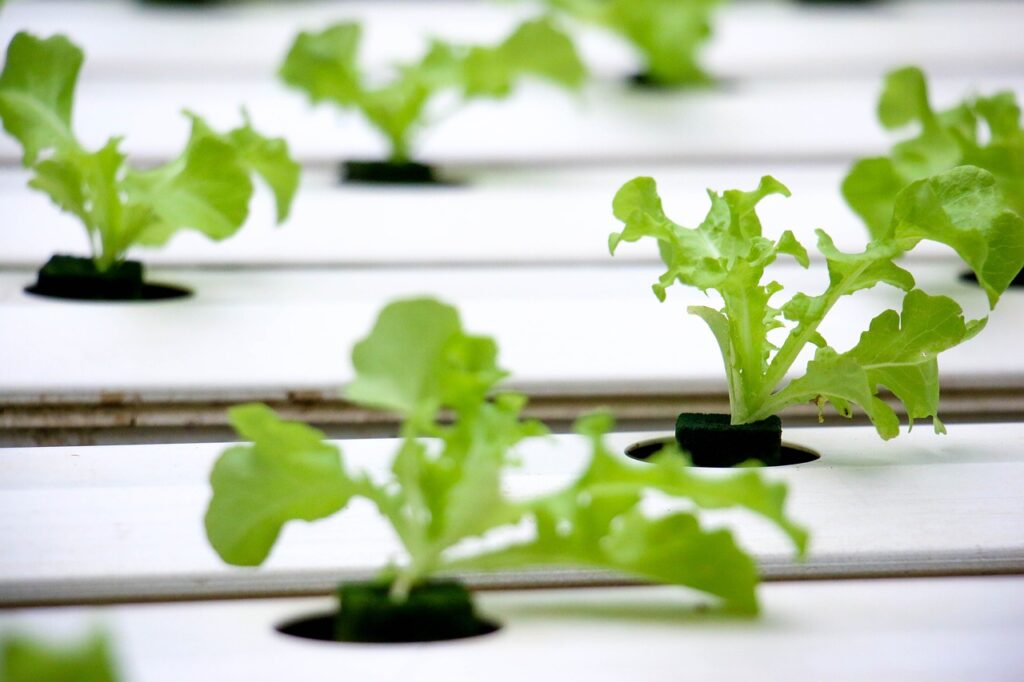
While hydroponic gardening eliminates the need for soil, a growing medium is still necessary to provide support for the plants’ roots. Popular options for grow media include rockwool, perlite, vermiculite, and coconut coir. Before planting, it is important to properly prepare the grow media by soaking it in water and adjusting the pH to ensure optimal conditions for the plants’ root development.
Selecting Plants for Hydroponic Gardening
Best plants for hydroponic gardening
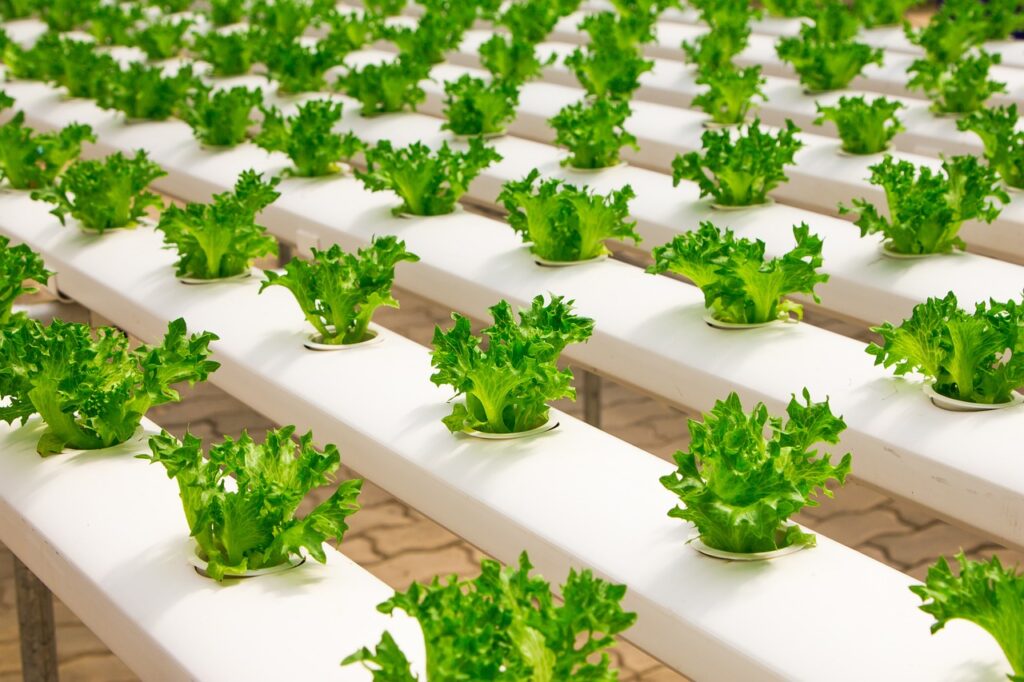
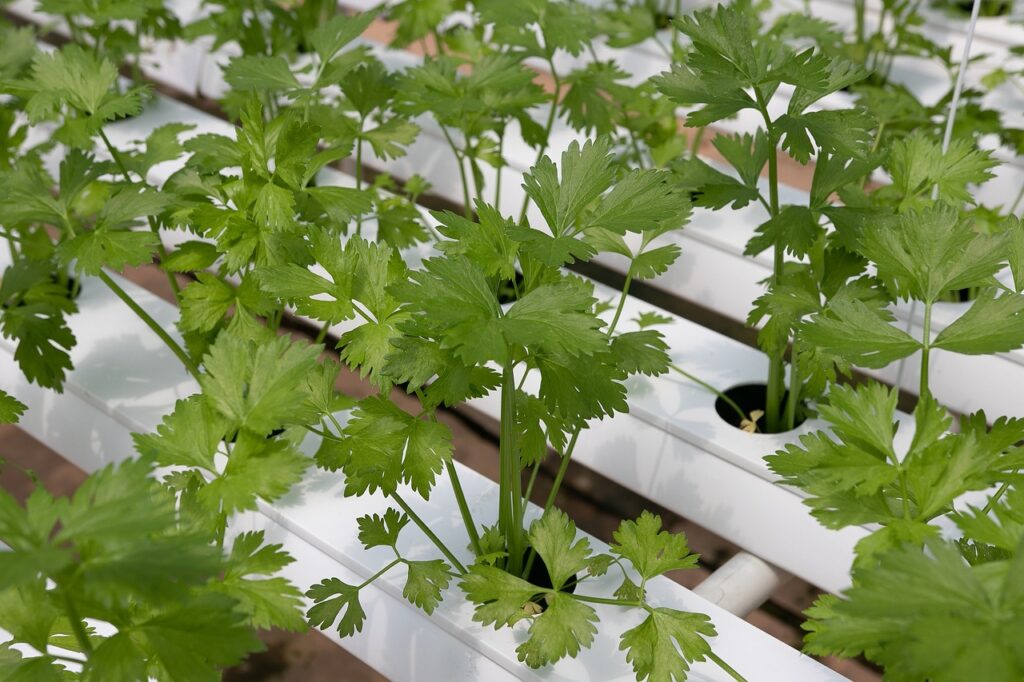
While almost any plant can be grown hydroponically, some types tend to thrive more in this system. Leafy greens, such as lettuce, spinach, and kale, are among the most popular choices for hydroponic gardening. Other vegetables like tomatoes, cucumbers, and peppers also perform well, as do herbs like basil, parsley, and mint. Additionally, many flowering plants, such as roses or orchids, can be successfully cultivated hydroponically.
Considerations when choosing plants
When selecting plants for hydroponic gardening, there are a few factors to consider. First, choose plants that have a relatively short growing cycle, as hydroponics allows for faster growth and higher productivity. Additionally, consider the space requirements of the plants and ensure they can be accommodated in your chosen hydroponic system. Finally, be mindful of the environmental conditions needed by each plant, such as temperature and humidity levels, to ensure optimal growth and yield.
Nutrient Solution for Hydroponic Gardening
Understanding essential nutrients
The nutrient solution used in hydroponic gardening provides all the essential elements necessary for plant growth. These include macronutrients like nitrogen, phosphorus, and potassium, as well as micronutrients like iron, manganese, and zinc. Each nutrient plays a crucial role in the plants’ development, supporting processes such as photosynthesis, root growth, and fruit production.
Selecting and mixing nutrient solutions
To create the ideal nutrient solution for your hydroponic garden, you can either purchase pre-mixed solutions designed for specific plants or mix your own. If you choose to mix your own solution, it is important to carefully follow a nutrient recipe that takes into account the needs of the plants you are cultivating. This ensures a balanced and appropriate concentration of all the necessary nutrients. pH adjusters should also be added to the solution to maintain the optimal pH range for nutrient absorption.
Maintaining nutrient levels in the water
Periodically monitoring and adjusting the nutrient levels in the water is crucial for the health and growth of your plants. Regularly test the nutrient solution to ensure that it remains within the desired range for each nutrient. If levels are too low, add more nutrients; if they are too high, dilute the solution with fresh water. It is also important to replenish the nutrient solution regularly, as plants absorb nutrients from the water over time.
Managing pH Levels
Importance of pH levels in hydroponics
pH levels play a vital role in hydroponic gardening as they affect the availability and absorption of nutrients by the plants’ roots. The optimal pH range for most plants in hydroponics is between 5.5 and 6.5. If the pH deviates from this range, nutrient deficiencies or toxicities can occur, stunting the plants’ growth and compromising their health.
Testing and adjusting pH levels
Regular monitoring of the pH levels is essential to maintain optimal conditions for the plants. This can be done using a pH meter or pH test strips. If the pH falls outside the desired range, adjustments can be made using pH adjusters, such as pH up or pH down solutions. It is recommended to make small incremental adjustments and retest the pH until the desired range is achieved. pH levels should be checked regularly, as they can fluctuate over time due to nutrient absorption and other factors.
Watering and Irrigation Systems
Watering techniques for hydroponics
Unlike traditional soil-based gardening, hydroponics requires a careful balance when it comes to watering. Overwatering can lead to root rot and fungal diseases, while underwatering can cause nutrient deficiencies and stunted growth. Most hydroponic systems use a timed irrigation cycle to water the plants at regular intervals, ensuring they receive sufficient moisture without becoming waterlogged.
Common irrigation systems used
Various irrigation systems can be used in hydroponic gardening, depending on the chosen hydroponic system and the scale of the operation. Some commonly used systems include drip irrigation, ebb and flow systems, and aeroponics. Drip irrigation involves delivering water directly to the plants’ roots using small tubes and drip emitters. Ebb and flow systems work by intermittently flooding and draining a container with the nutrient solution. Aeroponic systems mist the plants’ roots with a nutrient solution, keeping them constantly hydrated.
Controlling Temperature and Humidity
Ideal temperature and humidity ranges
Controlling the temperature and humidity levels within your hydroponic garden is crucial for the well-being of the plants. Most plants thrive in temperatures between 65°F and 75°F (18°C to 24°C), although certain varieties may have specific temperature requirements. As for humidity, it is generally recommended to maintain levels between 50% and 70%. However, different plant species may have varying preferences for humidity levels.
Methods for controlling temperature and humidity
To regulate temperature and humidity in your hydroponic garden, several methods can be employed. Ventilation systems, such as fans or vents, can help dissipate excess heat and maintain air circulation. Air conditioning or heating units can be utilized to maintain the desired temperature range. When it comes to humidity, humidifiers or dehumidifiers can be used to adjust levels accordingly. Monitoring devices, such as thermometers and hygrometers, can aid in ensuring optimal conditions are maintained.
Lighting Requirements for Hydroponic Gardening
Types of grow lights
Since hydroponic gardening often takes place indoors or in controlled environments, adequate lighting is crucial for plant growth and development. There are several types of grow lights to choose from, including fluorescent, high-intensity discharge (HID), and light-emitting diode (LED) lights. Fluorescent lights are cost-effective and suitable for growing leafy greens, while HID lights, such as metal halide and high-pressure sodium lamps, are powerful and better suited for flowering and fruiting plants. LED lights are energy-efficient, long-lasting, and versatile, making them a popular choice for hydroponic gardens.
Calculating lighting needs
Calculating the lighting needs for your hydroponic garden depends on factors such as the size of the garden, the type of plants being grown, and the light requirements of those plants. Light intensity is measured in units called foot-candles or lux, and different plants have varying light intensity requirements. Understanding the lighting needs of your specific plants and ensuring they are met will help promote healthy growth and maximize yield.
Managing light schedules
Just as natural daylight varies throughout the day and throughout the year, managing the light schedule in your hydroponic garden is essential. Most plants require a balance of light and darkness to carry out their physiological processes effectively. For most plants, a light cycle of 12 to 16 hours of light followed by 8 to 12 hours of darkness is suitable. Timers can be used to automate the light schedule, ensuring consistency and mimicking natural daylight patterns.
Hydroponic Pest and Disease Management
Preventing and treating common pests
While hydroponic gardening can reduce the risk of certain pests, it is not entirely immune to infestations. Common pests in hydroponic gardens include aphids, whiteflies, and spider mites. To prevent pests, it is important to practice good hygiene, maintain a clean growing environment, and regularly inspect plants for any signs of infestation. If pests are detected, organic pest control methods, such as neem oil or insecticidal soaps, can be used to treat the affected plants.
Identifying and addressing diseases in hydroponics
Disease management is crucial in hydroponic gardening to prevent the spread of pathogens and ensure the health of the plants. Common diseases in hydroponics include damping-off, root rot, and powdery mildew. Proper sanitation practices, such as sterilizing growing equipment and using clean water sources, can help prevent diseases. If diseases do occur, removing and treating affected plants, adjusting environmental conditions, and using disease-resistant plant varieties can help mitigate the damage.
Harvesting and Maintenance of Hydroponic Gardens
When to harvest hydroponic plants
The timing of the harvest in hydroponic gardening depends on the specific plant being grown and its growth cycle. Leafy greens can generally be harvested once they reach the desired size, while fruiting plants require longer periods of growth and should be harvested when the fruits are fully mature. Regular monitoring of the plants’ progress, such as observing flowering or ripening fruits, can help determine the optimal time for harvesting.
General maintenance tasks for hydroponic gardens
Maintaining a hydroponic garden involves several general tasks to ensure the plants’ health and overall system functionality. Regularly check and adjust nutrient levels and pH as necessary. Inspect plants for any signs of nutrient deficiencies or pest infestations. Clean and sterilize equipment to prevent disease transmission. Prune plants to remove dead or damaged parts. Monitor and adjust environmental conditions, such as temperature and humidity, to create an optimal growing environment. By staying proactive and attentive, you can ensure the long-term success of your hydroponic garden.
With this comprehensive guide, you now have a solid understanding of the basics and considerations involved in hydroponic gardening. Whether you are a seasoned gardener looking for a new challenge or a beginner eager to try a more efficient and sustainable gardening method, hydroponics offers a rewarding and exciting journey towards growing your own fresh produce. So grab your tools, prepare your nutrient solution, and start setting up your own hydroponic garden today!


